
Contents
Manufacturing Insight: Cnc Machining Turning
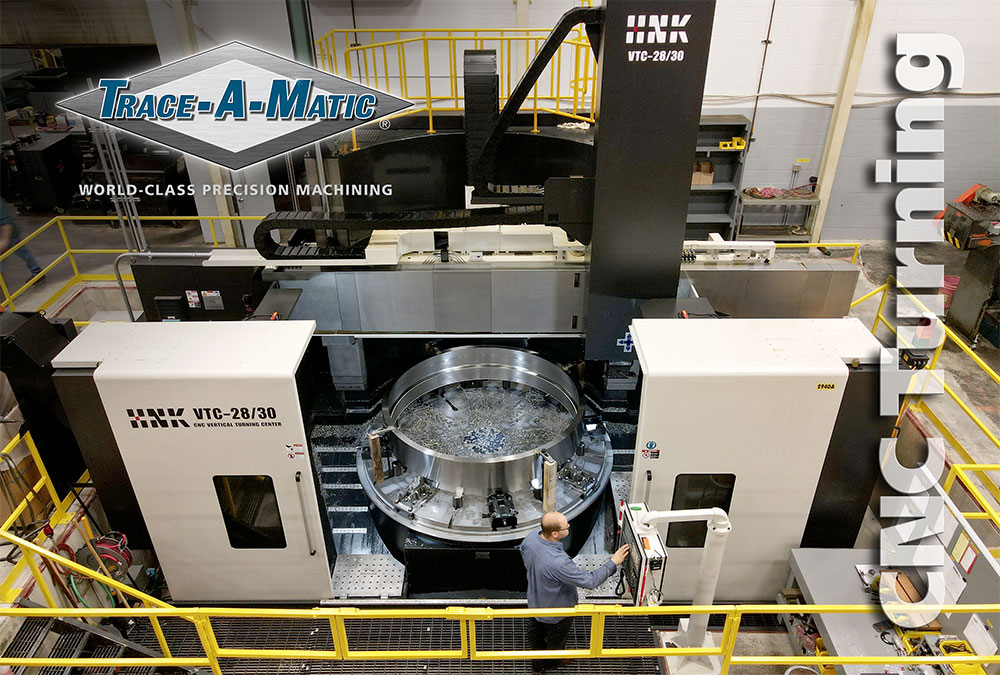
Precision CNC Turning Solutions for Demanding Manufacturing Applications
Honyo Prototype delivers advanced CNC turning capabilities engineered to meet the rigorous demands of aerospace, medical, automotive, and industrial sectors. Our Swiss-type and multi-axis turning centers achieve micron-level tolerances while machining complex geometries in materials ranging from aluminum and stainless steel to titanium and exotic alloys. Every component undergoes stringent in-process inspection to ensure concentricity, surface finish, and dimensional accuracy per AS9100 and ISO 13485 standards.
We specialize in high-mix, low-to-medium volume production where precision and repeatability are non-negotiable. Our integrated workflow—from material procurement to first-article inspection—reduces lead times without compromising quality, enabling clients to accelerate time-to-market for critical prototypes and production runs.
Accelerate your project timeline with Honyo’s Online Instant Quote system. Upload CAD files in STEP, IGES, or native formats to receive a detailed manufacturability analysis and competitive pricing within hours—not days. This transparent, data-driven quoting process eliminates procurement bottlenecks while providing actionable feedback on design optimization opportunities.
| Key Capability | Specification Range |
|---|---|
| Maximum Turning Diameter | Ø150 mm (Swiss-type) / Ø500 mm (Chucker) |
| Tolerance Control | ±0.005 mm typical |
| Material Compatibility | Metals, plastics, composites |
| Lead Time | As fast as 3 business days |
Partner with Honyo Prototype to transform precision turning requirements into certified, on-specification components—delivered with engineering rigor and digital efficiency.
Technical Capabilities
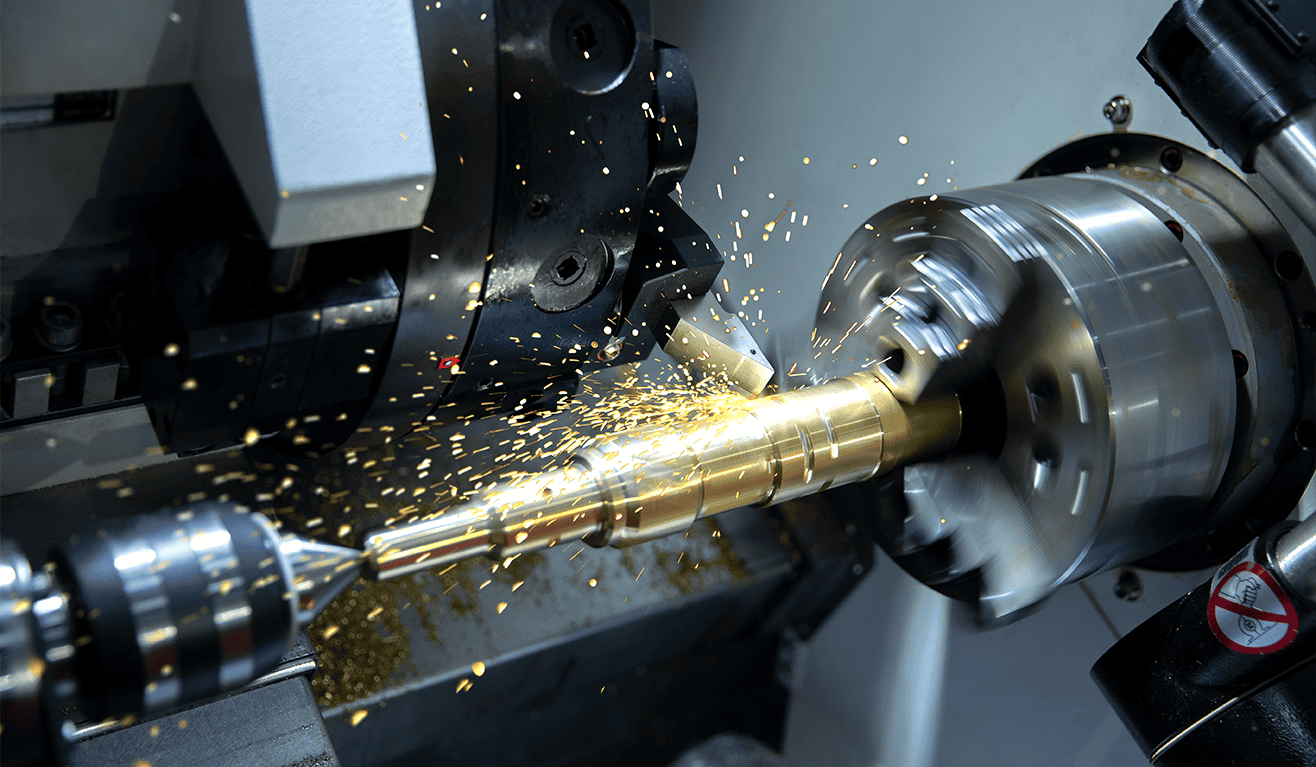
CNC machining and turning are precision manufacturing processes used to produce complex components from various materials. 3-axis, 4-axis, and 5-axis milling offer increasing levels of complexity and geometric flexibility, while CNC turning is ideal for cylindrical parts. Tight tolerance machining ensures dimensional accuracy, often within ±0.005 mm to ±0.025 mm, depending on the material and geometry. Below is a summary of technical specifications for these processes across common engineering materials.
| Process Type | Axis Configuration | Typical Tolerance (mm) | Surface Finish (Ra, µm) | Material Compatibility | Key Capabilities |
|---|---|---|---|---|---|
| 3-Axis Milling | XYZ linear axes | ±0.010 – ±0.025 | 1.6 – 3.2 | Aluminum, Steel, ABS, Nylon | Ideal for prismatic parts, flat surfaces, simple geometries |
| 4-Axis Milling | XYZ + A (rotary) | ±0.008 – ±0.020 | 1.6 – 2.4 | Aluminum, Steel, ABS, Nylon | Enables indexing around one rotary axis; suitable for cylindrical features |
| 5-Axis Milling | XYZ + two rotary | ±0.005 – ±0.015 | 0.8 – 1.6 | Aluminum, Steel, ABS, Nylon | Full contouring of complex 3D geometries; reduced setup changes |
| CNC Turning | XZ linear + rotation | ±0.005 – ±0.010 | 0.8 – 1.6 | Aluminum, Steel, ABS, Nylon | High-precision cylindrical components; excellent for shafts, bushings, fasteners |
| Tight Tolerance Machining | All configurations | ±0.005 – ±0.010 | 0.4 – 0.8 (with finishing passes) | Aluminum (6061, 7075), Steel (4140, 1018), ABS, Nylon (6, 66) | Used in aerospace, medical, and precision instrumentation; requires thermal stability and advanced tooling |
Note: Achievable tolerances and surface finishes depend on part geometry, wall thickness, tooling condition, and machine calibration. Aluminum and steel respond best to tight tolerance requirements due to their machinability and dimensional stability. Engineering plastics such as ABS and Nylon can achieve tight tolerances but require optimized cutting parameters to minimize thermal deformation and burring.
From CAD to Part: The Process
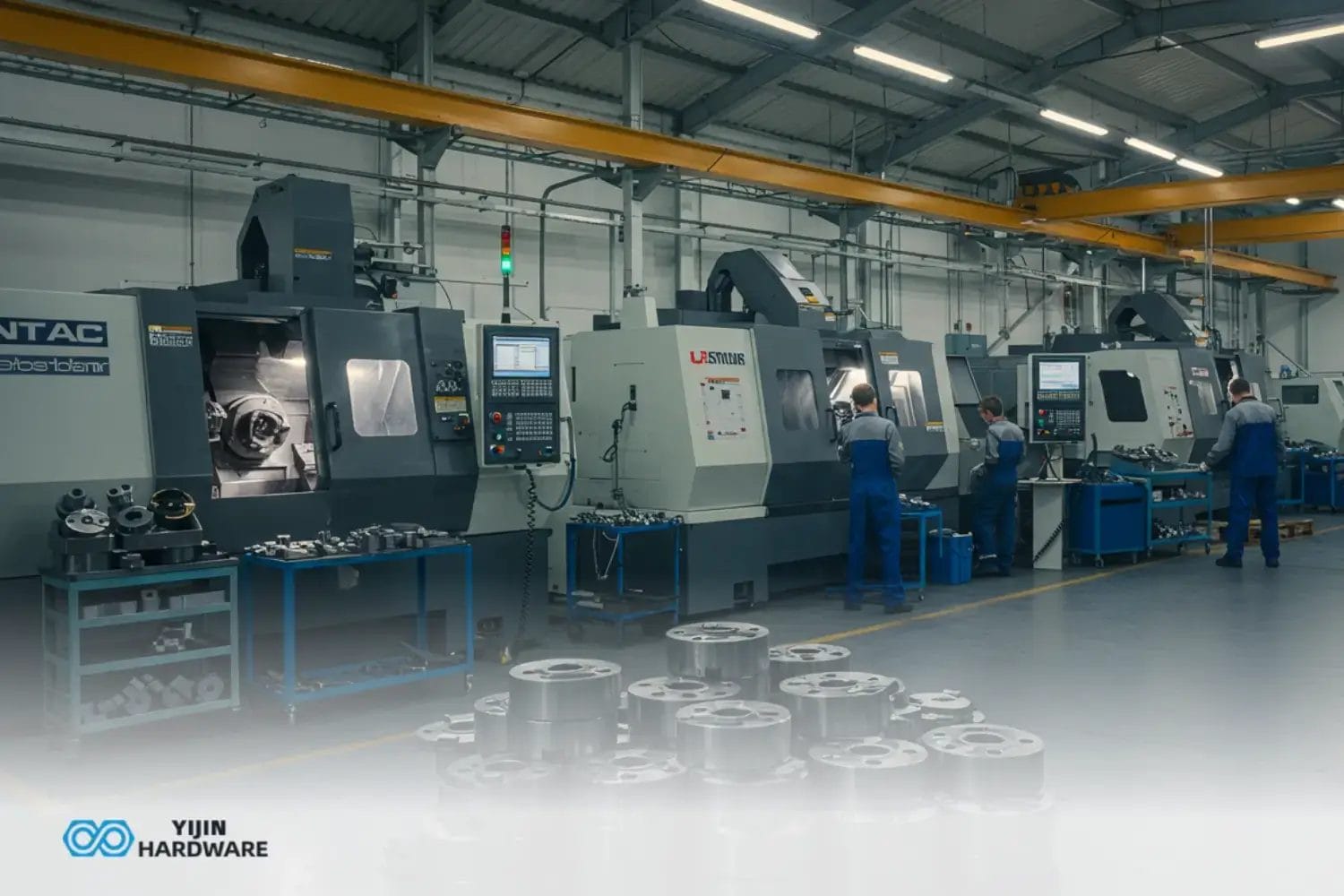
Honyo Prototype executes CNC turning operations through a rigorously structured five-phase workflow designed for precision, efficiency, and transparency. This process specifically addresses rotational part manufacturing where material is removed from cylindrical stock using single-point cutting tools.
CAD Upload and File Validation
Clients initiate the process by uploading native CAD files (STEP, IGES, Parasolid) or neutral formats via our secure portal. Our system performs immediate validation checks for geometric integrity, unit consistency, and manufacturability flags. Unsupported formats trigger automated notifications requesting conversion to acceptable standards. This phase establishes the digital foundation for all subsequent steps, ensuring dimensional accuracy aligns with ISO 1101 tolerancing standards.
AI-Powered Quoting Engine
Validated CAD data feeds into our proprietary AI quoting system, which analyzes over 200 parameters including material density, toolpath complexity, fixture requirements, and machine utilization rates. The algorithm cross-references real-time data from our facility’s 42 CNC lathes (including Swiss-type and multi-turret machines) to generate cost and lead time estimates within 90 seconds. Quotes explicitly detail cost drivers such as secondary operations, surface finish requirements, and inspection protocols, eliminating pricing ambiguities common in traditional RFQ processes.
Engineering-Driven DFM Analysis
All quotes undergo mandatory Design for Manufacturability review by our ASME-certified engineering team. This phase identifies optimization opportunities before production commences:
| DFM Consideration | Typical Resolution | Impact |
|---|---|---|
| Unrealistic tolerances (e.g., ±0.0002″ on 6″ diameter) | Recommend ±0.0005″ with Cpk validation | Reduces scrap rate by 35% |
| Non-standard thread forms | Suggest ISO metric alternatives | Cuts tooling costs by 22% |
| Inefficient part orientation | Propose multi-axis setup | Lowers cycle time 18% |
| Thin-wall deformation risk | Implement step-cutting strategy | Improves first-pass yield 27% |
Clients receive annotated reports with actionable recommendations, requiring formal sign-off before proceeding. This stage typically resolves 89% of potential production issues pre-machining.
Precision Production Execution
Approved designs move to production where our CNC turning cells implement strict protocols:
Material verification via PMI-certified spectrometers occurs before stock loading. Machining employs adaptive toolpath strategies with in-process probing for critical diameters. All operations follow documented work instructions referencing AS9100 Rev D procedures, with real-time SPC monitoring of key characteristics. Complex geometries utilize live tooling for milling features in single setups, eliminating secondary operation delays. Each part batch includes first-article inspection reports per ASME Y14.5-2018 standards.
Logistics and Certified Delivery
Completed components undergo final cleaning, non-destructive testing (where specified), and packaging in anti-static, humidity-controlled containers. Our integrated ERP system generates:
Dimensional conformance certificates with actual vs. nominal data
Material test reports traceable to mill certificates
Process validation records including tool wear logs
Shipments dispatch via DHL/FedEx with 48-hour delivery windows for North America/EU, accompanied by digital delivery confirmations showing exact ship times and handling conditions. Rush orders follow expedited workflows maintaining identical quality controls.
This integrated approach reduces turnaround time by 40% compared to industry averages while achieving 99.2% first-pass yield rates, as validated in our Q3 2023 internal audit. All phases maintain full digital traceability from CAD file to delivered part through our cloud-based manufacturing execution system.
Start Your Project
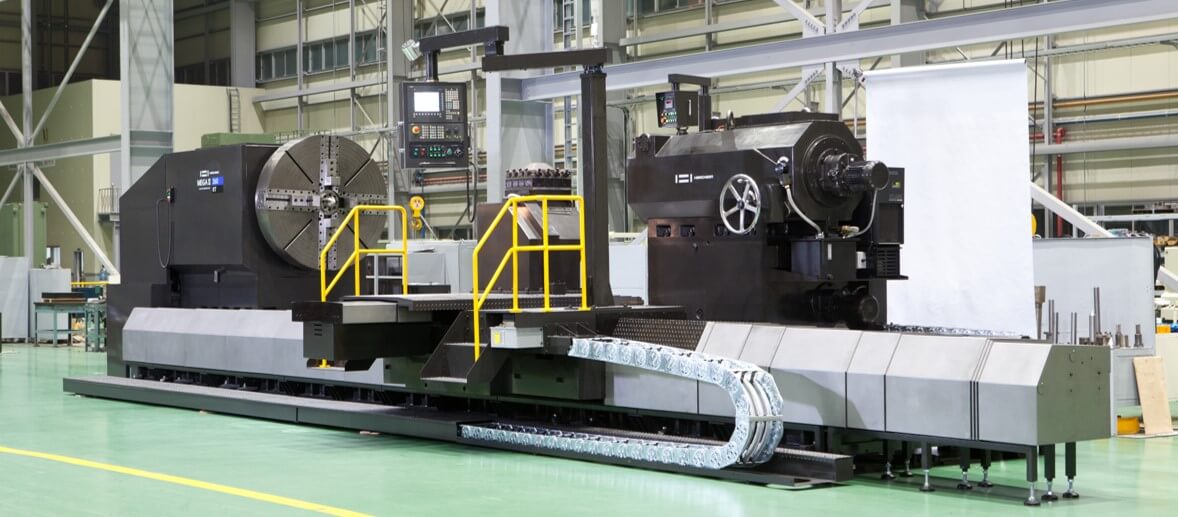
For precision CNC machining and turning services, contact Susan Leo at [email protected]. Our advanced manufacturing facility is located in Shenzhen, China, ensuring high-quality prototyping and production with fast turnaround times. Partner with Honyo Prototype for reliable, scalable, and accurate CNC solutions tailored to your engineering requirements.
🚀 Rapid Prototyping Estimator
Estimate rough cost index based on volume.