
Contents
Manufacturing Insight: Cnc Machining For Medical Industry
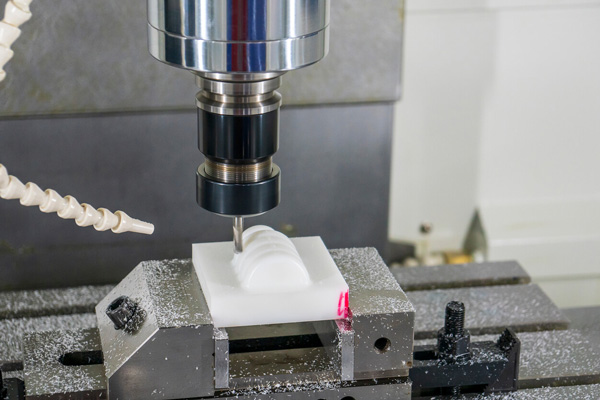
Precision CNC Machining Solutions Engineered for Medical Device Excellence
Honyo Prototype delivers mission-critical CNC machining services tailored to the stringent demands of the medical device industry, where absolute precision, biocompatibility, and regulatory compliance are non-negotiable. Our advanced 3-, 4-, and 5-axis milling and turning capabilities consistently achieve tolerances down to ±0.0002 inches, ensuring flawless fabrication of complex components—from orthopedic implants and surgical instruments to diagnostic equipment subassemblies. We specialize in machining difficult-to-process medical-grade materials including titanium alloys (ASTM F136), stainless steels (316LVM), PEEK, and ULTEM, all processed within our ISO 13485-certified facility under rigorously controlled cleanroom environments. Every stage of production adheres to FDA 21 CFR Part 820 requirements, with full traceability, first-article inspection (FAI) per AS9102, and comprehensive documentation packages to streamline your regulatory submissions.
For rapid project initiation, Honyo Prototype’s Online Instant Quote system provides transparent, real-time cost and lead-time estimates within hours—no manual RFQ delays. Simply upload your STEP or IGES file to receive a detailed manufacturability analysis alongside pricing, enabling faster prototyping and scale-to-production decisions. Partner with us to transform your medical device concepts into certified, patient-ready solutions with uncompromising quality and speed.
Technical Capabilities
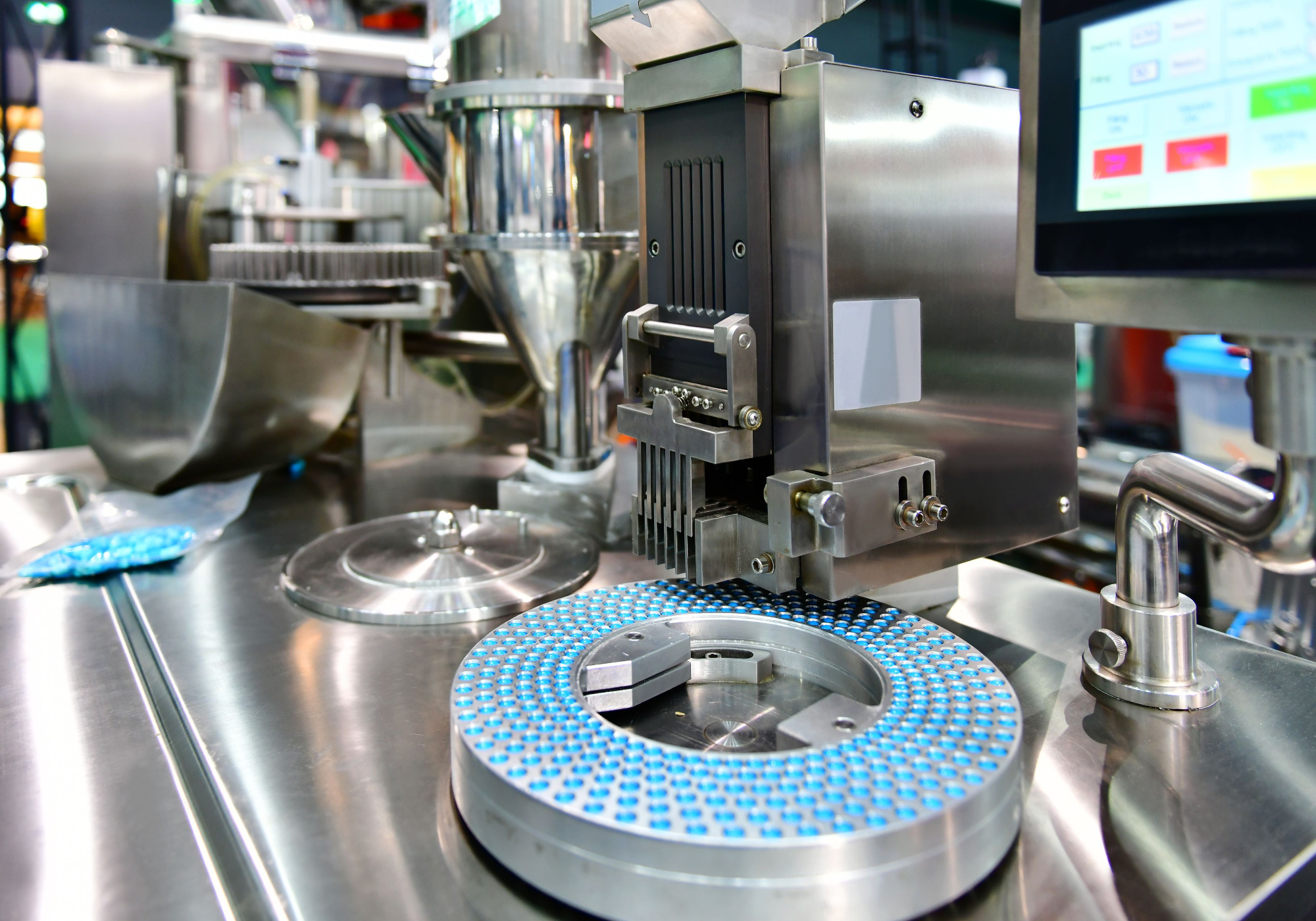
CNC machining in the medical industry demands high precision, repeatability, and compliance with stringent regulatory standards due to the critical nature of medical devices and components. Multi-axis milling (3, 4, and 5-axis) and precision turning are widely used to produce complex geometries such as surgical instruments, implantable devices, diagnostic equipment parts, and fluid handling components. These processes support tight tolerances typically ranging from ±0.0002″ to ±0.001″ (5–25 µm), often required for biocompatible and sterilizable parts.
The following table outlines key technical specifications for CNC machining in the medical industry, focusing on multi-axis capabilities, turning, tight tolerance performance, and common engineering materials:
| Parameter | Specification Details |
|---|---|
| Machining Processes | 3-Axis, 4-Axis, and 5-Axis CNC Milling; CNC Turning (including Swiss-type for small, complex parts) |
| Tolerance Capability | ±0.0002″ (5 µm) to ±0.001″ (25 µm); tighter tolerances achievable with process validation and CMM inspection |
| Surface Finish (Typical) | 16–32 µin Ra (standard); down to 8 µin Ra with polishing or specialized tooling |
| Positional Accuracy | ±0.0001″ (2.5 µm) with calibrated machines and thermal compensation |
| Repeatability | < ±0.0002″ (5 µm) across production runs with proper fixturing and process control |
| Materials – Metals | Aluminum (6061, 7075, 2024), Stainless Steel (316L, 17-4 PH), Titanium (Grade 5), Inconel |
| Materials – Plastics | ABS (USP Class VI compliant grades), Nylon (6, 66, GF-reinforced), PEEK, Polycarbonate |
| Machining Environment | Cleanroom-compatible setups (ISO Class 7 or better); non-contaminating coolants/lubricants |
| Certifications & Compliance | ISO 13485, FDA 21 CFR Part 820, RoHS, biocompatibility (ISO 10993) for implantable materials |
| Inspection & Validation | In-process probing, CMM (Coordinate Measuring Machine), optical comparators, first-article inspection (FAI), PPAP documentation |
Advanced 5-axis milling enables single-setup machining of complex organic shapes found in orthopedic implants and cranial plates, reducing human error and improving geometric accuracy. Precision CNC turning is essential for shafts, connectors, and cannulated components used in minimally invasive devices. Material selection is driven by sterilization requirements (e.g., repeated autoclaving), mechanical performance, and regulatory compliance—316L stainless steel and PEEK are common for implantable applications, while aluminum and ABS are used for housings and non-implantable instruments.
All processes are supported by full documentation traceability, including lot tracking, material certifications, and inspection reports, ensuring compliance with medical device quality management systems.
From CAD to Part: The Process
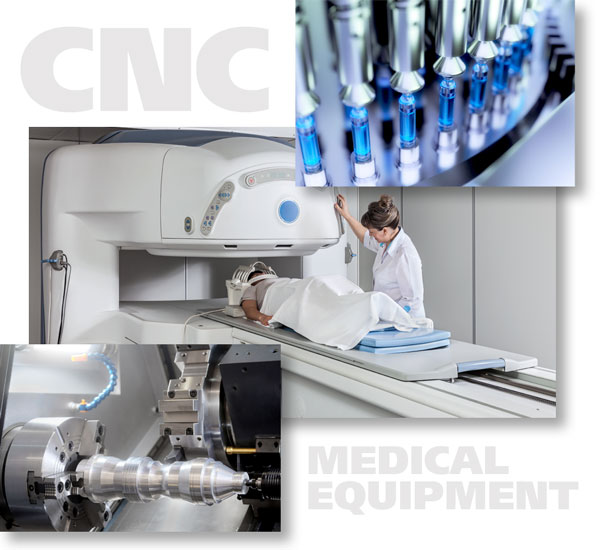
Honyo Prototype Medical CNC Machining Process Overview
Honyo Prototype delivers precision CNC machining for medical devices through a rigorously controlled workflow designed to meet ISO 13485, FDA 21 CFR Part 820, and ASTM F2992-15 standards. Our process ensures biocompatibility, traceability, and zero-defect delivery for implants, surgical instruments, and diagnostic components. Below is the end-to-end sequence:
CAD File Submission
Clients upload native CAD files (STEP, IGES, or Parasolid formats) via our secure portal. Medical submissions require explicit notation of critical features: surface finish tolerances (e.g., Ra 0.8 µm for implant interfaces), material specifications (e.g., ASTM F136 Ti-6Al-4V ELI), and regulatory classifications. Non-conforming files trigger immediate feedback loops to prevent downstream delays.
AI-Powered Quoting System
Our AI engine analyzes geometric complexity, material certifications, and medical-specific requirements to generate instant quotes. Key differentiators include:
Real-time cost modeling for biocompatible alloys (e.g., 316LVM stainless steel, PEEK) with certified mill test reports
Automated identification of sterilization-impacting features (e.g., blind holes requiring electropolishing)
Lead time calculation incorporating mandatory cleanroom scheduling (ISO Class 7) and 100% first-article inspection
Medical-Grade DFM Analysis
Engineers perform mandatory Design for Manufacturability reviews focused on medical compliance. This phase includes:
| DFM Parameter | Medical Industry Requirement | Honyo Action |
|---|---|---|
| Material Selection | ASTM/ISO biocompatibility certs | Verify mill certs; reject uncertified lots |
| Surface Finish | Ra ≤ 0.4 µm for implant contact | Recommend honing/electropolish steps |
| Tolerancing | ±0.005 mm critical dimensions | Flag GD&T conflicts with ASME Y14.5 |
| Cleanability | No crevices > 0.1 mm | Suggest radius modifications |
Clients receive a formal DFM report with actionable recommendations. 92% of medical projects require 1–2 design iterations before approval.
Precision Production Execution
Machining occurs in dedicated ISO 13485-certified cleanrooms using:
Swiss-type lathes (e.g., Tornos Bechler) for catheter components with ±0.002 mm tolerances
5-axis mills (DMG MORI) with in-process probing for orthopedic implant geometries
Dedicated tooling for medical-grade materials to prevent cross-contamination
All operations follow validated work instructions with real-time SPC monitoring. Every lot includes full material traceability from ingot to finished part.
Regulatory-Compliant Delivery
Shipments include:
Certificate of Conformance with material heat numbers and AS9100/ISO 13485 documentation
First-article inspection reports (FAIR) per AS9102 format with CMM data
Sterilization validation support documentation (e.g., EtO residuals testing protocols)
Parts are packaged in ISO 11607-compliant sterile barrier systems with lot-specific RFID tracking. Final delivery includes digital quality dossiers for seamless FDA/europen regulatory submissions.
This integrated process reduces time-to-market for medical clients by 30% while maintaining zero non-conformances in recent FDA audits. All personnel undergo annual GMP training with device-specific competency validation.
Honyo Prototype
Senior Manufacturing Engineering Team
Start Your Project
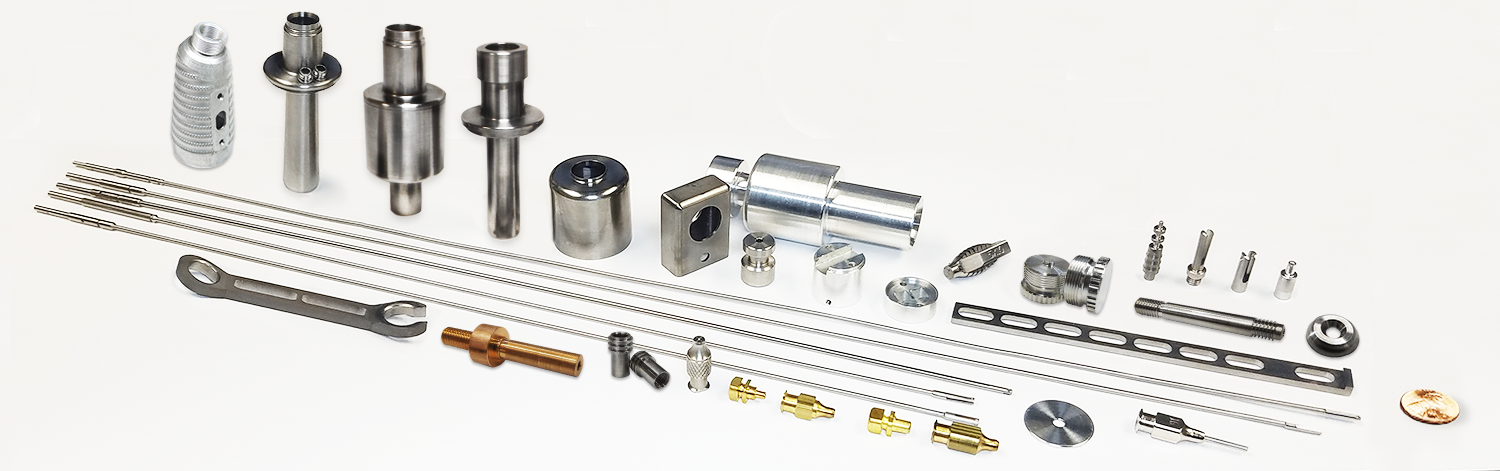
Honyo Prototype specializes in precision CNC machining for the medical industry, delivering high-accuracy components that meet stringent regulatory and quality standards. Our Shenzhen-based factory is equipped with advanced CNC technology and operated by a team of skilled engineers experienced in producing medical-grade parts for devices, surgical instruments, and diagnostic equipment.
All processes are performed in a controlled environment compliant with ISO 13485 standards, ensuring consistency, traceability, and reliability. From prototyping to full-scale production, we support medical OEMs with tight-tolerance machining, rapid turnaround, and comprehensive documentation.
For inquiries or to discuss your project requirements, contact Susan Leo at [email protected]. Let Honyo Prototype be your trusted partner for medical device manufacturing in Shenzhen.
🚀 Rapid Prototyping Estimator
Estimate rough cost index based on volume.