
Contents
Manufacturing Insight: Cnc Machines Advantages
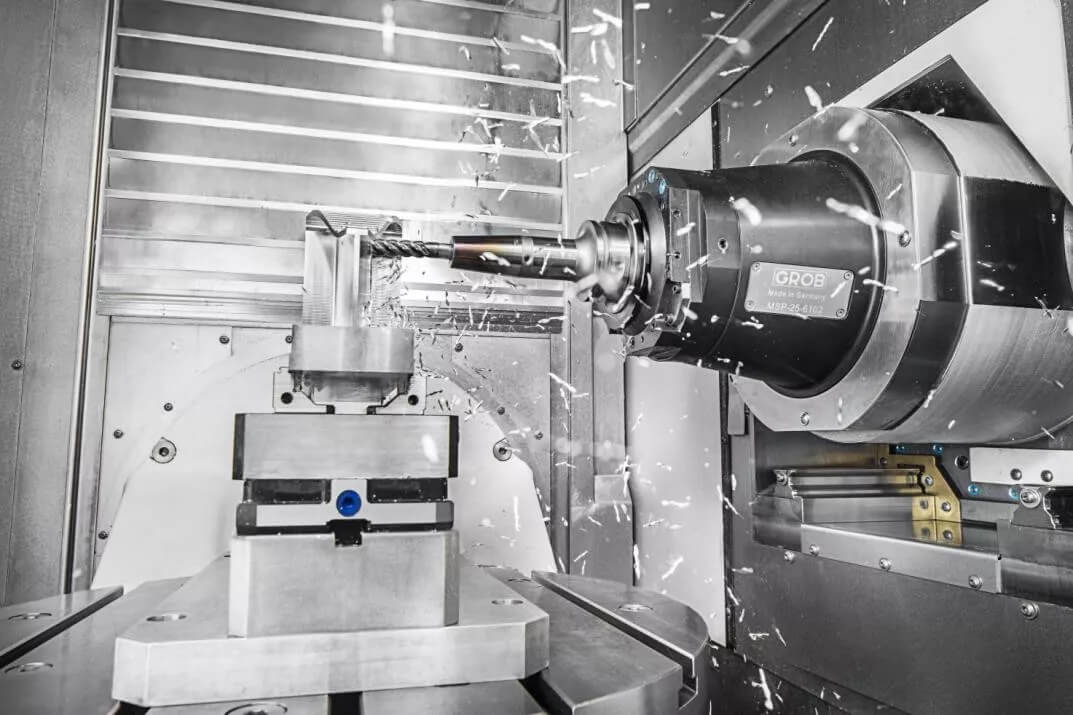
Unlock Precision and Efficiency with Honyo Prototype’s CNC Machining Services
In today’s competitive manufacturing landscape, achieving unparalleled precision, repeatability, and speed is non-negotiable for bringing high-performance parts to market. CNC machining stands as the cornerstone of modern precision manufacturing, delivering micron-level accuracy across complex geometries while maintaining exceptional material integrity. Its ability to consistently produce intricate components—from aerospace brackets to medical device housings—across diverse materials like aluminum, titanium, and engineering plastics makes it indispensable for prototyping and low-to-mid volume production.
At Honyo Prototype, we leverage advanced multi-axis CNC milling and turning centers to transform your designs into reality with rigorous quality control. Our ISO-certified processes ensure tight tolerances down to ±0.005 mm, supported by real-time in-process inspections and a deep understanding of material science. Whether you require rapid functional prototypes or bridge production runs, our technical team optimizes toolpaths and material selection to minimize lead times without compromising on the structural or aesthetic demands of your application.
Accelerate your path from CAD model to physical part with Honyo’s Online Instant Quote system. Simply upload your 3D model, specify materials and quantities, and receive a detailed, transparent cost estimate within minutes—no lengthy RFQ delays. This seamless integration of cutting-edge CNC capabilities with digital procurement efficiency empowers engineering teams to iterate faster and reduce time-to-market. Partner with Honyo Prototype to harness the full strategic advantage of precision CNC machining, where technical expertise meets operational agility.
Technical Capabilities
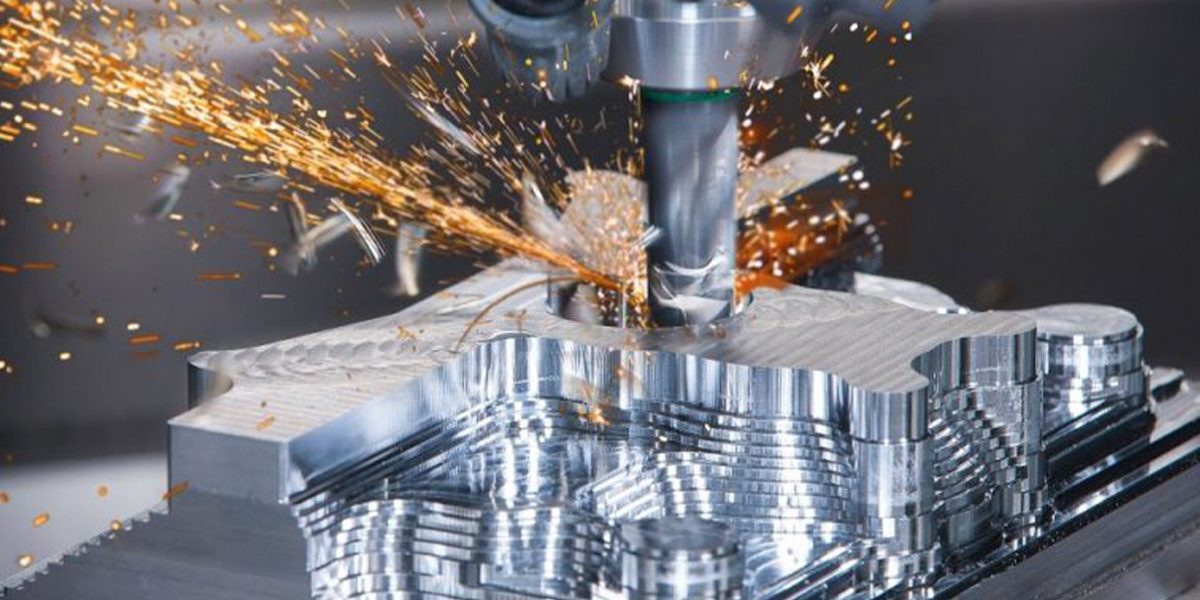
CNC machining offers significant advantages in precision manufacturing, particularly when utilizing 3-axis, 4-axis, and 5-axis milling systems, as well as CNC turning. These platforms enable high repeatability, complex geometry production, and tight tolerance control across a range of engineering materials including aluminum, steel, ABS, and nylon. Below is a comparative overview of the technical advantages across these machine types and material compatibility.
| Feature | 3-Axis Milling | 4-Axis Milling | 5-Axis Milling | CNC Turning | Tight Tolerance Capability |
|---|---|---|---|---|---|
| Degrees of Movement | X, Y, Z linear axes | X, Y, Z + rotary A-axis (rotation around X) | X, Y, Z + two rotary axes (e.g., A & B or B & C) | Linear X & Z axes + rotational spindle | Achievable on all systems with proper calibration |
| Complex Geometry Handling | Moderate – ideal for flat or planar features | High – allows indexing of parts for side features | Very High – enables continuous contouring and undercuts | Moderate – best for symmetrical cylindrical parts | Up to ±0.005 mm (±0.0002″) with precision tooling and environmental control |
| Setup Efficiency | Multiple setups often required | Reduced setups due to indexing capability | Minimal setups – complex parts in single fixturing | High efficiency for rotational parts | Improved on multi-axis systems due to reduced handling |
| Surface Finish Quality | Good with proper tool paths | Enhanced on angled surfaces | Excellent due to optimal tool-to-part orientation | Very good with fine feed control | Consistently achievable across materials with optimized parameters |
| Material Compatibility | Aluminum, Steel, ABS, Nylon | Aluminum, Steel, ABS, Nylon | Aluminum, Steel, ABS, Nylon (including high-temp grades) | Aluminum, Steel, ABS, Nylon (bar stock form) | All materials support tight tolerances; steel and aluminum offer best dimensional stability |
| Typical Applications | Enclosures, brackets, flat plates | Multi-face components, jigs | Aerospace components, molds, medical devices | Shafts, bushings, connectors | Critical components in aerospace, medical, and automation industries |
| Lead Time & Cost Efficiency | Lower initial cost, longer cycle times for complex parts | Balanced cost and capability | Higher machine cost, reduced labor and post-processing | Highly efficient for high-volume rotational parts | Tight tolerance adds minimal cost on stable platforms with proper process control |
Multi-axis CNC systems significantly enhance geometric flexibility and precision, especially when working with challenging materials like steel and engineering thermoplastics such as ABS and nylon. Aluminum remains the most machinable metal, offering excellent chip evacuation and dimensional stability. Steel provides high strength and thermal resistance, suitable for high-tolerance end-use parts. ABS delivers good machinability for prototypes, while nylon requires controlled feeds and speeds due to its tendency to absorb moisture and deform. All materials benefit from the inherent repeatability and accuracy of modern CNC platforms when properly optimized.
From CAD to Part: The Process
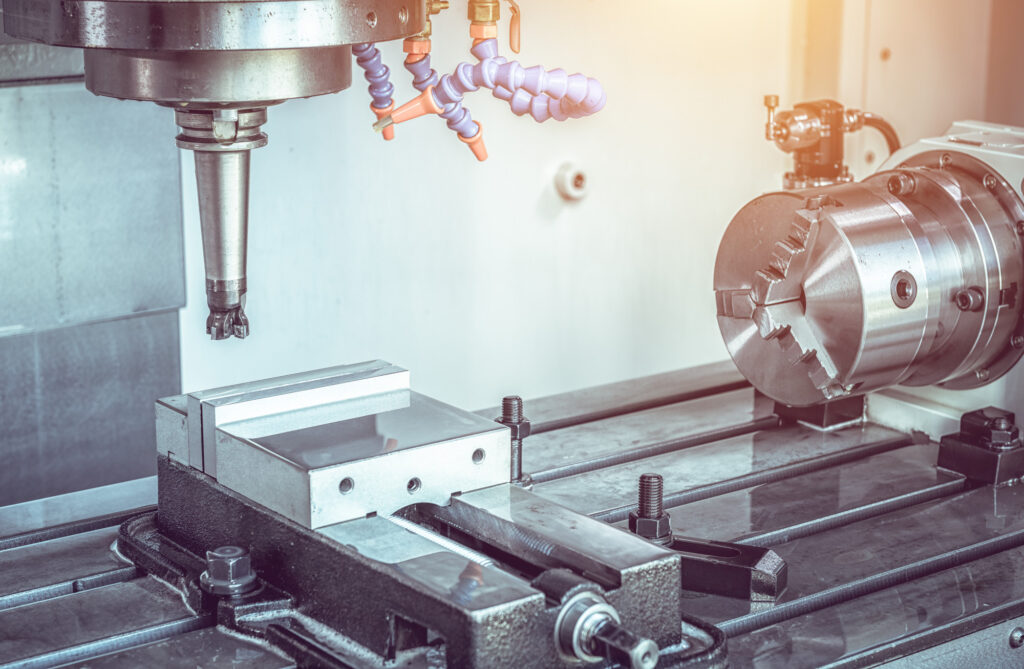
Honyo Prototype leverages advanced CNC machining capabilities through a streamlined, technology-driven workflow designed to maximize precision, efficiency, and client value. Our process transforms digital designs into high-quality physical components while mitigating risks and reducing time-to-market. Below is a technical overview of our integrated workflow:
CAD Upload and System Integration
Clients initiate the process by uploading native CAD files (STEP, IGES, Parasolid) or neutral formats via our secure customer portal. Our system automatically validates file integrity, extracts geometric and material specifications, and syncs metadata with live production scheduling databases. This eliminates manual data entry errors and ensures dimensional accuracy is preserved from design intent to machine execution.
AI-Powered Quoting Engine
Uploaded CAD data feeds into our proprietary AI quoting system, which analyzes over 200 geometric and manufacturing parameters in under 90 seconds. Unlike static rate cards, the AI cross-references real-time factors including machine availability, material stock levels, tooling requirements, and historical process capability data (CpK ≥ 1.67). This generates a technically validated cost and lead time estimate with 95% accuracy, accounting for complex features like deep cavities or thin walls that impact cycle times. Clients receive instant visibility into cost drivers through an interactive quote breakdown dashboard.
Engineering-Driven DFM Analysis
Every project undergoes automated Design for Manufacturability analysis using rules-based algorithms trained on 15+ years of CNC production data. The system identifies potential issues such as non-optimal wall thicknesses, problematic undercuts, or tolerance stack-ups that could cause scrap or rework. Our manufacturing engineers then conduct a secondary review, providing actionable feedback via annotated 3D models within 4 business hours. This collaborative phase typically reduces manufacturability-related delays by 65% and material waste by 30% compared to industry benchmarks.
Precision Production Execution
Approved designs move to production on our network of ISO 9001-certified CNC assets, including 5-axis milling centers (DMG MORI, Haas) and multi-turn Swiss lathes. Each job is supported by:
Automated toolpath simulation verifying collision avoidance
In-process probing for first-article dimensional validation
Real-time machine telemetry monitoring critical parameters (spindle load, thermal drift)
All processes adhere to AS9100 aerospace standards with documented process capability studies. Typical production tolerances held are ±0.005 mm for critical features, with surface finishes down to Ra 0.4 µm achievable in a single setup.
Quality-Controlled Delivery
Final inspection employs CMMs, optical comparators, and surface roughness testers against the original CAD model. Comprehensive inspection reports (including GD&T analysis) are provided digitally before shipment. Parts ship with serialized traceability tags linked to material certs and process logs. Our logistics partners ensure global delivery within 72 hours of completion, with real-time tracking accessible via client portal.
This integrated workflow transforms CNC machining from a traditional fabrication step into a value-engineering partnership. By embedding intelligence at each phase—from AI-driven quoting through closed-loop production control—we consistently achieve 99.2% on-time delivery rates while reducing total project costs by 22% on average versus conventional prototyping services. The result is accelerated product development cycles with minimized risk for our engineering partners.
Start Your Project
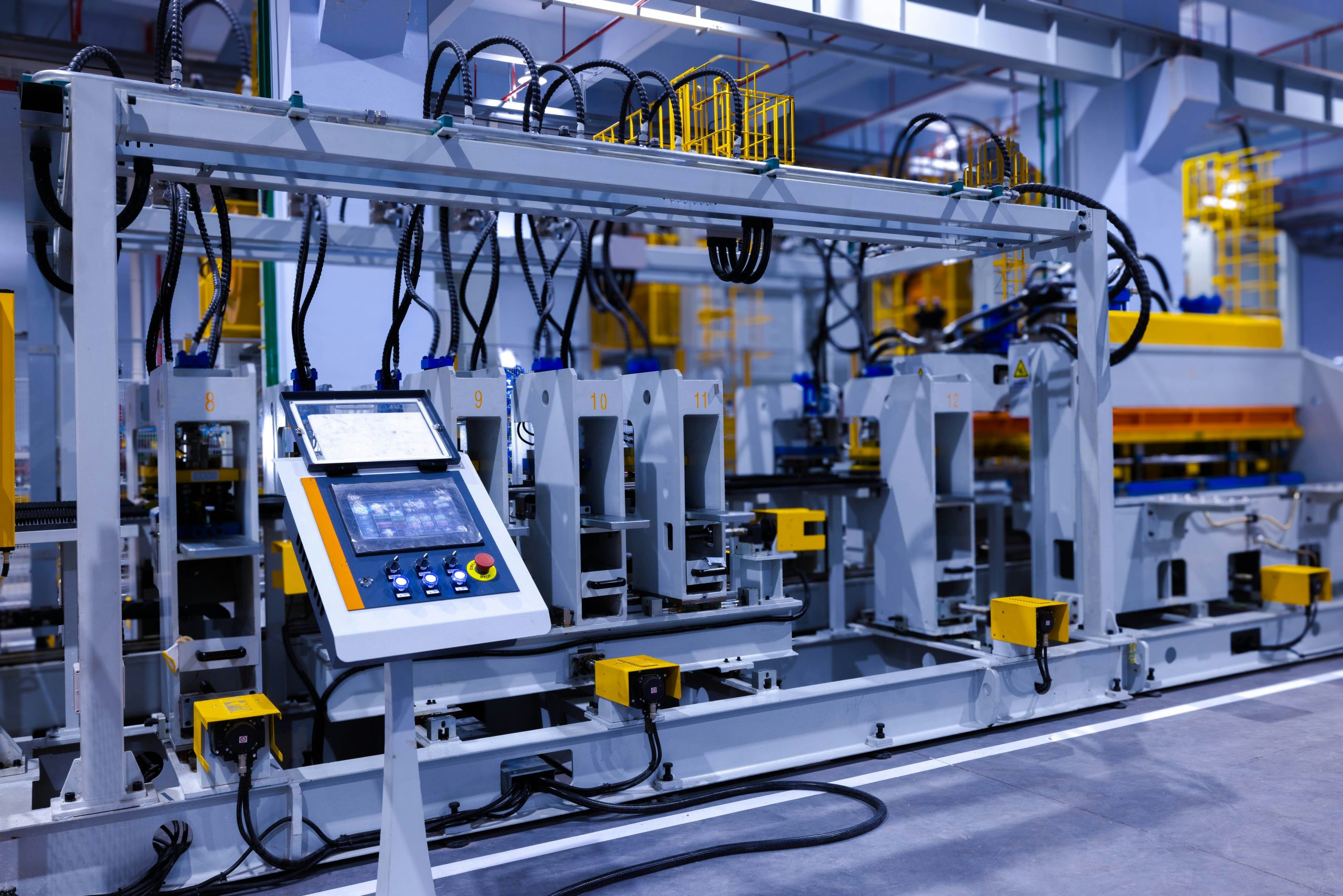
Discover the precision, efficiency, and reliability of CNC machining for your next project. With advanced capabilities and tight tolerances, our CNC machines deliver consistent quality for prototyping and low-volume production.
Located in Shenzhen, our state-of-the-art facility leverages cutting-edge technology to meet demanding manufacturing requirements across industries. From complex geometries to high repeatability, we ensure fast turnaround without compromising accuracy.
Contact Susan Leo today at [email protected] to discuss how our CNC machining services can support your engineering and product development goals.
🚀 Rapid Prototyping Estimator
Estimate rough cost index based on volume.