
Contents
Manufacturing Insight: Cnc Machined Auto Parts
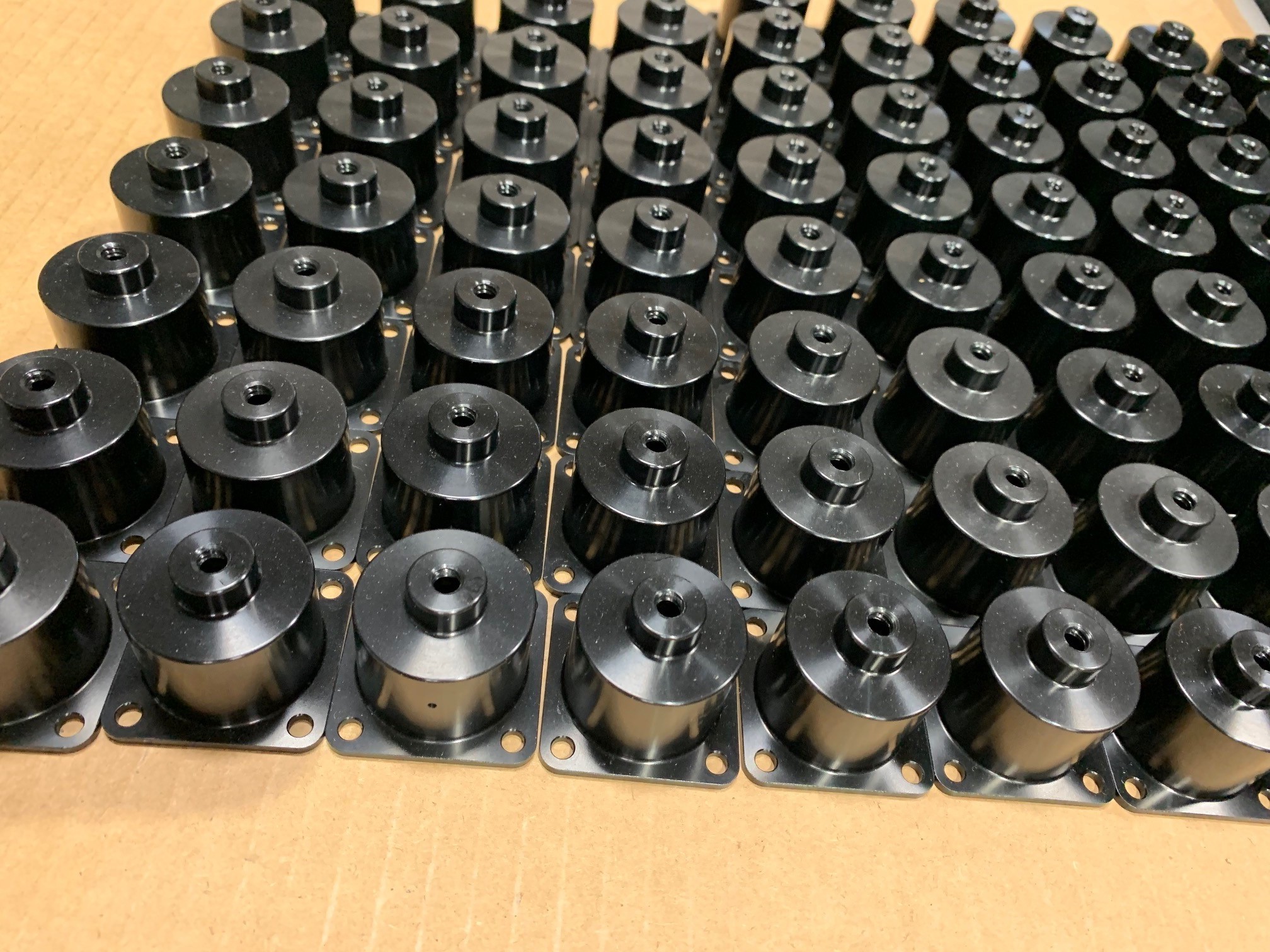
Precision Automotive Components Engineered for Performance and Reliability
For automotive OEMs and Tier 1 suppliers demanding uncompromising precision, Honyo Prototype delivers mission-critical CNC machined auto parts through advanced manufacturing expertise. Our dedicated CNC machining services leverage state-of-the-art multi-axis milling and turning centers to produce complex components—from transmission housings and brake system elements to sensor brackets and engine management parts—with tolerances held to ±0.0002 inches. We specialize in high-strength materials including aerospace-grade aluminum alloys, stainless steels, and engineered plastics, all processed under stringent ISO 9001:2015 quality protocols to ensure dimensional accuracy, surface integrity, and repeatability across prototype, bridge, and low-volume production runs.
Honyo’s engineering team collaborates directly with your design stakeholders to optimize manufacturability, reduce assembly complexity, and mitigate supply chain risks through value-added services like DFM analysis, first-article inspection reporting (FAIR), and rapid material sourcing. This integrated approach minimizes time-to-assembly while maintaining full traceability from raw billet to finished component.
Accelerate your development cycle with our Online Instant Quote platform, enabling real-time pricing and lead time visibility for CNC machined auto parts within minutes. Simply upload your 3D CAD model, specify materials and quantities, and receive a technically validated quote—no sales intermediary required. This seamless digital workflow eliminates traditional procurement delays, allowing engineering teams to iterate faster and respond decisively to evolving project demands. Partner with Honyo Prototype to transform automotive design intent into high-integrity physical components, backed by decades of precision manufacturing excellence.
Technical Capabilities
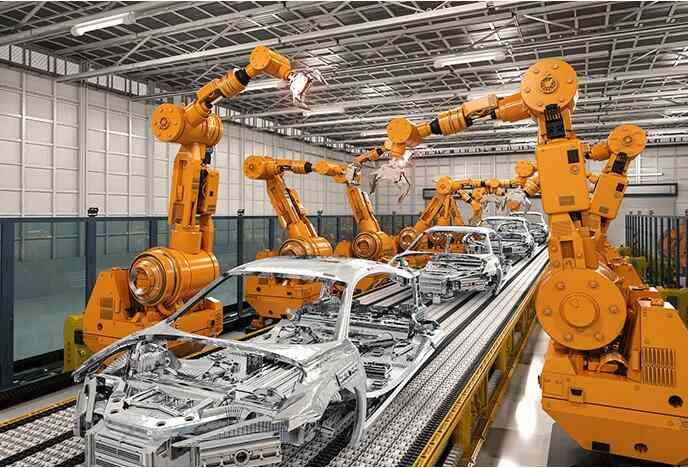
CNC Machined Auto Parts – Technical Specifications
CNC machined auto parts are produced using advanced 3-axis, 4-axis, and 5-axis milling systems, as well as precision turning centers, to meet the demanding dimensional accuracy and surface finish requirements of the automotive industry. These components are typically manufactured from engineering-grade materials such as aluminum, steel, ABS, and nylon. The use of multi-axis machining allows for complex geometries, reduced setup times, and improved repeatability. Tight tolerances down to ±0.001″ (0.025 mm) are routinely maintained, ensuring fit, function, and performance in critical applications.
| Parameter | Specification Details |
|---|---|
| Machining Processes | 3-Axis Milling, 4-Axis Milling (rotary indexing), 5-Axis Milling (simultaneous multi-axis), CNC Turning (including Swiss-type) |
| Typical Tolerances | ±0.001″ (0.025 mm) for critical features; ±0.005″ (0.127 mm) for non-critical dimensions |
| Surface Finish (Ra) | 32–125 μin (0.8–3.2 μm); can achieve 16 μin (0.4 μm) with post-processing or fine toolpaths |
| Materials – Metals | Aluminum (6061-T6, 7075-T6, 2024), Steel (1018, 4140, 4340), Stainless Steel (303, 304, 17-4 PH) |
| Materials – Plastics | ABS (Acrylonitrile Butadiene Styrene), Nylon (PA6, PA66, glass-filled variants) |
| Max Work Envelope (Milling) | 3-Axis: 24″ x 36″ x 20″; 5-Axis: 16″ x 16″ x 16″ (rotary travel limits apply) |
| Max Turning Diameter | Up to 2.5″ (63.5 mm) for Swiss turning; up to 12″ (305 mm) for standard CNC lathes |
| Tooling Systems | High-speed steel (HSS) and carbide end mills, indexable inserts, CBN/PCD for hard materials |
| Positioning Accuracy | ±0.0002″ (0.005 mm) per axis on 5-axis systems |
| Repeatability | ±0.0004″ (0.01 mm) across production runs |
| Common Applications | Engine components, transmission housings, sensor brackets, fuel system fittings, prototypes, and low-volume production parts |
These specifications support high-performance automotive applications where reliability, precision, and material integrity are critical. Honyo Prototype leverages in-house CNC capabilities to deliver fully inspected, production-ready machined parts with rapid turnaround for prototyping and bridge production.
From CAD to Part: The Process
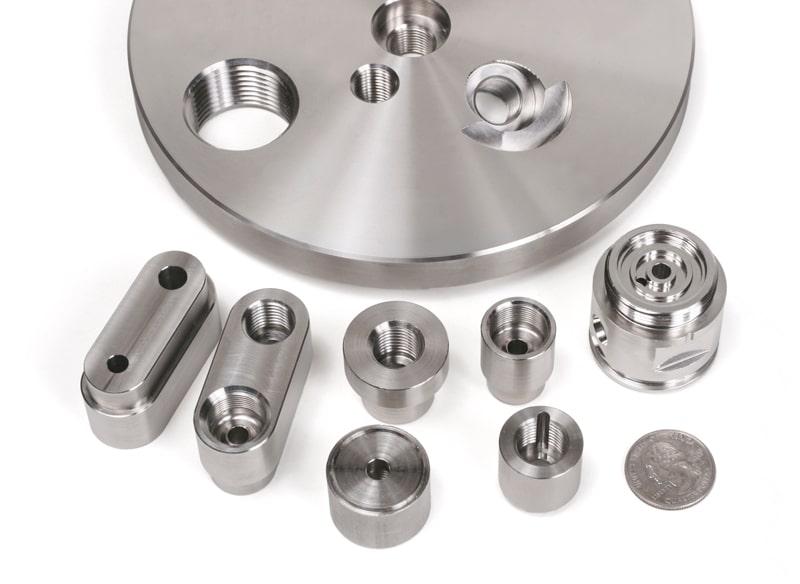
Honyo Prototype CNC Machined Auto Parts Process Overview
Our end-to-end process for CNC machined automotive components integrates advanced digital workflows with rigorous manufacturing expertise to ensure precision, speed, and compliance with automotive industry standards. Below is a detailed explanation of each phase, optimized for complex auto part requirements such as transmission housings, brake calipers, and sensor brackets.
CAD Upload and Initial Validation
Clients submit 3D CAD models in native or standard formats (STEP, IGES, Parasolid, or native SOLIDWORKS) via our secure online portal. Our system automatically validates geometry integrity, checks for non-manifold edges, and confirms unit consistency (millimeters preferred per ISO standards). For automotive submissions, we specifically verify alignment with common industry practices such as ISO 1302 surface finish callouts and GD&T per ASME Y14.5. Files failing validation trigger immediate client notification with precise error diagnostics, preventing downstream delays.
AI-Powered Quoting Engine
Uploaded CAD data feeds our proprietary AI quoting system, which analyzes over 200 geometric and material parameters within 90 seconds. The engine evaluates critical auto-specific factors including: material grade suitability (e.g., Al6061-T6 for lightweight brackets, 4140 steel for high-stress components), minimum wall thickness constraints, cavity depth-to-width ratios, and secondary operation requirements. Quotes include explicit tolerance feasibility assessments against automotive benchmarks (e.g., ISO 2768-mK for general tolerances) and highlight potential cost drivers like complex 5-axis setups or tight positional tolerances below ±0.05mm. All quotes are backed by our manufacturing team’s final review to ensure technical accuracy.
Engineering-Led DFM Analysis
Every project undergoes a dedicated Design for Manufacturability review by our automotive-specialized engineers. This phase focuses on eliminating production risks while maintaining functional performance. Key activities include:
Material substitution recommendations (e.g., suggesting 7075-T651 over 6061 for high-cycle fatigue applications)
Wall thickness optimization to prevent sink marks in cast-to-machined hybrids
Tool access validation for internal features using virtual machine simulation
Fixture strategy development to maintain Cpk >1.67 on critical datums
Compliance verification against client-specific standards (e.g., GM Worldwide Engineering Standards or Ford CETP)
DFM reports document all recommendations with annotated visuals, typically delivered within 24 hours. Client approval is required before proceeding to production.
Precision CNC Production
Manufacturing occurs in our climate-controlled facility using certified equipment (Haas, DMG MORI, Makino) with documented calibration records traceable to NIST standards. Each auto part batch follows this protocol:
Material certification verification against ASTM/SAE specs (e.g., AMS 4027 for aluminum)
In-process SPC checks at 30%, 60%, and 90% production milestones using calibrated CMMs
Real-time tool wear monitoring via spindle load sensors to maintain surface finishes ≤Ra 0.8µm
First-article inspection per AS9102 or client-specific PPAP requirements
Full batch traceability through serialized part marking (DPM laser etching)
High-mix automotive jobs leverage our dynamic scheduling system to minimize changeover time while ensuring material segregation for critical alloys.
Quality-Controlled Delivery
All parts undergo final validation against the approved DFM and drawing specifications. This includes:
Comprehensive CMM reports with 3D deviation color maps
Material test certificates and hardness verification
Visual inspection for burrs, scratches, or handling damage per automotive AQL 0.65
Packaging in ESD-safe, crush-proof containers with humidity indicators
Shipments include digital quality dossiers accessible via client portal. Standard lead times for automotive prototypes range from 5–12 business days depending on complexity, with expedited options available. We maintain ISO 9001:2015 and IATF 16949 certified processes throughout, ensuring compliance for Tier 1 and OEM supply chains.
Typical Lead Time Benchmarks
| Part Complexity | Standard Lead Time | Rush Option |
|—————–|——————-|————-|
| Simple bracket (3-axis, <10 features) | 5 business days | 72 hours |
| Medium complexity (e.g., sensor housing, 4-axis) | 8 business days | 5 days |
| High complexity (e.g., transmission component, 5-axis) | 12 business days | 7 days |
This integrated approach reduces time-to-prototype by 40% compared to traditional vendors while ensuring automotive-grade repeatability. Every step is engineered to support seamless integration into your validation and production workflows.
Start Your Project
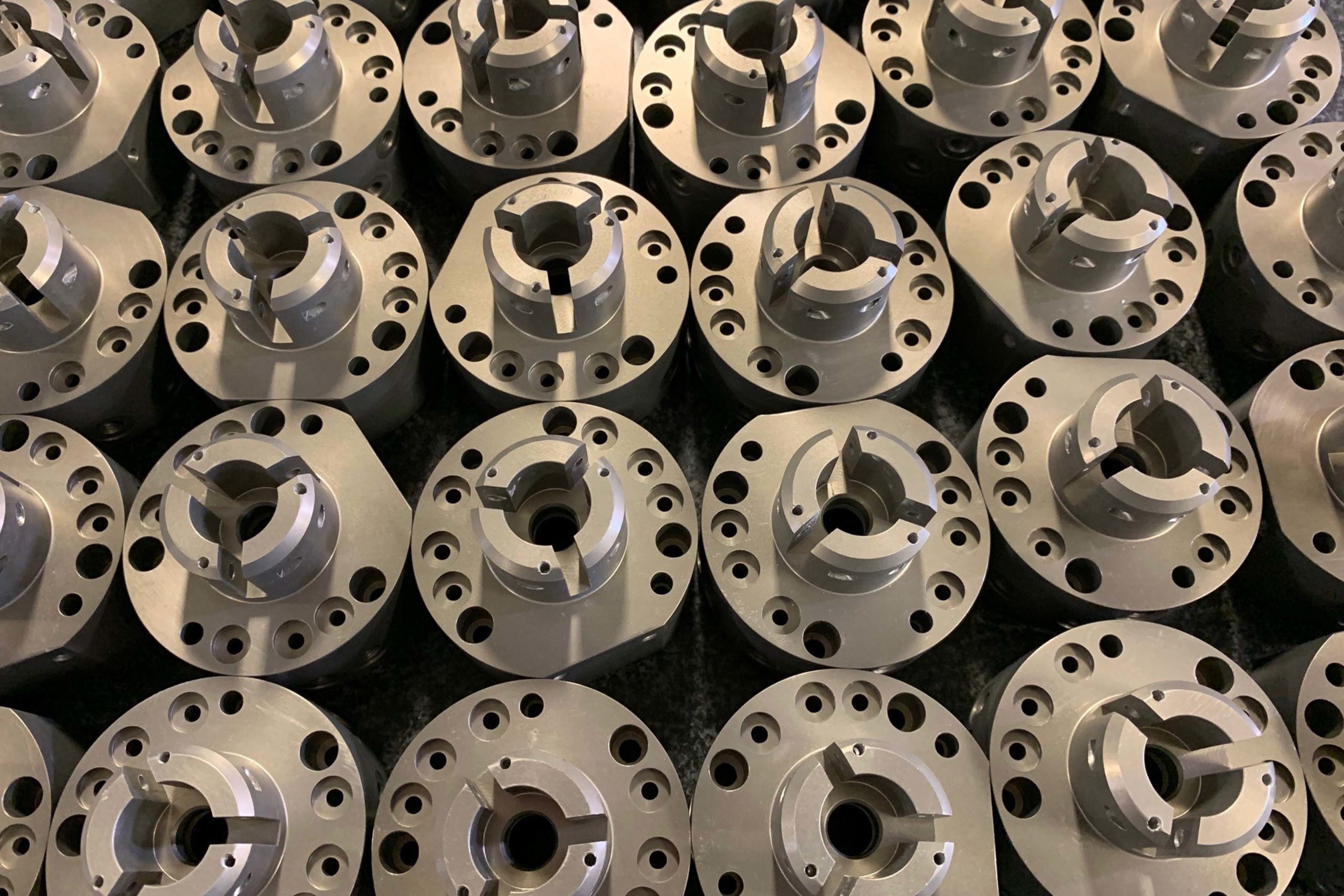
Looking for precision CNC machined auto parts manufactured to strict tolerances and high reliability standards? Honyo Prototype delivers automotive components with fast turnaround and consistent quality, supporting both prototyping and low-volume production.
Our Shenzhen-based factory is equipped with advanced CNC machining centers and staffed by experienced engineers focused on meeting the demanding requirements of the automotive industry.
For quotes and technical consultations, contact Susan Leo at [email protected]. Let’s discuss how we can support your next automotive project with precision-engineered solutions.
🚀 Rapid Prototyping Estimator
Estimate rough cost index based on volume.