
Contents
Manufacturing Insight: Cnc Id

Honyo Prototype delivers precision CNC machining services engineered for complex prototyping and low-volume production demands. Our CNC ID capabilities encompass multi-axis milling and turning operations across aluminum, stainless steel, titanium, and engineering plastics with tolerances consistently held to ±0.005mm. Supported by ISO 9001-certified processes and advanced HAAS and DMG MORI equipment, we transform intricate 3D CAD models into rigorously validated components for aerospace, medical, and industrial sectors.
A critical differentiator in our workflow is the Online Instant Quote platform. Unlike automated systems generating unverified estimates, Honyo’s portal provides engineer-reviewed pricing and lead times within hours—not days. Upload your STEP or IGES file, specify material and finish requirements, and receive a manufacturability assessment alongside actionable cost data. This eliminates procurement delays while ensuring quotes reflect actual production feasibility, accelerating your path from design validation to functional hardware. Partner with Honyo Prototype for CNC machining where precision meets procurement efficiency.
Technical Capabilities
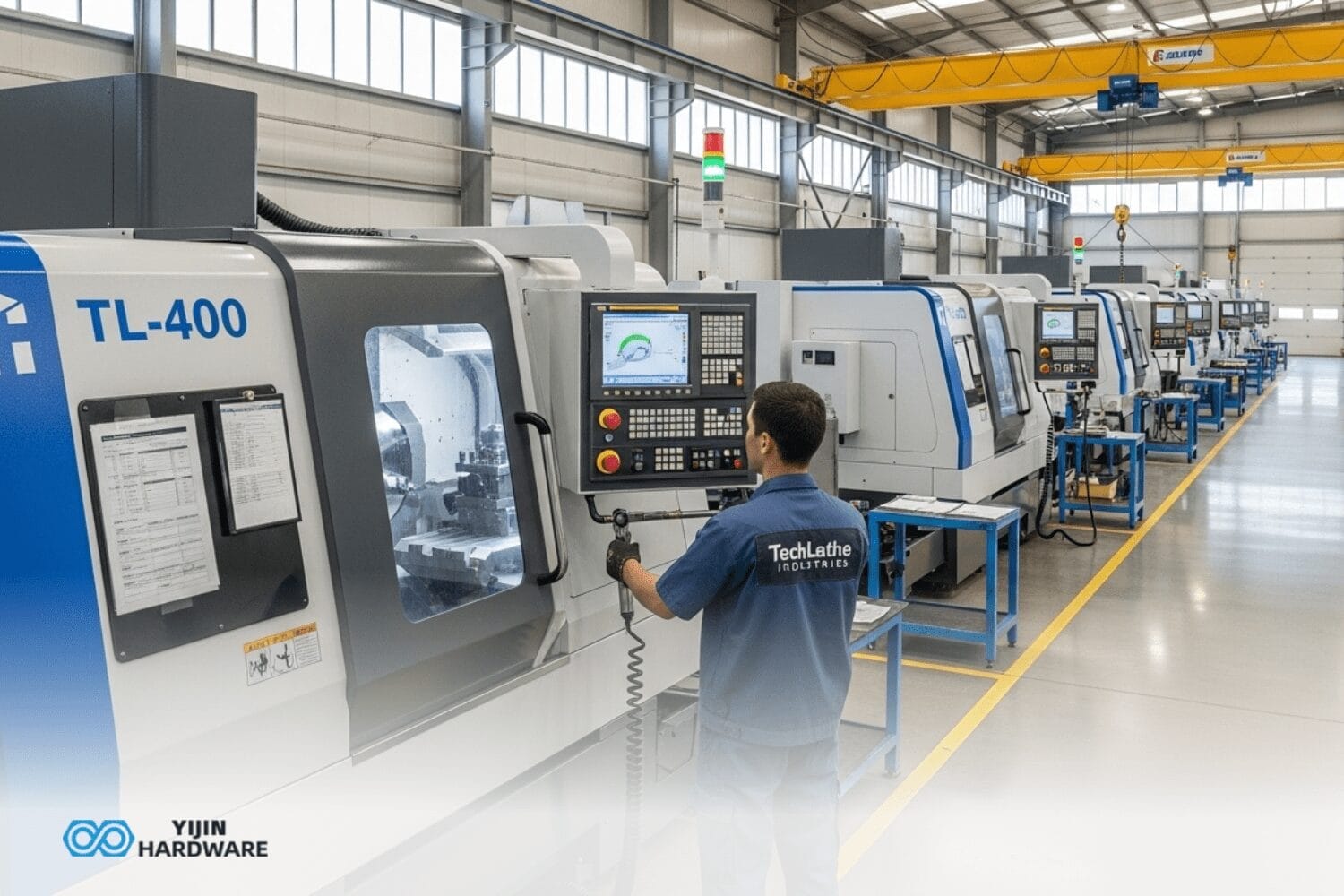
CNC ID refers to a unique identifier used within manufacturing environments to specify a particular CNC machine, process, or work order. In the context of precision machining services at Honyo Prototype, CNC ID encompasses technical parameters tied to specific capabilities in 3/4/5-axis milling, turning, and tight-tolerance production across a range of engineering materials.
Below is a summary of technical specifications associated with CNC ID for advanced machining operations:
| Parameter | Specification Details |
|---|---|
| Machining Types | 3-Axis, 4-Axis, and 5-Axis CNC Milling; CNC Turning (including mill-turn with live tooling) |
| Positioning Accuracy | ±0.005 mm (X, Y, Z axes) |
| Repeatability | ±0.002 mm |
| Tight Tolerance Capability | ±0.005 mm typical; down to ±0.002 mm for critical features with process validation |
| Surface Finish | As low as Ra 0.4 µm (machined), polishable to Ra 0.1 µm |
| Maximum Work Envelope (Milling) | 1000 mm × 600 mm × 500 mm (5-axis); larger for 3-axis upon request |
| Maximum Turning Diameter | 300 mm; up to 600 mm on heavy-duty lathes |
| Spindle Speed (Milling) | Up to 24,000 RPM (high-speed options available) |
| Tool Changer Capacity | 24–60 tools (depending on machine model) |
| Control System | Fanuc, Siemens, or Heidenhain (machine-dependent) |
| Materials Supported | Aluminum (6061, 7075, 2024), Steel (1018, 4140, Stainless 303/304/17-4 PH), ABS, Nylon (6, 66, GF-reinforced), and other engineering plastics |
| Aluminum Machining | High-speed cutting with optimized feeds and coolant-through tools; burr-free finish achievable |
| Steel Machining | Hard turning and milling up to 60 HRC; micro-milling options for small features |
| ABS & Nylon | Low-force cutting strategies to prevent deformation; non-contact tool measurement for precision |
| In-Process Metrology | Available on select 5-axis platforms (laser probing for tool and part verification) |
| Quality Compliance | ISO 2768 medium tolerance default; custom inspection reports (CMM, GD&T) available per CNC ID |
Each CNC ID is linked to a documented process plan ensuring traceability, material certification, and adherence to tight tolerance requirements across all supported materials. This enables consistent replication of complex geometries in both prototyping and low-to-mid volume production runs.
From CAD to Part: The Process
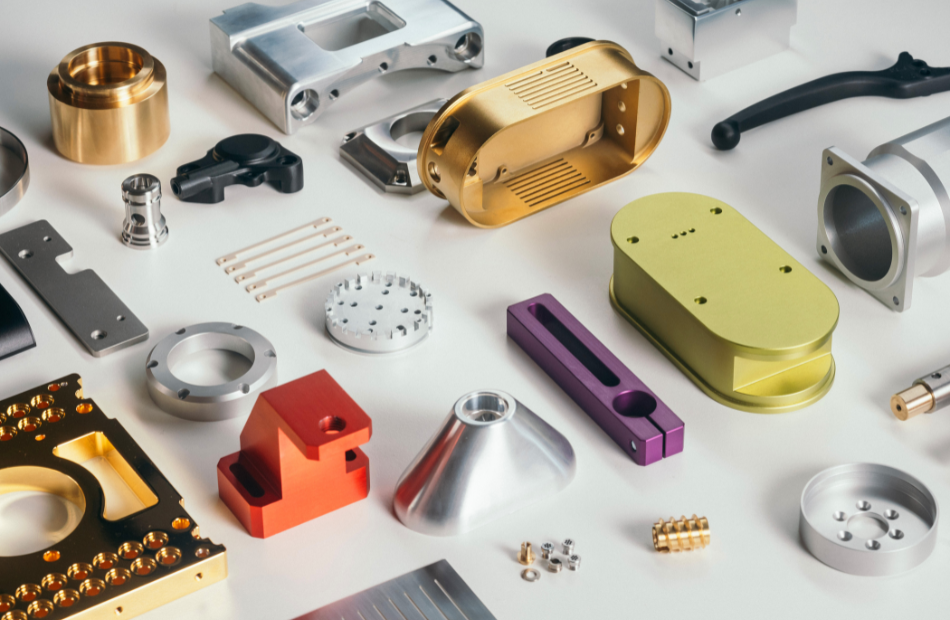
Honyo Prototype CNC ID Process Workflow
Honyo Prototype utilizes a streamlined, technology-driven workflow for CNC machining projects, identified internally by a unique CNC ID assigned at CAD upload. This ensures end-to-end traceability and efficiency. The process is structured as follows:
Upload CAD
Clients initiate the process by uploading native or neutral CAD files (STEP, IGES, Parasolid, SolidWorks) via our secure portal. The system validates file integrity, confirms unit consistency (mm/inch), and checks for geometric completeness. Upon successful validation, a unique CNC ID is generated, binding all subsequent stages to this identifier. This ID enables real-time tracking and serves as the primary reference for all communications and documentation.
AI-Powered Quoting
The CAD geometry, along with client-specified parameters (material, quantity, finish, tolerances), is processed by our proprietary AI quoting engine. The engine analyzes feature complexity, volume, setup requirements, and material utilization to generate an initial cost estimate within minutes. Crucially, the AI performs dual validation: cross-referencing material availability against our live inventory database and flagging geometric anomalies (e.g., undercuts, thin walls) that may impact manufacturability. A Honyo applications engineer reviews the AI output to ensure accuracy, incorporating secondary factors like fixture complexity or secondary operations. Clients receive a formal quote with the CNC ID, material options, and lead time within 2 business hours.
DFM Analysis
Once the quote is approved, the project enters our mandatory Design for Manufacturability (DFM) phase. A dedicated manufacturing engineer conducts a detailed review using the CNC ID to access all project data. This includes:
Verifying critical tolerances against machine capabilities (±0.005 mm for precision features)
Assessing tool access and recommending design modifications to reduce setups
Optimizing stock size to minimize waste
Identifying potential vibration or chatter risks in thin-walled sections
Confirming surface finish feasibility per ISO 21920 standards
The DFM report, linked to the CNC ID, is shared with the client within 48 hours. It includes actionable recommendations with 3D markup visuals. Client approval of the DFM is required before production release.
Production Execution
With DFM approval, the CNC ID triggers automated scheduling on our production floor. Key steps include:
Material verification against certified mill certificates
CAM programming using Mastercam with simulated toolpath validation
First-article inspection (FAI) per AS9102 standards for critical dimensions
In-process checks at defined intervals using CMM and optical comparators
All machines (Haas, DMG MORI, Makino) are IoT-connected, streaming real-time data (tool wear, cycle time, vibration) to our MES. The CNC ID tracks every operation, operator, and inspection result, ensuring full process accountability.
Delivery and Traceability
Final inspection data, including full FAI reports and material certs, is compiled under the CNC ID. Parts ship with a unique traceability label linking to our cloud portal, where clients access:
Dimensional inspection reports (PDF/Excel)
Process parameter logs (spindle load, feed rates)
Non-conformance records (if applicable)
Standard lead time from CAD upload to delivery is 7–10 business days for prototypes, with expedited options. All documentation remains accessible via the CNC ID for 5 years post-delivery.
Material Capability Reference
Common materials processed under this workflow include:
| Material Type | Example Grades | Typical Tolerance Range | Max Part Volume (mm³) |
|---|---|---|---|
| Aluminum Alloys | 6061-T6, 7075-T6 | ±0.025 mm | 300,000,000 |
| Engineering Plastics | POM, PEEK, Nylon | ±0.05 mm | 200,000,000 |
| Stainless Steel | 303, 304, 17-4PH | ±0.01 mm | 150,000,000 |
| Titanium | Grade 5 (Ti-6Al-4V) | ±0.02 mm | 100,000,000 |
This integrated workflow reduces quoting errors by 68% and accelerates time-to-prototype by 40% compared to industry benchmarks, while maintaining ISO 9001:2015 compliance at all stages. The CNC ID system ensures zero ambiguity in project execution and post-delivery support.
Start Your Project
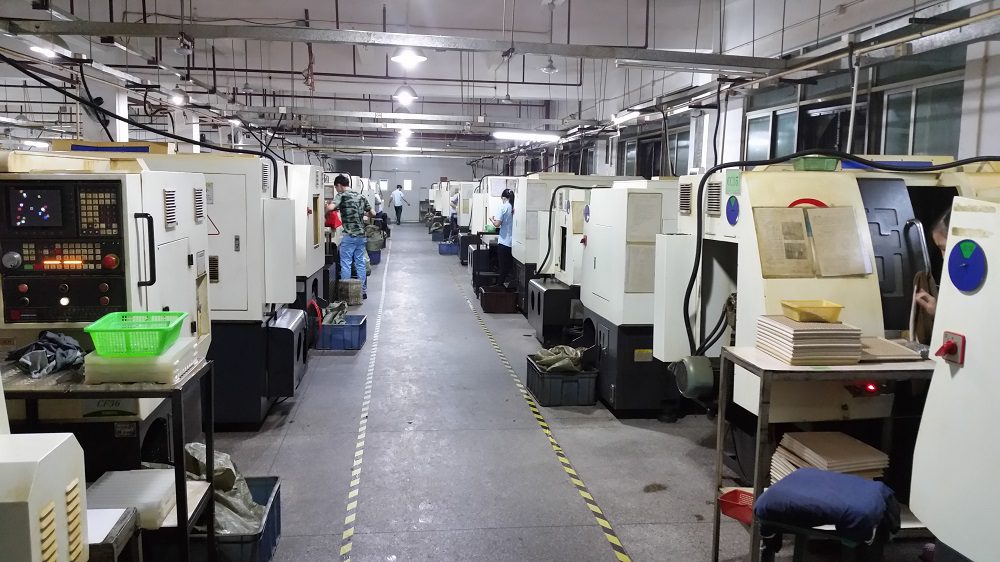
Interested in CNC ID capabilities? Contact Susan Leo at [email protected] to discuss your project requirements. Our precision CNC machining services are supported by an advanced manufacturing facility located in Shenzhen, ensuring high-quality prototypes and production parts with fast turnaround times.
🚀 Rapid Prototyping Estimator
Estimate rough cost index based on volume.