
Contents
Manufacturing Insight: Cnc Cutter Diy
Bridging the Gap Between DIY CNC Concepts and Precision Manufacturing Execution
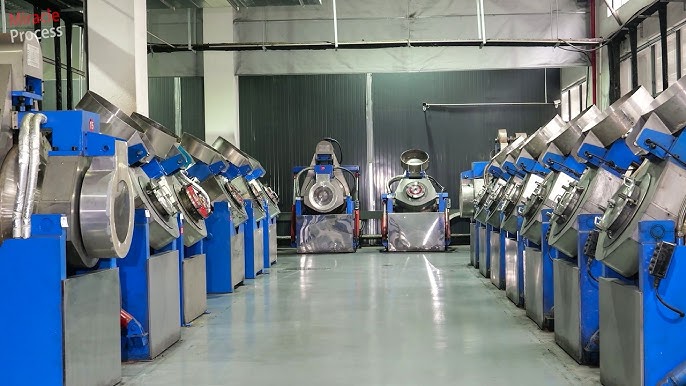
Many innovators begin their journey with desktop CNC cutters for prototyping and small-scale fabrication. While these tools offer valuable hands-on experience, they often encounter limitations in dimensional accuracy, material versatility, and repeatability when scaling to functional prototypes or low-volume production. At Honyo Prototype, we specialize in transforming early-stage CNC cutter DIY concepts into rigorously engineered components through industrial-grade CNC machining services. Our 3-axis, 4-axis, and 5-axis milling and turning centers operate under strict ISO 9001-controlled processes, achieving tolerances down to ±0.0002 inches across metals, engineering plastics, and composites.
Unlike hobbyist-grade systems constrained by spindle power and workspace size, Honyo’s facility leverages high-torque machining centers capable of handling complex geometries in materials ranging from aluminum 6061-T6 and stainless steel 304 to PEEK and polycarbonate. This ensures your design intent is preserved without the compromises inherent in DIY setups—where vibration, thermal drift, or tool deflection can undermine critical features. Our engineering team collaborates directly with clients to optimize part designs for manufacturability, reducing lead times while maintaining structural integrity and surface finish requirements.
Transitioning from prototype to production should never stall at the quoting stage. Honyo Prototype’s Online Instant Quote platform provides validated machining cost estimates in under 60 seconds, using AI-driven analysis of your STEP or IGES file. This eliminates traditional RFQ delays, giving engineers and procurement teams immediate visibility into pricing, lead times, and material options—all without manual intervention. For projects demanding precision beyond DIY capabilities, Honyo delivers the reliability, scalability, and technical rigor required to move from concept to certified component.
Material & Tolerance Capabilities Summary
| Parameter | Honyo Industrial CNC | Typical DIY CNC Cutter |
|——————–|———————-|————————|
| Max Tolerance | ±0.0002 in (5µm) | ±0.005 in (127µm) |
| Metals Supported | Titanium, Inconel, Tool Steel | Aluminum, Soft Woods Only |
| Max Work Envelope | 2000 x 1000 x 800 mm | < 500 x 500 x 100 mm |
| Surface Finish | Ra 0.8 µm achievable | Ra 6.3 µm typical |
Technical Capabilities
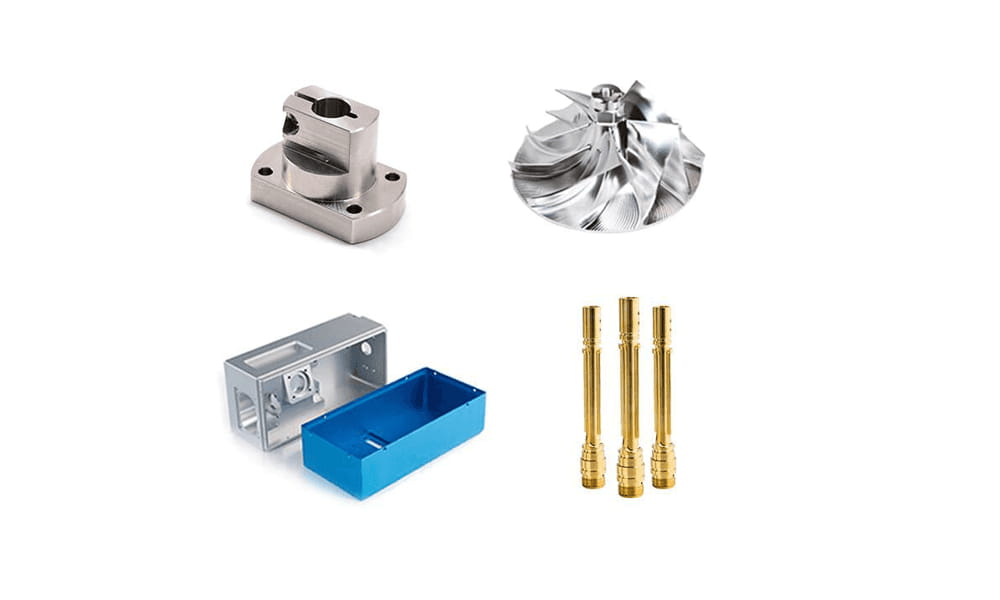
Technical specifications for a DIY CNC cutter capable of 3/4/5-axis milling and turning operations with tight tolerance requirements involve precision components, robust mechanical design, and advanced control systems. These machines are typically built for prototyping and low-volume production, supporting materials such as aluminum, steel, ABS, and nylon. Below is a detailed summary of key technical specifications.
General Capabilities Overview
| Specification | Description |
|---|---|
| Machining Axes | 3-axis standard (X, Y, Z); upgradeable to 4-axis (A-rotary) and 5-axis (A and B/C rotary) via additional rotary tables or trunnion setups |
| Turning Capability | Integrated spindle with live tooling support for mill-turn configurations; requires chuck and tailstock for cylindrical workholding |
| Positioning Accuracy | ±0.01 mm (±0.0004″) for high-end DIY builds using precision ball screws and linear guides |
| Repeatability | ±0.005 mm (±0.0002″) with proper calibration and thermal stability |
| Spindle Speed Range | 5,000 – 24,000 RPM (depending on spindle type: air-cooled or water-cooled ER collet system) |
| Spindle Power | 1.5 kW – 2.2 kW for aluminum and plastics; up to 5 kW for steel machining |
| Control System | Arduino-based (GRBL), LinuxCNC, or dedicated controllers (e.g., Mach4 with ESS/UC100); supports G-code and CAD/CAM integration |
| Tool Changer | Optional automatic tool changer (ATC) with 6–12 tool capacity for unattended operation |
| Work Envelope (Typical) | 300 x 300 x 150 mm (X, Y, Z) for benchtop units; scalable to 600 x 600 x 300 mm for larger builds |
| Lead Mechanism | High-precision ball screws (C5 class or better) or ground rack and pinion for long-axis travel |
| Guidance System | Linear rails (e.g., HGR20 or SBR20) with preloaded blocks for rigidity and minimal backlash |
| Frame Material | Steel or aluminum extrusion (80/20 or MakerSlide) with reinforced bracing for vibration damping |
| Coolant System | Mist or flood coolant optional; essential for steel and nylon to prevent melting and tool wear |
| Software Compatibility | Fusion 360, Mastercam, SolidWorks CAM, or CAMBAM for toolpath generation; post-processors for multi-axis support |
Material Machining Performance
| Material | Max Cutting Feed (mm/min) | Spindle Speed (RPM) | Tooling Recommendation | Notes |
|---|---|---|---|---|
| Aluminum (6061, 7075) | 1,500 – 3,000 | 12,000 – 18,000 | 2-4 flute carbide end mill, TiAlN coating | Use flood coolant for deep pockets; climb milling preferred |
| Steel (Mild, Hardened) | 300 – 800 | 5,000 – 8,000 | 4-6 flute carbide or HSS with corner radius | Rigidity critical; slow feed rates for tight tolerance |
| ABS (Plastic) | 2,000 – 4,000 | 15,000 – 20,000 | 2-flute sharp end mill, polished flute | Avoid heat buildup; use air blast for chip removal |
| Nylon (PA6, PA66) | 1,500 – 2,500 | 10,000 – 15,000 | 2-flute carbide with high rake angle | Clamp securely; prone to deformation under heat/pressure |
Tolerance and Surface Finish
| Parameter | Typical Performance |
|---|---|
| Dimensional Tolerance | ±0.025 mm (±0.001″) routinely achievable; ±0.01 mm possible with calibration and thermal control |
| Surface Roughness (Ra)** | 0.8 – 3.2 µm depending on material, feed, and tool condition |
| Minimum Feature Size | 0.5 mm with micro-end mills (requires vibration control) |
| Angular Accuracy (4/5-axis)** | ±0.05° with calibrated rotary axes and proper backlash compensation |
Notes
Achieving tight tolerances requires regular maintenance, thermal compensation, and rigid fixturing.
5-axis operation demands synchronized motion control and collision-aware CAM programming.
Material choice impacts tool life and cutting parameters; steel requires slower feeds and more robust spindle support.
DIY builds benefit from incremental upgrades: start with 3-axis milling, then add rotary modules for 4th and 5th axes.
This specification set reflects a high-performance DIY CNC system suitable for precision prototyping in engineering and product development environments.
From CAD to Part: The Process
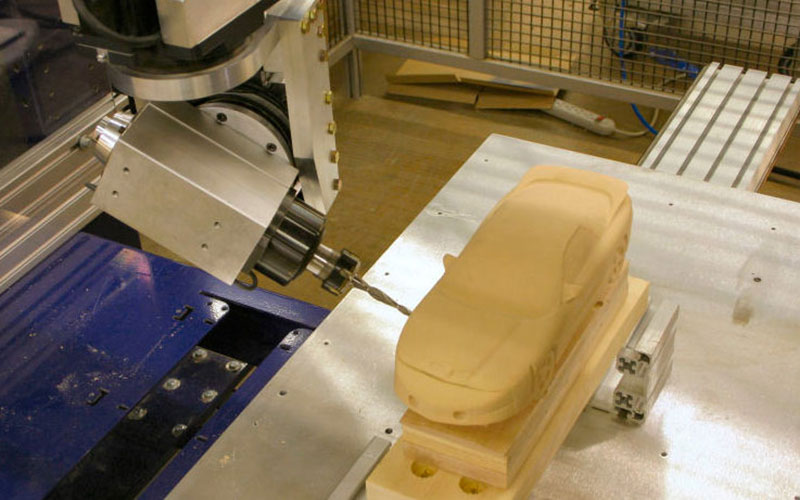
Honyo Prototype provides a professional CNC machining service for industrial clients, not a true DIY solution. Our streamlined process ensures precision, quality, and efficiency for production-grade parts. Below is the accurate technical workflow for our CNC machining service:
CAD File Upload
Clients initiate the process by uploading native CAD files (STEP, IGES, Parasolid) or 2D engineering drawings via our secure customer portal. We require complete geometric data, tolerances, material specifications, and surface finish requirements. File validation checks ensure compatibility with our CAM systems before proceeding.
AI-Powered Quoting Engine
Uploaded designs enter our proprietary AI quoting system, which analyzes geometric complexity, material utilization, machine time, and secondary operations. The algorithm cross-references real-time data on material costs, tooling availability, and shop floor capacity. Within 2 hours, clients receive a detailed quote including per-part pricing, lead time estimate, and material cost breakdown. Critical notes on potential manufacturability risks are highlighted for engineering review.
Engineer-Validated DFM Analysis
All quotes trigger mandatory Design for Manufacturability review by our senior manufacturing engineering team. This phase examines:
Wall thickness consistency below 0.8mm
Internal corner radii relative to tool diameter
Tolerance stack-up feasibility per ISO 2768-mK
Optimal workholding strategy
Material waste reduction opportunities
We provide actionable DFM feedback within 24 business hours, including suggested geometry modifications to reduce costs by 15-30% without compromising function. Client approval is required before production.
Precision CNC Production
Approved designs move to our climate-controlled machine shop featuring:
5-axis milling centers (DMG MORI, Haas)
Live-tool turning centers (Mazak, Okuma)
In-process probing for <±0.005mm tolerances
Real-time SPC monitoring per AS9102 standards
Each lot undergoes first-article inspection (FAI) with full CMM reporting. Secondary operations including deburring, anodizing, and laser marking occur in-house with NADCAP-certified partners for critical finishes.
Quality-Assured Delivery
Final shipment includes:
Dimensional inspection report (per ASME Y14.5)
Material certification (mill test reports)
Traceability documentation (heat/lot numbers)
Protective packaging meeting ISTA 3A standards
Parts ship via DHL/FedEx with real-time GPS tracking. Standard lead time is 7-10 business days for quantities under 500 units, with expedited 72-hour options available for qualified programs.
This integrated workflow reduces time-to-part by 40% compared to traditional machine shops while maintaining ISO 9001:2015 quality compliance. Our process eliminates true DIY risks through engineering oversight at every critical juncture, ensuring production-ready components for demanding industrial applications.
Start Your Project
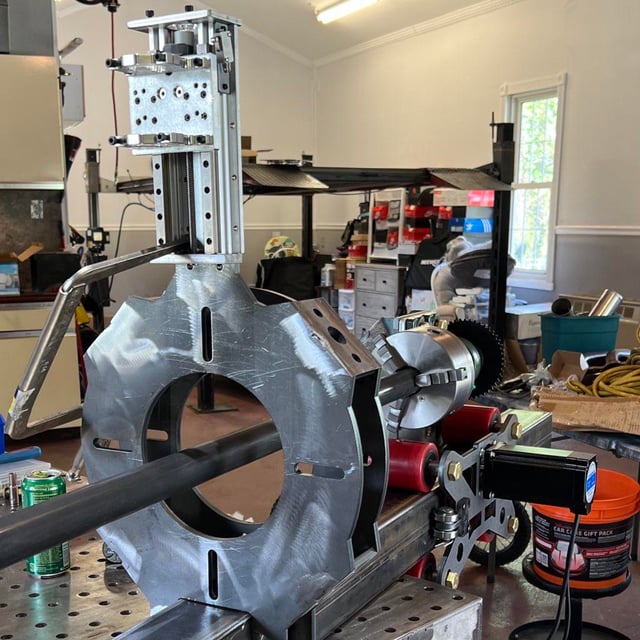
Looking to source high-precision CNC cutters for your DIY projects? Honyo Prototype offers reliable, industrial-grade CNC machining solutions tailored for prototyping and small-batch production.
Our manufacturing facility is located in Shenzhen, leveraging advanced equipment and strict quality control to deliver accurate, repeatable results—ideal for makers, engineers, and hardware startups.
For inquiries or custom quotes, contact Susan Leo at [email protected]. Let’s bring your designs to life with professional CNC cutting you can trust.
🚀 Rapid Prototyping Estimator
Estimate rough cost index based on volume.