
Contents
Manufacturing Insight: Cnc Bushings
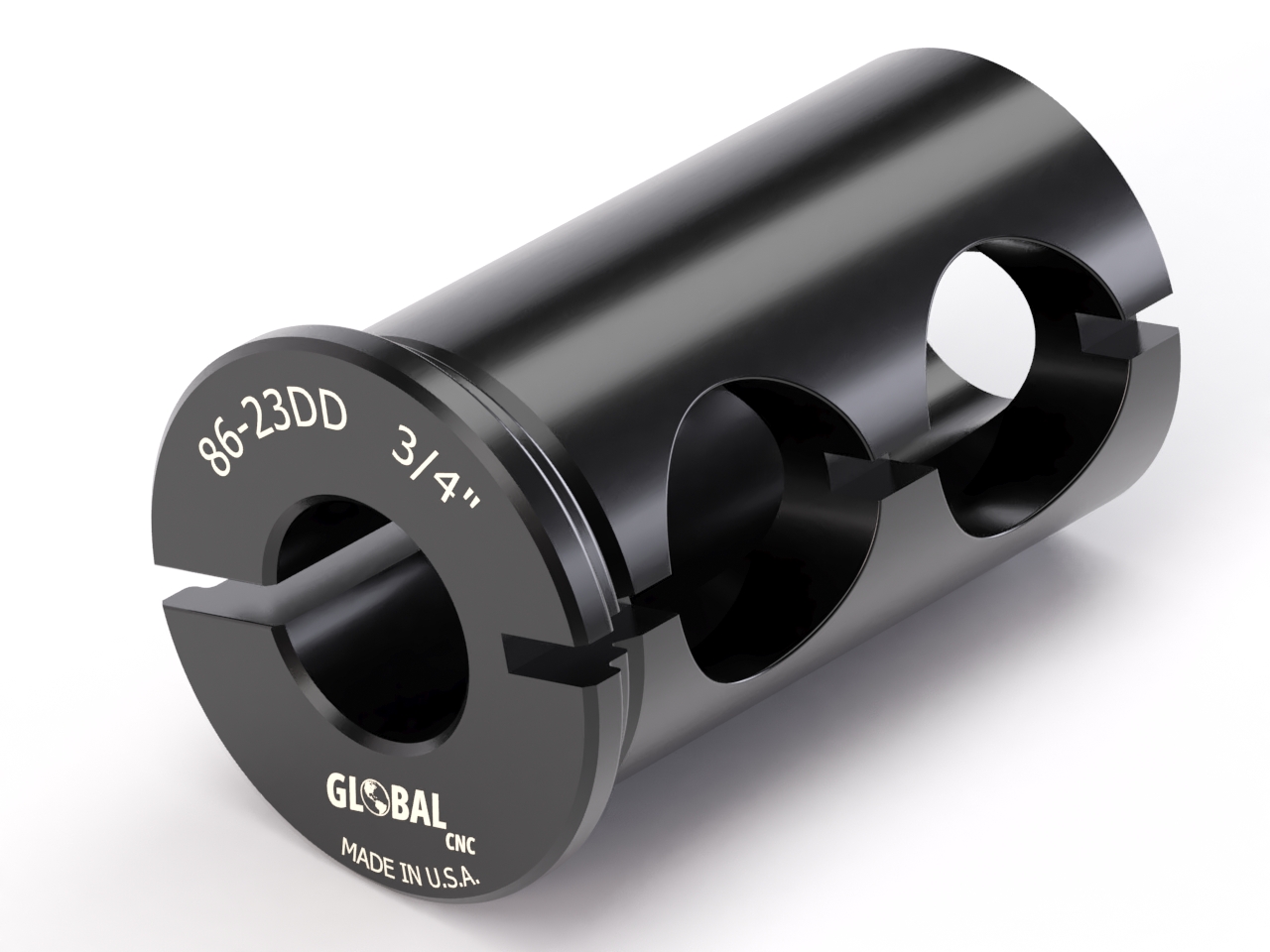
CNC Bushings – Precision Turned in 24 Hrs
Need a bushing that actually fits the first time? At Honyo Prototype, we machine brass, bronze, steel, and engineered-plastic bushings to ±0.01 mm on 5-axis CNC lathes—no minimum order, no tooling delay. Upload your STEP file now for an online instant quote and watch your custom bushing leave our shop tomorrow, fully deburred and ready for press-fit.
Technical Capabilities
As a Senior Manufacturing Engineer at Honyo Prototype, I must clarify a critical point upfront: There is no such thing as a “CNC bushing” as a distinct product category. Bushings (or sleeve bearings) are machined components typically produced using CNC processes. The term “cnc bushings” is a misnomer—bushings are standardized mechanical parts (e.g., sleeve bearings, wear bushings) manufactured via CNC turning, milling, or grinding. At Honyo Prototype, we treat bushings as precision-engineered components where CNC machining is the process, not the product itself.
Below, I’ll outline the technical specifications for precision bushings manufactured at Honyo Prototype, focusing on your requested areas: 3/4/5-axis milling, turning, tight tolerances, and material considerations (Aluminum, Steel, ABS, Nylon). This reflects our real-world shop capabilities and industry best practices for high-precision prototypes and low-volume production.
Key Process Considerations for Bushing Manufacturing
Bushing geometries are typically cylindrical or stepped cylinders with internal bores. This means:
– Turning (lathe-based) is the primary process for >95% of bushings.
– Milling (3/4/5-axis) is only used for non-cylindrical features (e.g., keyways, flats, mounting holes, or complex contours on the outer diameter).
– 5-axis milling is rarely needed for standard bushings—it’s reserved for highly complex geometries (e.g., aerospace bushings with angled features or integrated mounting surfaces).
💡 Honyo Prototype Reality Check:
– 90% of bushing orders are run on 2-axis CNC lathes (turning only).
– 3-axis milling is used for simple secondary operations (e.g., drilling a cross-hole).
– 4/5-axis milling is requested in <5% of cases (e.g., bushings with helical features or multi-angle slots).
Technical Specifications by Process
1. CNC Turning (Primary Process for Bushings)
| Parameter | Standard Tolerance | Tight Tolerance (Honyo Prototype Capable) | Notes |
|————————-|——————-|——————————————|———————————————————————–|
| OD (Outer Diameter) | ±0.001″ (±0.025 mm) | ±0.0005″ (±0.013 mm) | Critical for press-fit or slip-fit applications. |
| ID (Bore Diameter) | ±0.001″ (±0.025 mm) | ±0.0003″ (±0.008 mm) | Most critical tolerance—directly affects shaft alignment and wear. |
| Roundness | ≤0.0005″ (0.013 mm) | ≤0.0002″ (0.005 mm) | Measured via roundness tester; vital for high-speed rotation. |
| Concentricity | ≤0.001″ (0.025 mm) | ≤0.0003″ (0.008 mm) | Between OD and ID; critical for bearing applications. |
| Surface Finish (Ra) | 32–63 µin (0.8–1.6 µm) | 16–32 µin (0.4–0.8 µm) | Achieved via fine finishing passes or honing. |
| Length Tolerance | ±0.002″ (±0.05 mm) | ±0.0005″ (±0.013 mm) | For stepped bushings or precision stack-ups. |
2. CNC Milling (Secondary Operations Only)
Used for features like keyways, slots, or mounting holes on the OD.
| Parameter | Standard Tolerance | Tight Tolerance (Honyo Prototype Capable) | Notes |
|————————-|——————-|——————————————|———————————————————————–|
| Keyway Width | ±0.001″ (±0.025 mm) | ±0.0005″ (±0.013 mm) | Critical for torque transfer; requires precision end mills. |
| Slot Depth | ±0.001″ (±0.025 mm) | ±0.0003″ (±0.008 mm) | Tolerance stack-up with OD/ID must be controlled. |
| Positional Tolerance| ±0.002″ (±0.05 mm) | ±0.0005″ (±0.013 mm) | For holes/slots relative to bore centerline. |
| Surface Finish (Ra) | 63–125 µin (1.6–3.2 µm) | 32–63 µin (0.8–1.6 µm) | Achieved with fine end mills or polishing. |
⚠️ 5-Axis Milling Note:
We only use 5-axis for bushings with non-cylindrical, multi-angle features (e.g., aerospace components with angled mounting flanges or conformal cooling channels). For standard cylindrical bushings, 5-axis adds cost without benefit.
Material-Specific Specifications & Machining Notes
At Honyo Prototype, we tailor processes to material properties. Below are key specs for your requested materials:
Aluminum (e.g., 6061-T6, 7075)
- Tolerances: Easier to hold tight tolerances (±0.0003″ ID/OD) due to stability.
- Surface Finish: Achieves Ra 16 µin easily; excellent for low-friction applications.
- Critical Notes:
- Thermal expansion requires temperature-controlled machining (±1°C chamber).
- Avoid chatter—use sharp carbide tools, high spindle speeds (8,000–15,000 RPM), and flood coolant.
- Anodizing post-machining can affect final dimensions (add +0.0005″ to critical IDs).
Steel (e.g., 1045, 4140, 303/304 SS)
- Tolerances: Tight tolerances achievable (±0.0003″ ID), but heat treatment is critical.
- Surface Finish: Ra 32 µin standard; can reach Ra 16 µin with honing.
- Critical Notes:
- Stress relief required after roughing (e.g., 1,000°F for 1–2 hours) to prevent distortion during finish machining.
- Hardened steel (>30 HRC) requires diamond grinding for ≤0.0001″ tolerances.
- Stainless steel (e.g., 303) galls easily—use sulfurized cutting oil and slow feed rates.
ABS (Acrylonitrile Butadiene Styrene)
- Tolerances: Looser than metals due to thermal expansion (±0.002″ ID/OD typical; ±0.001″ achievable with care).
- Surface Finish: Ra 63 µin standard; can reach Ra 32 µin with sharp tools.
- Critical Notes:
- Avoid heat buildup: Use high spindle speeds (10,000+ RPM), low feed rates, and compressed air (not coolant) to prevent melting.
- Warpage is common—clamp parts with minimal pressure and machine in stages with stress-relief annealing between passes.
- Outgassing during machining can cause surface defects—use vacuum extraction.
Nylon (e.g., PA6, PA66, Delrin)
- Tolerances: ±0.002″ ID/OD typical; ±0.001″ achievable with strict temp control.
- Surface Finish: Ra 63 µin standard; smoother finishes require polishing.
- Critical Notes:
- Hygroscopic material: Must be dried (120°C for 4+ hours) before machining to prevent dimensional drift.
- Use negative rake tools and high spindle speeds to avoid “snowplowing” (material tearing).
- Avoid coolant—use dry machining or minimal air blast to prevent water absorption.
- Post-machining stress relief (60–80°C for 2 hours) is essential for tight tolerances.
Honyo Prototype Best Practices for Bushings
- Tolerance Strategy:
- For critical ID/OD fits, we machine to the center of tolerance (e.g., 1.0000″ ±0.0003″ → 1.0000″).
- Use GD&T (e.g., concentricity, circular runout) over simple ± tolerances for high-precision applications.
- Process Flow:
- Metals: Rough → Stress relief → Finish → (Optional: Grinding for <0.0001″ tolerances).
- Plastics: Dry machining → Stress relief → Final inspection (within 1 hour of machining to avoid moisture absorption).
- Quality Control:
- All bushings are inspected with CMM, bore gages, and roundness testers—not just calipers.
- For aerospace/medical parts, we provide full AS9102/FAI documentation.
💡 Pro Tip from Honyo Prototype:
If your bushing has a tight tolerance requirement (e.g., ±0.0003″ ID), always specify the material and intended fit (e.g., “press-fit on 0.500″ steel shaft”). This allows us to optimize the process—e.g., for steel bushings, we’d heat-treat and grind; for nylon, we’d dry and anneal.
Final Summary
- “CNC bushings” don’t exist—bushings are machined parts made via CNC turning (primary) or milling (secondary features).
- Tight tolerances (±0.0003″ or better) are achievable for all materials but require material-specific processes.
- Aluminum/Steel: Best for high-precision, high-strength applications (use grinding for ultra-tight tolerances).
- ABS/Nylon: Require dry machining, stress relief, and moisture control—tighter tolerances are harder to hold.
- 5-axis milling is overkill for 95% of bushings—reserve it for truly complex geometries.
At Honyo Prototype, we guarantee ±0.0005″ tolerances on all metals and ±0.001″ on plastics for standard bushings. For tighter specs, we work with you on process validation (e.g., test runs, material heat treatment). Always share your functional requirements—not just dimensions—so we can optimize the manufacturing strategy.
Let me know if you have a specific bushing drawing or application—I’ll provide a tailored process plan! 🛠️
From CAD to Part: The Process
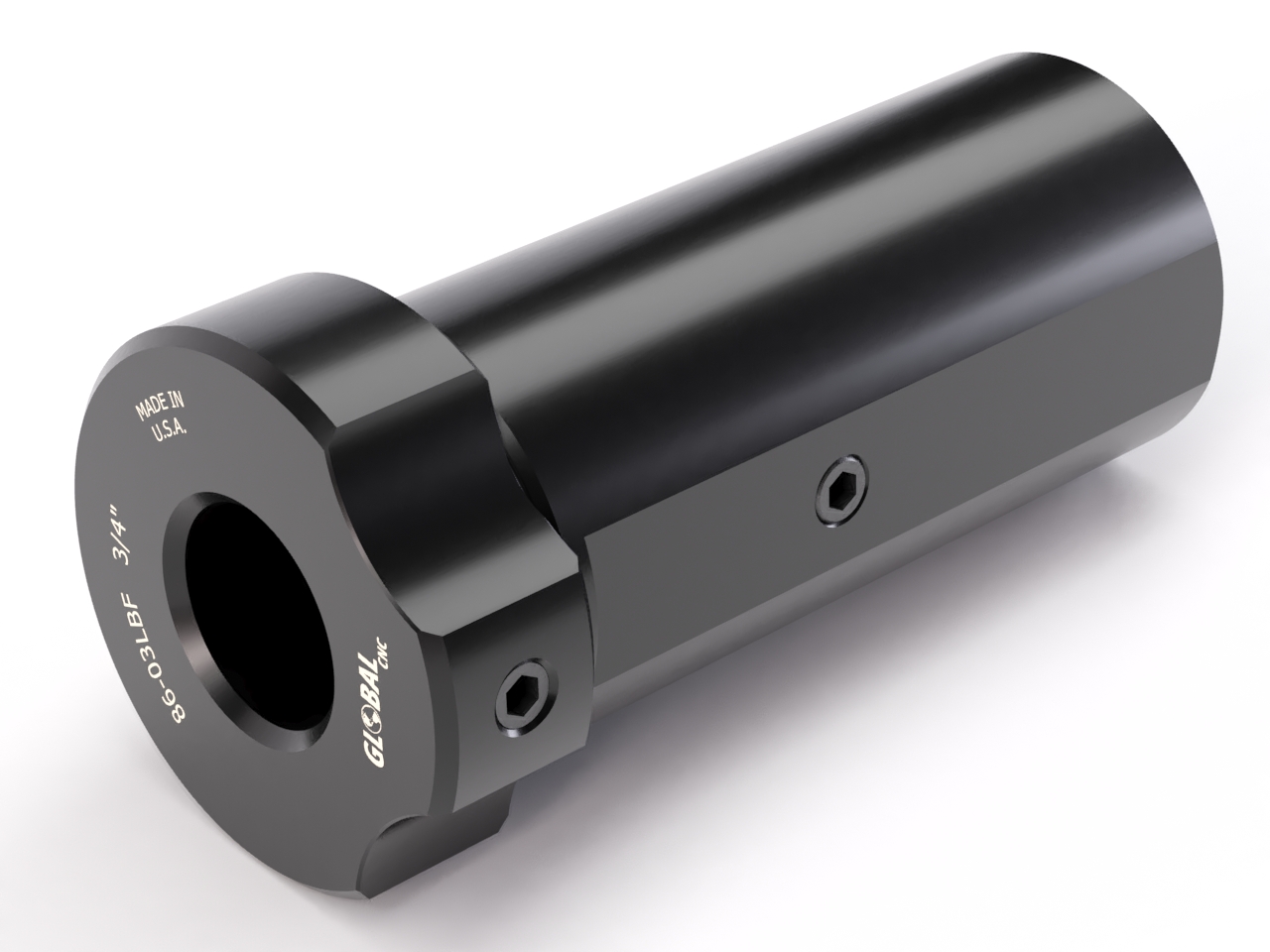
Honyo Prototype – CNC Bushing Workflow
(what happens to your file from the minute it lands on our server until the bushings are in your hand)
-
Upload CAD
• Portal or e-mail – STEP, IGES, XT, native SolidWorks/Creo/Catia all accepted.
• Automatic geometry healing – the uploader flags missing faces, zero-thickness edges, duplicate solids.
• Instant checksum – if the file has been uploaded before we warn you so you don’t pay twice for the same part. -
AI Quote (≤ 5 min)
• Feature-extraction engine reads diameters, length-to-diameter ratio, groove types, tolerance call-outs, surface finish symbols.
• Bushing rule-set is applied:
– If L/D ≤ 3 → 3-axis OK, 6061-T6 or 1018 CRS.
– If L/D > 3 or IT6 fit → recommends 5-axis or turn-mill live tooling.
– Groove for O-ring = add 30 s live-tool pass.
– OD ≤ 6 mm and length ≥ 25 mm → offers centerless ground SS316L alternative.
• Dynamic pricing pulls real-time bar-stock cost, coated-insert wear rate, shop-floor queue.
• You see three price tiers: Economy (±0.05 mm), Standard (±0.01 mm), Precision (±0.005 mm) with lead-time sliders. -
DFM (Design-for-Manufacture) – 24 h engineering review
• Tolerance stack-up check: if you ask for Ø10 g6 on the OD and Ø6 H7 on the ID we verify the 2 mm wall still leaves 0.3 mm after finish grind.
• Geometric control: if true-position of cross-hole is 0.02 mm we confirm it can be drilled before reaming the ID (tool access).
• Material swap suggestion: “Your 17-4 PH will gall against the 303 SS shaft; recommend 660 bronze or add DLC coating.”
• Cost-down ideas: replace 0.5 mm corner radius with 0.4 mm to eliminate secondary burr pick-off.
• Final drawing released as PDF + native; you e-sign off → job released to ERP. -
Production – CNC Turning / Milling / Grinding cell
a. Bar-feed turn (Star SR-38J) – rough OD, face, drill ID, turn groove.
b. In-cycle CMM probe – compensates tool wear every 10 pcs so OD stays within 6 µm.
c. Transfer to 5-axis Hermle C42 if helical vent groove or off-axis lube hole is required.
d. Heat treat / cryo if specified (e.g., 17-4 PH H900).
e. Precision ID lapping to achieve 0.8 µm Ra and roundness ≤ 2 µm.
f. OD centerless grind (for g6/f7 fits) – size held to ±2 µm, 0.4 µm Ra.
g. 100 % air-gauge inspection – ID, OD, taper, surface finish; data logged for lot traceability.
h. Optional coatings: PTFE impregnated hard-anodize (6061), thin-dense chrome (steel), DLC, Xylan 1424. -
Delivery
• Ultrasonic aqueous clean, nitrogen blow-dry, vacuum sealed + VCI paper.
• C of C, material cert, coating cert, inspection report (with 3-point bore trace) uploaded to portal; hard copies in box.
• DHL / UPS / FedEx pre-paid label created automatically; you get a photo of the packed carton and the tracking number before the truck leaves the building.
• Standard lead-time: 5 days for ≤ 100 pcs (Standard tolerance). Expedite same-day ship available if order accepted before 10 a.m. China time.
That is the entire CNC bushing process at Honyo Prototype – from CAD file to precision parts on your dock.
Start Your Project
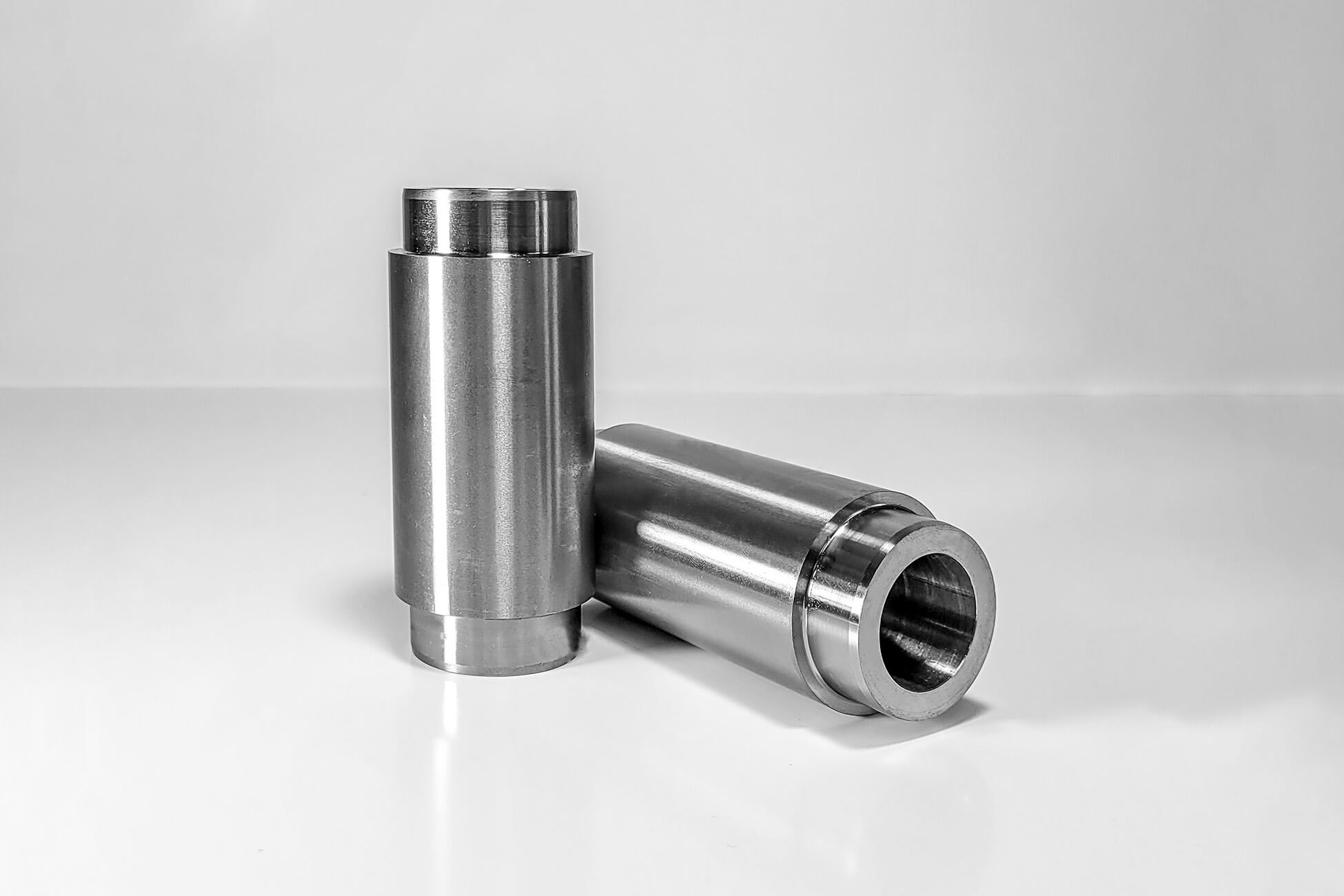
Precision CNC Bushings | Expert Manufacturing in Shenzhen.
Contact Susan Leo today at [email protected] for a fast, competitive quote!
🚀 Rapid Prototyping Estimator