
Contents
Manufacturing Insight: Cnc Bending Shop
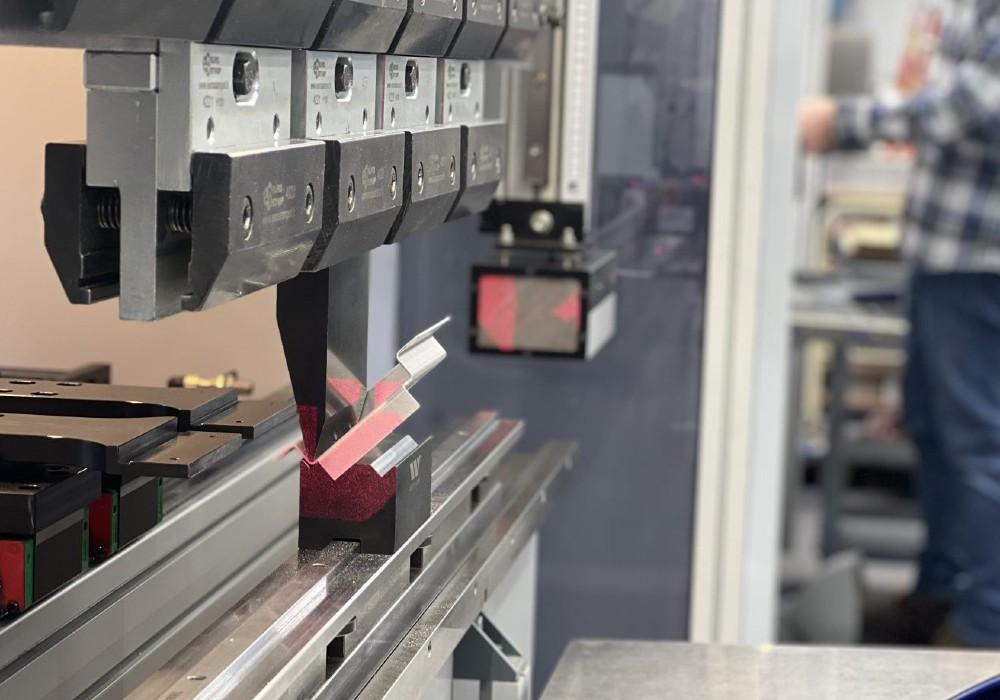
Precision Metal Fabrication Solutions from Honyo Prototype
Honyo Prototype delivers comprehensive, high-accuracy CNC machining services essential for demanding prototyping and low-to-mid volume production applications. While our core expertise centers on advanced CNC milling, turning, and multi-axis machining for complex geometries in metals and engineering plastics, we recognize that complete component realization often requires integrated forming processes. To address this need, Honyo provides precision press brake bending services as a complementary capability within our controlled manufacturing ecosystem. This strategic integration ensures seamless transitions between subtractive machining and precise sheet metal forming, maintaining tight tolerances and material integrity throughout the entire fabrication sequence.
Our commitment to engineering-grade precision extends beyond the shop floor to your procurement workflow. Honyo Prototype eliminates quoting bottlenecks with our proprietary Online Instant Quote system. Upload your 3D CAD model or technical drawing directly to our platform and receive a detailed, transparent cost estimate for CNC machining services within minutes – not days. This system provides immediate visibility into manufacturability feedback, lead times, and pricing based on actual machine capabilities and material requirements, accelerating your design-to-manufacture cycle significantly. Leverage Honyo’s combined machining and bending expertise backed by real-time quoting to streamline your next precision metal component project.
Technical Capabilities
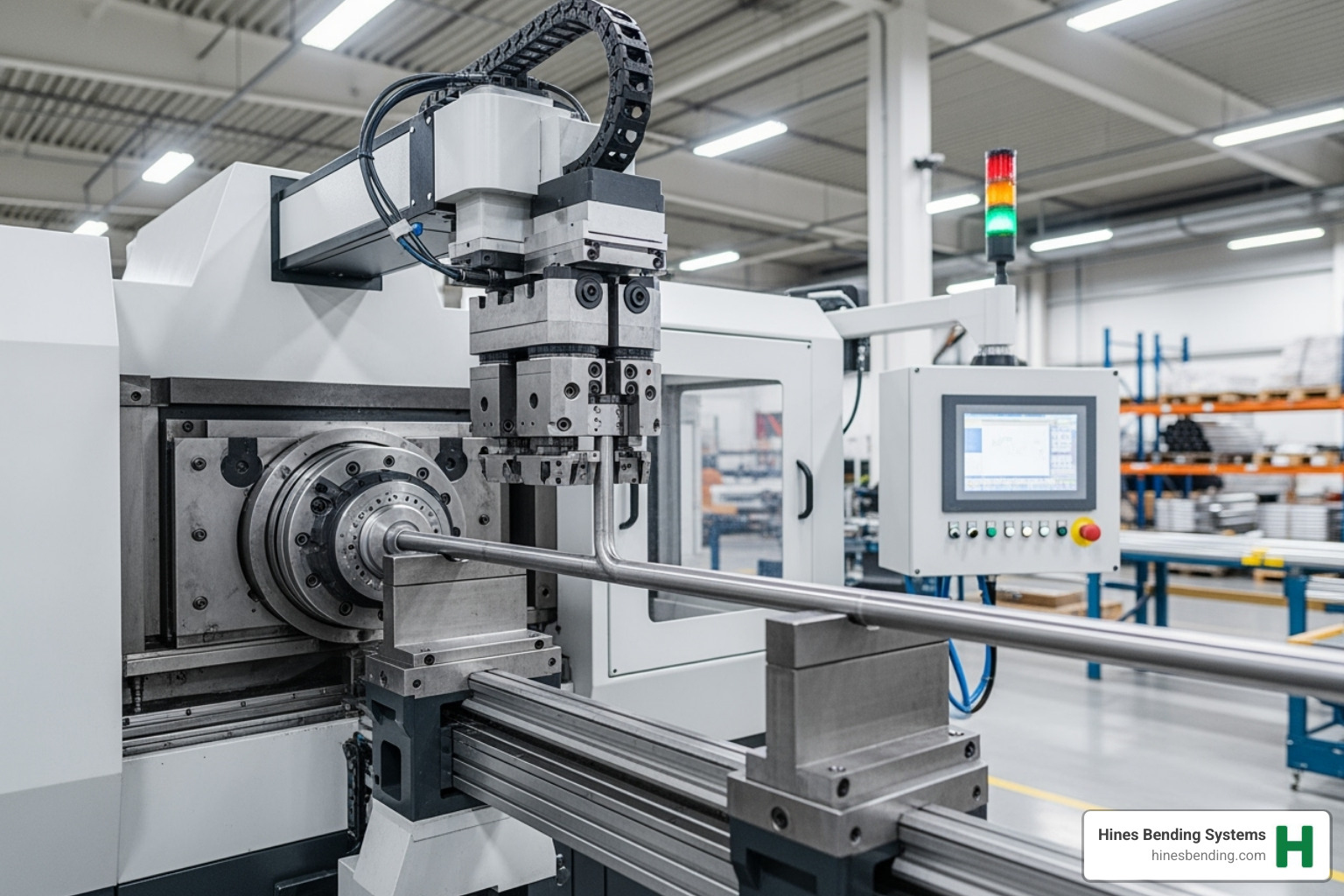
CNC Bending Shop Technical Specifications Overview
Honyo Prototype’s CNC bending and machining operations are engineered to support high-precision component production across a range of advanced materials. While the term “bending shop” typically refers to sheet metal forming, our integrated CNC machining capabilities include 3, 4, and 5-axis milling, precision turning, and secondary processes to meet tight tolerance requirements for complex geometries. Below are the technical specifications relevant to our CNC machining services.
| Parameter | Specification Detail |
|---|---|
| Machining Axes | 3-axis, 4-axis (indexing and continuous), 5-axis simultaneous milling |
| Turning Capabilities | CNC Swiss and turning centers with live tooling, capable of multi-axis turning-milling |
| Tolerance Range | ±0.005 mm (±0.0002″) typical; tight tolerances down to ±0.002 mm (±0.00008″) achievable |
| Surface Finish | As-machined: 3.2 μm (125 μin); post-processed: down to 0.8 μm (32 μin) with polishing |
| Max Work Envelope (Milling) | 5-axis: 1,200 x 1,000 x 800 mm; 3/4-axis: up to 2,000 x 1,500 x 1,000 mm |
| Max Turning Diameter | Up to 300 mm; bar feed up to 65 mm diameter |
| Spindle Speed (Milling) | Up to 24,000 RPM (high-speed options available) |
| Positioning Accuracy | ±0.003 mm per meter (laser-calibrated machines) |
| Repeatability | ±0.002 mm |
| CNC Controls | Fanuc, Siemens 840D, Heidenhain, and Mitsubishi M700/M800 |
| Materials Processed | Aluminum (6061, 7075, 2024), Steel (4140, 1018, Stainless 303/316), ABS, Nylon (6, 66), PEEK, PTFE |
| Coolant Systems | High-pressure through-spindle coolant, mist collection, and flood options |
| In-Process Inspection | On-machine probing (Renishaw) with SPC data logging |
| Post-Processing | Deburring, passivation, anodizing (Type II/III), bead blasting, precision cleaning |
| Quality Standards | ISO 9001:2015 compliant; First Article Inspection (FAI) and PPAP available |
Material-Specific Notes:
Aluminum alloys are commonly machined using high-speed 3 to 5-axis platforms, allowing for rapid material removal and fine surface finishes. Steel components, including hardened grades, are processed with rigid tooling and optimized feeds/speeds to maintain dimensional stability. Engineering plastics such as ABS and Nylon are machined with sharp, non-ferrous tooling to prevent melting and achieve clean edges, especially in thin-walled or snap-fit designs.
Our 5-axis simultaneous machining ensures complex contours and undercuts are achieved in a single setup, minimizing part handling and enhancing geometric accuracy. Tight tolerance features such as sealing surfaces, bearing bores, and mating interfaces are routinely held within ±0.005 mm using thermal compensation and calibrated workholding.
All CNC programs are verified via CAM simulation (Mastercam, Siemens NX, and Fusion 360), and critical components undergo CMM inspection using Zeiss or Hexagon metrology systems.
From CAD to Part: The Process
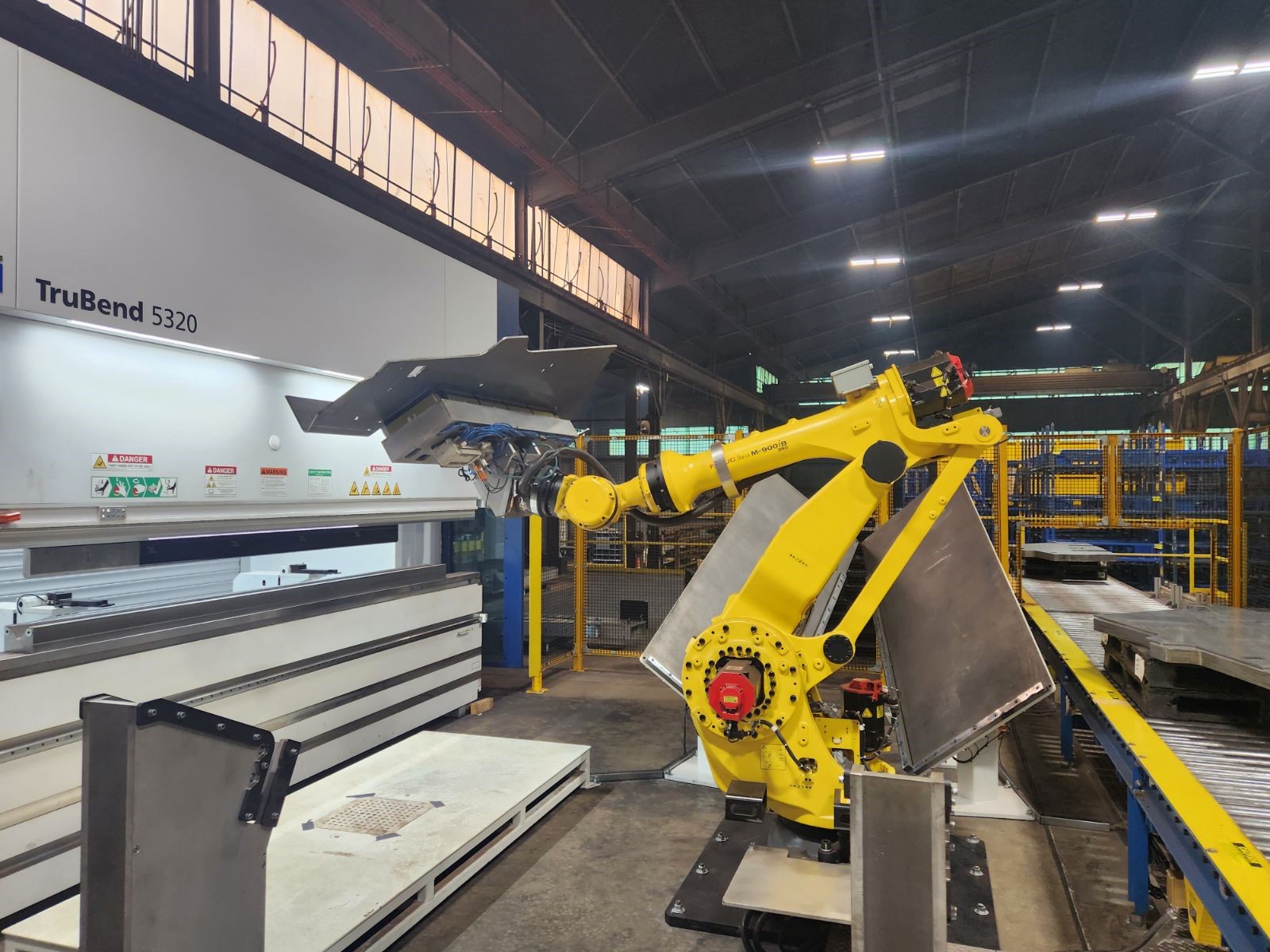
Honyo Prototype CNC Bending Process Overview
Our CNC bending workflow integrates advanced digital tools with precision manufacturing to ensure rapid, error-free component delivery. The end-to-end process begins with client CAD submission and concludes with certified shipment, maintaining strict quality control at every phase.
Upload CAD
Clients initiate the process by uploading 3D models (STEP, IPT, or native CAD formats) via our secure customer portal. The system automatically validates file integrity, checks for geometric completeness, and confirms bend allowance specifications align with ISO 2768 tolerances. Unsupported formats trigger an immediate notification for client correction, minimizing intake delays. All data undergoes AES-256 encryption to protect intellectual property throughout processing.
AI-Assisted Quoting
Uploaded CAD files feed into our proprietary AI engine, which analyzes part geometry, material requirements, and bend complexity against live machine capacity and material inventory databases. The system generates a preliminary quote within 2 hours, including cost breakdowns for material, machine time, and secondary operations. Critical to this phase is the AI’s ability to flag high-risk features (e.g., tight bend radii below material thickness, proximity to flange edges) that may require engineering review. Human quotation specialists then validate AI outputs, incorporating client-specific SLAs and volume discounts before finalizing the commercial offer.
DFM Analysis and Validation
Design for Manufacturability (DFM) occurs in two stages: automated simulation followed by engineer review. First, our software performs collision checks, verifies tooling compatibility against AMADA press brake libraries, and optimizes bend sequences to minimize setup changes. The table below details key DFM checkpoints:
| DFM Parameter | Standard Threshold | Action for Non-Compliance |
|---|---|---|
| Minimum Flange Length | ≥ 1.5× material thickness | Redesign recommendation issued |
| Bend Radius Tolerance | ±0.1mm for <3mm material | Material substitution proposed |
| Hole-to-Bend Distance | ≥ 2.5× material thickness | Feature relocation suggested |
| Springback Compensation | Auto-calculated via material grade | Manual override by engineer |
Engineers resolve flagged issues through direct client consultation, providing annotated feedback with alternative solutions. Only after client sign-off does the job advance to production.
Production Execution
Approved designs move to our CNC bending cell featuring AMADA HG series press brakes with automatic tool changers and laser-guided backgauging. Each job includes:
Real-time machine calibration using Renishaw probes to maintain ±0.05mm positional accuracy
In-process first-article inspection (FAI) per AS9102 standards for critical dimensions
Statistical process control (SPC) monitoring of springback variance across production runs
Automated material handling for sheet loads up to 3m × 1.5m
All bending sequences undergo virtual simulation in Lantek Flex3d prior to machine loading, eliminating trial runs. Operators document deviations via tablet-based work instructions, with data feeding continuous improvement databases.
Delivery and Traceability
Finished parts undergo final CMM inspection against original CAD, with full inspection reports accessible via the client portal. Components are packaged in ESD-safe, custom foam fixtures with serialized traceability labels linking to:
Material mill certificates
Machine operator IDs and timestamps
Process parameter logs (tonnage, speed, tooling)
Shipments include IoT-enabled tracking with temperature and shock monitoring for sensitive applications. Standard lead time from CAD upload to delivery is 5–7 business days for quantities under 500 units, with expedited options available. Clients receive automated notifications at each milestone, ensuring end-to-end visibility.
Start Your Project
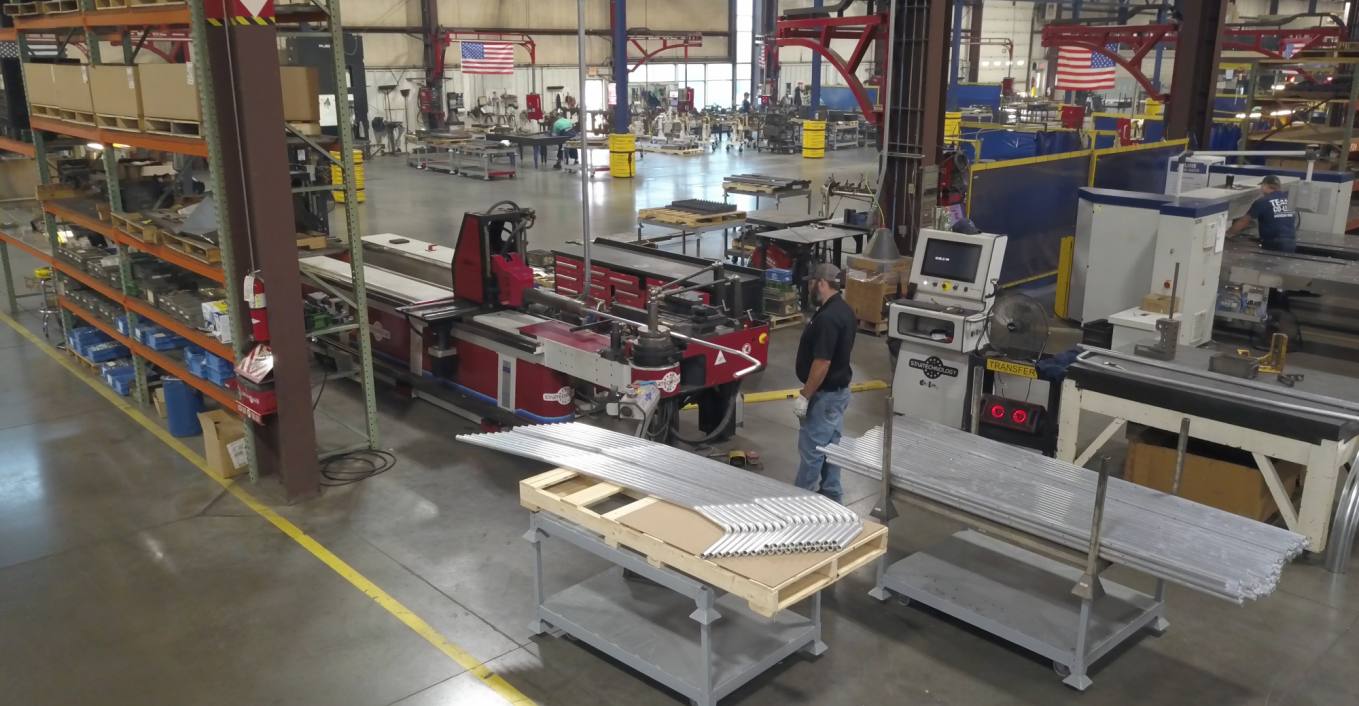
Looking for precision CNC bending services? Partner with Honyo Prototype for high-accuracy metal fabrication with fast turnaround. Our Shenzhen-based factory is equipped with advanced CNC press brakes and staffed by skilled technicians to ensure consistent, high-quality results for prototypes and production runs.
Contact Susan Leo today to discuss your project requirements and get a competitive quote.
Email: [email protected]
Trusted by engineering teams worldwide for reliable, on-time manufacturing solutions.
🚀 Rapid Prototyping Estimator
Estimate rough cost index based on volume.