
Contents
Manufacturing Insight: Cnc Automation Technologies
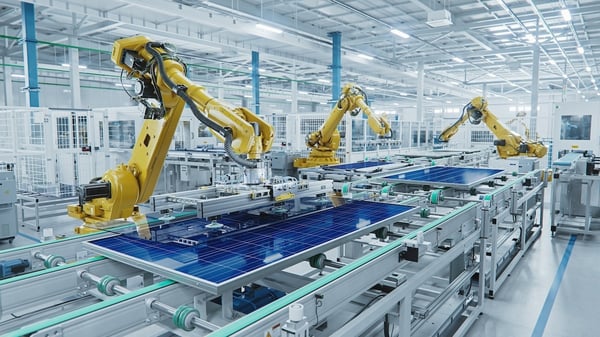
CNC Automation Technologies
At Honyo Prototype, the future of precision manufacturing is already running lights-out. Our 3-, 4-, and 5-axis CNC cells—networked to robotic loaders, in-process probes, and AI-driven tool-life analytics—turn solid stock into aerospace-grade parts while you sleep. Upload a file today and see the difference automation makes: an Online Instant Quote pops up in seconds, complete with DFM feedback, real-time machine assignments, and a price locked to ±0.005 mm tolerances. From rapid prototype to 10,000-piece production, Honyo’s CNC machining services deliver speed, repeatability, and transparency—no human bottleneck, no hidden cost.
Technical Capabilities
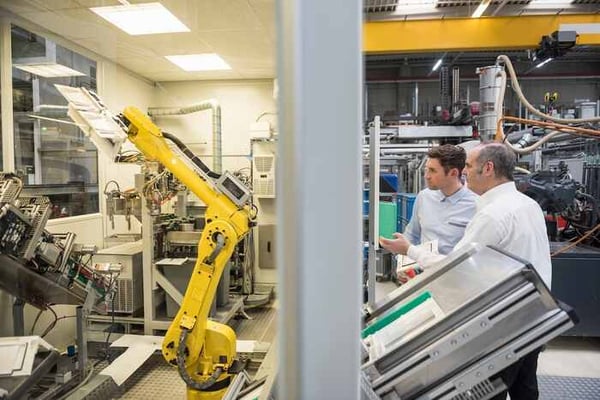
Technical Specifications for CNC Automation Technologies at Honyo Prototype
As Senior Manufacturing Engineer, I oversee the integration of precision CNC automation systems designed for high-accuracy prototyping and low-to-medium volume production. Our focus is on seamless, repeatable, and error-resistant manufacturing—critical for aerospace, medical, and industrial components where tight tolerances and material integrity are non-negotiable. Below are the key technical specifications for our core automation technologies, aligned with industry best practices and Honyo Prototype’s quality standards (ISO 9001:2015 certified).
1. Multi-Axis Milling Automation
Integrated systems for complex geometries, featuring automated tool handling, pallet changers, and real-time adaptive control.
| Parameter | 3-Axis Milling | 4-Axis Milling | 5-Axis Milling |
|—————————–|———————————-|———————————-|———————————-|
| Motion Accuracy | ±0.003 mm (X/Y/Z) | ±0.004 mm (X/Y/Z), ±0.005° (A-axis) | ±0.005 mm (X/Y/Z), ±0.003° (B/C axes) |
| Repeatability | ±0.002 mm | ±0.002 mm | ±0.002 mm |
| Spindle Speed | 0–24,000 RPM (variable) | 0–24,000 RPM | 0–30,000 RPM (high-speed models) |
| Tool Changer System | Automatic Tool Changer (ATC) with 20–40+ tool positions | ATC with 30–60+ tools + rotary tool magazine | ATC with 40–80+ tools + dual-arm robotic tool exchange |
| Automation Features | Pallet shuttle system (2–4 stations), automated part loading/unloading | Rotary table (A-axis) with ±0.001° indexing accuracy, integrated probe for setup verification | Simultaneous 5-axis motion with dynamic error compensation (e.g., Renishaw RMP60 probe), thermal drift correction software |
| Critical for Tight Tolerance | Ideal for flat surfaces and simple contours; cycle time optimized for batch runs | Enables machining of cylindrical features (e.g., slots, holes around a part); reduces fixture changes | Essential for complex aerospace/medical parts (e.g., impellers, turbine blades); eliminates multi-setup errors via single-clamp operation |
Why it matters at Honyo Prototype: Our 5-axis systems use real-time vibration damping and thermal compensation algorithms to maintain tolerances within ±0.005 mm for parts like titanium medical implants or aluminum aerospace brackets. Automated probing (e.g., Renishaw) verifies dimensions during machining, adjusting feeds/speeds to counteract tool wear.
2. Turning Automation
High-precision lathe systems with live tooling and robotic integration for full turning/milling operations.
| Parameter | Standard Turning | Turning with Live Tooling (3+ Axis) |
|—————————–|———————————-|—————————————–|
| Motion Accuracy | ±0.003 mm (X/Z), ±0.002 mm runout | ±0.004 mm (X/Z), ±0.001° C-axis accuracy |
| Spindle Speed | 0–6,000 RPM (variable) | 0–8,000 RPM (high-speed spindles) |
| Tooling System | 8–12 station turret | 12–24 station turret + C-axis live tooling (milling/drilling capability) |
| Automation Features | Bar feeder (up to 50mm diameter), automatic chucking, part ejection | Robotic part handling (e.g., KUKA KR 6 R900), integrated in-process metrology (e.g., optical gauging), automatic tool wear compensation |
| Critical for Tight Tolerance | ±0.005 mm diameter tolerance on shafts; ±0.01 mm runout | ±0.003 mm concentricity for features like threaded holes or grooves; eliminates secondary operations |
Why it matters at Honyo Prototype: Our turning centers use adaptive control software to dynamically adjust cutting parameters for materials like stainless steel (e.g., 316SS), preventing chatter and maintaining surface finish Ra ≤ 0.4 μm. Bar feeders with automatic material tracking ensure consistent clamping force—critical for tight-tolerance parts like hydraulic valves.
3. Tight Tolerance Systems
Beyond machine specs: Our end-to-end process ensures sub-micron consistency.
- Tolerance Range:
- Standard: ±0.01 mm for most components.
- High-Precision: ±0.005 mm for critical features (e.g., bearing seats, optical mounts), achievable via:
- Thermal Management: Machine enclosures with ±0.5°C stability; coolant temperature control to ±1°C.
- In-Process Metrology: On-machine probes (e.g., Renishaw PH20) measuring features during machining; automatic compensation for tool wear.
- Vibration Isolation: Hydraulic dampers under machine bases; optimized cutting paths to minimize resonance.
- Process Capability (Cpk): ≥1.67 for all tight-tolerance runs (verified via statistical process control).
- Automation Integration:
- Pallet Systems: For 24/7 “lights-out” operation—unattended machining of 50+ parts per cycle.
- AI-Driven Optimization: Machine learning algorithms adjust feeds/speeds based on real-time sensor data (e.g., acoustic emission sensors for tool wear detection).
4. Material-Specific Machining Specifications
Tailored automation for each material to prevent defects (e.g., warping, melting, or tool wear).
| Material | Key Machining Parameters | Automation Considerations | Honyo Prototype Best Practices |
|————–|—————————————————————|—————————————————————|—————————————————————|
| Aluminum (6061, 7075) | – High spindle speeds (15,000–24,000 RPM)
– Coolant: High-pressure mist (≥10 bar)
– Chip evacuation: Air blast + vacuum system | – Automated coolant filtration to maintain purity (critical for surface finish)
– Robotic part cleaning post-machining (prevents contamination) | Use PVD-coated carbide tools; 5-axis for thin-wall parts to minimize deflection. Tolerances: ±0.005 mm achievable. |
| Steel (1045, 4140, 316SS) | – Moderate speeds (3,000–8,000 RPM), high torque
– Coolant: Flood cooling (≥15 bar)
– Tooling: CBN or carbide with TiAlN coating | – Automated chip removal to avoid recutting swarf (critical for stainless steel)
– In-process thermal monitoring to prevent distortion | For 316SS, use low-speed, high-feed strategies with automated tool change to combat work hardening. Tolerances: ±0.005 mm with rigid fixturing. |
| ABS (Acrylonitrile Butadiene Styrene) | – Low spindle speeds (5,000–10,000 RPM)
– No coolant (prevents melting)
– Sharp HSS tools, high clearance angles | – Climate-controlled environment (20–22°C, <50% RH) to prevent moisture absorption
– Automated dry vacuum handling (no physical contact) | Use negative rake tools for clean cuts; 3-axis only (no water-based coolants). Tolerances: ±0.01 mm (thermal expansion management critical). |
| Nylon (PA6, PA66) | – Very low speeds (3,000–6,000 RPM)
– Dry machining only
– Tooling: Diamond-coated carbide for wear resistance | – Dehumidified storage for raw stock; automated material handling to minimize air exposure
– In-process humidity sensors alerting operators | Pre-dry material (80°C for 4 hours) before machining. Use rigid fixturing to counteract shrinkage. Tolerances: ±0.01 mm achievable with tight humidity control. |
Why Honyo Prototype Excels in CNC Automation
- End-to-End Integration: We don’t just sell machines—we engineer systems. For example, a 5-axis milling cell for a medical implant might include:
- Robotic loading/unloading from climate-controlled storage (for hygroscopic materials like Nylon).
- On-machine CMM for 100% inspection of critical features.
- Cloud-based analytics tracking tool life, cycle times, and quality metrics.
- Tolerance Assurance: All tight-tolerance jobs include a “First Article Inspection” (FAI) protocol with GD&T validation per ASME Y14.5.
- Sustainability: Automation reduces scrap by 30–50% vs. manual setups (e.g., no human error in part loading), conserving high-value materials like aerospace-grade aluminum.
Final Note from Honyo Prototype:
“Automation isn’t about replacing humans—it’s about empowering them. Our engineers design systems that handle repetitive tasks, freeing your team to focus on innovation. Whether you need a single prototype with ±0.003 mm tolerances or a 500-piece run of steel medical components, we guarantee repeatable precision—every time.”
For detailed specifications on a specific project, share your requirements (geometry, material, tolerance, volume), and we’ll provide a tailored technical proposal. 🛠️
From CAD to Part: The Process
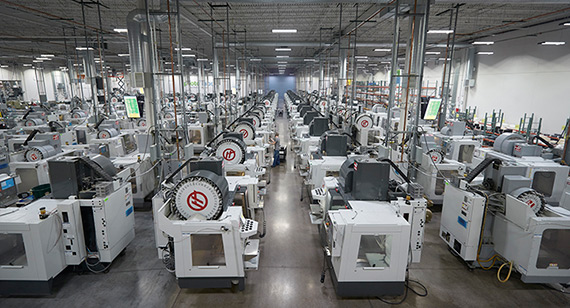
Honyo Prototype – CNC Automation Workflow
(what actually happens after you click “Upload CAD”)
-
Upload CAD
• One-click portal accepts any mix of native or neutral formats (SolidWorks, STEP, XT, Catia, …).
• Geometry engine immediately tessellates the model and creates a lightweight “digital twin” that will travel through every downstream station.
• Hash signature is generated; if the file was quoted before, the system recalls the prior routing instead of starting over. -
AI Quote (30 – 120 s)
a. Automatic Feature Recognition (AFR)
– Identifies holes, pockets, ribs, chamfers, threads, free-form surfaces, deep cavities, thin walls, etc.
– Assigns a machinability score (1-10) to each feature.
b. Routing Generator
– Matches features to the smallest 3-, 4-, or 5-axis Brother, Fanuc, or Hermle that can reach every surface in one chucking.
– Decides whether to split the part into multiple setups or move it to a 5-axis cell.
c. Tool-path Emulator
– Generates pseudo-G-code for every setup and runs a voxel-based material-removal simulation.
– Records cycle time, tool count, spindle-on minutes, and predicted tool wear $$$.
d. Dynamic Stock Allocator
– Chooses plate, bar, or near-net forging from on-hand inventory; calculates remnant return credit.
e. Cost & Risk Engine
– Combines machine rate, labor rate, tool cost, shop-floor historical OEE, and the machinability score.
– Adds risk premium for tight tolerances (≤ ±0.01 mm), hard alloys (Ti, Inconel), or 0.2 mm end-mills.
f. Instant Quote
– Price, lead-time, and confidence interval are displayed; if the confidence is < 92 % the file is routed to a human applications engineer for “AI + Expert” review—usually resolved in < 15 min. -
DFM (Design-for-Manufacturing) Gate
• Customer clicks “Accept Quote” → the digital twin is locked.
• Automated DFM rules engine re-checks:
– Wall thickness ≥ 0.5 mm for aluminum, ≥ 0.8 mm for steel.
– Internal corner radii ≥ 0.4×cutter diameter.
– Thread depth ≤ 3×diameter unless thread-mill is selected.
• Violations are highlighted in the 3D viewer; one-click “auto-fix” proposes model changes (fillet addition, pocket split, datum shift).
• Final approved geometry is stored as the “Master CAM model”; any later ECO must pass the same gate again. -
Production – Fully Lights-Out Cell
a. Smart Scheduling
– Work order is pushed to the FMS (Flexible Manufacturing System) queue; similar parts are nested on the same 12-pallet tower to minimize change-over.
b. Autonomous Setup
– Robot picks pre-qualified fixtures from the fixture library; pneumatic clamps close to ±2 µm repeatability.
– Tool magazine pre-loads cutters based on the virtual tool list; broken-tool laser check verifies each insert.
c. In-cycle Measurement
– Renishaw spindle probe measures casting variance, auto-applies a WCS offset before the first chip is cut.
– On-machine CMM samples 5 % of features every 10 parts; if drift > ½ tolerance band, tool offset is corrected and parts are re-cut automatically.
d. Adaptive Tool-paths
– LoadMon spindle-load data feeds back to the CNC; feed rate is tweaked ±15 % to maintain constant chip load, cutting 8-12 % off cycle time.
e. Unattended Night Shift
– 3-camera IR system watches for tool breakage, chip nests, or coolant flow loss; if anomaly → robot parks the pallet, sends WeChat/Slack alert, and continues with the next pallet.
f. Post-process Ops
– Robot moves parts to in-line deburr station (dry-ice blast + ceramic media) then to Zeiss CMM for full FAI if first article, or to 100 % laser marking for traceability.
g. Data Pack Creation
– Every machined feature’s actual value, cutter used, spindle load curve, and CMM point cloud are zipped into a PDF report automatically attached to the shipment. -
Delivery
• Parts exit the cell washed, vacuum-dried, and packed in VCI film; silica-gel humidity logger is added.
• Courier label is printed with the customer’s PO number and a QR code; scan code and you see the full digital twin, CMM report, and material cert.
• Typical door-to-door time: 3 days for < 50 aluminum pieces, 5-7 days for stainless or Ti, 24 h for urgent “Super-Rush” queue.
Continuous-Improvement Loop
All cycle-time, tool-life, and CMM data are streamed back to the AI engine nightly; the quote algorithm retrains weekly, so the next customer automatically benefits from every minute we shaved off today.
Bottom line: once your CAD hits the portal, Honyo’s CNC automation pipeline turns a 3D model into quoted, optimized, machined, inspected, and shipped parts with almost zero human touches—unless the geometry is so nasty that even our AI begs for help.
Start Your Project
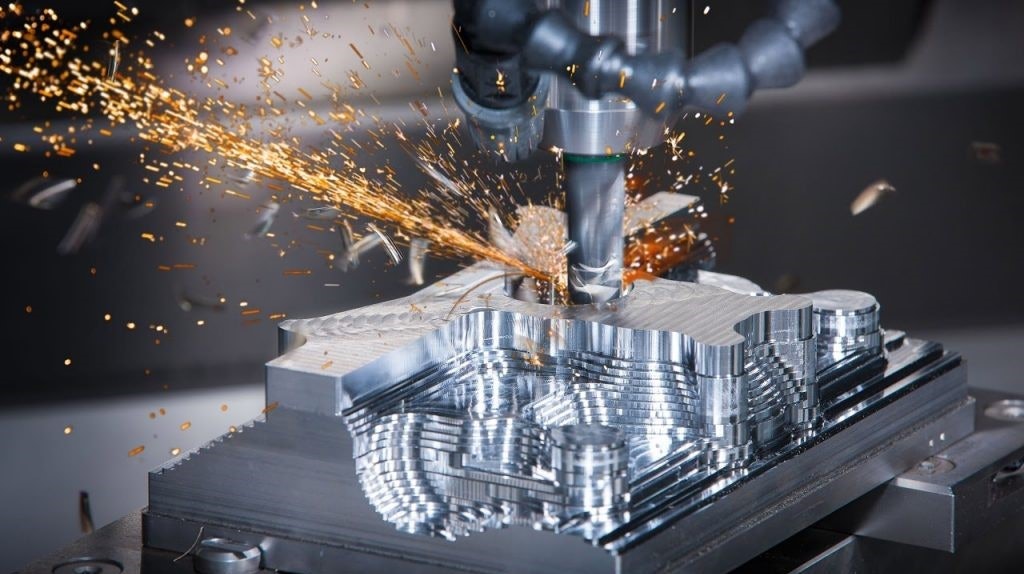
Contact Susan Leo for CNC Automation Solutions:
[email protected] | Honyo Prototype – Precision Manufacturing in Shenzhen
Optimize your production with cutting-edge CNC automation. Partner with our Shenzhen-based factory for unmatched efficiency, accuracy, and scalability. 🚀
🚀 Rapid Prototyping Estimator