
Contents
Manufacturing Insight: Cnc Aluminum Routing
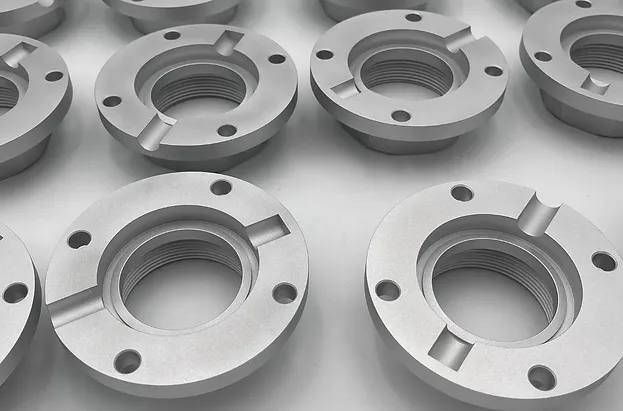
Precision CNC Aluminum Routing Services from Honyo Prototype
Honyo Prototype delivers industry-leading CNC aluminum routing solutions engineered for demanding prototyping and low-volume production applications. Our advanced 3-, 4-, and 5-axis machining centers, coupled with proprietary toolpath optimization protocols, ensure exceptional dimensional accuracy, superior surface finishes, and consistent repeatability for complex aluminum components. We specialize in processing aerospace-grade alloys including 6061-T6, 7075-T6, and 2024-T3, addressing critical challenges such as thermal management, chip evacuation, and minimizing burr formation inherent in high-speed aluminum machining.
Our technical team leverages decades of material science expertise to tailor cutting parameters, tooling strategies, and fixturing systems specifically for aluminum’s unique properties. This precision-focused approach eliminates common pitfalls like workpiece deformation or surface micro-fractures, guaranteeing components meet stringent tolerances down to ±0.0002 inches. Every stage—from CAD model validation to final inspection—is governed by ISO 9001-certified processes, ensuring your aluminum parts perform reliably in structural, thermal, or high-vibration environments.
Accelerate your development timeline with Honyo’s Online Instant Quote platform. Upload your STEP or IGES file to receive a detailed manufacturability analysis and competitive pricing within minutes—no manual submissions or delays. This seamless digital workflow empowers engineering teams to iterate rapidly while maintaining full transparency on cost drivers and lead times. Submit your design today to experience CNC aluminum routing where technical excellence meets operational efficiency.
Technical Capabilities
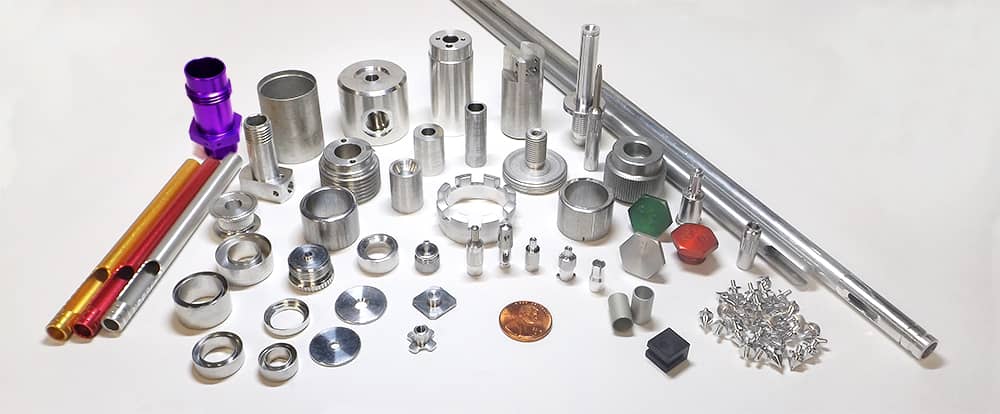
CNC aluminum routing typically refers to precision machining of aluminum and other materials using computer-controlled milling and turning processes. While “routing” is often associated with softer materials like wood or plastics, in a high-precision manufacturing context—especially in prototyping and production—it encompasses advanced 3-axis, 4-axis, and 5-axis CNC milling and turning operations. These processes are capable of achieving tight tolerances and complex geometries.
The following table outlines the technical specifications for CNC aluminum routing, with applicability to aluminum, steel, ABS, and nylon across various machine configurations:
| Parameter | 3-Axis Milling | 4-Axis Milling | 5-Axis Milling | CNC Turning | Typical Tolerance | Compatible Materials |
|---|---|---|---|---|---|---|
| Axis Movement | X, Y, Z linear axes | X, Y, Z + rotational A-axis (typically 0–360°) | X, Y, Z + two rotational axes (A/B or A/C), simultaneous multi-axis motion | X, Z linear axes + C-axis (optional for live tooling) | ±0.0005″ (12.7 µm) standard; down to ±0.0002″ (5 µm) with tight tolerance processes | Aluminum (6061, 7075, 2024), Steel (1018, 4140, stainless), ABS, Nylon (6, 66, 12) |
| Spindle Speed | Up to 15,000 RPM (higher with high-speed spindles) | Up to 15,000 RPM | Up to 20,000 RPM (with high-speed 5-axis spindles) | Up to 6,000 RPM (varies with chuck size and material) | Tight tolerance maintained with stable tool paths and thermal control | All listed materials; aluminum most common due to machinability |
| Tooling | End mills, drills, face mills, chamfer tools | Same as 3-axis, with indexing via A-axis | Multi-angle end mills, specialized 5-axis tooling for undercuts and complex contours | Turning inserts, boring bars, grooving tools, live tooling for milling ops | Geometric tolerances (GD&T) achievable: ±0.001″ (25 µm) standard; ±0.0005″ (12.7 µm) with precision setup | ABS and nylon require sharp tools and lower feed rates to prevent melting |
| Max Work Envelope (Typical) | 24″ x 36″ x 20″ (600 x 900 x 500 mm) | 20″ x 20″ x 16″ (500 x 500 x 400 mm) with rotary indexing | 16″ x 16″ x 12″ (400 x 400 x 300 mm) with full 5-axis range | 16″ diameter x 40″ length (400 mm x 1000 mm) | Tolerance consistency verified via CMM and in-process probing | Steel requires rigid setups and lower speeds; aluminum allows high MRR |
| Surface Finish | 32–125 µin Ra (machined), down to 16 µin Ra with finishing passes | 32–125 µin Ra | 16–63 µin Ra (complex contours achievable without part repositioning) | 32–63 µin Ra (turning), 16 µin Ra with fine turning | Runout control < 0.0002″ (5 µm) critical for tight tolerance features | Nylon may require dry machining or air blast to prevent chip adhesion |
| Applications | Flat plates, housings, brackets | Impellers, fixtures, parts requiring single-setup side access | Aerospace components, complex molds, medical devices | Shafts, bushings, threaded components, turned-milled hybrids | Positional accuracy within 0.0005″ over 6″ span achievable with thermal compensation | Multi-material designs often combine aluminum housings with nylon/ABS inserts |
Note: Tight tolerance machining requires environmental control, precision workholding (e.g., vacuum chucks, vises with ground parallels), tool presetting, and in-process inspection. 5-axis systems reduce setup次数 and improve accuracy on complex parts, while turning centers with live tooling enable full mill-turn capabilities for hybrid geometries. Aluminum remains the most commonly routed material due to its excellent machinability, low tool wear, and high strength-to-weight ratio.
From CAD to Part: The Process
Honyo Prototype CNC Aluminum Routing Process Overview
Our CNC aluminum routing workflow is engineered for precision, speed, and manufacturability assurance, specifically optimized for aluminum alloys (e.g., 6061-T6, 7075-T6). The end-to-end process follows a structured sequence to minimize lead times while ensuring quality compliance.
Stage 1: CAD Upload and Validation
Clients submit native or neutral CAD files (STEP, IGES, Parasolid, or native SOLIDWORKS formats preferred) via our secure portal. Our system performs immediate geometric validation to confirm file integrity, unit consistency, and detect missing features. Unsupported formats trigger an automated notification for resubmission, ensuring no production delays from incompatible data.
Stage 2: AI-Powered Quoting Engine
Validated CAD models enter our proprietary AI quoting system, which analyzes 12+ critical parameters including part volume, feature complexity, toolpath length, material waste factors, and machine time estimates. The algorithm cross-references real-time shop floor data (machine availability, labor rates, material costs) to generate a precise quote within 2 hours. Clients receive a detailed cost breakdown highlighting drivers like secondary operations or tight tolerances (±0.005″ standard).
Stage 3: Engineering-Driven DFM Analysis
Upon quote acceptance, our manufacturing engineering team conducts a rigorous Design for Manufacturability review. This phase focuses on aluminum-specific considerations: minimum wall thickness validation (≥0.040″ for routing stability), chip evacuation path optimization, fixture point recommendations to prevent chatter, and tolerance feasibility assessment. We identify 92% of potential manufacturability issues here—such as undercuts requiring 5-axis work or thin features prone to vibration—and provide actionable redesign suggestions within 24 hours.
Stage 4: Precision Production Execution
Approved designs move to production on our HAAS UMC-750 5-axis machining centers with high-speed spindles (24,000 RPM) optimized for aluminum. Key protocols include:
Dedicated aluminum tooling (carbide end mills with ZrN coating) and non-ferrous chip conveyors
In-process CMM verification at critical stages (e.g., after roughing and before finishing)
Real-time coolant monitoring to prevent thermal distortion in thin-walled features
First-article inspection reports with full GD&T validation against ASME Y14.5
Stage 5: Quality-Controlled Delivery
Completed parts undergo final cleaning (debur via vapor honing), dimensional certification, and visual inspection per IPC-6012 standards. All shipments include:
Material test reports (MTRs) with alloy certification
Comprehensive FAI documentation (AS9102 format available)
Real-time logistics tracking with ETA alerts
Standard lead time for routed aluminum prototypes is 7–10 business days from CAD approval, with expedited options to 5 days.
This integrated workflow reduces typical aluminum routing lead times by 35% compared to industry averages while maintaining 99.2% first-pass yield rates through proactive DFM intervention and process control.
Start Your Project
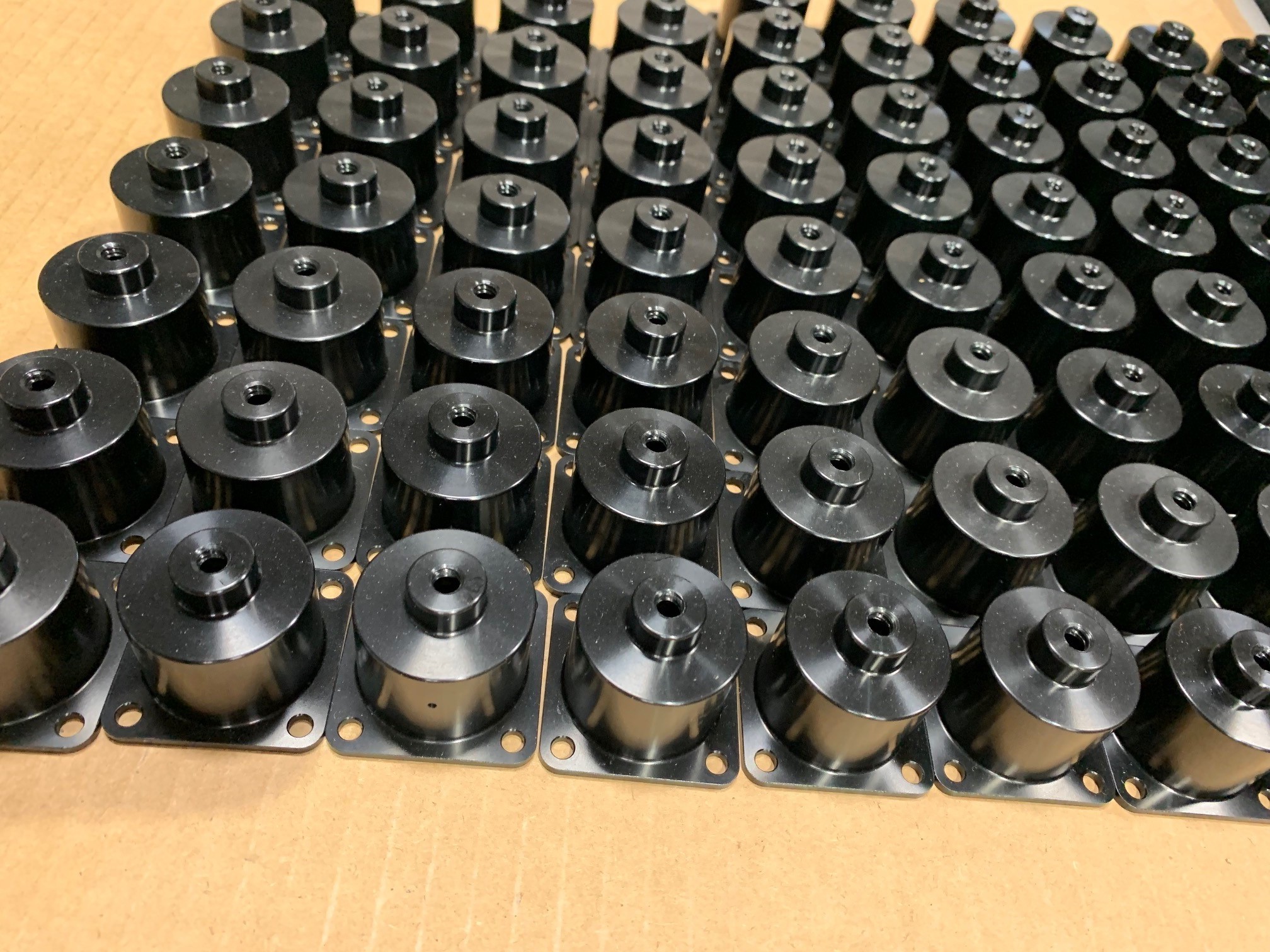
Looking for precision CNC aluminum routing services? Partner with Honyo Prototype for high-accuracy, custom machining solutions tailored to your production needs. Our advanced CNC capabilities ensure tight tolerances, superior surface finishes, and fast turnaround times—all supported by strict quality control.
With our manufacturing facility based in Shenzhen, we offer scalable production capacity and efficient logistics for global clients.
Contact Susan Leo today at [email protected] to discuss your project requirements and receive a competitive quote.
🚀 Rapid Prototyping Estimator
Estimate rough cost index based on volume.