
Contents
Manufacturing Insight: Cnc Acrylic Projects
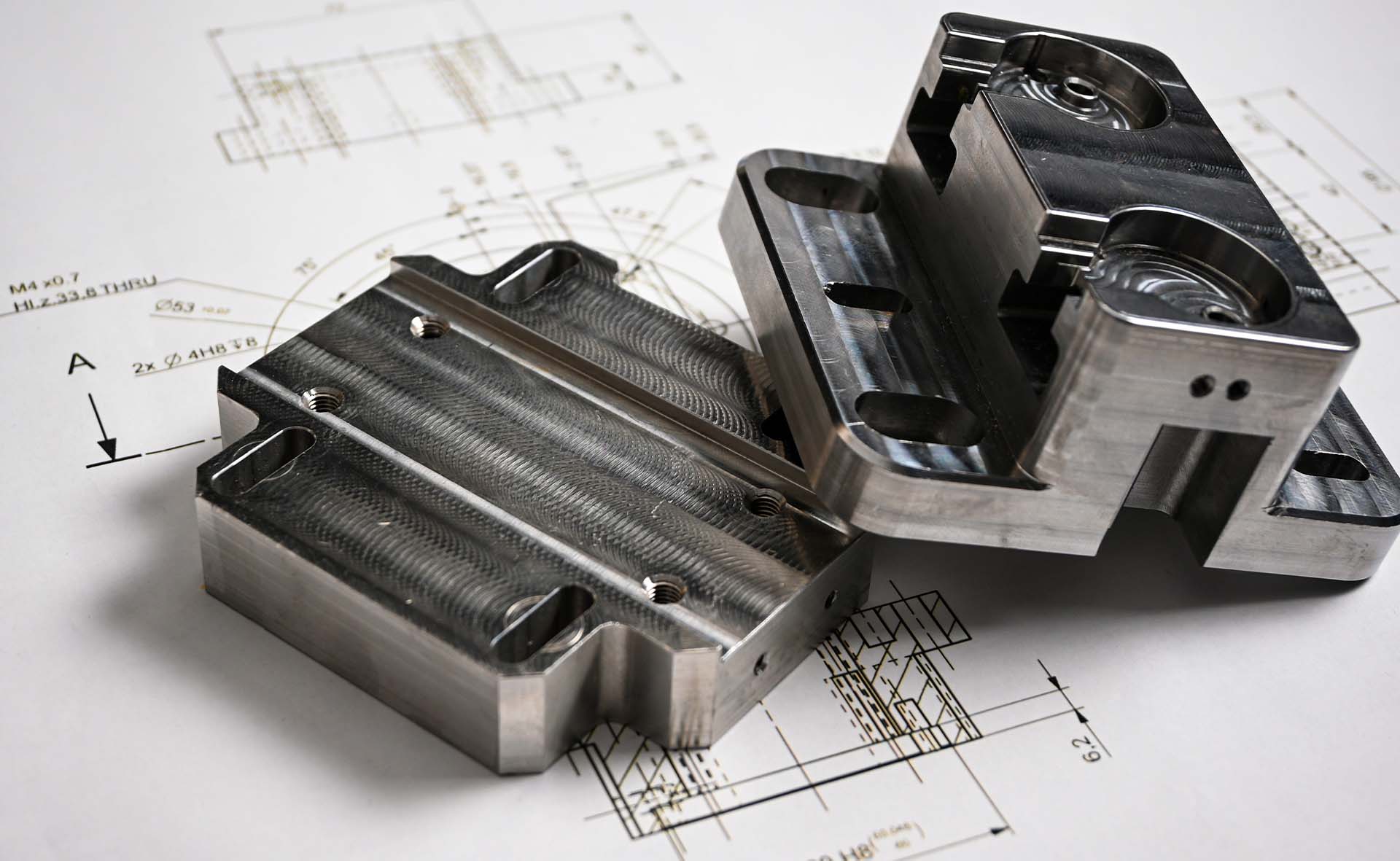
Precision CNC Acrylic Machining for Demanding Prototypes and Production
Acrylic remains a critical material for high-visibility prototypes, optical components, and medical devices due to its exceptional clarity, UV resistance, and structural stability. However, machining acrylic presents unique challenges including thermal sensitivity, chip adhesion, and the risk of micro-cracking—all of which compromise dimensional accuracy and surface finish if not managed with specialized expertise. At Honyo Prototype, we leverage industry-leading CNC machining centers—including Haas and DMG MORI vertical mills with high-speed spindles and precision collet systems—exclusively configured for acrylic processing. Our engineers implement optimized toolpaths, cryogenic cooling protocols, and proprietary fixturing to achieve tolerances down to ±0.005 mm while preserving optical-grade surfaces.
Beyond technical capability, we eliminate procurement delays with our Online Instant Quote platform. Upload your STEP or IGES file, specify material grade (e.g., PMMA 9N, OP3, or cast acrylic), and receive a detailed manufacturability analysis with pricing and lead time in under 90 seconds. This integration of precision machining and digital workflow efficiency ensures your acrylic projects move from design to certified component without compromise. Partner with Honyo to transform complex acrylic requirements into flawless physical assets.
Technical Capabilities
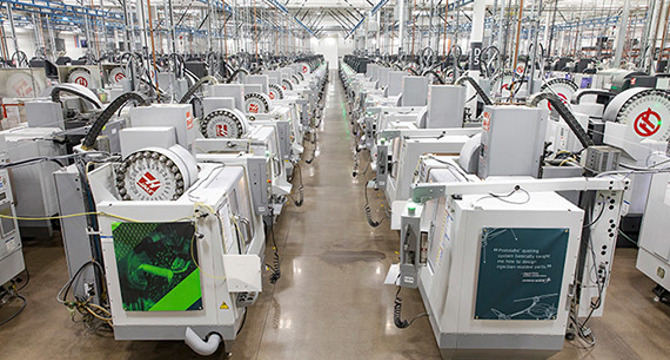
CNC Acrylic Projects – Technical Specifications Overview
CNC machining of acrylic and other materials such as aluminum, steel, ABS, and nylon requires precise control over toolpaths, spindle speeds, feed rates, and fixturing, especially when utilizing 3-axis, 4-axis, or 5-axis milling systems or CNC turning. Acrylic, while machinable with high precision, is sensitive to heat and tool pressure, necessitating optimized parameters. The following table outlines key technical specifications relevant to CNC machining across multiple axis configurations, with attention to tight tolerance capabilities and material-specific considerations.
| Parameter | 3-Axis Milling | 4-Axis Milling | 5-Axis Milling | CNC Turning | Tight Tolerance Capability |
|---|---|---|---|---|---|
| Typical Tolerance Range | ±0.005 in (±0.13 mm) | ±0.003 in (±0.076 mm) | ±0.001 in (±0.025 mm) | ±0.001 in (±0.025 mm) | ±0.0005 in (±0.013 mm) achievable with high-precision CNC |
| Max Material Thickness | Up to 4 in (100 mm) | Up to 4 in (100 mm) | Up to 3 in (75 mm) | Up to 6 in (150 mm) diameter | Depends on machine capacity and fixturing |
| Spindle Speed Range | 8,000–24,000 RPM | 8,000–24,000 RPM | 10,000–30,000 RPM | 1,000–6,000 RPM (varies by material) | High-speed spindles critical for acrylic finish |
| Feed Rate (Acrylic) | 100–200 in/min | 80–180 in/min | 60–150 in/min | N/A | Optimized to minimize chipping and melting |
| Tooling (Acrylic) | Single-flute carbide end mills, polished flutes | Same as 3-axis, with rotary indexing | High-precision ball-nose/square-end, coolant-through optional | N/A | Sharp, non-coated tools preferred |
| Material Compatibility | Acrylic, ABS, Nylon, Aluminum, Steel | Same as 3-axis, with angular access | Full 3D contouring on all materials | Cylindrical parts: Aluminum, Steel, ABS, Nylon | Multi-material capability with proper tool change |
| Surface Finish (Acrylic) | 32–64 μin Ra (optical grade achievable with polishing) | 32–64 μin Ra | 16–32 μin Ra (near-optical finish) | 32–125 μin Ra (depends on tooling) | Sub-micron finishes possible with fine finishing passes |
| Coolant/Lubrication | Air blast preferred (avoid solvents) | Air blast or mist | Minimal mist or dry cutting | Oil-based or air cooling | Avoid aggressive coolants with acrylic |
| Fixturing Requirements | Vacuum or mechanical clamps | Rotary indexer + clamps | Multi-sided fixturing, tombstones | Collet or chuck holding | Precision-ground fixtures for tight tolerance work |
| Common Applications | Flat panels, light guides, enclosures | Angled features, multi-face parts | Complex optics, aerospace molds | Shafts, knobs, threaded components | Medical, aerospace, and metrology components |
Notes on Material Behavior in CNC Machining
Acrylic (PMMA): Low thermal conductivity; prone to melting if feed rates are too slow or spindle speed too low. Requires sharp tools and high-speed cutting. No secondary finishing typically needed for optical clarity if machined correctly.
Aluminum: Easily machined with high material removal rates. Compatible with all axis types. Requires proper chip evacuation to prevent gumming.
Steel: Demands robust tooling and slower speeds. 5-axis and turning operations common for high-strength components. Tight tolerances maintained with rigid setups.
ABS: Thermoplastic with moderate strength. Can generate fine dust; requires dust extraction. Tolerances slightly less stable than acrylic due to thermal expansion.
Nylon: Exhibits flexibility and moisture absorption; fixturing must account for potential dimensional shift. Best machined with positive rake tools.
This technical framework supports high-precision prototyping and low-volume production at Honyo Prototype, ensuring repeatability, surface quality, and dimensional accuracy across diverse CNC platforms.
From CAD to Part: The Process
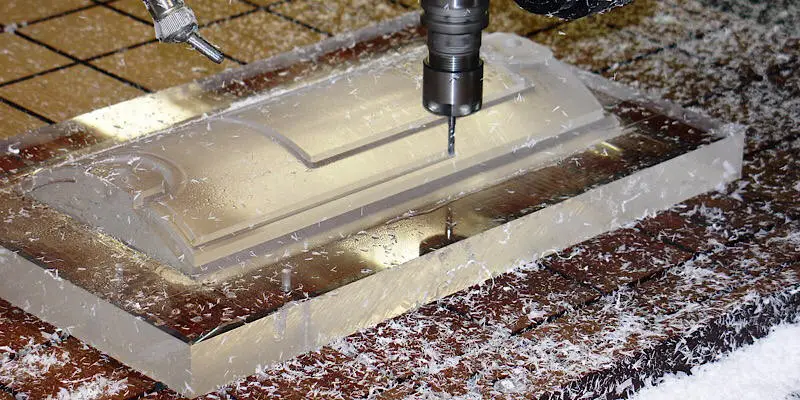
Honyo Prototype CNC Acrylic Project Workflow
Honyo Prototype executes CNC acrylic projects through a rigorously defined sequence designed for precision, efficiency, and material-specific optimization. The process begins with CAD Upload, where clients submit industry-standard 3D model files (STEP, IGES, or native CAD formats). Our system validates geometric integrity, confirms unit consistency (millimeters preferred), and checks for manufacturability constraints inherent to acrylic, such as minimum wall thickness and undercuts. All submissions undergo automated metadata extraction to populate our production database.
Following upload, the AI-Powered Quoting Engine generates instant cost and lead-time estimates. This system leverages Honyo’s proprietary database of acrylic-specific parameters, including material grades (extruded/cast PMMA), stock availability, color/translucency requirements, and geometric complexity factors like cavity depth-to-width ratios. The AI cross-references historical production data for acrylic machining efficiency, accounting for variables such as toolpath optimization needs for brittle materials and secondary operations like flame polishing. Quotes detail material waste factors, fixture requirements, and tolerance-driven process selections, ensuring transparent cost breakdowns.
The Design for Manufacturability (DFM) Review stage integrates AI analysis with senior engineer validation. Our system flags acrylic-specific risks: stress concentration points prone to cracking, inadequate draft angles for deep pockets, or features requiring specialized tooling (e.g., diamond-coated cutters for optical clarity). Engineers collaborate with clients to resolve conflicts—suggesting chamfer adjustments to prevent edge chipping or reorienting parts to minimize internal stresses during machining. This phase includes formal tolerance stack-up verification against ISO 2768-mK standards for acrylic and confirms surface finish requirements (e.g., Ra 0.8 µm for polished edges).
Production commences only after DFM sign-off. Acrylic sheets undergo climate-controlled acclimatization (24+ hours at 22°C/50% RH) to prevent warpage. CNC machining employs rigid protocols: spindle speeds capped at 18,000 RPM to avoid melting, climb milling for clean edges, and high-pressure air coolant (no liquids) to prevent static-induced chip adhesion. Critical steps include:
Roughing: Dedicated carbide tools with polished flutes to evacuate chips efficiently.
Finishing: 0.05 mm stepovers with sharp-tipped tools for optical-grade surfaces.
Deburring: Manual inspection followed by ultrasonic cleaning or thermal polishing per specifications.
All acrylic batches include first-article inspection reports with CMM data for critical dimensions.
Delivery follows stringent acrylic-handling protocols. Parts are individually wrapped in low-adhesion PE film, nested in custom anti-static foam within rigid corrugated containers, and shipped via climate-controlled logistics partners. Clients receive real-time tracking, final inspection certificates (including material lot traceability), and digital as-built documentation. Honyo guarantees 99.5% on-time delivery for standard acrylic projects, with expedited options leveraging our 24/7 production cells.
This closed-loop process ensures acrylic components meet exact optical, dimensional, and structural requirements while minimizing lead-time variability—a critical advantage for prototyping and low-volume production in medical, display, and aerospace applications.
Start Your Project
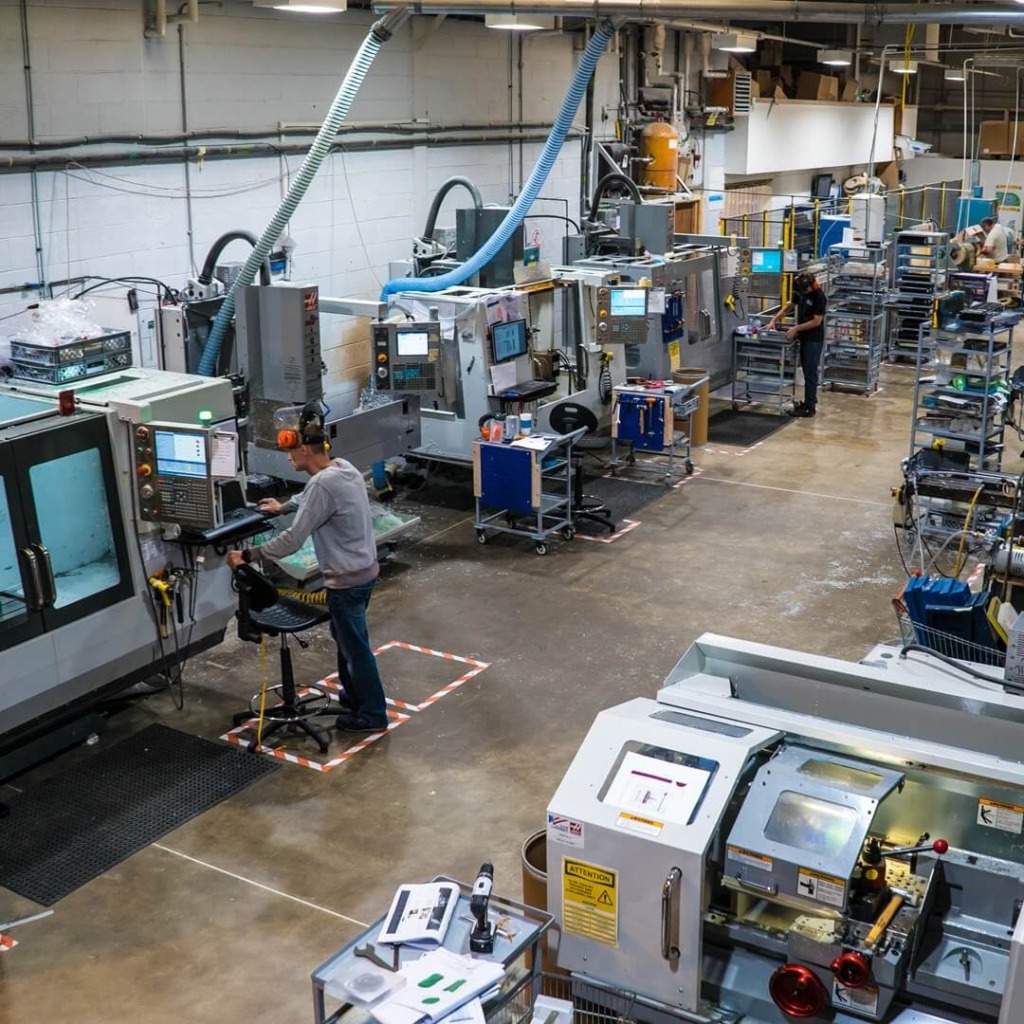
Looking to bring your CNC acrylic projects to life with precision and speed? Partner with Honyo Prototype, your trusted manufacturing expert based in Shenzhen. Our advanced CNC machining capabilities ensure tight tolerances, crystal-clear finishes, and rapid turnaround for prototypes and production runs.
Contact Susan Leo today at [email protected] to discuss your project requirements and receive a competitive quote. Let us help you turn design concepts into high-quality acrylic components—on time and to specification.
🚀 Rapid Prototyping Estimator
Estimate rough cost index based on volume.