
Contents
Manufacturing Insight: Cnc 3D Wood Carving Machine Price
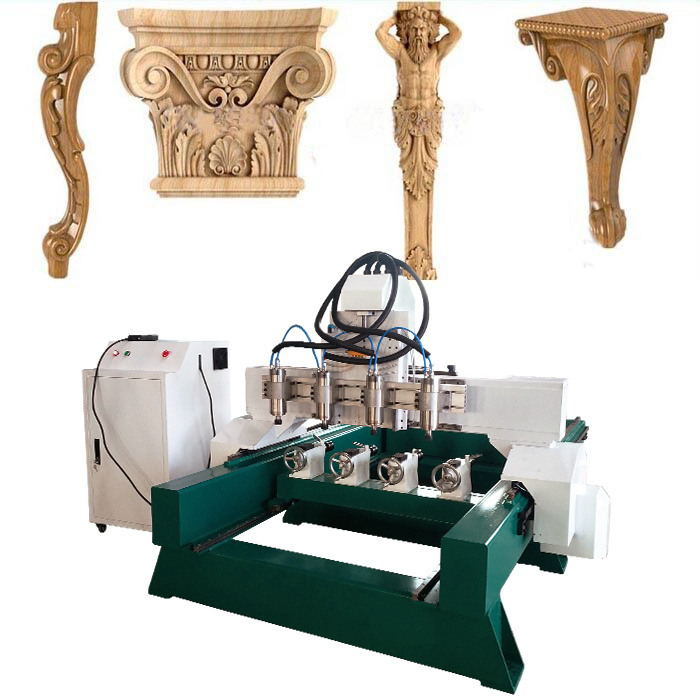
Understanding CNC 3D Wood Carving Machine Pricing Versus Industrial 3D Printing Solutions
Prospective clients frequently inquire about CNC 3D wood carving machine pricing when exploring rapid prototyping or low-volume production options for intricate designs. It is critical to clarify that Honyo Prototype specializes exclusively in advanced Industrial 3D Printing services, not CNC wood carving machinery or its associated costs. While CNC machining is a valuable subtractive manufacturing process, our core expertise and technological investment reside in high-precision, industrial-grade additive manufacturing. This distinction is vital for projects demanding complex geometries, rapid iteration, and functional prototyping where traditional wood carving methods face significant limitations in speed, design freedom, and material versatility.
Honyo Prototype leverages state-of-the-art industrial 3D printing platforms capable of producing highly detailed prototypes and end-use parts directly from digital models. Our processes utilize engineering-grade thermoplastics, photopolymers, and composite materials suitable for demanding applications far beyond the scope of wood-based CNC carving. This technology excels in creating internal channels, lattice structures, and organic forms impossible to achieve subtractively, significantly accelerating development cycles for sectors like aerospace, medical devices, and automotive engineering. Crucially, the cost structure for industrial 3D printing differs fundamentally from CNC machine investment; clients partner with Honyo for the service output – not the capital expenditure of the equipment itself.
For accurate and immediate project costing aligned with your specific industrial 3D printing requirements, Honyo Prototype provides a powerful Online Instant Quote system. This platform allows engineers and procurement professionals to upload CAD files, select materials and finishes, and receive a detailed, binding price estimate within minutes – eliminating lengthy RFQ delays. Understanding the true cost drivers for your prototype or production part starts with recognizing the efficiency and capability advantages of industrial additive manufacturing over traditional methods like CNC wood carving. Access our instant quoting tool today to experience transparent, data-driven pricing for high-fidelity 3D printed components.
Technical Capabilities
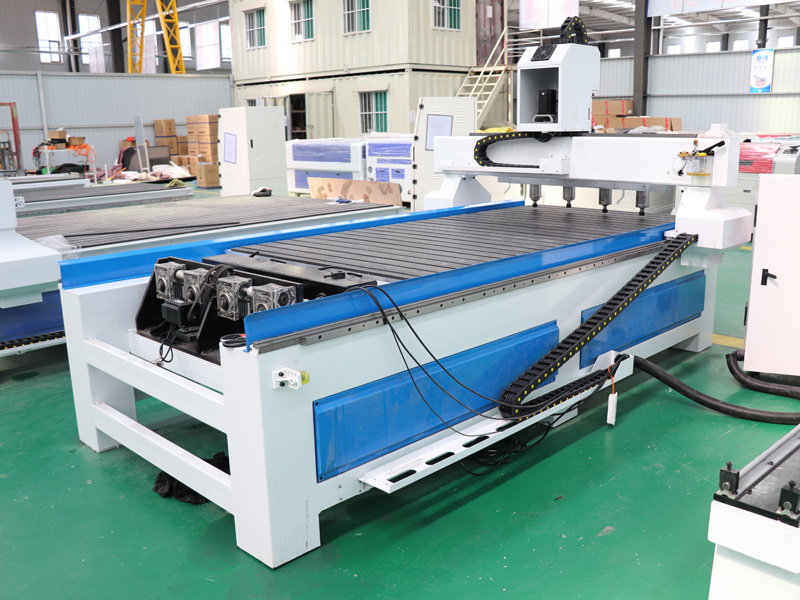
The request appears to conflate CNC 3D wood carving machines with industrial additive manufacturing (AM) technologies such as SLA, SLS, MJF, and DMLS. These are fundamentally different processes:
A CNC 3D wood carving machine is a subtractive manufacturing system designed to cut, carve, and shape wood using rotating tools. It is not a 3D printing technology and does not use SLA, SLS, MJF, or DMLS methods.
SLA (Stereolithography), SLS (Selective Laser Sintering), MJF (Multi Jet Fusion), and DMLS (Direct Metal Laser Sintering) are additive manufacturing technologies used to build 3D parts layer by layer, primarily from photopolymers, thermoplastics, or metals—not wood.
Given this, the requested combination—CNC 3D wood carving machine price with SLA, SLS, MJF, DMLS and materials like Aluminum, Steel, ABS, Nylon—does not align technically. CNC wood routers do not utilize these AM technologies or metal/plastic 3D printing materials.
However, to provide value, below is a technical comparison of industrial 3D printing technologies (SLA, SLS, MJF, DMLS), including compatible materials and typical machine price ranges. This reflects systems used for prototyping and production in engineering and manufacturing environments.
| Technology | Process Description | Compatible Materials | Typical Build Volume (mm) | Accuracy / Tolerance | Typical Machine Price (USD) | Common Applications |
|---|---|---|---|---|---|---|
| SLA (Stereolithography) | Uses UV laser to cure liquid photopolymer resin layer by layer | Standard Resin, Tough, Durable, Castable, High-Temperature Resins | 140 x 140 x 180 to 1500 x 750 x 500 | ±0.1 mm (small parts) to ±0.3 mm | $3,000 – $200,000+ | Prototyping, dental, jewelry, master patterns |
| SLS (Selective Laser Sintering) | High-power laser sinters powdered nylon-based materials | Nylon 11, Nylon 12, Glass-filled Nylon, TPU | 200 x 200 x 180 to 700 x 380 x 580 | ±0.3 mm | $50,000 – $300,000 | Functional prototypes, end-use parts, complex geometries |
| MJF (Multi Jet Fusion) | Inkjet array deposits fusing agent on nylon powder, heated by lamps | Nylon 12, Glass-filled Nylon, TPU | 380 x 280 x 380 to 540 x 380 x 300 | ±0.3 mm | $100,000 – $250,000 | High-volume functional parts, automotive, consumer goods |
| DMLS (Direct Metal Laser Sintering) | Laser melts and fuses metal powder layer by layer | Aluminum (AlSi10Mg), Stainless Steel (17-4 PH, 316L), Titanium, Inconel, Tool Steel | 150 x 150 x 150 to 500 x 400 x 400 | ±0.1 mm to ±0.2 mm | $500,000 – $1,500,000+ | Aerospace, medical implants, tooling, high-stress components |
Notes:
ABS is not typically used in SLS or MJF; however, ABS-like properties can be mimicked using Tough Resins (SLA) or Polyamide (Nylon) materials in SLS/MJF.
Steel and Aluminum are processed via DMLS or similar metal AM processes (e.g., SLM), not SLA, SLS, or MJF.
Wood carving is not applicable to any of these AM technologies. For wood, CNC routing remains the standard.
For CNC 3D wood carving machines, typical specifications involve spindle power (3–15 kW), working area (e.g., 1200 x 1200 mm), precision (±0.01 mm), and controller systems (e.g., DSP or Mach3). Prices range from $3,000 for desktop models to $50,000+ for industrial 5-axis systems, but these are unrelated to SLA/SLS/MJF/DMLS.
From CAD to Part: The Process
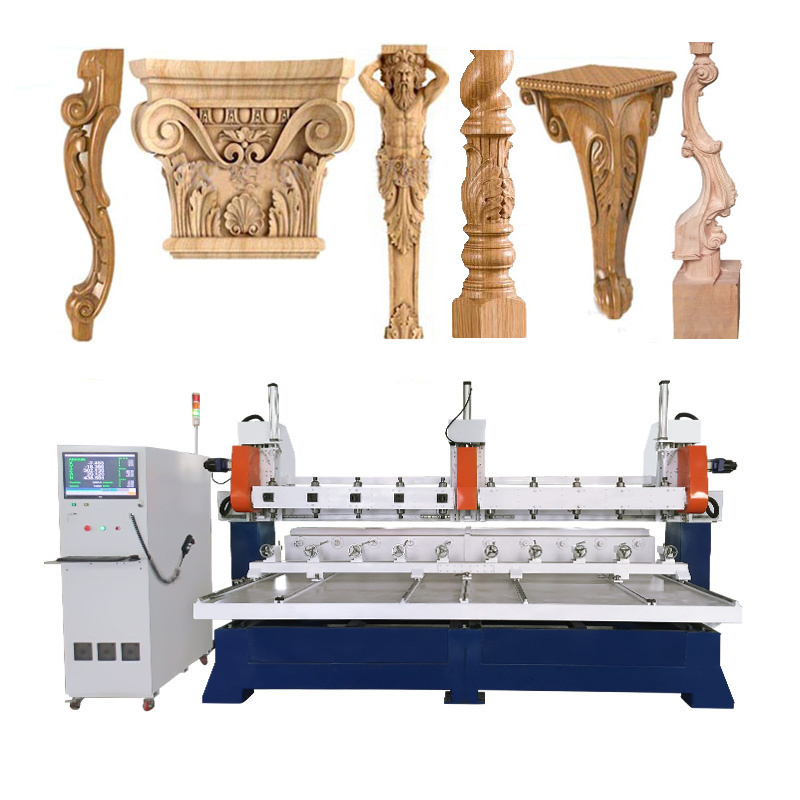
Honyo Prototype provides transparent, engineered pricing for custom CNC 3D wood carving services through a structured digital workflow. This process ensures accurate costing, manufacturability validation, and efficient production for client-specific parts. Below is the technical breakdown of our end-to-end sequence, clarifying that this pertains to pricing for custom wood parts produced on our CNC carving machines, not the machine purchase cost itself.
Upload CAD
Clients initiate the process by uploading native 3D CAD files (STEP, IGES, or native SolidWorks formats preferred) via our secure customer portal. The system performs initial validation checks for file integrity, unit consistency, and geometric completeness. Non-native formats like STL are accepted but may require additional geometry verification, potentially extending the quoting timeline. This phase establishes the digital foundation for all subsequent cost and manufacturability analysis.
AI Quote Generation
Our proprietary AI engine processes the validated CAD geometry through multiple analytical layers. It calculates material volume requirements based on stock dimensions, applies real-time lumber market pricing for specified species (e.g., basswood, walnut, mahogany), and factors in machine runtime estimates derived from toolpath simulation. The algorithm incorporates secondary variables such as part complexity (surface curvature density, undercut prevalence), required tolerances (±0.1mm standard), and finishing specifications. Within 2 business hours, clients receive a detailed digital quote showing base material cost, machining hours, labor, and finishing expenses, with clear justification for each cost component.
DFM Analysis
All quotes undergo mandatory Design for Manufacturability review by our senior wood machining engineers. This human-led phase identifies wood-specific risks that AI alone cannot resolve, including grain orientation conflicts, minimum wall thickness violations for the selected species, and stress concentration points likely to cause tear-out during carving. We provide actionable feedback through annotated 3D markups, suggesting geometry modifications to reduce waste (e.g., adjusting draft angles on undercuts) or material costs (e.g., optimizing stock size). Client approval of the DFM report is required before production release, ensuring alignment on technical feasibility and final pricing.
Production Execution
Approved designs enter our production queue with strict material traceability. CNC operations occur on specialized 5-axis wood carving centers with vacuum-table workholding and dust extraction systems. Each job includes:
Species-specific tooling selection (e.g., compression bits for veneered plywood)
Humidity-controlled material staging (45-55% RH environment)
In-process inspection at critical toolpath stages using handheld CMMs
Final dimensional verification against CAD nominal values
Delivery Logistics
Finished parts undergo climate-stabilized packaging in anti-static foam within custom crating. Our system provides real-time shipment tracking with environmental monitoring (temperature/humidity logs during transit). Standard delivery timelines vary by complexity as shown below:
| Part Complexity | Typical Lead Time | Key Variables Affecting Timeline |
|---|---|---|
| Low (Simple 2.5D profiles, ≤ 300mm) | 5-7 business days | Material availability, queue depth |
| Medium (Moderate 3D contours, ≤ 600mm) | 8-12 business days | DFM revision cycles, finishing requirements |
| High (Full 5-axis organic forms, >600mm) | 12-18 business days | Multi-stage glue-ups, hand-finishing validation |
This integrated workflow eliminates pricing surprises by embedding material science and process physics into the quotation phase. Clients benefit from reduced prototyping iterations through our wood-specific DFM expertise, directly lowering total project costs while ensuring dimensional and aesthetic quality for end-use applications. All pricing includes yield loss factors specific to natural wood materials, providing true landed cost accuracy.
Start Your Project
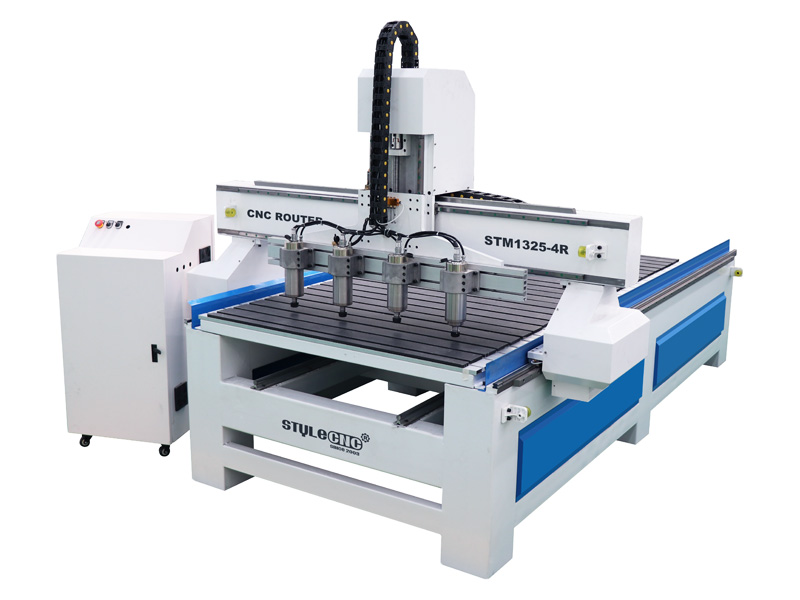
For pricing details on our CNC 3D wood carving machines, contact Susan Leo at [email protected]. Our manufacturing facility is based in Shenzhen, ensuring high-quality production and efficient lead times. Reach out today for a detailed quote tailored to your specifications.
🚀 Rapid Prototyping Estimator
Estimate rough cost index based on volume.