
Contents
Manufacturing Insight: Clear Plastic Sheet 4X8
Precision Plastic Fabrication for 4×8 Clear Sheet Applications
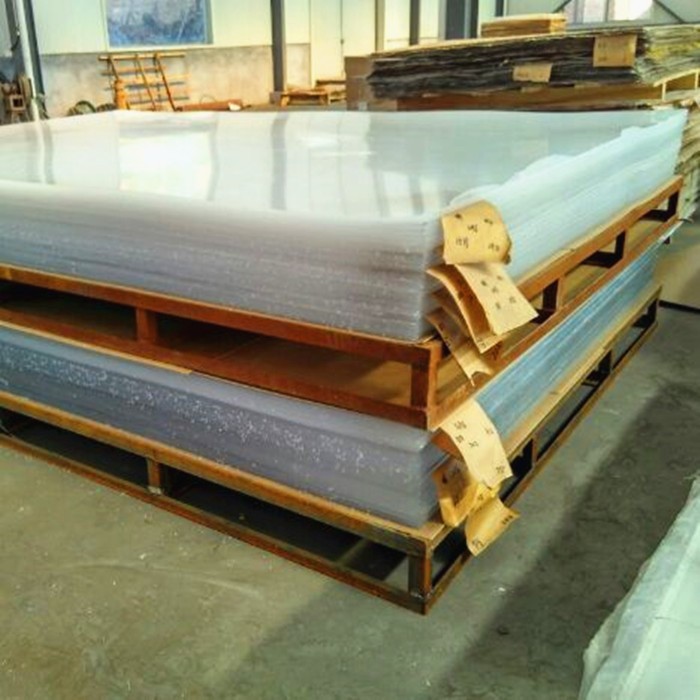
Honyo Prototype delivers engineered solutions for demanding applications requiring 4×8 clear plastic sheets, including acrylic (PMMA), polycarbonate (Lexan), and PETG. While our core expertise spans sheet metal fabrication for metals like aluminum, stainless steel, and mild steel, we extend the same rigorous precision, material science proficiency, and value-added capabilities to plastic sheet processing. Our integrated facility supports cutting, CNC routing, laser engraving, bending, polishing, and assembly of clear plastic sheets to exacting tolerances, ensuring optical clarity and structural integrity for enclosures, displays, machine guards, and prototyping needs.
Leveraging advanced machinery and process controls, we address critical factors such as thermal stress management during fabrication, edge quality optimization, and scratch mitigation—key considerations often overlooked in standard plastic sheet supply. This technical approach minimizes waste and rework, directly translating to cost efficiency for your project.
For rapid project initiation, utilize Honyo’s Online Instant Quote platform. Upload your 2D/3D files specifying material type, thickness, and fabrication requirements for clear plastic sheets, and receive a detailed, binding quote within hours—not days. This seamless integration of material expertise, precision fabrication, and digital procurement accelerates your path from design to functional prototype or low-volume production.
| Service Feature | Benefit for Clear Plastic Sheets |
|---|---|
| CNC Routing & Laser | Burr-free edges, complex geometries |
| Stress-Relieved Bending | Optically clear bends without distortion |
| Edge Polishing | Enhanced light transmission and aesthetics |
| Tolerance Control | ±0.005″ accuracy for critical assemblies |
Technical Capabilities
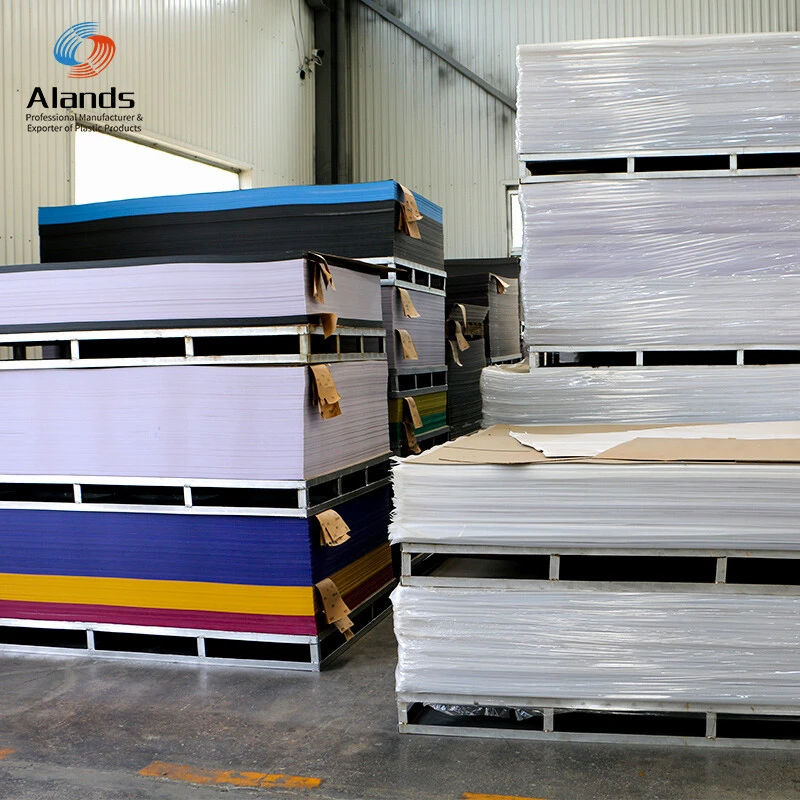
The term “clear plastic sheet 4×8″ typically refers to a flat thermoplastic panel measuring 4 feet by 8 feet (48″ x 96”) in size, commonly used in prototyping, enclosures, signage, and industrial applications. While aluminum and steel are not clear materials and do not apply to clear plastic sheets, they are included here for comparative context. Below is a technical specification table focused on laser cutting, bending, and welding compatibility for common materials, with emphasis on clear plastic variants.
| Material | Form (4×8) | Transparency | Laser Cutting Compatibility | Bending Characteristics | Welding Methods | Notes |
|---|---|---|---|---|---|---|
| Acrylic (PMMA) | Clear plastic sheet | High | Excellent – clean cuts with CO₂ lasers; minimal charring | Good – can be heat-bent using strip heaters or ovens; requires controlled heating | Not typically welded; solvent bonding (e.g., dichloromethane) preferred | Most common clear 4×8 plastic sheet; brittle, prone to cracking under stress |
| Polycarbonate (PC) | Clear plastic sheet | High | Good – requires controlled CO₂ laser parameters; may discolor or flame if overheated | Excellent – high ductility allows for tight-radius cold forming and heat bending | Ultrasonic, vibration, or hot-plate welding; solvent welding limited | High impact resistance; more expensive than acrylic |
| ABS (Acrylonitrile Butadiene Styrene) | Available as opaque/transparent sheet | Low to moderate (usually opaque) | Fair – cuts well but produces sooty edges; releases hazardous fumes | Good – easily heat-bent with even heating | Hot gas, ultrasonic, or solvent welding | Not typically used in clear 4×8 format; more common in opaque colors |
| Nylon (Polyamide) | Available in sheet form | Opaque (not clear) | Poor – high melting point and poor laser absorption; not recommended | Moderate – requires high-temperature forming | Hot gas, friction, or ultrasonic welding | Not suitable as a clear sheet; hygroscopic, requires drying pre-processing |
| Aluminum | Metal sheet | Opaque | Not applicable – reflective; requires fiber laser with high power | Yes – requires press brake; work-hardens quickly | TIG, MIG, or spot welding | Not transparent; used for structural framing, not clear enclosures |
| Steel | Metal sheet | Opaque | Possible with high-power fiber laser; not typical for thin sheet in this context | Yes – press brake forming | MIG, TIG, or spot welding | Opaque and heavy; not used where transparency is required |
Notes on Application Context:
For laser cutting of clear plastics, acrylic (PMMA) is the most suitable due to its excellent laser compatibility and optical clarity.
Polycarbonate offers superior toughness and is preferred in impact-prone environments but requires careful laser settings to avoid melting or flaming.
Bending of clear plastics is typically done using heated bending bars or ovens to achieve precise angles without stress cracking.
Welding of thermoplastics like acrylic or polycarbonate is generally not performed; instead, adhesives or mechanical fasteners are used. Where welding is needed, ultrasonic or vibration welding is limited to jointed parts, not full sheets.
Aluminum and steel are included for comparison but are not relevant to “clear” sheet applications. They may be used in hybrid structures with clear plastic panels for rigidity or framing.
From CAD to Part: The Process
Honyo Prototype executes a streamlined, technology-driven workflow for clear plastic sheet fabrication (standard 4×8 ft / 1220×2440 mm acrylic or polycarbonate). This process ensures precision, cost efficiency, and rapid turnaround for B2B clients requiring optical-grade components. Below is the detailed technical sequence.
Upload CAD
Clients initiate the process by uploading native CAD files (STEP, IGES, or native SolidWorks) via our secure customer portal. For clear sheet applications, we specifically require geometric data defining cut profiles, hole patterns, and critical tolerances. Material type (e.g., extruded vs. cast acrylic), thickness (typically 1.5–25 mm), and optical grade (e.g., OP-3 for minimal distortion) must be specified. Our system validates file integrity and flags unsupported formats before proceeding.
AI Quote Generation
Honyo’s proprietary AI engine processes the CAD geometry against real-time material costs, machine utilization rates, and logistics data. For clear sheets, the algorithm factors in:
Nesting efficiency to minimize sheet waste (critical for high-cost optical materials)
Secondary operation costs (e.g., flame polishing edges to prevent haze)
Handling protocols for scratch-sensitive surfaces
Quotes are generated in under 90 seconds with granular cost breakdowns. Clients receive instant digital approval options or can request engineering consultation for complex requirements.
DFM Analysis
Every design undergoes automated and engineer-reviewed Design for Manufacturability assessment. Key checks for clear plastic sheets include:
| DFM Parameter | Critical Thresholds for Optical Clarity | Mitigation Actions |
|---|---|---|
| Minimum Bend Radius | ≥ 180x material thickness (polycarbonate) | Suggest annealing or alternative routing |
| Laser Kerf Width | ≤ 0.15 mm (to avoid edge clouding) | Switch to CNC routing for critical optics |
| Hole-to-Edge Distance | ≥ 2.5x material thickness | Redesign to prevent stress fractures |
| Tolerance Stack-Up | ±0.1 mm max on mating features | Recommend post-process machining |
Engineers provide annotated feedback within 4 business hours, highlighting risks like thermal warpage during cutting or micro-scratches from improper handling. Clients approve revisions via the portal before production release.
Production Execution
Approved designs move to our climate-controlled fabrication zone. Clear sheet processing involves:
Material staging with anti-static protocols to prevent particle adhesion
CNC routing using diamond-coated tools at optimized feeds/speeds (e.g., 12,000 RPM for 6mm acrylic) to eliminate melt lines
Optional secondary operations: flame polishing, UV-resistant edge coating, or precision drilling under low-RPM coolant flood
In-process optical inspection with spectrophotometers measuring haze (ASTM D1003) and transmission (ASTM D1044)
All parts undergo final cleaning in ISO Class 8 laminar flow stations with isopropyl alcohol wipes before packaging.
Delivery Logistics
Finished components ship in custom protective packaging:
Individual sheets wrapped in low-adhesion PE film with anti-fogging desiccant
Edge protectors and rigid corrugated dividers for multi-part orders
Humidity-controlled pallets (<45% RH) for long-distance shipments
Clients receive real-time logistics tracking with delivery confirmation. Standard lead time is 3–5 business days from CAD approval, with expedited 24-hour options for urgent optical prototypes. All shipments include material certifications (e.g., UL 94 HB) and optical test reports upon request.
Start Your Project
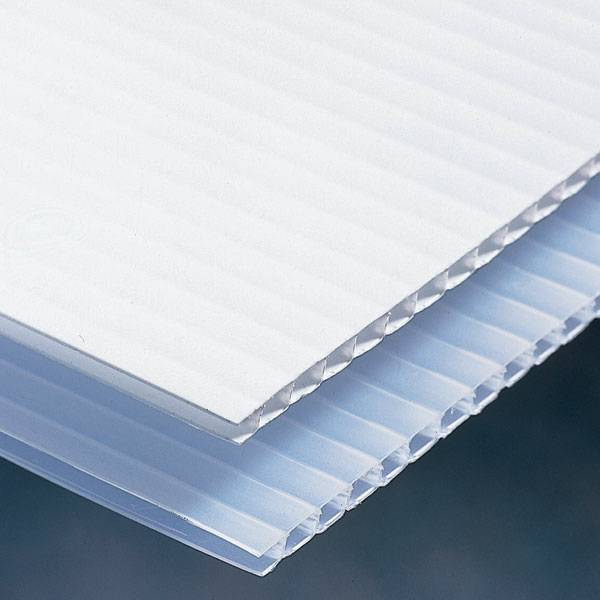
Need clear plastic sheets in 4×8 dimensions? Contact Susan Leo at [email protected] for fast, reliable sourcing from our factory in Shenzhen. We provide high-quality materials tailored to your production requirements. Reach out today for competitive pricing and quick turnaround.
🚀 Rapid Prototyping Estimator
Estimate rough cost index based on volume.