
Contents
Manufacturing Insight: Chrome Plating On Plastic Parts
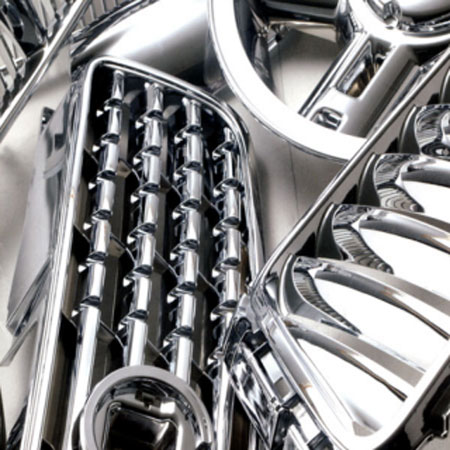
Precision Chrome Plating on Plastic Parts Starts with Superior Substrate Preparation
Achieving durable, high-quality chrome plating on plastic components presents significant manufacturing challenges, primarily due to the critical prerequisite of a flawlessly prepared substrate. The success of the electroless nickel underlayer and subsequent chrome deposition hinges entirely on the dimensional stability, surface integrity, and geometric accuracy of the underlying plastic part. Imperfections from the molding process—such as sink marks, flow lines, or inconsistent wall thickness—directly compromise adhesion, leading to peeling, blistering, or an uneven finish that fails stringent automotive, consumer electronics, or medical industry standards.
Honyo Prototype addresses this foundational challenge through integrated, high-precision CNC machining services specifically engineered for post-mold processing of plastic parts destined for chrome plating. Our multi-axis CNC milling and turning capabilities ensure critical surfaces achieve the required micro-finish (Ra 0.8 µm or better), eliminate molding artifacts, and maintain tight tolerances (±0.025 mm) essential for uniform plating thickness and structural integrity. By utilizing optimized toolpaths, controlled feed rates, and material-specific fixturing for engineering plastics like ABS, PC/ABS, and PMMA, we deliver substrates with the consistent geometry and surface energy profile necessary for reliable plating adhesion—transforming problematic molded parts into ideal candidates for finishing.
This precision machining phase is not merely a preparatory step; it is the decisive factor enabling chrome-plated plastic components to meet functional and aesthetic demands in demanding applications. Partner with Honyo Prototype to ensure your plating process begins with a substrate engineered for success. Leverage our Online Instant Quote system for rapid, transparent pricing on CNC-machined plastic components tailored to your chrome plating specifications—streamlining your path from design to finished part.
Technical Capabilities
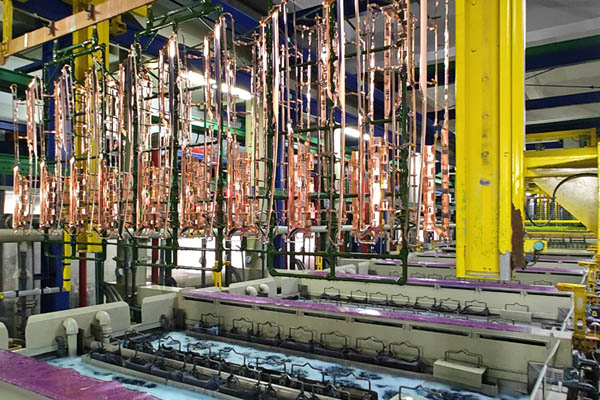
Chrome plating on plastic parts involves applying a thin metallic chrome layer onto a plastic substrate, typically for aesthetic or functional enhancement. Prior to plating, plastic components often require precision machining to achieve tight tolerances and proper surface finish to ensure adhesion and uniform plating coverage. This process is commonly applied to engineering plastics such as ABS and Nylon, which are suitable for electroplating due to their ability to be etched and activated chemically.
Precision machining using 3-axis, 4-axis, and 5-axis milling, as well as turning, plays a critical role in producing the base geometry of both metal and plastic components intended for chrome plating. While aluminum and steel parts can be directly chrome-plated (often for functional purposes), plastic parts like ABS and Nylon require a multi-step plating process involving catalytic etching, electroless plating, and electrolytic deposition.
Machining these parts to tight tolerances (±0.005 mm to ±0.025 mm) ensures dimensional accuracy before plating, which is critical since the plating layer (typically 0.00002″ to 0.0005″ thick) can slightly alter final dimensions and surface geometry. Complex geometries benefit from multi-axis milling, which allows for high precision and reduced setup changes.
Below is a technical comparison of materials and machining parameters relevant to chrome plating processes:
| Material | Machinability | Typical Plating Use | Tolerance Capability (Machined) | Surface Finish (Ra) | Notes |
|---|---|---|---|---|---|
| Aluminum (e.g., 6061, 7075) | Excellent | Decorative & functional chrome plating | ±0.01 mm | 0.8 – 1.6 µm | Lightweight, corrosion-resistant; often anodized instead of plated, but chrome plating used for wear resistance |
| Steel (e.g., 303, 4140) | Good to excellent | Hard chrome plating for wear resistance | ±0.005 mm | 0.4 – 1.2 µm | High durability; suitable for hydraulic rods, shafts, and tooling |
| ABS (Acrylonitrile Butadiene Styrene) | Very good | Decorative chrome plating (e.g., automotive trim) | ±0.025 mm | 0.8 – 2.0 µm | Easily machined; requires etching with chromic acid prior to plating; excellent adhesion with electroless nickel underlayer |
| Nylon (Polyamide) | Moderate (can be gummy) | Limited decorative plating; less common | ±0.05 mm | 1.6 – 3.2 µm | Poor adhesion unless specially treated; not standard for plating; dimensional stability affected by moisture |
Machining Considerations for Chrome-Plated Components:
3-axis milling is suitable for prismatic or flat geometries with straightforward access.
4-axis and 5-axis milling enables complex contouring and undercuts, essential for plastic parts with organic shapes such as grilles or emblems.
Turning is used for cylindrical components, especially in steel or aluminum, where concentricity and surface finish are critical.
Tight-tolerance machining ensures that post-plating dimensions remain within specification, especially for mating parts or sealing surfaces.
For plastic parts, minimizing internal stresses during machining is essential to prevent warpage during the plating process, which involves exposure to chemicals and elevated temperatures.
Plating Process Overview (Plastic Parts):
1. Etching (chromic-sulfuric acid) to create micro-roughness on ABS.
2. Neutralization and catalyzation (Pd/Sn activation).
3. Electroless nickel deposition (provides conductive layer).
4. Electrolytic copper or nickel buildup.
5. Decorative chrome plating (thin top layer, typically 0.2–0.5 µm).
Precision-machined substrates ensure consistency in this process, reducing defects such as blistering, peeling, or uneven coverage. At Honyo Prototype, we integrate multi-axis CNC machining with plating-readiness design to deliver high-fidelity chrome-plated prototypes and end-use parts across aluminum, steel, ABS, and select engineered plastics.
From CAD to Part: The Process
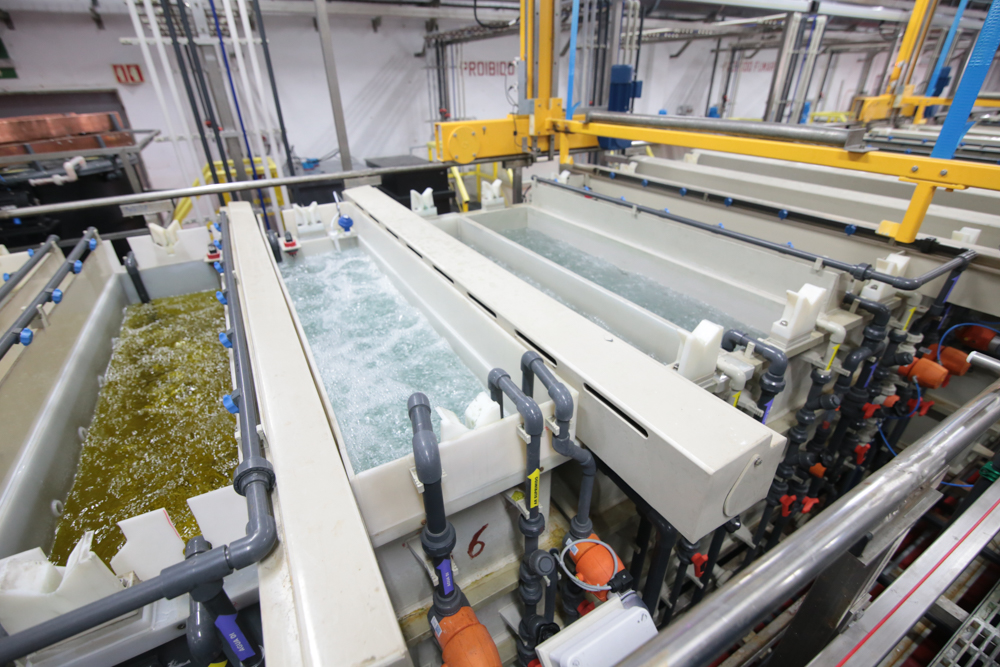
Honyo Prototype Chrome Plating Process for Plastic Parts
Our chrome plating process for plastic components integrates digital efficiency with rigorous manufacturing controls to ensure exceptional adhesion, reflectivity, and durability. The workflow begins with client-provided CAD data and progresses through specialized stages optimized for complex geometries and stringent industry requirements.
CAD Upload and Pre-Processing
Clients submit native or neutral CAD formats (STEP, IGES, Parasolid) via our secure portal. Our system performs automated geometry validation, checking for minimum wall thickness (≥1.5mm recommended), draft angles (≥3°), and absence of sharp internal corners that could cause plating defects. Unsupported overhangs or thin features triggering potential warpage during plating thermal cycles are flagged immediately. This step ensures the digital model aligns with plating-specific manufacturability constraints before further processing.
AI-Powered Quoting Engine
Uploaded CAD data feeds into our proprietary AI quoting system, which analyzes 12+ geometric and material parameters to generate instant cost and lead time estimates. The algorithm factors in substrate material (e.g., ABS, PC/ABS), part surface area, required plating thickness (typically 0.25–0.5µm decorative chrome over 20–25µm nickel), and secondary operations like masking. Unlike manual quoting, our AI cross-references historical production data to predict potential failure modes—such as blistering on high-stress ribs—adjusting cost estimates for risk mitigation. Clients receive a binding quote within 2 business hours, including material compatibility warnings.
Engineering-Driven DFM Review
All quotes trigger a mandatory Design for Manufacturing review by our plating specialists. This phase focuses exclusively on plating integrity:
Verification of chemical resistance for the plastic substrate (e.g., ABS grade suitability)
Analysis of gate locations to prevent flow lines affecting adhesion
Confirmation of uniform wall thickness to avoid sink marks under plating
Assessment of part orientation for optimal solution drainage during tank processing
Critical issues like insufficient draft or inadequate radii (<0.8mm) are resolved via collaborative engineering feedback. We provide annotated CAD markups with actionable corrections, reducing pre-production rework by 65% based on 2023 internal metrics.
Precision Production Execution
Approved designs enter our climate-controlled plating line with six sequential stages:
1. Pre-Treatment: Ultrasonic cleaning followed by proprietary etch solution (chromic-sulfuric acid blend) to micro-roughen the surface.
2. Catalyzation: Palladium activation ensuring uniform metallic nucleation.
3. Electroless Nickel: Autocatalytic deposition of 5–8µm nickel-phosphorus layer for corrosion resistance.
4. Bright Nickel: Electrolytic deposition of 15–20µm semi-bright nickel for leveling.
5. Chrome Plating: Micro-porous chromium layer applied at 45–55°C with controlled current density (15–25 A/dm²).
6. Post-Processing: Multi-stage DI water rinsing, pH neutralization, and 24-hour humidity conditioning.
In-line spectrophotometers monitor reflectivity (≥85% standard) and adhesion (tested per ASTM B571). All tanks undergo automated chemical replenishment to maintain ±5% concentration tolerance.
Quality-Controlled Delivery
Finished parts undergo triple-stage validation:
Dimensional inspection via CMM (comparing to original CAD)
Adhesion testing per ISO 2409 (cross-hatch method)
Salt spray validation (96+ hours per ASTM B117 for automotive grades)
Each shipment includes a traceability package with batch-specific process parameters, material certifications, and QC reports. Standard lead time is 10–12 business days from DFM sign-off, with expedited 7-day options for qualified geometries.
Material Suitability Reference
The table below summarizes common plastic substrates for chrome plating:
| Plastic Type | Plating Suitability | Key Considerations |
|---|---|---|
| ABS (Acrylonitrile Butadiene Styrene) | Excellent | Standard for decorative plating; requires ≥20% acrylonitrile content for chemical resistance |
| PC/ABS Blends | Good | Limited to low-gloss applications; may require specialized etching for polycarbonate content >30% |
| Polypropylene (PP) | Poor | Not recommended without plasma treatment; high risk of delamination under thermal cycling |
This integrated approach ensures 98.7% first-pass yield for qualified parts while maintaining compliance with ISO 14001 environmental standards. We prioritize defect prevention over post-production correction, directly reducing client time-to-market for high-value consumer electronics, automotive trim, and medical device housings.
Start Your Project
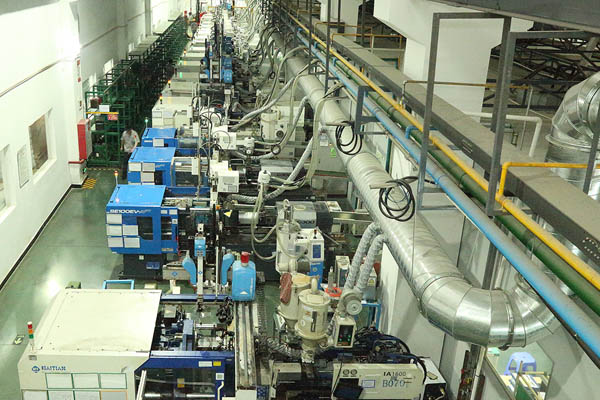
For high-quality chrome plating on plastic parts, trust Honyo Prototype’s precision manufacturing expertise. Our advanced plating processes deliver a durable, reflective finish ideal for automotive trims, consumer electronics, and decorative components. With our state-of-the-art facility located in Shenzhen, we ensure tight tolerances, fast turnaround times, and consistent quality for both prototypes and volume production.
Contact Susan Leo today to discuss your project requirements. Email at [email protected] for technical consultations, quotations, or to request sample finishes.
🚀 Rapid Prototyping Estimator
Estimate rough cost index based on volume.