
Contents
Manufacturing Insight: Chrome Plated Aluminum Wheels
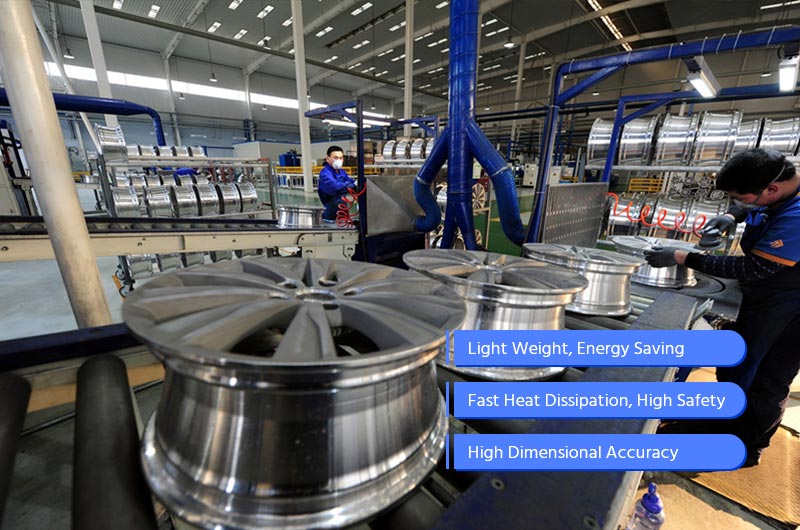
Precision Chrome Plated Aluminum Wheels Engineered for Performance
Honyo Prototype delivers exceptional chrome plated aluminum wheels through advanced CNC machining services tailored for demanding automotive and industrial applications. Our multi-axis CNC milling and turning processes achieve micron-level tolerances (±0.005mm) and superior surface finishes, ensuring optimal adhesion for chrome plating while eliminating defects like porosity or distortion. This precision is critical for wheel integrity, balancing, and long-term corrosion resistance in high-stress environments.
We leverage proprietary toolpath optimization and in-process metrology to maintain strict dimensional conformity across complex geometries, from intricate spoke designs to hub interfaces. Every component undergoes rigorous first-article inspection against ISO 2768-mK standards before plating, guaranteeing seamless integration with your finishing workflows.
Accelerate your prototyping or low-volume production with Honyo’s Online Instant Quote platform. Upload CAD files to receive detailed manufacturability feedback and competitive pricing within hours—not days—reducing time-to-test by up to 70%. Partner with us for wheels where precision engineering meets rapid, reliable delivery.
Technical Capabilities
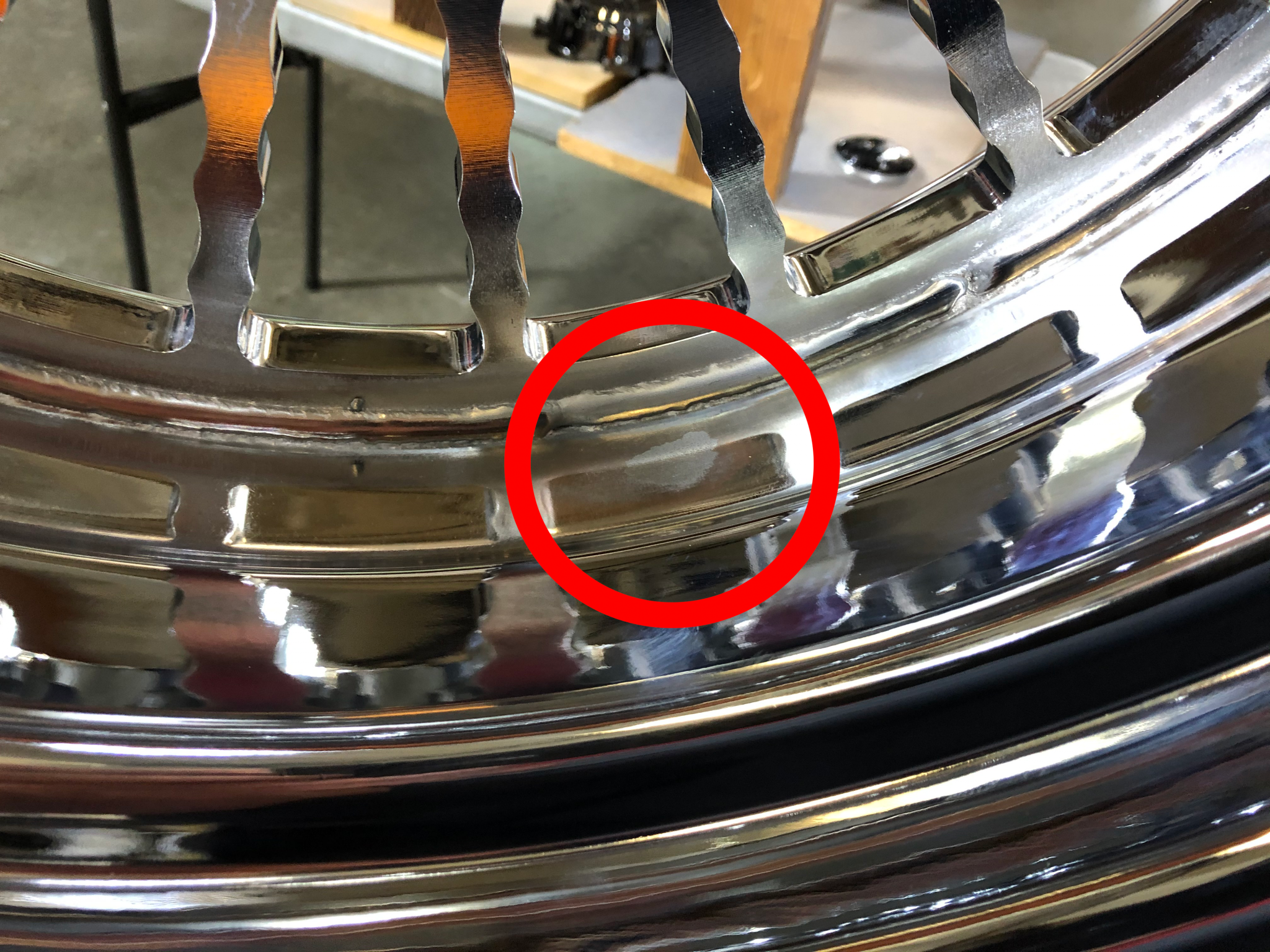
Technical Specifications for Chrome Plated Aluminum Wheels – Machining & Material Considerations
Chrome plated aluminum wheels are high-performance components commonly used in automotive, aerospace, and industrial applications where aesthetics, strength-to-weight ratio, and corrosion resistance are critical. The manufacturing process involves precision machining followed by surface finishing. Key operations include 3-axis, 4-axis, and 5-axis CNC milling, turning, and tight tolerance control to ensure dimensional accuracy and structural integrity prior to chrome plating.
Machining is typically performed on forged or cast aluminum alloys such as 6061-T6 or 7075-T6 due to their excellent machinability, strength, and weldability. Secondary components or inserts may utilize steel, ABS, or nylon for specific functional requirements such as fastening, damping, or insulation.
Below is a detailed breakdown of technical specifications and material use:
| Parameter | Specification |
|---|---|
| Primary Material (Wheel Substrate) | Aluminum Alloy (6061-T6, 7075-T6) – forged or high-pressure die-cast |
| Secondary Materials (Inserts/Fasteners) | Stainless Steel (e.g., 304, 316), ABS (for trim or non-structural inserts), Nylon (e.g., PA6, PA66 for insulating sleeves or bushings) |
| Machining Process | Multi-axis CNC: 3-axis, 4-axis, and 5-axis milling for complex spoke geometry and surface contouring; CNC turning for hub bore, lug holes, and back face features |
| Tolerance Range | ±0.025 mm (±0.001″) for critical fit dimensions (e.g., hub bore, centering ring); ±0.05 mm (±0.002″) for non-critical surfaces |
| Surface Finish (Pre-Plate) | Ra ≤ 0.8 µm (32 µin) achieved via precision milling and polishing; required for uniform chrome adhesion and aesthetic quality |
| Dimensional Stability | Verified via CMM (Coordinate Measuring Machine) post-machining to ensure runout < 0.1 mm and concentricity within 0.03 mm |
| Feature Complexity | 5-axis milling enables undercuts, compound angles, and sculpted spoke profiles without secondary fixturing |
| Post-Machining Process | Electroless nickel undercoating (optional), multi-stage polishing, copper/nickel/chrome electroplating (typically 0.25–0.5 µm chrome layer) |
| Environmental Resistance | Salt spray tested to >500 hours per ASTM B117 after plating; substrate anodized or sealed if required |
| Tooling Requirements | Carbide end mills (corner radius or ball nose), high-speed steel (HSS) taps for threaded inserts, diamond-coated tools for ABS/nylon trimming |
| Inspection Standards | ISO 2768-mK (general tolerances), ASME Y14.5 for GD&T, IPC-6012 (for embedded conductive features if applicable) |
Note: ABS and nylon components are not machined as primary wheel structures but may be integrated as inserts or trim elements and machined separately with lower tolerance requirements (±0.1 mm typical). Steel inserts (e.g., lug nuts, studs) are typically press-fit or threaded into aluminum and require precise thread alignment and torque specifications.
All chrome plated aluminum wheels must maintain tight geometric tolerances throughout machining to prevent distortion during plating and ensure proper fitment on vehicle hubs.
From CAD to Part: The Process
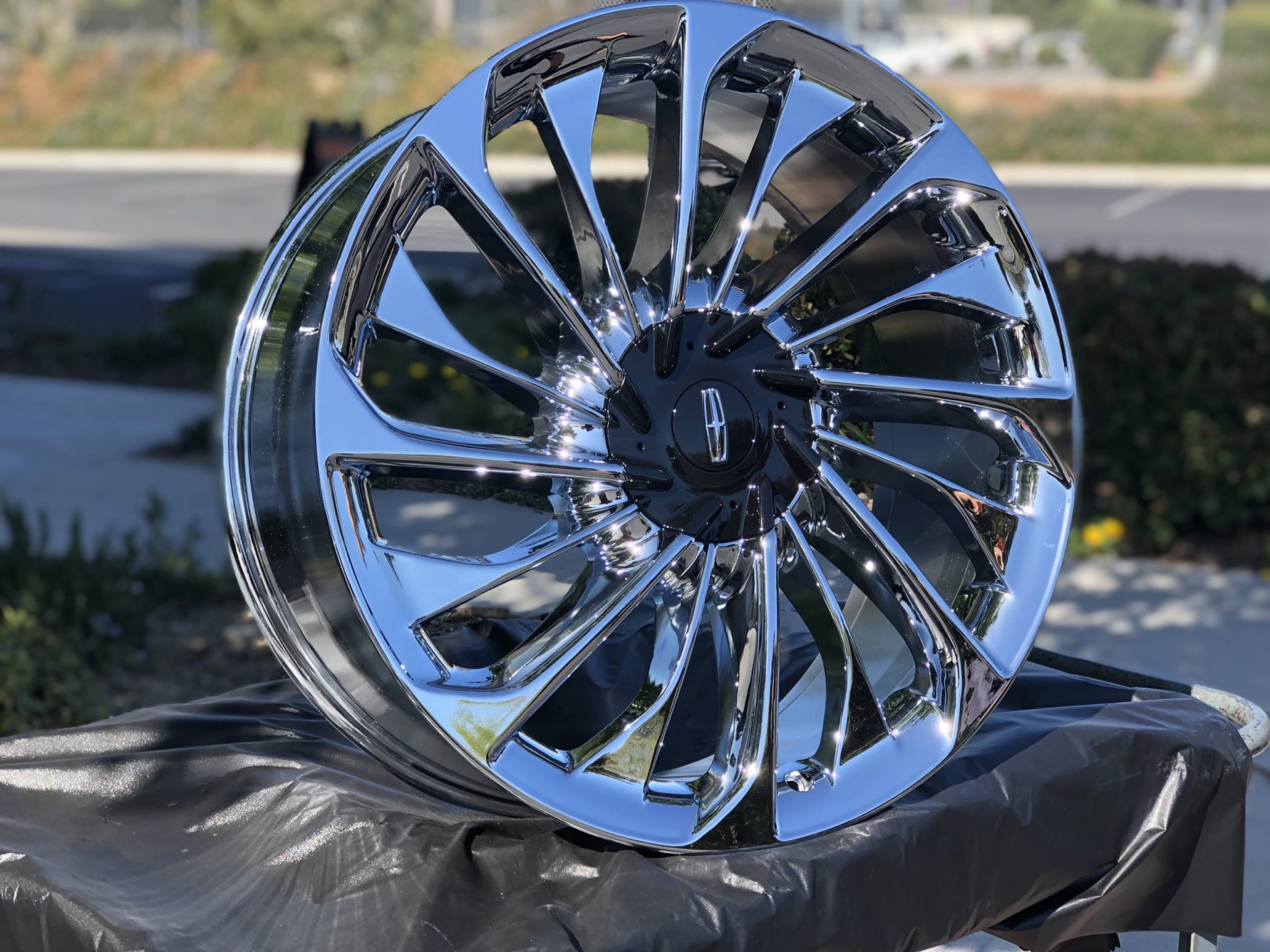
Honyo Prototype Chrome Plated Aluminum Wheel Manufacturing Process
Our end-to-end workflow for chrome plated aluminum wheels integrates digital efficiency with precision metallurgical controls. The process begins when a client uploads a validated CAD file in STEP, IGES, or native SOLIDWORKS format to our secure portal. This file must include critical geometry, material specifications (e.g., A356-T6 aluminum alloy), and surface finish requirements. Non-compliant submissions trigger immediate feedback for revision.
AI-Powered Quoting Engine
Upon CAD validation, our proprietary AI engine analyzes geometry, material volume, and plating complexity to generate a preliminary quote within 4 business hours. The system cross-references historical data on aluminum wheel production, including plating tank chemistry costs, masking requirements, and alloy-specific anodizing pretreatment needs. Crucially, the AI flags designs with wall thickness below 1.5mm or unsupported overhangs exceeding 15°—common failure points during plating stress cycles. Human engineers review all AI outputs to validate thermal distortion risks and plating adhesion feasibility.
Design for Manufacturing (DFM) Review
Engineers conduct a rigorous DFM assessment focused on chrome plating viability. Key checks include:
Elimination of sharp internal corners (minimum 0.8mm radius) to prevent plating burn
Verification of uniform wall thickness to avoid differential thermal expansion during plating
Confirmation of proper venting holes for hydrogen gas evacuation during electroplating
Assessment of masking zones for bolt patterns and valve stems
Clients receive a detailed DFM report with actionable revisions, typically within 48 hours. Unresolved issues like inadequate draft angles for casting or insufficient material for post-plating polishing halt progression.
Production Execution
Approved designs enter a tightly controlled production sequence:
| Stage | Key Parameters | Quality Control |
|---|---|---|
| Casting | Low-pressure A356-T6 casting; 710°C pour temp | X-ray porosity scan per ASTM E505 |
| Machining | 5-axis milling; ±0.05mm tolerances | CMM verification of critical interfaces |
| Pre-Plating | Alkaline soak, acid etch, zincate strike | Adhesion test per ASTM B571 |
| Chrome Plating | Dual-layer: 25μm copper undercoat + 12μm decorative chrome; 65-70°C bath | Thickness verification via XRF; 24hr salt spray per ASTM B117 |
Plating tanks undergo automated chemistry monitoring with real-time pH and temperature adjustments. All wheels receive post-plate vibratory finishing to eliminate micro-pits before final polishing.
Delivery and Traceability
Finished wheels undergo final inspection per customer-specified AQL levels, including reflectivity measurements (minimum 95% at 60° gloss) and impact testing. Each unit ships with a traceability tag linking to:
Batch-specific plating bath logs
CMM reports for critical dimensions
Salt spray test certificates
Material mill certificates
Standard lead time is 14-18 business days from CAD approval, with expedited options for validated production designs. All shipments include climate-controlled packaging to prevent micro-scratches during transit.
Start Your Project
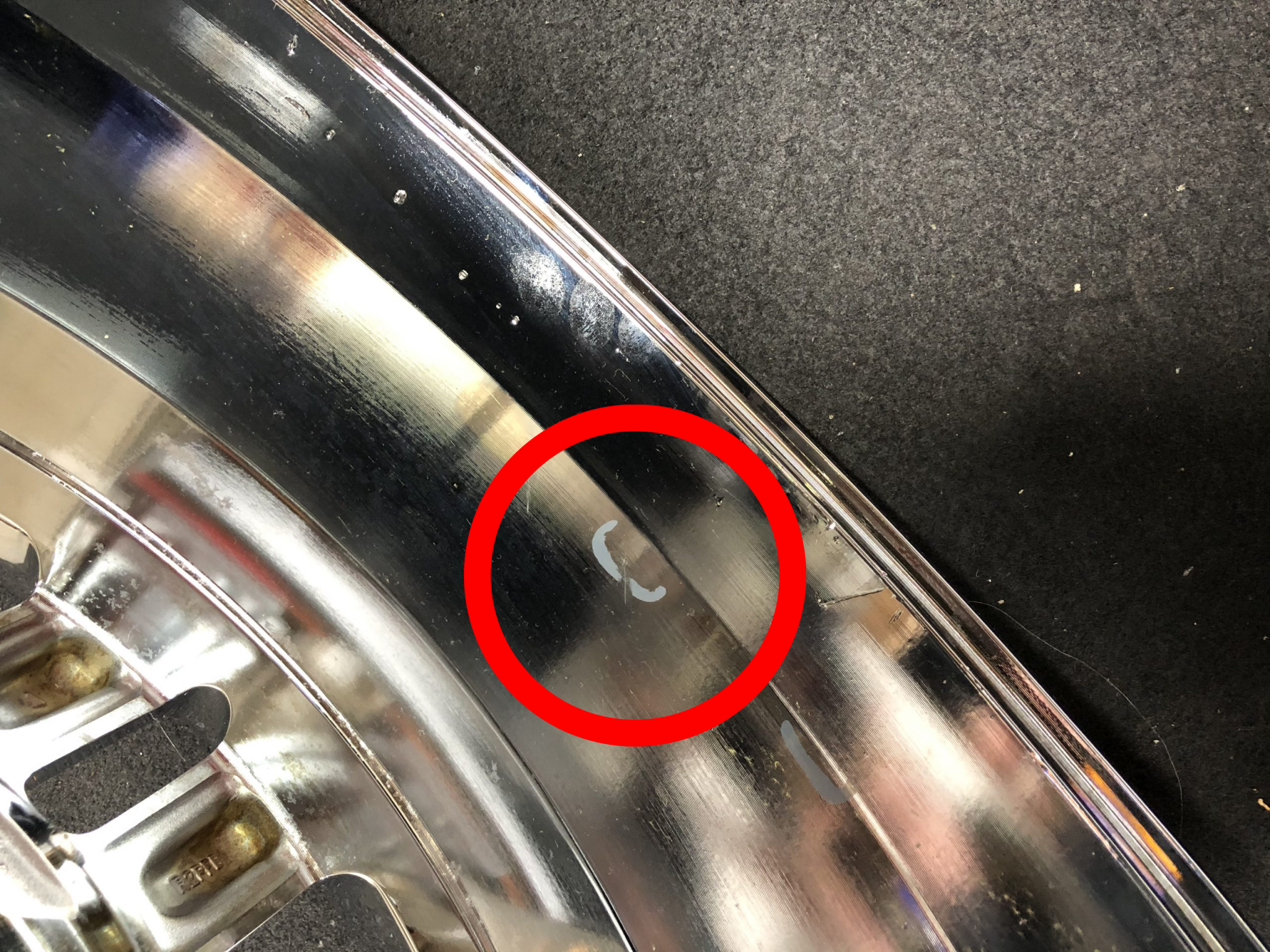
Explore high-performance chrome plated aluminum wheels engineered for durability and precision. Ideal for automotive OEMs and aftermarket suppliers seeking superior quality and finish consistency.
Manufactured at our ISO-certified facility in Shenzhen, China, using advanced plating techniques and stringent quality control protocols. Each wheel undergoes comprehensive testing to meet international standards for strength, corrosion resistance, and surface uniformity.
For partnership, quotations, or technical specifications, contact Susan Leo at [email protected]. Leverage our expertise in prototype-to-production support and scalable manufacturing solutions.
🚀 Rapid Prototyping Estimator
Estimate rough cost index based on volume.