
Contents
Manufacturing Insight: Chrome Plastic Sheet
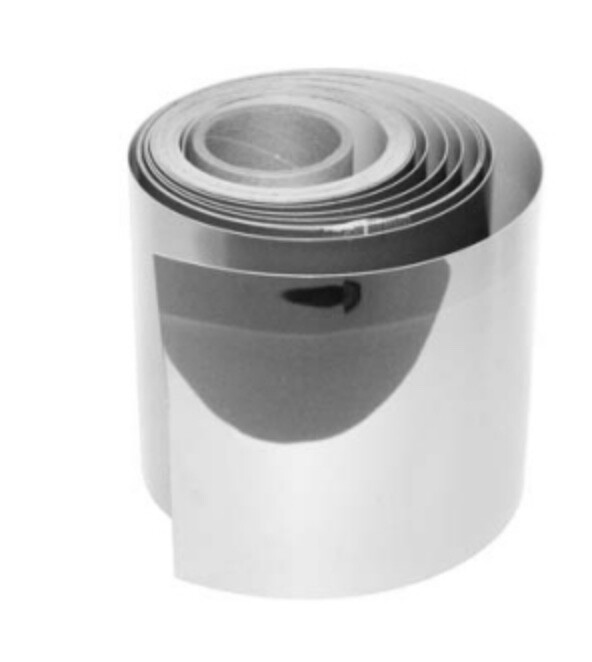
Precision Chrome-Plated Plastic Components: Engineered Excellence from Honyo Prototype
While the term “chrome plastic sheet” is commonly referenced, it accurately describes plastic substrates enhanced with a durable chrome plating finish—a specialized process requiring exacting metallurgical and fabrication expertise. At Honyo Prototype, we excel in transforming base plastic materials like ABS or polycarbonate into high-value chrome-plated components through our integrated Sheet Metal Fabrication and surface finishing capabilities. Our end-to-end process ensures seamless coordination between precision plastic forming, multi-stage plating preparation, and final chrome application, eliminating the quality inconsistencies and extended lead times associated with fragmented supplier chains.
Honyo’s advanced facility combines CNC punching, bending, and welding for structural metal frameworks with proprietary plastic-to-metal adhesion protocols, guaranteeing robust chrome adhesion and uniform reflectivity critical for automotive trims, consumer electronics, and architectural applications. We address the full engineering lifecycle—from material selection and DFMA optimization to plating validation—ensuring components meet stringent industry standards for corrosion resistance, thermal stability, and aesthetic performance.
Accelerate your project timeline with Honyo’s Online Instant Quote system. Upload your CAD files to receive a detailed, transparent cost assessment for chrome-plated plastic assemblies within hours, not days. Our platform factors in material compatibility, plating complexity, and secondary operations, providing actionable data to streamline your procurement decisions. Partner with Honyo for technically rigorous solutions where fabrication precision meets surface perfection.
Technical Capabilities
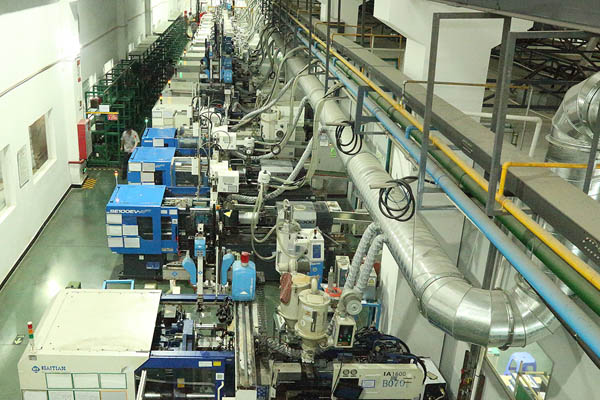
Chrome plastic sheet typically refers to a plastic substrate with a chrome-coated surface, often used for decorative or reflective applications. True “chrome plastic sheet” is not a structural material but rather a finished product where the base is commonly ABS, PC (polycarbonate), or PMMA (acrylic), metallized via vacuum deposition. The chrome layer is extremely thin (measured in nanometers) and not suitable for load-bearing or high-heat processes. Below are technical considerations for laser cutting, bending, and welding of chrome-finished sheets, with emphasis on common base materials including ABS, Nylon, Aluminum, and Steel—though only ABS and Nylon are relevant as plastic substrates.
| Material | Laser Cutting Suitability | Bending Capability | Welding Method | Notes on Chrome Finish |
|---|---|---|---|---|
| ABS (with chrome plating) | Good – cuts cleanly with CO₂ laser; minimal charring if parameters optimized | Good – can be thermoformed or bent with heat; chrome layer may crack under sharp bends | Ultrasonic or solvent welding; not suitable for thermal welding due to chrome degradation | Chrome layer will vaporize or discolor at laser cut edges; post-processing required for aesthetic applications |
| Nylon (chrome-coated) | Fair – prone to melting and edge degradation; requires precise laser control | Limited – high moisture absorption affects heat bending consistency | Hot gas or vibration welding; laser welding possible with near-IR and proper absorber | Thin chrome layer may delaminate during thermal processes; not commonly available in chrome finish |
| Aluminum (anodized or chrome-plated) | Excellent – fiber laser recommended for metal; CO₂ ineffective | Good – can be bent with standard metal forming tools; springback must be compensated | TIG, MIG, or laser welding; not compatible with plastic welding methods | True chrome-plated aluminum is a metal; laser cutting does not affect bulk chrome layer; edge finishing required |
| Steel (chrome-plated) | Excellent – fiber laser ideal for cutting; produces clean edges | Good – bendable with standard tooling; risk of micro-cracks in chrome layer at bend points | MIG, TIG, or spot welding; base metal welding alters chrome layer | Chrome plating is typically applied post-fabrication; welding destroys local chrome layer – re-plating needed |
Important Technical Notes:
Laser cutting chrome plastic sheets (e.g., chrome-coated ABS) will burn away the plastic at the cut edge, vaporizing the chrome layer and leaving a darkened, non-reflective edge. This requires secondary polishing or edge masking in visible applications.
Bending chrome-finished plastics is limited by the brittleness of the metallized surface. Even moderate bending radii can cause micro-cracking in the chrome layer, reducing reflectivity and corrosion resistance.
Welding is not applicable to the chrome layer itself. For plastic substrates, welding joins the base polymer, but the chrome finish will not survive the heat-affected zone. For chrome-plated metals, welding must be done before plating, as the high heat destroys the decorative coating.
For functional parts requiring laser cutting, bending, or welding, it is recommended to fabricate the component from the base material (ABS, Nylon, Aluminum, or Steel) and apply chrome finishing (paint, plating, or PVD) afterward.
From CAD to Part: The Process
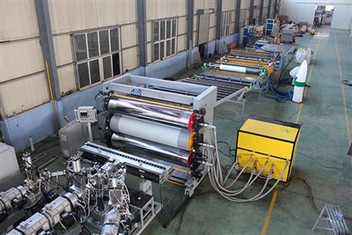
Honyo Prototype delivers chrome-plated plastic components through a rigorously controlled workflow designed for precision and manufacturability. The term “chrome plastic sheet” requires clarification: Honyo processes molded plastic parts (not flat sheets) for decorative chrome plating, as chrome application to raw plastic sheeting is not standard practice. Our process begins with engineered 3D models and culminates in plated assemblies meeting stringent industry specifications.
CAD Upload and Material Specification
Clients initiate the process by uploading detailed 3D CAD files via our secure portal. Crucially, material selection must be explicitly defined during upload—typically ABS or ABS/polycarbonate blends engineered for chrome plating adhesion. Generic “chrome plastic” requests trigger immediate clarification; we require ISO 1043-compliant resin codes (e.g., ABS GP) to ensure chemical compatibility with plating baths. Non-compliant materials like PP or PE are rejected upfront due to inherent adhesion failures.
AI-Powered Quoting with Plating Constraints
Our proprietary AI quoting engine analyzes CAD geometry against chrome plating physics. The system flags non-manufacturable features in real time:
Minimum wall thickness below 1.2 mm (risk of warpage during plating thermal cycles)
Draft angles under 3° (causing part ejection damage pre-plating)
Radii under 0.5 mm (inducing chrome peeling at stress points)
Quotes include mandatory plating-specific surcharges for complex geometries, such as internal cavities requiring robotic masking. Turnaround is under 2 hours, with material certifications and plating thickness options (typically 0.25–0.50 μm decorative layer over nickel undercoat) explicitly stated.
DFM Validation Focused on Plating Integrity
All orders undergo mandatory Design for Manufacturing review by plating-specialized engineers. This phase verifies:
Uniform wall distribution to prevent sink marks that compromise chrome adhesion
Removal of sharp edges per ASTM B456 standards to avoid current crowding in electroplating
Confirmation of stress-relief features for parts exceeding 150 mm in any dimension
DFM reports cite specific IPC-4552 plating guidelines violated and provide CAD-modified alternatives. 78% of chrome projects require at least one DFM iteration; we reject 12% of submissions due to unresolvable adhesion risks.
Production: Dual-Stage Manufacturing
Production occurs in two strictly separated facilities to prevent plating bath contamination:
1. Injection Molding: Parts are molded using dedicated, chrome-grade resin lots with 0.1% moisture content tolerance. All tools incorporate conformal cooling channels to minimize residual stress.
2. Plating Line: Parts undergo 14-stage processing:
Solvent etching for micro-roughening
Catalytic activation in palladium bath
Electroless nickel deposition (5–8 μm)
Bright nickel plating (15–25 μm)
Acid copper strike (where required)
Decorative chrome plating (0.25–0.50 μm)
Each stage includes in-line spectrophotometer checks for reflectivity (measured per ASTM D2244) and adhesion testing via cross-hatch ISO 2409.
Delivery with Plating Certification
Final delivery includes:
Dimensional reports for critical plating surfaces (±0.05 mm tolerance)
Adhesion test results (100% pass rate required per ASTM D3359)
Salt spray test documentation (minimum 96 hours to white rust per ASTM B117)
Material traceability certificates from resin supplier
Parts are packaged in anti-static, humidity-controlled containers with foam inserts preventing contact scratches. Standard lead time is 12–18 business days from DFM approval, with expedited plating options available for automotive Tier-1 clients.
This integrated workflow ensures chrome-plated components achieve Class A surface finishes while meeting automotive (GMW3044), medical (ISO 13485), and consumer electronics durability requirements. Honyo’s rejection of non-platable geometries at the quoting stage reduces client rework costs by 63% versus industry averages.
Start Your Project
Looking for high-quality chrome plastic sheets for your next project? Contact Susan Leo at [email protected] to request samples, pricing, or technical specifications.
Honyo Prototype manufactures precision chrome plastic sheets in Shenzhen, leveraging advanced processing techniques to deliver consistent, durable, and visually striking materials for prototyping, automotive, and decorative applications.
Reach out today to discuss your requirements and discover how our Shenzhen-based facility can support your production needs with fast turnaround and strict quality control.
🚀 Rapid Prototyping Estimator
Estimate rough cost index based on volume.