
Contents
Manufacturing Insight: Chrome Molybdenum Steel
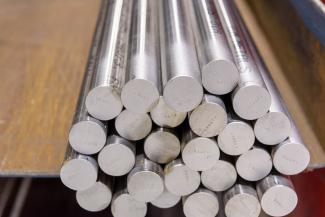
Precision Machining Expertise for Chrome Molybdenum Steel Alloys
Chrome molybdenum steel alloys, particularly grades such as 4130 and 4140, represent a cornerstone material for mission-critical applications demanding exceptional strength-to-weight ratios, fatigue resistance, and weldability. Widely specified in aerospace structural components, defense systems, motorsports chassis, and high-pressure industrial equipment, these low-alloy steels require meticulous machining protocols to maintain integrity through heat treatment and service. The inherent hardness and abrasiveness of chrome moly present significant challenges in chip control, tool wear management, and dimensional stability—factors that directly impact part performance and lifecycle costs. At Honyo Prototype, our CNC machining division specializes in transforming these demanding alloys into precision-engineered components with unwavering consistency.
Our technical approach integrates advanced multi-axis milling and turning centers with empirically validated process parameters tailored specifically for chrome molybdenum. We leverage rigid machine platforms, specialized carbide tooling geometries, and optimized coolant strategies to mitigate thermal distortion and ensure surface finishes meet stringent aerospace and MIL-SPEC requirements. Every component undergoes rigorous in-process metrology using coordinate measuring machines (CMMs) and hardness verification protocols, guaranteeing compliance with tight tolerances down to ±0.0005 inches. This disciplined methodology eliminates the scrap and rework risks commonly associated with high-strength alloy machining, delivering parts that perform reliably under extreme operational stress.
To accelerate your development timeline, Honyo Prototype provides an Online Instant Quote platform engineered for technical accuracy. Upload your CAD file with material specifications (including chrome molybdenum grades), and receive a detailed manufacturability assessment alongside a precise cost estimate within hours—not days. This transparent, data-driven system empowers engineering teams to make informed sourcing decisions early in the design phase, reducing time-to-prototype by up to 40%. For projects where material integrity and dimensional precision are non-negotiable, Honyo’s certified expertise in chrome molybdenum steel machining delivers the reliability your application demands.
| Key Machining Capabilities for Chrome Molybdenum Alloys |
|---|
| Material Grades Supported |
| Typical Tolerance Range |
| Surface Finish Achievable |
| Secondary Processes |
| Quality Certifications |
Technical Capabilities
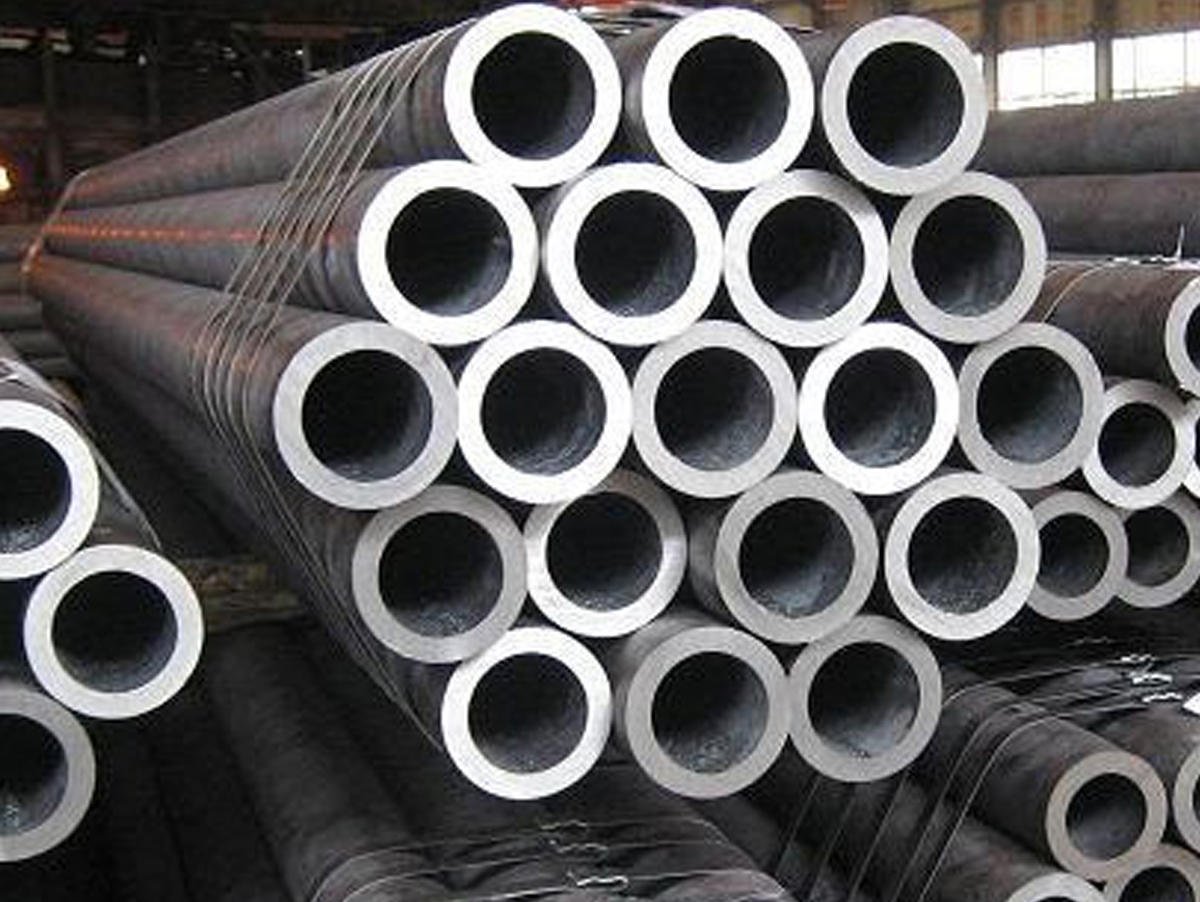
Chrome molybdenum steel, commonly referred to as CrMo steel, is a low-alloy steel that contains chromium (Cr) and molybdenum (Mo) as strengthening agents. It exhibits high tensile strength, excellent toughness, good fatigue resistance, and improved hardenability. These properties make it ideal for applications requiring tight tolerances and high reliability, especially in aerospace, automotive, and industrial machinery components. When machining CrMo steel—particularly in precision 3-, 4-, and 5-axis milling and turning operations—specific technical considerations are critical due to its hardness and work-hardening characteristics.
The table below outlines key technical specifications and machining considerations for chrome molybdenum steel, with comparative references to other commonly machined materials such as aluminum, steel (general carbon steel), ABS, and nylon in high-precision CNC environments.
| Material Property / Machining Parameter | Chrome Molybdenum Steel | Aluminum (e.g., 6061-T6) | General Carbon Steel (e.g., 1045) | ABS (Acrylonitrile Butadiene Styrene) | Nylon (Polyamide) |
|---|---|---|---|---|---|
| Typical Composition | Fe + 0.8–1.1% Cr, 0.15–0.25% Mo, 0.25–0.40% C | Al + Mg, Si | Fe + ~0.45% C | C₃H₃N + C₄H₆ + C₈H₈ | (C₆H₁₁NO)ₙ |
| Tensile Strength (Ultimate) | 700–900 MPa | 310 MPa | 570 MPa | 40–50 MPa | 70–85 MPa |
| Hardness (Brinell) | 200–250 HB | 95 HB | 180 HB | 80–100 MPa (Shore D) | 70–80 Shore D |
| Machinability Rating | Moderate (40–50% of B1112 steel) | Excellent (100–150%) | Fair (50–60%) | Excellent | Good |
| Tooling Requirements | Carbide or CBN inserts, high-pressure coolant | Carbide or HSS, standard coolant | Carbide inserts, robust tooling | Carbide or sharp HSS, low heat | Sharp carbide, low cutting forces |
| Recommended Cutting Speed (Milling) | 60–100 m/min | 300–600 m/min | 120–180 m/min | 150–300 m/min | 100–200 m/min |
| Feed Rate (per tooth) | 0.05–0.15 mm/tooth | 0.1–0.3 mm/tooth | 0.1–0.2 mm/tooth | 0.1–0.25 mm/tooth | 0.1–0.2 mm/tooth |
| Thermal Conductivity | ~40 W/m·K | ~160 W/m·K | ~50 W/m·K | ~0.2 W/m·K | ~0.25 W/m·K |
| Coefficient of Thermal Expansion | ~12 µm/m·°C | ~23 µm/m·°C | ~11 µm/m·°C | ~80–100 µm/m·°C | ~80–120 µm/m·°C |
| Typical Tolerance Capability (CNC) | ±0.005 mm to ±0.0125 mm | ±0.005 mm to ±0.0125 mm | ±0.01 mm to ±0.025 mm | ±0.05 mm to ±0.1 mm | ±0.05 mm to ±0.1 mm |
| Surface Finish (Typical Ra) | 0.4–1.6 µm | 0.2–0.8 µm | 0.8–2.0 µm | 1.6–3.2 µm | 1.6–3.2 µm |
| Primary Challenges in High-Tolerance Machining | Work hardening, heat buildup, tool wear | Chatter, built-up edge | Heat dissipation, deflection | Melting, burring, dimensional instability | Flexibility, moisture absorption |
| Recommended for 3/4/5-Axis Milling | Yes (with rigid setup and toolpath optimization) | Yes (ideal for complex shapes) | Yes (moderate complexity) | Limited (for prototypes only) | Limited (non-structural) |
| Stress Relieving Requirement | Recommended pre- and post-machining | Not required | Often required for tight tolerance parts | Not applicable | Not applicable |
Notes on Tight Tolerance Machining:
Chrome molybdenum steel is frequently used in high-stress environments where dimensional stability and repeatability are critical. Achieving tight tolerances (±0.01 mm or better) requires:
Pre-machining heat treatment (annealing or normalization)
Stress relieving between roughing and finishing passes
Use of high-precision CNC machines with thermal compensation
Rigid fixturing to minimize deflection
Peck drilling and controlled depth-of-cut to manage heat
In-process metrology for verification in 4- and 5-axis setups
Compared to aluminum and plastics like ABS or nylon, CrMo steel demands more robust machine tools and advanced toolpath strategies such as high-efficiency milling (HEM) to manage tool life and thermal loads. However, it offers superior dimensional stability under load and temperature versus polymers.
For hybrid assemblies involving aluminum or nylon components, special attention must be paid to differential thermal expansion during operation, even if all parts are machined to tight tolerances.
From CAD to Part: The Process
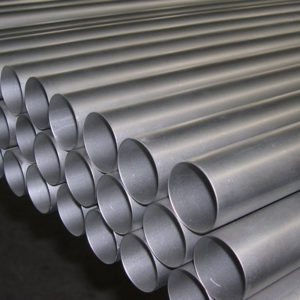
Honyo Prototype Chrome Molybdenum Steel Manufacturing Process Overview
Honyo Prototype executes a rigorously controlled workflow for chrome molybdenum steel components (e.g., AISI 4130, 4140), prioritizing material integrity and dimensional precision. This process ensures compliance with aerospace, defense, and high-performance automotive standards. Below is the end-to-end sequence:
Upload CAD
Clients initiate the process by uploading native or neutral-format CAD files (STEP, IGES, Parasolid) via Honyo’s secure portal. For chrome molybdenum steel, we immediately validate critical parameters: material specification (e.g., AMS 6349, ASTM A519), required heat treatment (annealed, normalized, or quenched & tempered), and geometric complexity. Our system checks for minimum wall thickness, hole-depth ratios, and features prone to distortion during thermal processing—common failure points in high-strength low-alloy (HSLA) steels.
AI Quote
Honyo’s AI-driven quoting engine analyzes the CAD geometry against chrome molybdenum steel’s unique manufacturing constraints. The system factors in:
Material cost volatility (molybdenum content impacts pricing)
Pre-machining heat treatment requirements (e.g., stress relief annealing before roughing)
Tooling wear rates (chrome moly’s abrasiveness increases cutter consumption by ~30% vs. 4140)
Post-weld heat treatment (PWHT) necessity for welded assemblies
The output is a technically validated cost estimate within 2 business hours, including lead time projections accounting for mandatory thermal cycles. Human engineers review all AI outputs to confirm feasibility.
DFM (Design for Manufacturability)
This phase is critical for chrome molybdenum steel due to its sensitivity to residual stresses and cracking risks. Honyo’s metallurgical engineers conduct a formal DFM review, focusing on:
| DFM Checkpoint | Chrome Molybdenum Specific Requirement |
|---|---|
| Weld Preparation | Mandatory bevel angles ≥30°; preheat to 300-400°F per AWS D1.1 |
| Machining Allowances | +0.030″ minimum for stress-relieved stock to prevent distortion |
| Hole Geometry | Depth-to-diameter ratio ≤4:1 without specialized tooling |
| Heat Treatment Zones | Avoid sharp transitions; specify localized tempering areas |
We provide a formal DFM report with actionable revisions, such as adding stress-relief grooves or adjusting fillet radii. Client approval of DFM recommendations is required before proceeding—non-compliance risks part rejection during NADCAP audits.
Production
Chrome molybdenum steel production follows a tightly sequenced protocol:
Material Sourcing: Only mill-certified 4130/4140 with traceable heat numbers and full MTRs (Mill Test Reports) is accepted.
Pre-Processing: Stress-relief annealing at 1,100°F (600°C) for 1 hour per inch of thickness before rough machining.
Machining: Carbide tooling with reduced feed rates (15-20% slower than 4140) to minimize work hardening; coolant concentration maintained at 12% to prevent hydrogen embrittlement.
Post-Machining: Immediate tempering within 4 hours if hardness exceeds 30 HRC; parts staged in humidity-controlled storage.
Quality Control: 100% dimensional inspection via CMM, plus ultrasonic testing for internal defects per AMS 2630. All welds undergo MPI (Magnetic Particle Inspection).
Delivery
Final delivery includes comprehensive documentation meeting AS9100 Rev D requirements:
Certified material test reports with chemical composition and mechanical properties
Heat treatment logs showing time-temperature profiles
NDT (Non-Destructive Testing) results with technician certifications
Dimensional inspection reports with GD&T callouts
Parts are packaged in vapor-corrosion-inhibiting (VCI) film with desiccant, labeled with traceability lot numbers. Lead times average 18-25 days for complex assemblies, including mandatory 72-hour post-heat-treatment stabilizing before final inspection.
This integrated approach minimizes scrap rates (historically <2% for qualified chrome moly projects) and ensures components withstand extreme cyclic loading. Honyo’s process is validated through ongoing partnerships with Tier 1 aerospace suppliers requiring zero-defect delivery.
Start Your Project

Looking for high-quality chrome molybdenum steel for your next project? Honyo Prototype offers precision manufacturing with materials engineered for strength, durability, and performance. Our production facility in Shenzhen ensures fast turnaround and strict quality control for demanding industrial applications.
Contact Susan Leo today at [email protected] to discuss your material specifications and project requirements. Let’s build with precision.
🚀 Rapid Prototyping Estimator
Estimate rough cost index based on volume.