
Contents
Manufacturing Insight: Chrome Alloy Steel
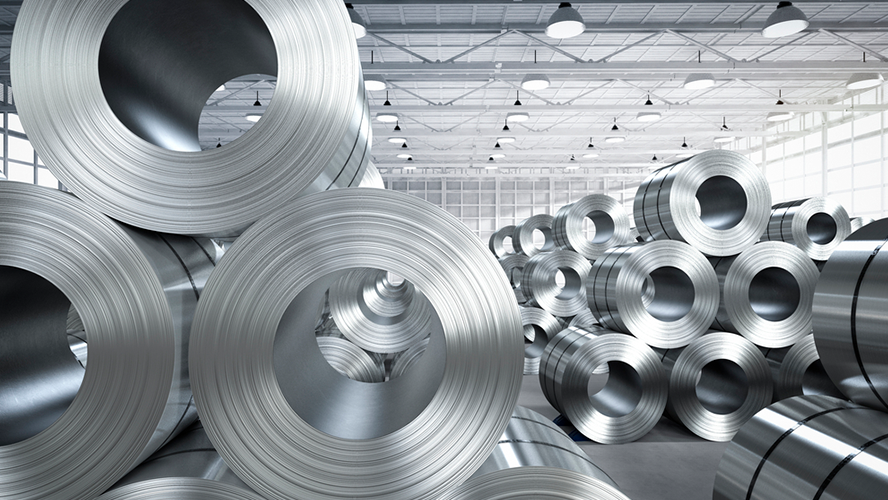
Precision Machining Excellence for Chrome Alloy Steel Components
Chrome alloy steels represent a critical material class for high-strength, wear-resistant applications across aerospace, automotive, and industrial machinery sectors. Characterized by chromium content enhancing hardenability, surface durability, and resistance to fatigue and corrosion, these alloys demand exacting machining parameters to maintain dimensional integrity and metallurgical properties. At Honyo Prototype, we specialize in CNC machining of complex chrome alloy steel components—from 4140 to 4340 grades—leveraging advanced multi-axis milling and turning centers with sub-micron precision. Our process expertise includes optimized toolpath strategies for hardened materials, stringent thermal treatment oversight, and in-process metrology to ensure compliance with ASTM and AMS standards.
We eliminate quoting bottlenecks through our Online Instant Quote platform, where engineers upload CAD files to receive detailed cost and lead time estimates within minutes—no manual intervention required. This accelerates prototyping and low-volume production cycles while maintaining the rigorous tolerances these high-performance alloys demand. Partner with Honyo to transform your chrome alloy steel designs into mission-critical components with unmatched speed and technical reliability.
Material Performance Summary
| Property | Typical Range for Chrome Alloy Steel | Honyo Machining Tolerance Capability |
|——————-|———————————–|———————————–|
| Hardness (HRC) | 28–45 (post-heat treat) | ±0.0002″ on critical features |
| Tensile Strength | 100–180 ksi | Full material certification |
| Surface Finish | As-machined: 32–125 μin Ra | Down to 8 μin Ra achievable |
Technical Capabilities
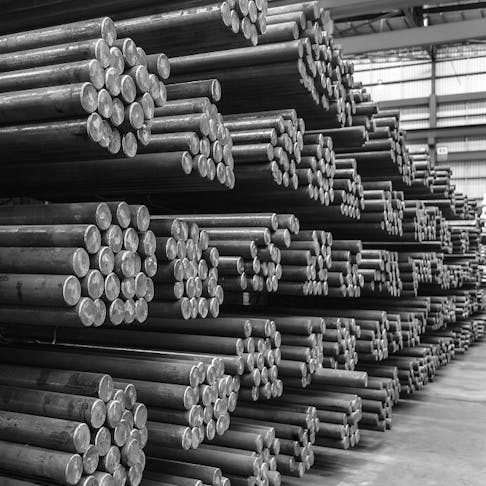
Chrome alloy steel refers to a class of alloy steels containing chromium as a key alloying element, typically ranging from 0.5% to 5% or higher, which enhances hardenability, wear resistance, and corrosion resistance. Common grades include AISI 4140, 4150, and 52100. These materials are widely used in high-stress applications requiring strength, toughness, and dimensional stability under load.
In precision CNC manufacturing environments involving 3-axis, 4-axis, and 5-axis milling and turning, chrome alloy steels present specific machining challenges due to their high strength and tendency to work-harden. Successful machining of chrome alloy steel to tight tolerances (±0.0005” or tighter) requires optimized toolpaths, rigid setups, high-performance cutting tools (typically carbide or CBN), and precise coolant delivery.
Below is a comparative overview of technical considerations when machining chrome alloy steel versus other common prototype materials under tight tolerance requirements.
| Material | Machinability (Relative) | Hardness (Typical) | Tooling Recommendations | Max Achievable Tolerance (Standard) | 3/4/5-Axis Milling Suitability | Turning Suitability | Notes |
|---|---|---|---|---|---|---|---|
| Chrome Alloy Steel (e.g., 4140) | Low to Moderate | 28–34 HRC (annealed), up to 60 HRC (heat-treated) | Carbide end mills, CBN inserts, coated tools | ±0.0005” (with thermal and vibration control) | High (with rigid fixturing and adaptive toolpaths) | High (with controlled speeds/feeds) | High thermal resistance; prone to work hardening; requires peck drilling and proper chip evacuation |
| Aluminum (6061-T6) | High | 95–100 HB | High-speed steel or carbide, sharp uncoated or ZrN-coated | ±0.0002” | Excellent | Excellent | Excellent chip flow; high MRR; minimal tool wear; ideal for complex 5-axis contours |
| Steel (Mild A36) | Moderate | 120–130 HB | Carbide tools, TiAlN coating | ±0.001” | Good | Good | Predictable machining; lower cost; suitable for structural components with moderate precision |
| ABS (Thermoplastic) | High | 90–100 Shore D | Sharp carbide, high rake angles, low engagement | ±0.002” | Good (with vacuum or soft jaws) | Limited (better for milling) | Low melting point; prone to melting or burring; requires low heat input and high RPM |
| Nylon (PA6/PA66) | Moderate to High | 70–80 Shore D | Sharp, polished carbide; high clearance angles | ±0.002” | Good (with non-marring fixturing) | Limited | High elasticity; prone to deformation; requires slow feed rates and support during cutting |
Key Technical Notes for Tight Tolerance Machining:
When working with chrome alloy steel in multi-axis CNC environments, thermal management is critical. Dimensional stability during prolonged machining cycles must be maintained through temperature-controlled environments and in-process probing. Tool deflection must be minimized using short-reach tooling and optimal step-down/step-over parameters.
For aluminum, ABS, and nylon, while tolerances can be tighter due to lower cutting forces, material behavior such as elastic recovery (in nylon) or softness (in thermoplastics) requires specialized fixturing and cutting strategies to avoid part movement or surface imperfections.
Chrome alloy steel remains the preferred material when ultimate strength, wear resistance, and thermal stability are required in tight tolerance components, despite its demanding machining characteristics.
From CAD to Part: The Process
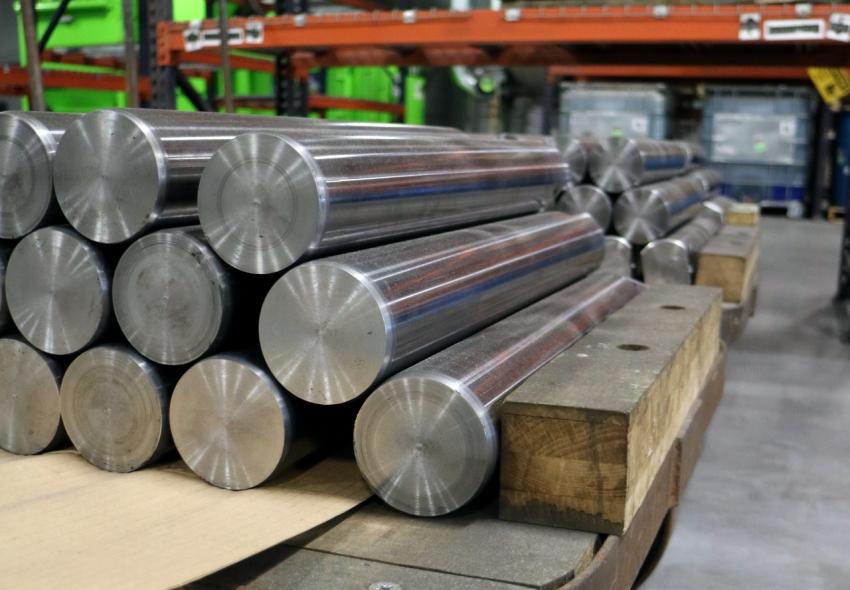
Honyo Prototype Chrome Alloy Steel Manufacturing Process Overview
Honyo Prototype executes a streamlined, technology-driven workflow for chrome alloy steel components such as AISI 4140, 4340, or 8620, ensuring precision, material integrity, and adherence to critical mechanical properties. The process begins with CAD file submission via our secure client portal, where geometric complexity, tolerances, and material specifications are validated against chrome alloy steel’s inherent characteristics—high hardenability, susceptibility to quench cracking, and stringent heat treatment requirements.
AI-Powered Quoting System
Uploaded CAD files undergo immediate analysis by our proprietary AI quoting engine, which cross-references geometric data with real-time material costs, machine capacity, and chrome alloy steel-specific processing parameters. The system evaluates factors including required pre-heat temperatures, stress-relief cycles, and hardening depth to generate a comprehensive quote within two business hours. This phase includes automated identification of potential cost drivers such as excessive stock removal or non-standard heat treatment specifications, providing clients actionable feedback before formal commitment.
Design for Manufacturability (DFM) Review
All chrome alloy steel projects undergo mandatory DFM analysis by our metallurgy-integrated engineering team. This phase focuses on mitigating material-specific risks:
Section Thickness Validation: Ensuring uniform cross-sections to prevent differential cooling during quenching
Stress Concentration Mitigation: Redesigning sharp corners or abrupt transitions that could initiate cracks during hardening
Heat Treatment Feasibility: Confirming achievable hardness gradients per ASTM A29 standards
Machinability Optimization: Adjusting tolerances for post-heat treatment grinding versus as-machined surfaces
The DFM report includes a detailed risk assessment table:
| Critical Parameter | Acceptable Range for Chrome Alloy Steel | Honyo Corrective Action Threshold |
|---|---|---|
| Section Thickness Ratio | ≤ 3:1 | >2.5:1 triggers redesign review |
| Minimum Fillet Radius | ≥ 0.8mm | <0.5mm requires engineering sign-off |
| As-Machined Hardness | ≤ 28 HRC | >30 HRC necessitates stress relief |
| Distortion Allowance | ±0.05mm per 25mm length | Exceeding 120% triggers pre-heat protocol |
Precision Production Execution
Production leverages our dedicated chrome alloy steel workflow: CNC machining occurs in climate-controlled cells to minimize thermal drift, followed by vacuum heat treatment in calibrated furnaces (±5°C accuracy). Critical steps include:
Pre-heating to 600–650°C to reduce thermal shock
Austenitizing at 815–870°C per material grade
Quenching in polymer solutions with controlled agitation rates
Tempering immediately after cooling to 50–70°C to prevent delayed cracking
All parts undergo post-heat treatment dimensional verification and 100% magnetic particle inspection per ASTM E709 for surface defects. Final machining accounts for predictable distortion through our proprietary compensation algorithms.
Quality-Controlled Delivery
Each shipment includes full material traceability documentation (mill test reports, heat treat charts), hardness mapping across critical surfaces, and first-article inspection reports aligned with ASME Y14.5. Chrome alloy steel components are packaged with desiccants and corrosion inhibitors, with lead times typically ranging from 12–18 business days for quantities under 50 pieces. All deliveries comply with ISO 9001:2015 protocols, with optional third-party certification available upon request. This integrated approach ensures optimal mechanical properties while minimizing scrap rates common in high-alloy steel fabrication.
Start Your Project
Looking for high-quality chrome alloy steel for your next project? Partner with Honyo Prototype, your trusted source for precision manufacturing solutions. Our factory in Shenzhen ensures strict quality control, fast turnaround, and competitive pricing.
Contact Susan Leo today at [email protected] to discuss your chrome alloy steel requirements and receive a personalized quote.
🚀 Rapid Prototyping Estimator
Estimate rough cost index based on volume.