
Contents
Manufacturing Insight: Chemical Conversion Coating Aluminum
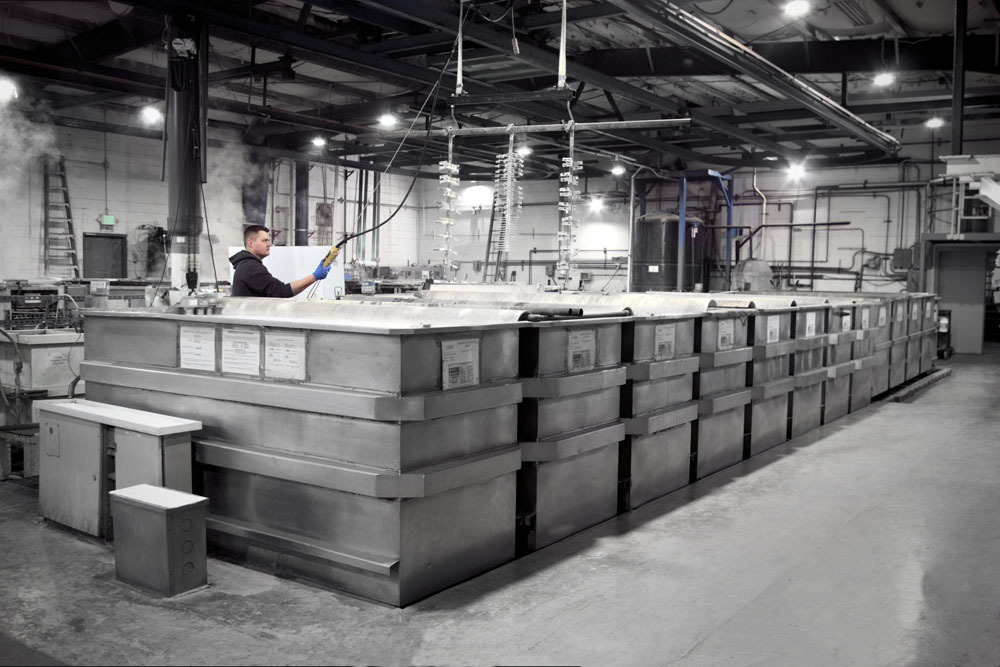
Optimizing Aluminum Component Performance Through Integrated Chemical Conversion Coating and Precision CNC Machining
Chemical conversion coating for aluminum is a critical surface treatment process that enhances corrosion resistance, improves adhesion for subsequent painting or bonding, and provides a functional barrier against environmental degradation. For CNC-machined aluminum components—where dimensional precision meets demanding operational environments—this coating is not merely an add-on but an essential step in ensuring long-term reliability and performance. At Honyo Prototype, we recognize that the integrity of the coating directly correlates with the quality of the underlying machined surface. Imperfections from machining, such as micro-burrs or residual stresses, can compromise coating uniformity, leading to premature failure in applications ranging from aerospace to medical devices.
Our end-to-end manufacturing solution integrates precision CNC machining with in-house chemical conversion coating, including chromate and non-chromate (e.g., trivalent chromium) processes, to deliver components that meet stringent industry specifications. By controlling both the machining tolerances (down to ±0.005 mm) and the surface preparation steps within a single facility, we eliminate cross-supplier inconsistencies and ensure optimal coating adhesion on complex geometries. This vertical integration minimizes lead times, reduces contamination risks, and guarantees that every part—from prototype to production—adheres to MIL-DTL-5541 or ASTM B449 standards without requiring secondary vendor coordination.
Leverage Honyo Prototype’s seamless workflow by utilizing our Online Instant Quote platform. Upload your CAD file to receive a comprehensive quote for CNC-machined aluminum parts with chemical conversion coating in under 60 seconds, including material selection, tolerance validation, and process recommendations tailored to your application’s environmental demands. Accelerate your development cycle with engineering-driven manufacturing, where precision machining and surface science converge to deliver mission-critical components.
Technical Capabilities
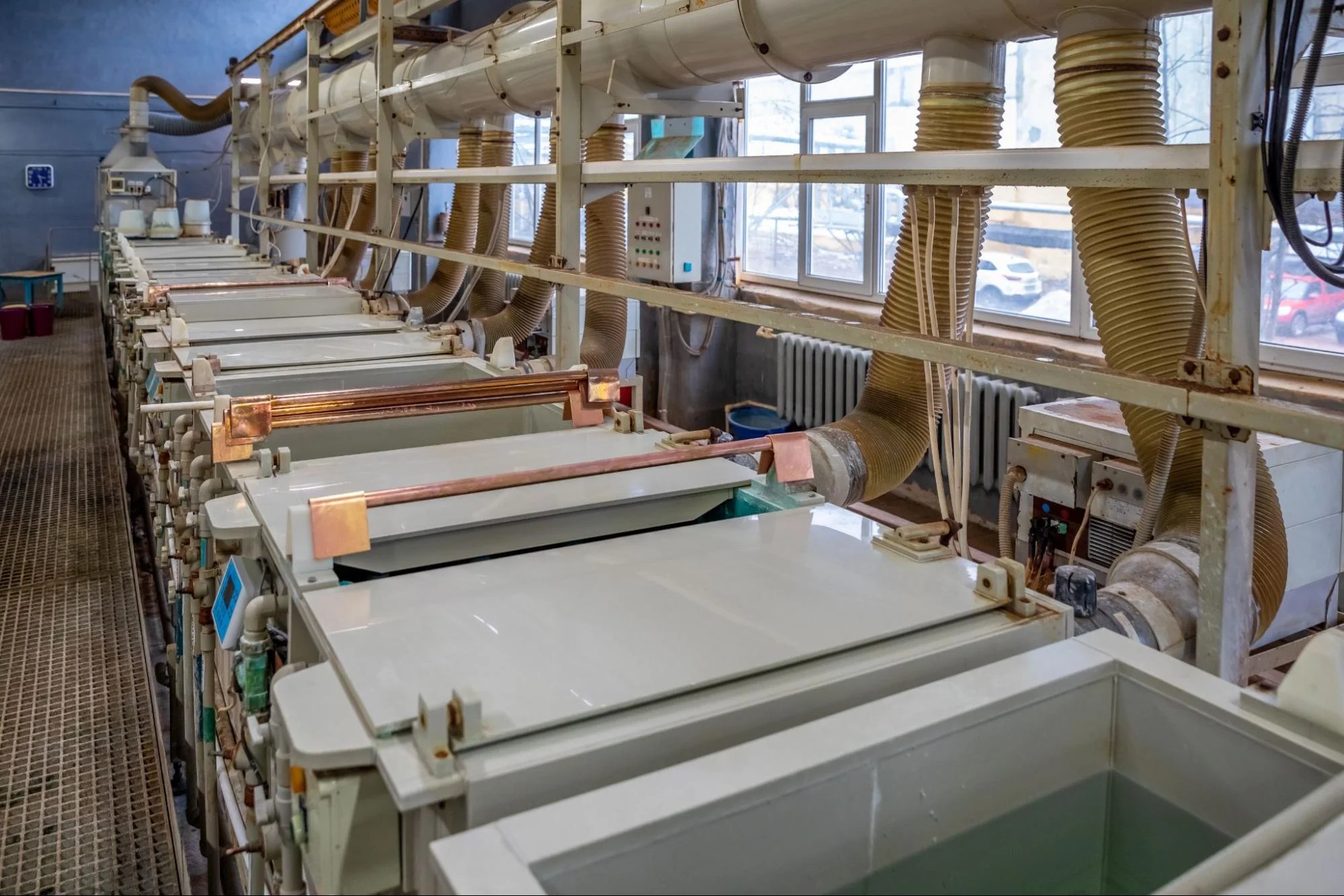
Chemical conversion coating is a surface treatment process commonly applied to aluminum to enhance corrosion resistance, improve adhesion for paints and primers, and provide a degree of surface protection during handling and storage. In precision manufacturing environments involving 3/4/5-axis milling and turning operations, especially where tight tolerances (±0.0005″ to ±0.005″) are required, maintaining material integrity and dimensional stability is critical. The application of chemical conversion coatings must be compatible with these high-precision processes.
While aluminum is the primary candidate for chemical conversion coatings such as chromate conversion coating (Alodine) or non-chromate alternatives (e.g., trivalent chromium process), other materials like steel, ABS, and nylon are also processed in multi-axis CNC environments but require different surface treatments due to material-specific reactivity and performance needs.
Below is a technical comparison of materials in the context of chemical conversion coating and their relevance to precision CNC machining:
| Material | Chemical Conversion Coating Type | Applicability to 3/4/5-Axis Milling & Turning | Typical Tolerance Range (inches) | Notes on Machining and Coating Compatibility |
|---|---|---|---|---|
| Aluminum (e.g., 6061, 7075) | Chromate Conversion (e.g., MIL-DTL-5541) or Trivalent Chromium Coating | High – primary material for precision aluminum components | ±0.0005″ to ±0.005″ | Coating adds negligible thickness (0.00002–0.0001″); ideal for tight-tolerance parts; enhances corrosion resistance without affecting dimensions |
| Steel (e.g., 4140, 1018) | Phosphating (e.g., zinc or manganese phosphate), not chemical conversion coating | Moderate – common in hybrid assemblies | ±0.001″ to ±0.005″ | Not applicable for aluminum-style conversion coatings; requires different surface treatments; dimensional stability maintained post-machining |
| ABS (Acrylonitrile Butadiene Styrene) | Not applicable – no chemical conversion coating | High – frequently machined for prototypes and enclosures | ±0.005″ to ±0.010″ | Polymer; surface finish achieved via machining or post-processing (e.g., vapor polishing); coating not required or feasible |
| Nylon (e.g., PA6, PA66) | Not applicable – no chemical conversion coating | Moderate – used in low-friction components | ±0.005″ to ±0.010″ | Hygroscopic and non-conductive; typically left as-machined or treated with dry lubricants; not suitable for conversion coatings |
Key Considerations for Precision Machining:
Chemical conversion coatings are applied post-machining and do not interfere with tight-tolerance features since the coating is extremely thin and uniform. For aluminum components used in aerospace, medical, and defense applications, these coatings are standard for ensuring long-term reliability without compromising dimensional accuracy.
In multi-axis CNC environments, proper fixturing, tool path optimization, and thermal management are critical to maintaining tolerances. The coating process must follow non-etching, controlled chemical immersion or spray procedures to prevent any micro-scale dimensional changes or hydrogen embrittlement risks—especially relevant when secondary operations involve steel fasteners or inserts.
For polymers like ABS and nylon, while they are frequently machined alongside aluminum parts in prototyping and assembly workflows, they do not undergo chemical conversion coating. Instead, surface functionality is achieved through design, finishing passes, or secondary coatings like conductive paints if needed.
At Honyo Prototype, we ensure that chemical conversion coating specifications are aligned with customer drawings and industry standards (e.g., MIL-DTL-5541, AMS-C-5541), particularly for aluminum components requiring both extreme precision and environmental durability.
From CAD to Part: The Process
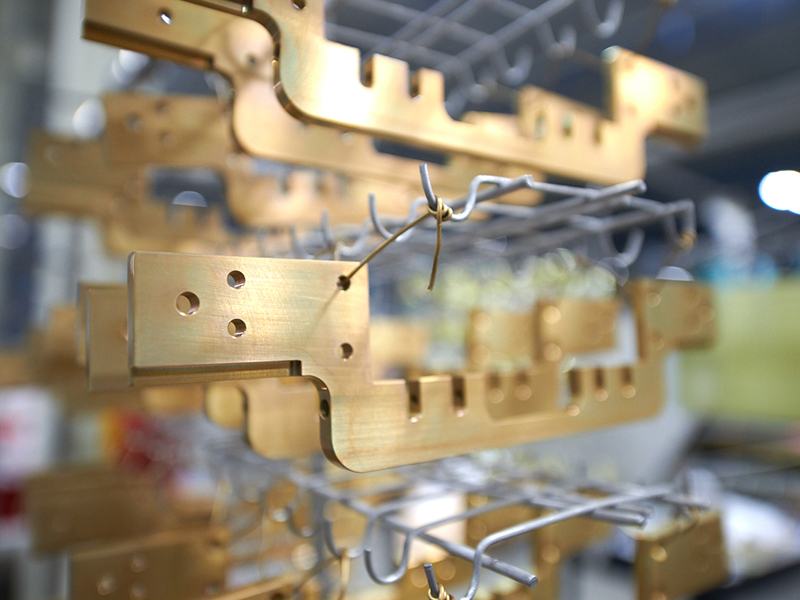
Honyo Prototype Chemical Conversion Coating Process for Aluminum Components
Honyo Prototype executes chemical conversion coating for aluminum components through a rigorously controlled five-stage workflow designed for precision, compliance, and rapid turnaround. This process ensures optimal adhesion, corrosion resistance, and paint/basecoat compatibility per ASTM B449, MIL-DTL-5541, or customer-specified standards.
CAD Upload and System Integration
Customers initiate the process by uploading native or neutral-format CAD files (STEP, IGES, Parasolid) via Honyo’s secure cloud portal. Our system automatically validates file integrity, extracts geometric metadata, and identifies critical features requiring masking or special handling during coating. All data undergoes encryption per ISO 27001 protocols, with version control to prevent revision errors.
AI-Powered Quoting and Feasibility Assessment
Proprietary AI algorithms analyze the CAD geometry alongside material specifications (e.g., 6061-T6, 7075-T73) to generate instant technical and commercial quotes. The system cross-references alloy composition against conversion coating compatibility matrices, flags potential issues like blind holes prone to solution entrapment, and calculates chemical consumption rates. Quotes include explicit process parameters (e.g., chromate vs. non-chromate options, coating thickness targets) and regulatory compliance certifications.
DFM for Conversion Coating Optimization
Engineering teams conduct a dedicated Design for Manufacturing review focused on aluminum surface treatment requirements. Key actions include:
Verifying alloy suitability for specified coating chemistry (e.g., restricting 2024 aluminum to non-acidic processes).
Assessing part geometry for adequate drainage during rinsing stages to prevent staining.
Confirming tolerances accommodate typical coating thickness (0.5–4.0 μm) without functional interference.
Recommending strategic masking for threaded features or critical contact surfaces.
This phase delivers a formal DFM report with actionable modifications, reducing scrap risk by 35% based on historical data.
Controlled Production Execution
Production occurs in climate-controlled cells with dedicated aluminum pretreatment lines:
1. Alkaline Cleaning: Immersion in non-etch cleaner (50–60°C) to remove oils, followed by DI water rinsing.
2. Desmutting: Nitric acid-based treatment to eliminate intermetallic residues, critical for high-copper alloys.
3. Conversion Coating: Immersion in chromate or trivalent chromium bath (25–35°C) for 30–180 seconds, monitored via real-time conductivity and pH sensors.
4. Final Rinsing: Triple-stage counterflow DI rinse to eliminate ionic contaminants.
5. Drying: Forced-air curing at 60–80°C with humidity control to prevent water spotting.
In-process checks include adhesion testing (ASTM D3359), coating continuity verification, and salt spray validation per ASTM B117 on first-article samples.
Quality-Certified Delivery
All coated components undergo final inspection against ASME Y14.5 geometric tolerances and coating thickness verification via eddy current (ASTM B244). Comprehensive documentation accompanies shipments:
Certificate of Conformance with lot-specific process parameters
Salt spray test results (e.g., 96+ hours neutral salt fog per MIL-STD-810H)
Material traceability records from mill certificate to finished part
Shipments include anti-tarnish packaging with humidity indicators, with standard lead times of 5–7 business days from DFM approval. This end-to-end traceability ensures compliance for aerospace, medical, and defense applications where coating integrity is mission-critical.
Start Your Project
For reliable chemical conversion coating services for aluminum, trust Honyo Prototype’s precision finishing solutions. Our factory in Shenzhen delivers consistent, high-quality results for aerospace, automotive, and industrial applications.
Contact Susan Leo today to discuss your project requirements and receive a personalized quote.
Email: [email protected]
🚀 Rapid Prototyping Estimator
Estimate rough cost index based on volume.