
Contents
Manufacturing Insight: Casting Iron Parts
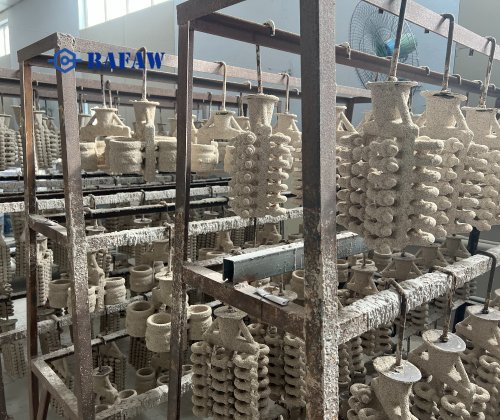
Precision Finishing for Cast Iron Components
Cast iron remains a cornerstone material for demanding industrial applications due to its exceptional wear resistance, damping capacity, and cost-effectiveness in complex geometries. However, achieving tight tolerances, critical surface finishes, and functional interfaces from as-cast components requires advanced post-processing capabilities. At Honyo Prototype, we specialize in transforming rough iron castings—whether gray iron, ductile iron, or compacted graphite iron—into high-integrity finished parts through our dedicated CNC machining services.
Our engineering-led approach addresses the unique challenges of machining cast iron, including managing abrasive graphite structures, controlling thermal distortion, and ensuring dimensional stability. Utilizing rigid, high-torque machining centers with material-specific tooling and optimized parameters, we consistently deliver micron-level accuracy on critical features such as bearing bores, sealing surfaces, and mounting interfaces. This precision ensures seamless integration into final assemblies while maintaining the inherent strength and durability of the base casting.
Honyo’s integrated workflow supports both low-volume prototypes and high-mix production runs, with in-house capabilities spanning milling, turning, drilling, and surface finishing tailored to cast iron’s metallurgical properties. To accelerate your project timeline, leverage our Online Instant Quote System—upload CAD files for cast iron components, and receive a detailed machining assessment with pricing and lead time within hours, not days. Partner with Honyo to convert your cast iron designs into fully validated, production-ready hardware.
Technical Capabilities
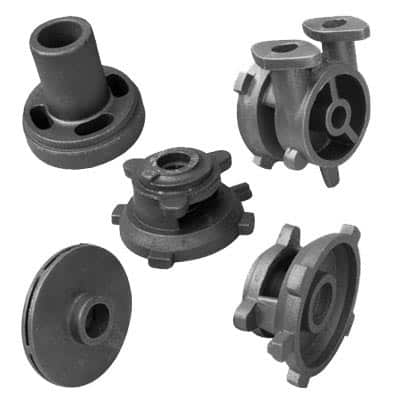
Casting iron parts typically involve post-casting machining operations to achieve precise dimensional accuracy and surface finish, especially when tight tolerances are required. While the base material is cast iron, secondary operations such as 3-axis, 4-axis, and 5-axis milling, as well as precision turning, are critical for achieving complex geometries and high accuracy. Although cast iron is the primary casting material, Honyo Prototype often machines other materials including aluminum, steel, ABS, and nylon for prototyping and production parts that require similar precision.
Below is a technical specification table outlining key capabilities relevant to machining cast iron and other materials using advanced CNC processes.
| Parameter | Specification Details |
|---|---|
| Machining Processes | 3-Axis, 4-Axis, and 5-Axis CNC Milling; CNC Turning |
| Material Compatibility | Cast Iron (HT250, HT300), Aluminum (6061, 7075), Steel (45#, 40Cr, Stainless 304/316), ABS, Nylon (PA6, PA66) |
| Tolerance Capability | ±0.005 mm for critical dimensions; up to ±0.002 mm with precision grinding support |
| Surface Finish (Milling) | Ra 0.8 µm standard; down to Ra 0.4 µm with fine finishing |
| Surface Finish (Turning) | Ra 1.6 µm standard; down to Ra 0.8 µm achievable |
| Maximum Working Volume | 5-Axis: 1200 x 800 x 600 mm; 3-Axis: up to 2000 x 1000 x 900 mm |
| Spindle Speed (Milling) | Up to 24,000 rpm (dependent on machine and tooling) |
| Positioning Accuracy | ±0.008 mm |
| Repeatability | ±0.003 mm |
| Tooling Systems | HSK-63A, BT-40; carbide and ceramic inserts for cast iron; high-speed steel for plastics |
| Coolant Systems | Flood coolant for cast iron and metals; air cooling or minimal lubrication for ABS and nylon |
| Secondary Operations | Deburring, heat treatment (annealing, quenching), surface coating (anodizing, plating), CMM inspection |
These specifications reflect Honyo Prototype’s ability to deliver high-precision machined components from cast iron and other engineering materials, supporting industries requiring tight tolerance parts such as automotive, industrial machinery, and automation systems.
From CAD to Part: The Process
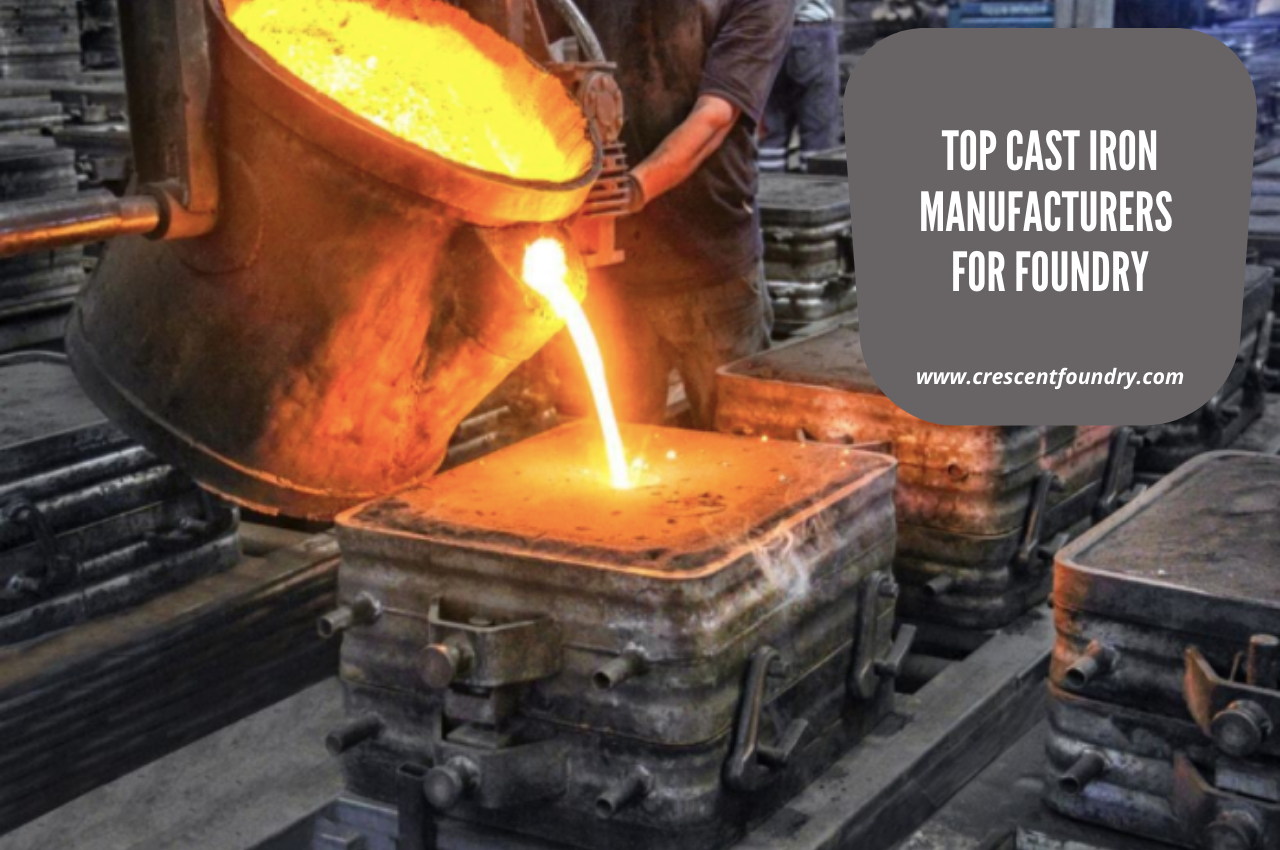
Honyo Prototype executes iron casting projects through a rigorously defined workflow designed to ensure technical accuracy, cost efficiency, and on-time delivery for industrial clients. Our process begins with the Upload CAD stage where engineering teams validate submitted 3D models for completeness and manufacturability against ASTM A48 standards. We accept native formats including STEP, IGES, and Parasolid ensuring geometric fidelity while checking critical parameters such as minimum wall thickness (typically ≥ 3mm for gray iron) and feature complexity.
The AI Quote phase follows immediately using our proprietary algorithmic pricing engine. This system analyzes over 200 geometric and material variables including part volume, surface area, dimensional tolerances per ISO 8062 CT-13, and required finishing operations. The output delivers a precise cost breakdown within 90 minutes highlighting cost drivers such as core complexity or secondary machining needs, with full transparency on material surcharges based on current ferrous scrap markets.
During Design for Manufacturing (DFM) review our senior metallurgists conduct mandatory technical validation. This step identifies potential casting defects through solidification simulation and addresses critical factors before tooling begins. Key focus areas include:
| DFM Check Parameter | Critical Threshold | Mitigation Action |
|---|---|---|
| Section Thickness Variation | > 3:1 ratio | Recommend rib redesign or localized chill placement |
| Draft Angles | < 1° on vertical walls | Propose modification to 1.5°–2° for sand release |
| Minimum Fillet Radius | < 3mm | Increase to 5mm to prevent hot tears |
| Core Print Stability | Unsupported core prints | Add chaplets or redesign core assembly |
Production initiates only after client sign-off on DFM recommendations. For iron castings we exclusively utilize automated flaskless DISAMATIC® lines with Sinto-compatible sand systems, processing EN-GJL-250 (GG25) or equivalent gray iron. Each lot undergoes strict process controls: sand moisture maintained at 2.8%–3.2%, pouring temperature monitored within ±15°C of 1420°C target, and real-time X-ray inspection for critical aerospace or hydraulic components. Secondary operations including stress relief annealing (550–580°C) and CNC machining occur in-house with 5-axis capabilities.
Final Delivery encompasses comprehensive documentation including certified material test reports (MTRs) per ASTM E8, 3D scanning validation against original CAD, and batch-specific hardness logs. We implement serialized traceability from raw material melt to finished part with typical lead times of 18–22 days for prototypes and 25–30 days for low-volume production runs. All shipments include protective VCI packaging meeting MIL-PRF-3420H standards for corrosion prevention during transit. This integrated approach ensures clients receive dimensionally accurate, metallurgically sound iron castings ready for immediate integration into their assembly workflows.
Start Your Project
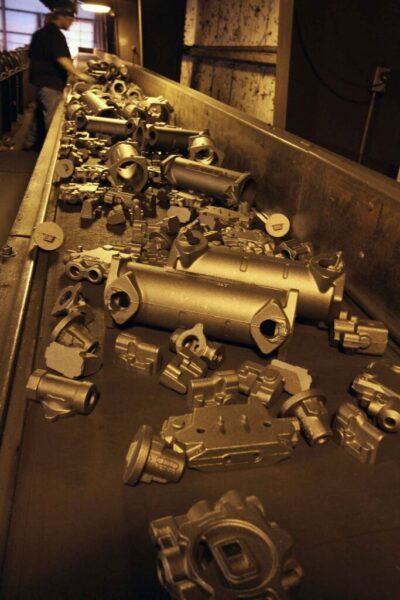
Looking for high-quality cast iron parts manufactured to precise specifications? Honyo Prototype delivers reliable casting solutions with fast turnaround times. All production is handled at our dedicated factory in Shenzhen, ensuring strict quality control and cost-effective manufacturing.
For inquiries or to request a quote, contact Susan Leo at [email protected]. Let us support your project with expert casting capabilities and responsive service.
🚀 Rapid Prototyping Estimator
Estimate rough cost index based on volume.