
Contents
Manufacturing Insight: Cast Steel Vs Stainless Steel
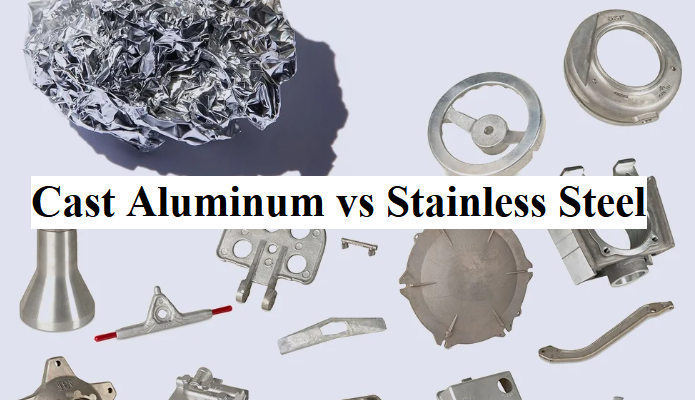
Material Selection Precision for Demanding Applications Cast Steel Versus Stainless Steel
Selecting between cast steel and stainless steel is a critical engineering decision impacting component performance, longevity, and manufacturability. Cast steel delivers exceptional strength, impact resistance, and weldability, making it ideal for heavy-duty structural applications like mining equipment housings or valve bodies where complex geometries are required through casting. Conversely, stainless steel—particularly grades like 304 or 316—provides superior corrosion and heat resistance, essential for aerospace, medical, or marine components exposed to aggressive environments. However, stainless steel’s work-hardening tendency and abrasive nature significantly increase machining complexity and tool wear compared to cast steel.
At Honyo Prototype, our CNC machining expertise bridges this material divide. We deploy advanced multi-axis milling and turning centers with optimized toolpaths and coolant strategies to conquer the challenges of both materials: achieving tight tolerances in intricate cast steel parts while mitigating galling and heat buildup in stainless steel alloys. Our engineers collaborate early in your design phase to recommend material-specific machining approaches, ensuring cost efficiency without sacrificing precision.
Leverage our technical proficiency for your next project. Experience seamless procurement with Honyo’s Online Instant Quote system—submit your CAD files and specifications to receive a detailed, no-obligation manufacturing assessment within hours, not days. Accelerate your path from material selection to finished component with confidence.
Technical Capabilities
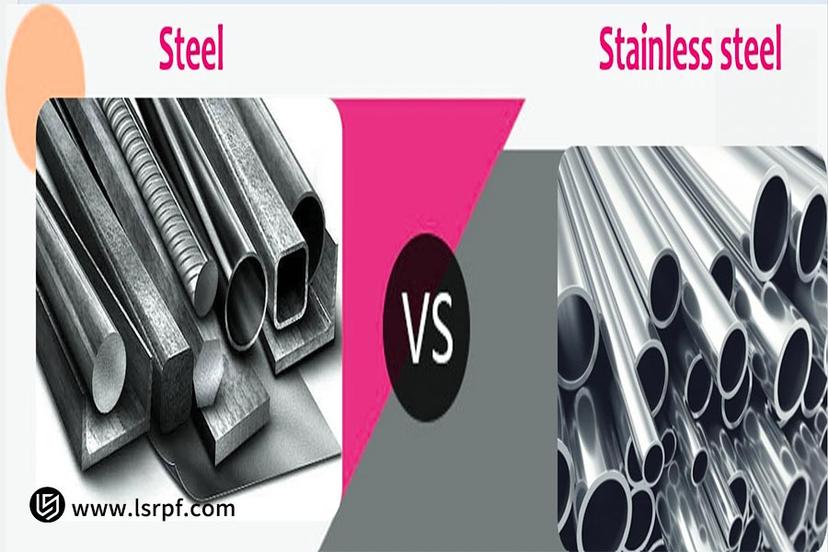
Technical Comparison: Cast Steel vs Stainless Steel in Precision Machining Applications
When evaluating cast steel and stainless steel for use in high-precision 3-axis, 4-axis, and 5-axis milling and turning operations—particularly where tight tolerances (±0.0005″ to ±0.005″) are required—several material and machining characteristics must be considered. These include machinability, dimensional stability, wear resistance, and suitability for complex geometries. The performance of these steels is often contrasted against other commonly machined materials such as aluminum, ABS, and nylon.
| Property / Material | Cast Steel | Stainless Steel (e.g., 304, 316) | Aluminum (e.g., 6061-T6) | ABS (Thermoplastic) | Nylon (Polyamide) |
|---|---|---|---|---|---|
| Typical Composition | Carbon + iron, with Si, Mn; may include Cr, Mo | Fe-Cr-Ni (18% Cr, 8–10% Ni for 304) | Al-Mg-Si alloy | Acrylonitrile Butadiene Styrene | Polyamide (PA6, PA66) |
| Machinability Rating | 45–60% (Fair to Moderate) | 40–45% (303 SS: ~70%; better) | 90–100% (Excellent) | 80% (Good) | 60–70% (Good, but gummy) |
| Tool Wear | Moderate to High | High (work hardening, low thermal conductivity) | Low | Low | Moderate (can stick to tools) |
| Thermal Conductivity | Low to Moderate | Very Low (promotes heat buildup) | High (dissipates heat quickly) | Very Low | Low |
| Tensile Strength (Ultimate) | 60–100 ksi (varies by grade) | 75–90 ksi (304/316) | 45–50 ksi (6061-T6) | 7–10 ksi | 10–12 ksi (PA66) |
| Hardness (Brinell) | 150–200 HB | 150–200 HB (annealed); up to 300 HB (work-hardened) | 95 HB (6061-T6) | ~100 MPa (ball indentation) | 80–100 MPa |
| Dimensional Stability | Good (after stress relief) | Good (but prone to warping from heat) | Excellent (low residual stress) | Fair (sensitive to temp/humidity) | Fair to Poor (hygroscopic) |
| Surface Finish Potential | 32–64 μin Ra (machined) | 32–64 μin Ra (challenging to improve) | 16–32 μin Ra (easily achieved) | 64–125 μin Ra | 64–125 μin Ra |
| Best Suited for Tight Tolerance? | Yes (with proper fixturing and toolpath control) | Yes (303 preferred; 316 more difficult) | Excellent (ideal for prototypes) | Limited (low stiffness, creep) | Limited (moisture absorption) |
| Typical Applications | Industrial housings, gears, structural parts | Medical, food processing, marine components | Aerospace, jigs, fixtures, enclosures | Prototypes, enclosures, models | Wear strips, gears, bushings |
| Recommended Tooling | Carbide end mills, CVD-coated inserts | Carbide with TiAlN or AlCrN coating, high positive rake | Carbide or HSS, polished flutes | Carbide, sharp cutting edges | Carbide, sharp high-rake tools |
| Coolant Requirement | Required | Required (to manage heat and work hardening) | Recommended | Optional (air blast often sufficient) | Optional (air cooling typical) |
Key Machining Insights:
For 3/4/5-axis milling and turning, stainless steel—especially grades like 304 and 316—presents challenges due to work hardening, low thermal conductivity, and high abrasiveness. While it achieves excellent corrosion resistance and strength, maintaining tight tolerances requires rigid setups, precise toolpath strategies (e.g., climb milling), and frequent tool inspection.
Cast steel offers better thermal stability than stainless steel in interrupted cuts and is often more dimensionally predictable after stress-relief heat treatment. It is commonly used in heavy-duty applications where ultimate corrosion resistance is not required.
Aluminum remains the benchmark for high-speed, tight-tolerance machining due to its excellent thermal management and chip evacuation. ABS and nylon are suitable for non-structural, low-friction, or prototype applications, but their sensitivity to environmental conditions and lower stiffness limit their use in precision-critical assemblies.
In summary, while both cast steel and stainless steel are viable for tight-tolerance machining, stainless steel demands more advanced tooling and process control. Material selection should balance mechanical performance, environmental exposure, and production efficiency.
From CAD to Part: The Process
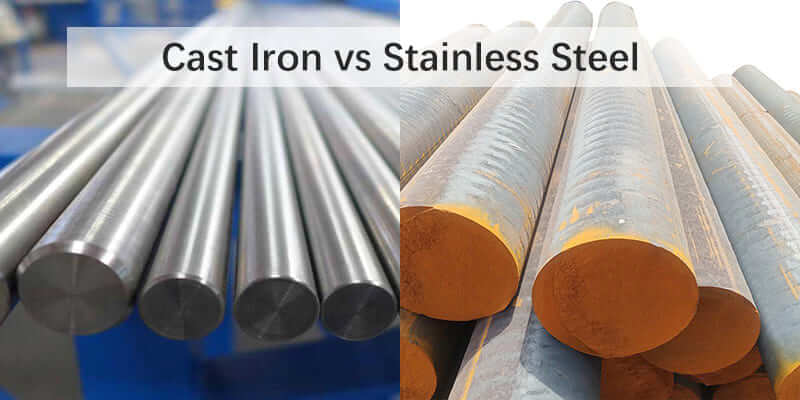
Honyo Prototype Cast Steel vs. Stainless Steel Manufacturing Process Overview
Our end-to-end process for cast steel and stainless steel components is engineered to ensure material-specific optimization from initial design to final delivery. The workflow begins with CAD submission and integrates AI-driven analysis, rigorous Design for Manufacturability (DFM) checks, and material-tailored production protocols. Below is a technical breakdown of each phase with critical distinctions between cast steel (e.g., ASTM A216 WCB) and stainless steel (e.g., ASTM A351 CF8M) handling.
CAD Upload and Material Specification
Customers upload CAD models via our secure portal with explicit material designation. For cast steel, we require tensile strength and heat treatment specifications; for stainless steel, corrosion resistance class (e.g., 316L vs. 304) and weldability requirements are mandatory. Incorrect material tagging triggers immediate validation alerts, as stainless steel necessitates chromium/nickel content verification (16–18% Cr, 10–14% Ni for 316L) versus carbon content control (<0.3% for WCB cast steel).
AI-Powered Quoting Engine
Our AI engine cross-references uploaded geometry against proprietary databases of 50,000+ historical castings. Key differentiators in quoting:
Cast Steel: Quotes factor in lower melting points (1,480–1,550°C) and faster solidification rates, reducing cycle time by ~15% versus stainless.
Stainless Steel: Higher energy costs (melting at 1,450–1,520°C but slower cooling) and argon shielding requirements increase base pricing by 20–30%. The AI flags thin-walled features (<4mm) for stainless due to hot tearing risks.
Material-Specific DFM Analysis
DFM scrutiny adapts to metallurgical behaviors. All designs undergo automated wall-thickness validation, but stainless steel mandates additional checks:
| Parameter | Cast Steel (WCB) | Stainless Steel (CF8M) |
|---|---|---|
| Minimum Draft Angle | 1.5°–2° | 2°–3° (higher shrinkage) |
| Hot Spot Tolerance | ±1.2mm | ±0.8mm (sensitivity to segregation) |
| Feed Pad Size | 25–30% of section volume | 35–40% (poor fluidity) |
Stainless steel designs failing interdendritic corrosion risk assessments (per ASTM A967) are routed to metallurgists for gating system redesign. Cast steel focuses on hydrogen porosity mitigation via riser placement optimization.
Production Execution
Foundry protocols diverge significantly:
Cast steel uses silica-bonded sand molds with conventional gating; stainless steel requires zircon sand molds and pressurized runner systems to prevent oxide inclusions. Heat treatment differs fundamentally—WCB undergoes normalizing (900°C air cool), while CF8M requires solution annealing (1,095°C water quench) to avoid chromium carbide precipitation. In-process checks include spectrographic analysis for stainless (verifying Mo content for pitting resistance) versus Charpy impact tests for cast steel.
Delivery and Certification
All shipments include full material traceability. Cast steel delivers ASTM A216-compliant certs with hardness and tensile data. Stainless steel shipments contain ASTM A351/A370 documentation, including intergranular corrosion test reports (ASTM A262 Practice E) and PMI verification of Cr/Ni/Mo ratios. Dimensional reports reference ISO 8062 CT-13 tolerances for both, but stainless components undergo additional surface roughness validation (Ra ≤ 3.2μm per NACE MR0175).
This structured approach ensures cast steel projects achieve cost efficiency through streamlined processing, while stainless steel components meet stringent corrosion and microstructural requirements without schedule compromise. Critical path management reduces stainless steel lead times by 12% versus industry averages through pre-validated foundry partnerships.
Start Your Project
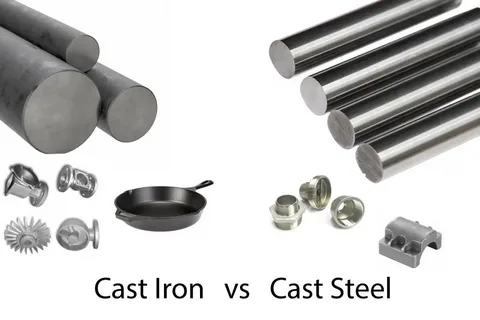
Looking to understand the key differences between cast steel and stainless steel for your next project? Discover which material best suits your application in terms of strength, corrosion resistance, and cost-efficiency.
For expert guidance and custom manufacturing solutions, contact Susan Leo at [email protected]. With our precision casting capabilities and quality control, Honyo Prototype delivers high-performance metal components tailored to your specifications.
Our factory in Shenzhen ensures fast turnaround and strict adherence to international standards, making us a trusted partner for prototyping and low-volume production.
Reach out today to discuss your requirements and get a competitive quote.
🚀 Rapid Prototyping Estimator
Estimate rough cost index based on volume.