
Contents
Manufacturing Insight: Cast Alloy Steel
Cast Alloy Steel Precision Machining Expertise at Honyo Prototype
Cast alloy steels deliver exceptional strength, wear resistance, and thermal stability for demanding industrial applications, yet transforming near-net-shape castings into mission-critical components requires advanced CNC machining capabilities. At Honyo Prototype, we specialize in the precise post-casting machining of complex alloy steel parts, leveraging our high-accuracy 3-, 4-, and 5-axis CNC milling and turning centers to achieve stringent dimensional tolerances down to ±0.005mm while maintaining material integrity. Our engineers optimize machining strategies specifically for challenging alloy steel grades, ensuring optimal surface finishes, geometric accuracy, and structural reliability for sectors including oil and gas, power generation, and heavy equipment manufacturing.
Eliminate quotation bottlenecks with Honyo Prototype’s Online Instant Quote system. Upload your cast alloy steel part CAD file, specify material grade and required tolerances, and receive a detailed, transparent machining quote within hours—not days. This seamless digital workflow accelerates your prototyping and low-volume production timelines while providing immediate cost visibility for informed decision-making. Partner with Honyo to bridge the gap between casting and precision-engineered performance.
Material & Process Specifications
| Parameter | Capability |
|——————–|————————————-|
| Alloy Steel Grades | 4140, 4340, 8620, 4130, Custom Alloys |
| Max Part Size | 1200 x 800 x 600 mm |
| Tolerance Range | ±0.005 mm to ±0.05 mm |
| Surface Finish | Ra 0.8 μm to Ra 3.2 μm |
| Lead Time | As fast as 5 business days |
Technical Capabilities
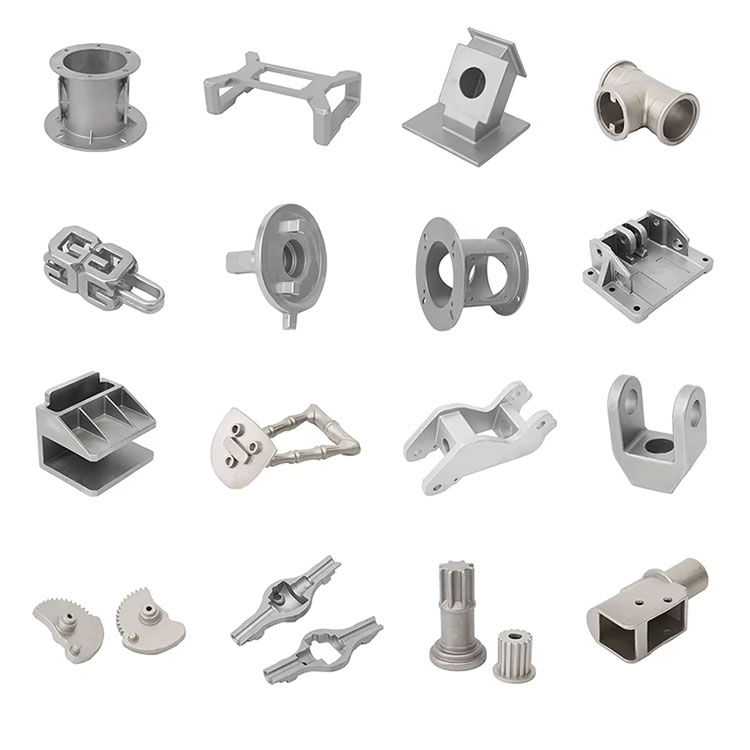
Technical Specifications for Cast Alloy Steel in Precision Machining Applications
Cast alloy steel is commonly used in high-performance applications requiring strength, wear resistance, and dimensional stability. When machining cast alloy steel—particularly in 3-axis, 4-axis, and 5-axis milling and turning operations—tight tolerances down to ±0.0005″ (0.013 mm) can be achieved with proper tooling, fixturing, and process control. The material responds well to CNC machining but requires rigid setups due to its hardness and abrasive nature, especially in post-cast conditions.
Below is a comparative overview of cast alloy steel and other commonly machined materials in the context of multi-axis milling, turning, and tight tolerance requirements.
| Material | Typical Hardness (HRC) | Machinability Rating | Max Achievable Tolerance (±) | Suitable for 3/4/5-Axis Milling | Suitable for Precision Turning | Coolant Requirement | Notes |
|---|---|---|---|---|---|---|---|
| Cast Alloy Steel | 25–35 (as-cast), up to 45+ (heat-treated) | Moderate (60–70% of B1112) | 0.0005″ (0.013 mm) | Yes | Yes | Required | High tool wear; use carbide or ceramic cutters; stress relief recommended pre-machining |
| Aluminum (6061, 7075) | 15–30 | Excellent (90–100%) | 0.0002″ (0.005 mm) | Yes | Yes | Recommended | High material removal rates; low cutting forces; ideal for complex 5-axis geometries |
| Steel (1018, 4140) | 20–30 (annealed), up to 40+ (hardened) | Good (50–60%) | 0.0005″ (0.013 mm) | Yes | Yes | Required | Predictable chip formation; requires rigid setup for tight tolerance work |
| ABS (Thermoplastic) | Shore D 70–80 | Excellent | 0.001″ (0.025 mm) | Yes | Yes | Optional | Low melting point; minimal tool wear; prone to burring; use sharp high-speed tools |
| Nylon (PA6, PA66) | Shore D 60–75 | Very Good | 0.001″ (0.025 mm) | Yes | Yes | Optional | Low friction; hygroscopic (requires drying); can deform under clamping pressure |
Key Considerations for Cast Alloy Steel Machining:
Pre-Machining Heat Treatment: Stress relieving or annealing is often required to minimize distortion during precision machining.
Tooling: Polycrystalline cubic boron nitride (PCBN) or coated carbide tools are recommended for extended tool life.
Fixturing: Hydraulic or modular fixturing ensures stability during high-precision 5-axis operations.
Surface Finish: Can achieve Ra 16–32 μin with finishing passes; tighter finishes require grinding or polishing.
Applications: Ideal for aerospace components, hydraulic manifolds, tooling, and high-stress mechanical parts requiring tight geometric tolerances and durability.
For optimal results in multi-axis environments, cast alloy steel should be machined using high-precision CNC equipment with thermal compensation and in-process probing to maintain dimensional accuracy.
From CAD to Part: The Process
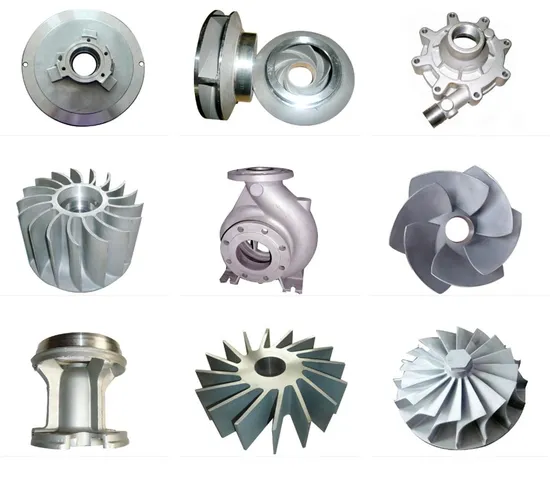
Honyo Prototype employs a rigorously defined process for cast alloy steel components, specifically utilizing precision investment casting to achieve tight tolerances and superior metallurgical properties. Our workflow ensures technical feasibility, cost efficiency, and on-time delivery for demanding industrial applications. Below is a detailed explanation of each phase, reflecting our commitment to engineering excellence in B2B manufacturing.
CAD Upload and Initial Validation
Clients initiate the process by uploading 3D CAD models (STEP, IGES, or native formats) via our secure portal. Our system performs immediate geometric validation, checking for non-manufacturable features, unit consistency, and file integrity. For alloy steel casting, we verify minimum wall thickness compliance (typically ≥3mm for structural integrity), draft angles (1.5°–3° per side), and critical feature placement relative to potential gating systems. Any detected anomalies trigger an automated notification for client clarification before proceeding, preventing downstream rework.
AI-Powered Quoting Engine
Validated CAD data enters our proprietary AI quoting system, which analyzes over 10,000 historical casting parameters specific to alloy steels like 4140, 4340, or 8630. The AI cross-references material density, required heat treatment (e.g., quench & temper to 28–32 HRC), surface finish (Ra 1.6–3.2 µm standard), and dimensional tolerances per ASTM A755. Real-time material cost fluctuations and shop floor capacity data are integrated, generating a technically accurate quote within 4 business hours. This phase includes automatic identification of high-risk features requiring DFM intervention, such as deep recesses prone to shrinkage.
Engineering-Centric DFM Analysis
Unlike automated-only competitors, Honyo mandates direct engineer-to-engineer collaboration during DFM. Our metallurgical team evaluates solidification patterns using Magmasoft simulation to prevent hot spots in alloy steel castings, which are susceptible to micro-shrinkage due to narrow freezing ranges. We propose actionable modifications: adjusting fillet radii to reduce stress concentration, optimizing gate locations to minimize turbulence-induced oxide inclusions, and verifying heat treatment distortion allowances. Clients receive a formal DFM report with annotated CAD markups and quantitative risk assessments before approval.
Precision Production Execution
Approved designs move to production under strict alloy steel protocols. Shell molds are fabricated using zircon-based slurries for thermal stability during steel pouring (1550–1600°C). Vacuum induction melting ensures low hydrogen content (<2 ppm) and precise alloy chemistry control within AISI specifications. Critical process controls include:
Controlled cooling rates in insulated pits to prevent cracking in high-carbon alloys
Solution treatment at 845±10°C followed by oil quenching
Tempering per client-specified mechanical properties with hourly furnace logs
100% MPI for surface defects and ultrasonic testing for internal soundness on critical sections
Certified Delivery and Documentation
Final inspection validates conformance to print using CMMs (reporting GD&T per ASME Y14.5) and chemical composition via OES spectroscopy. Each shipment includes:
Material Test Reports with full mechanical properties (tensile, impact, hardness)
Heat treatment certification with time-temperature curves
NDT reports (MPI/UT) and dimensional inspection data
PPAP Level 3 documentation upon request
Standard delivery timelines range from 18–25 days for quantities under 500 kg, with expedited options for urgent requirements. All castings undergo final visual inspection against AQL 1.0 standards prior to shipment.
This integrated approach ensures cast alloy steel components meet the structural reliability demands of aerospace, defense, and heavy machinery sectors while minimizing time-to-market. Honyo’s process eliminates guesswork through data-driven validation at every stage, providing clients with predictable quality and technical accountability.
Start Your Project
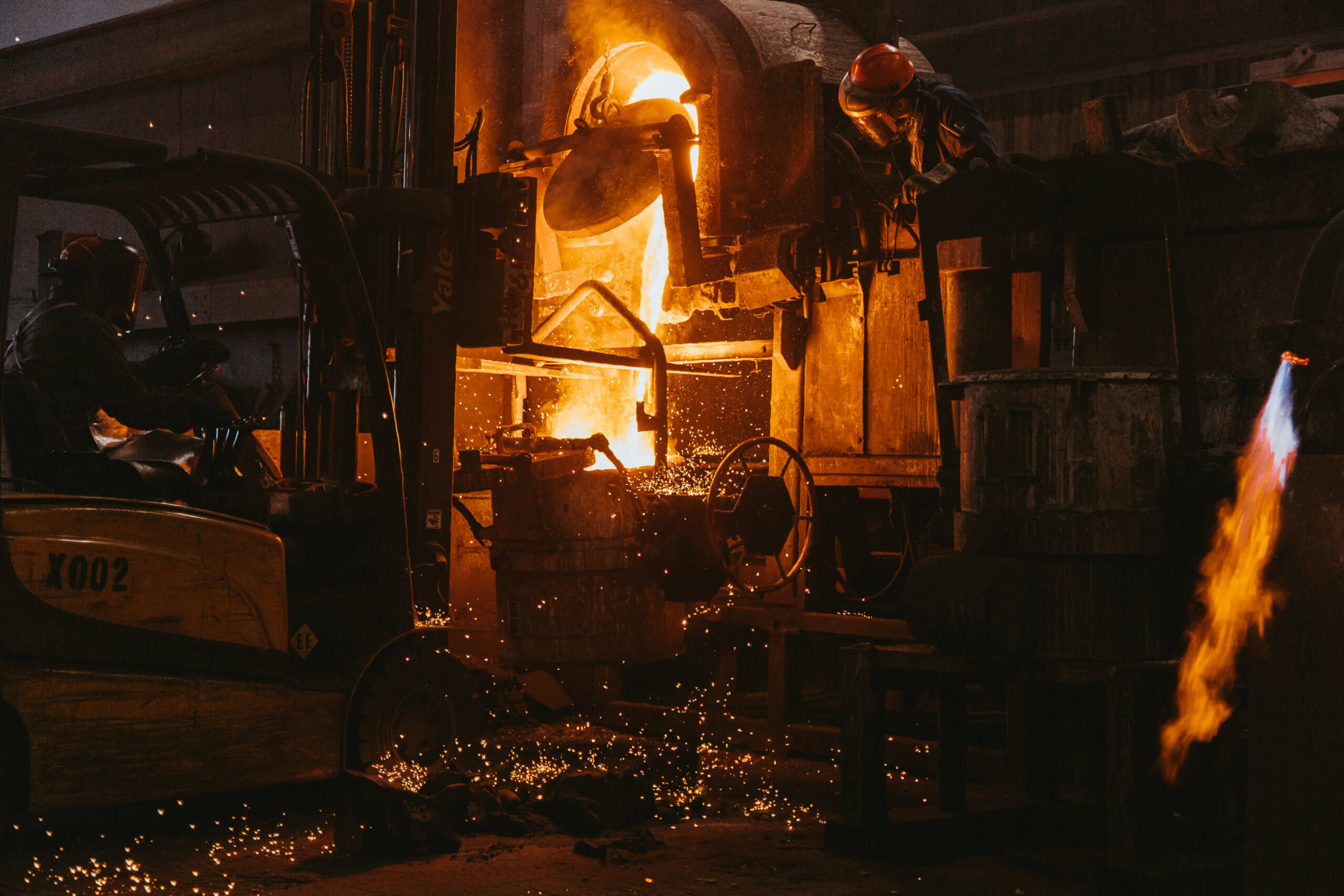
Looking for high-quality cast alloy steel components? Partner with Honyo Prototype for precision manufacturing and reliable production. Our factory in Shenzhen ensures tight tolerances, fast turnaround, and consistent quality for your demanding applications.
Contact Susan Leo today at [email protected] to discuss your project requirements and receive a competitive quote.
🚀 Rapid Prototyping Estimator
Estimate rough cost index based on volume.