
Contents
Manufacturing Insight: Carbon Steel Price Per Pound
Material Cost Transparency in Precision Manufacturing
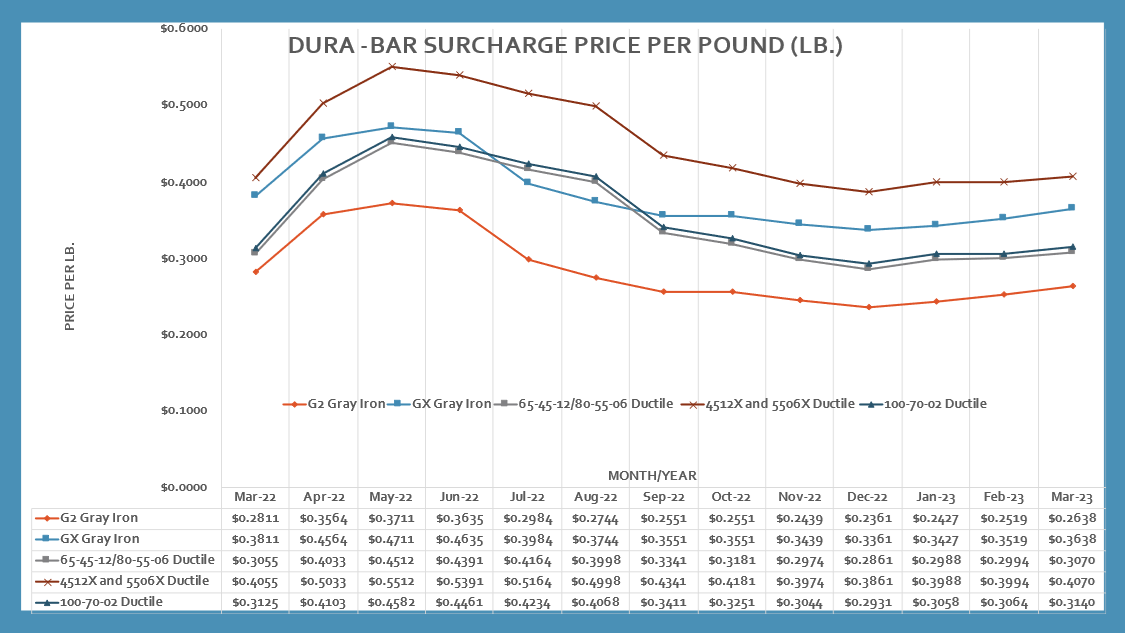
Understanding current carbon steel pricing is critical for accurate budgeting in CNC machining projects. As a baseline reference material in prototyping and production, carbon steel grades like 1018 and 1045 typically range from $0.30 to $0.80 per pound depending on market volatility, alloy composition, and order volume. However, raw material cost represents only one variable in total part expenditure. At Honyo Prototype, we recognize that procurement teams require holistic cost visibility—not just commodity pricing but integrated machining efficiency.
Honyo’s CNC Machining Value Proposition
Our technical expertise transforms carbon steel cost data into actionable manufacturing strategy. We optimize material utilization through precision CNC turning and milling operations, minimizing waste on complex geometries while maintaining tight tolerances (±0.0005″). Unlike standard machine shops, Honyo engineers analyze your design for manufacturability upfront, ensuring steel grade selection aligns with functional requirements without over-specifying. This approach consistently reduces total part cost by 15–25% compared to conventional quoting models, even when accounting for real-time steel market fluctuations.
Accelerate Procurement with Real-Time Accuracy
Eliminate estimation delays with Honyo’s Online Instant Quote platform. Input your carbon steel part specifications—including alloy type, dimensions, and finish requirements—to receive a comprehensive cost breakdown within 60 seconds. Our algorithm dynamically factors:
Live material pricing from tier-1 suppliers
Machine time based on 3D model complexity
Secondary operation requirements (e.g., deburring, plating)
| Input Parameter | Impact on Final Cost |
|---|---|
| Steel Grade (e.g., 1045 vs. 1018) | +8–12% cost differential |
| Part Volume (10 vs. 100 units) | 35% lower unit cost at scale |
| Tolerance Strictness (±0.005″ vs. ±0.0005″) | 20% machining time variance |
For engineering teams prioritizing speed-to-prototype without compromising cost control, our instant quoting system delivers procurement-ready data validated by AS9100-certified processes. Begin your carbon steel project with precise financial visibility—access the Online Instant Quote tool directly on our CNC Machining Services page.
Technical Capabilities
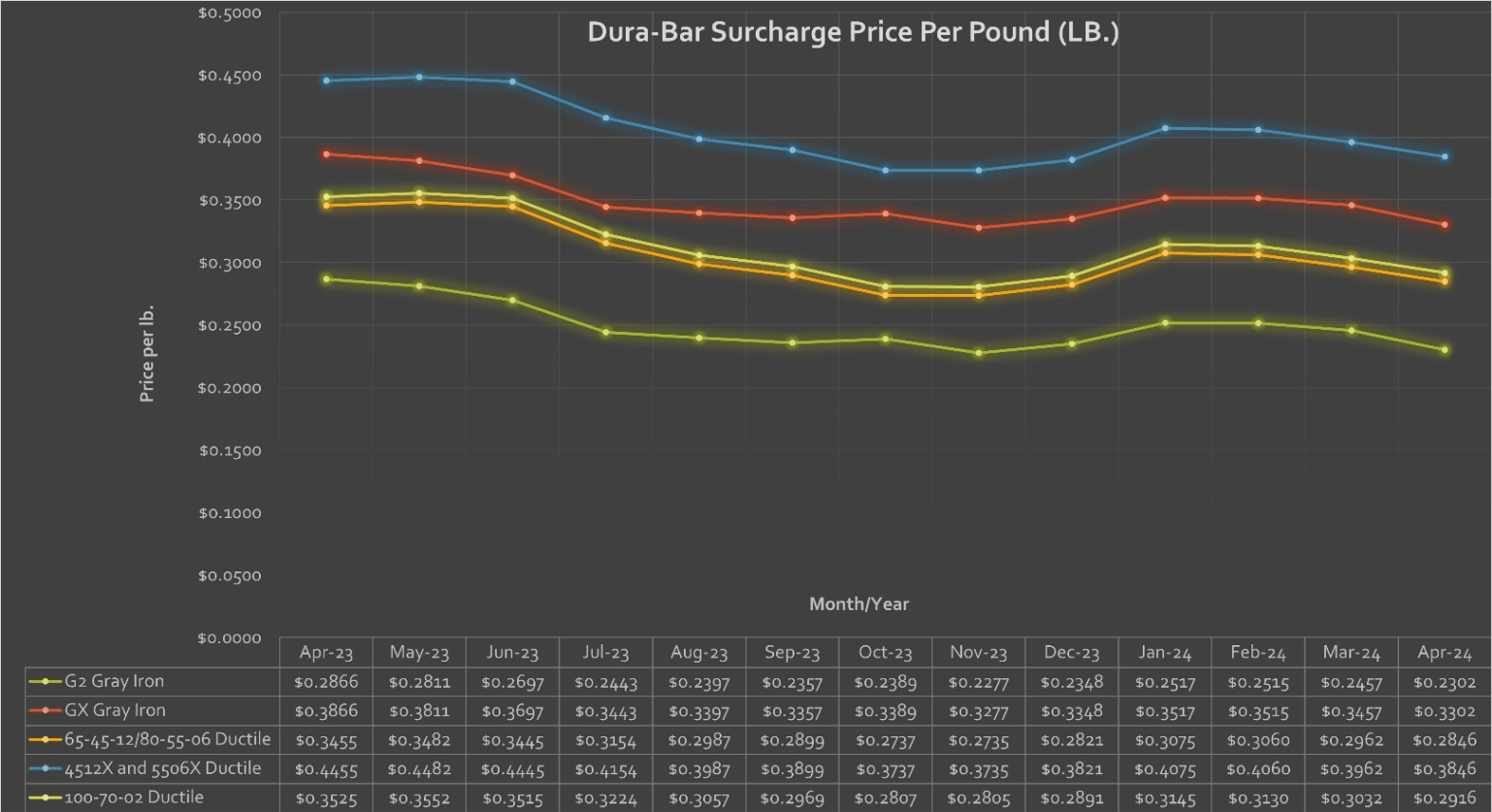
The term “carbon steel price per pound” refers to the material cost metric used in manufacturing to evaluate the raw material expense for carbon steel alloys. However, when discussing machining services such as 3/4/5-axis milling and turning—especially with tight tolerance requirements—the overall cost is not solely determined by raw material price. It also includes machining complexity, setup time, tool wear, inspection requirements, and secondary operations.
Below is a technical overview of how material selection (including Carbon Steel, Aluminum, ABS, and Nylon) impacts both material pricing and machinability in high-precision CNC operations:
| Material | Typical Price Range (USD/lb) | Machinability Rating | Common Use in 3/4/5-Axis Milling & Turning | Tight Tolerance Suitability (±0.0005″ or better) | Notes |
|---|---|---|---|---|---|
| Carbon Steel (1018, 1045) | $0.50 – $0.80 | Moderate (60–70% of B1112) | High – commonly used for durable mechanical components | Yes – with proper fixturing and tooling | High tool wear due to abrasiveness; requires coolant and rigid setups |
| Aluminum (6061, 7075) | $1.20 – $1.80 | Excellent (100–150%) | Very High – ideal for complex 5-axis geometries | Excellent – low thermal expansion, high stability | Faster cycle times; minimal tool wear; preferred for prototypes and aerospace |
| ABS (Thermoplastic) | $1.50 – $2.50 | Good (80–90%) | Moderate – used in low-stress, non-metallic housings | Moderate – prone to creep and thermal deformation | Lower rigidity; not ideal for sustained tight tolerances |
| Nylon (PA6, PA66) | $2.00 – $3.00 | Fair (50–60%) | Limited – for wear-resistant, non-metallic parts | Low to Moderate – hygroscopic; dimensional instability | Requires drying pre-machining; absorbs moisture affecting tolerance |
Key Technical Considerations:
3/4/5-axis milling of carbon steel demands high-torque spindles, rigid machine platforms, and carbide or CBN tooling to maintain tight tolerances. While carbon steel has a lower material cost per pound compared to aluminum or engineering plastics like nylon, its higher density and hardness increase machining time and tooling costs.
Aluminum remains the preferred choice for complex, tight-tolerance components due to its favorable strength-to-weight ratio, excellent thermal stability, and superior machinability. It allows for higher feed rates and longer tool life, reducing overall production cost despite higher raw material pricing.
ABS and nylon are typically used in non-structural or low-friction applications. While they can be machined to moderate precision, their hygroscopic nature (especially nylon) and lower stiffness make them less suitable for sustained tight-tolerance requirements without environmental controls.
In precision CNC operations at Honyo Prototype, material selection is optimized based on functional requirements, tolerance demands, and total cost of ownership—not just raw price per pound.
From CAD to Part: The Process
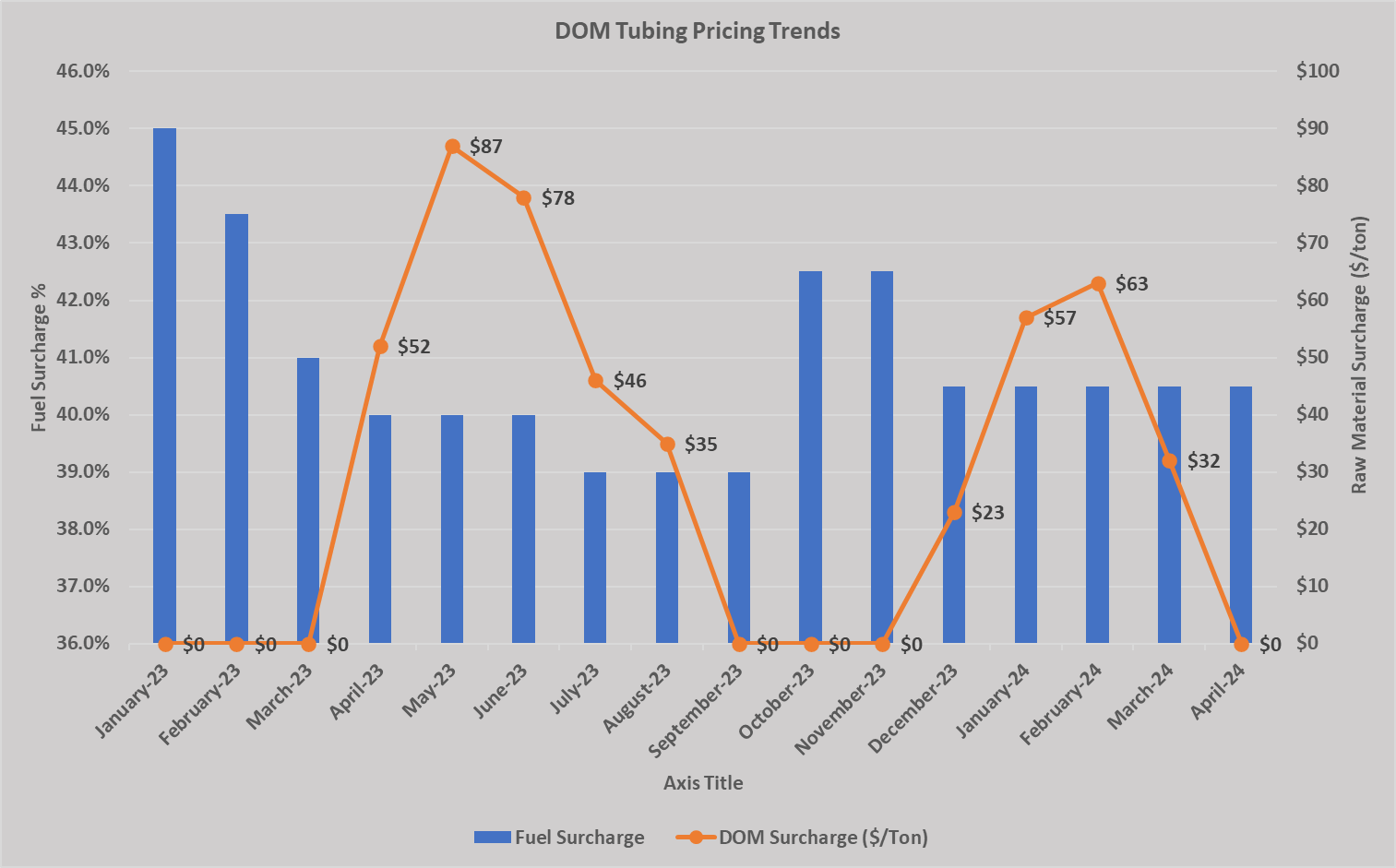
Honyo Prototype utilizes a standardized per-pound pricing methodology for carbon steel components, directly tied to live market rates and precise material utilization. This approach ensures transparency and alignment with industry commodity pricing practices. The process integrates technical validation at each stage to maintain cost accuracy.
CAD Upload and Geometry Analysis
Upon receiving the client’s CAD file, our system performs an automated material density calculation using carbon steel’s standard density of 0.284 lb/in³. The software extracts the net part volume, excluding any non-machined stock material. This establishes the baseline theoretical weight before manufacturing considerations.
AI-Powered Instant Quoting
Our proprietary AI engine accesses real-time carbon steel market indices from Platts, Argus, and LME at the moment of quote generation. The calculated part weight is multiplied by the current base rate per pound, then adjusted for order-specific factors: minimum order charges, alloy grade premiums (e.g., 1018 vs 4140), and surface finish requirements. Clients receive immediate pricing visibility with full cost breakdown visibility.
DFM-Driven Weight Optimization
During Design for Manufacturability review, our engineers identify opportunities to reduce material usage without compromising function. This may include:
Modifying wall thicknesses to meet minimum machining tolerances
Eliminating internal cavities requiring deep cavity milling
Consolidating multi-part assemblies into single forgings
Recommending near-net-shape blanks to minimize waste
Each modification updates the theoretical weight and recalculates the per-pound cost impact, providing data-driven rationale for design changes.
Production and Actual Weight Verification
Raw material procurement occurs against the final approved DFM weight. During machining, we track:
Initial billet/blank weight
Final part weight via calibrated scales
Scrap weight for recycling reconciliation
This verifies the exact pounds consumed per component. Our ERP system logs deviations between estimated and actual weights for continuous AI model refinement.
Delivery and Cost Finalization
Invoicing reflects the actual weighed part weight multiplied by the contracted rate per pound, locked at the time of order confirmation. Clients receive a material certification report showing:
Source mill documentation
Chemical composition verification
As-delivered weight certification
Traceability to heat number
Carbon steel market rate reference table:
| Market Index | Update Frequency | Primary Coverage | Honyo Integration Method |
|---|---|---|---|
| Platts HRC | Daily | North American Mills | Real-time API feed |
| Argus FOB Turkey | Intraday | Global Scrap-Based | Hourly batch sync |
| LME Steel Rebar | Minute-by-minute | Futures Benchmark | End-of-day reconciliation |
This closed-loop process ensures clients pay only for the exact carbon steel consumed in their finished parts, with costs directly tied to verifiable market conditions and physical material usage. The per-pound metric provides unambiguous cost transparency while accommodating design iterations through DFM without repricing delays.
Start Your Project
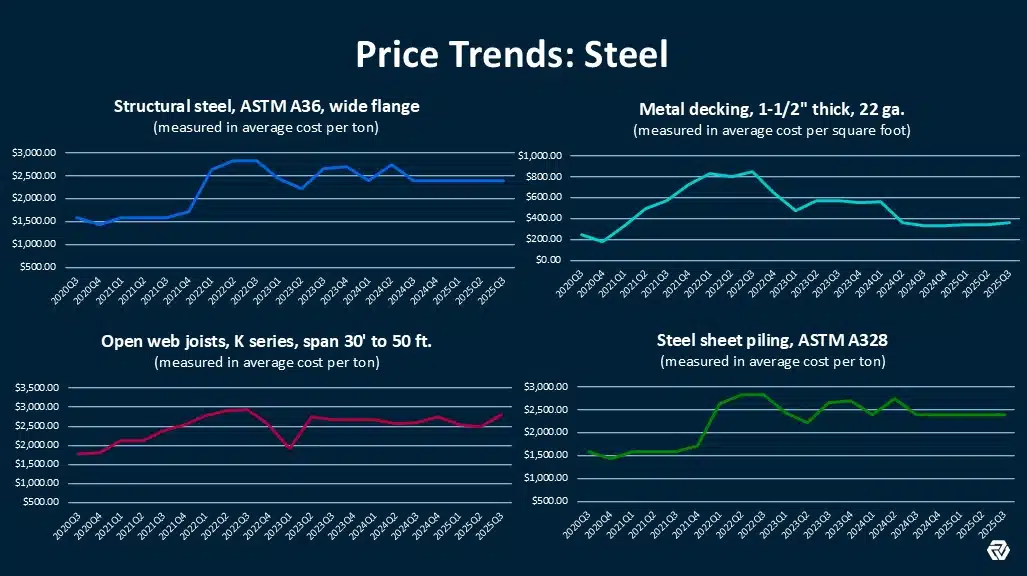
For accurate and up-to-date carbon steel price per pound quotes, contact Susan Leo at [email protected]. As a trusted manufacturing partner with a fully operational factory in Shenzhen, Honyo Prototype delivers high-quality, cost-effective solutions tailored to your production needs. Reach out today to discuss material specifications, volume pricing, and lead times.
🚀 Rapid Prototyping Estimator
Estimate rough cost index based on volume.