
Contents
Manufacturing Insight: Carbon Steel Price Per Kg
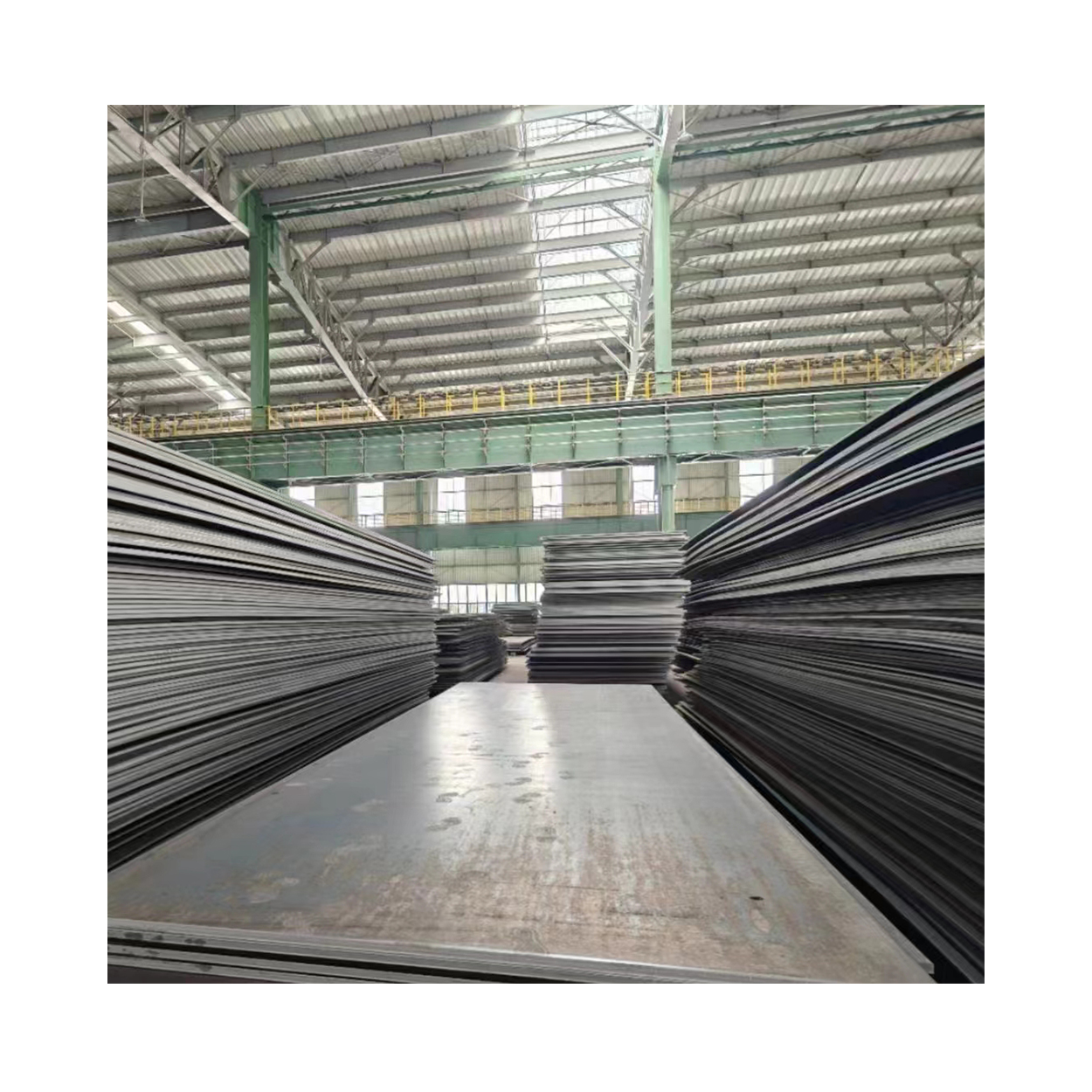
Carbon Steel Pricing Context for Precision CNC Machining
Understanding current carbon steel price per kilogram is essential for accurate budgeting in prototyping and low-volume production. While market rates fluctuate based on grade (e.g., 1018, 1045), volume, and regional factors, material cost represents only one variable in total part expenditure. At Honyo Prototype, we recognize that inefficient machining processes, secondary operations, or design oversights often inflate final costs far beyond raw material expenses. Our CNC machining services specialize in optimizing carbon steel fabrication through advanced 3-, 4-, and 5-axis milling and turning, ensuring minimal waste, tight tolerances (±0.005mm), and accelerated lead times—directly countering price volatility through operational excellence.
We streamline cost transparency with our Online Instant Quote platform, allowing engineers to upload CAD files and receive detailed, real-time pricing within minutes. This tool factors in material utilization, geometric complexity, and finishing requirements specific to carbon steel grades, eliminating estimation delays. By integrating precision machining expertise with data-driven quoting, Honyo transforms carbon steel’s cost-effectiveness into a strategic advantage for functional prototypes and end-use components.
Material Cost vs. Total Value Comparison
| Factor | Basic Supplier Approach | Honyo Prototype Approach |
|---|---|---|
| Material Efficiency | Standard nesting, 15–20% waste | AI-optimized nesting, <8% waste |
| Lead Time Impact | 10–15 business days | As fast as 3 business days |
| Cost Drivers | Raw material + markup | Material + process optimization |
| Quote Accessibility | Manual RFQ (24–72 hr delay) | Online Instant Quote (real-time) |
Partner with Honyo to convert carbon steel’s inherent affordability into high-value, precision-engineered components—where every kilogram processed maximizes your project’s ROI.
Technical Capabilities
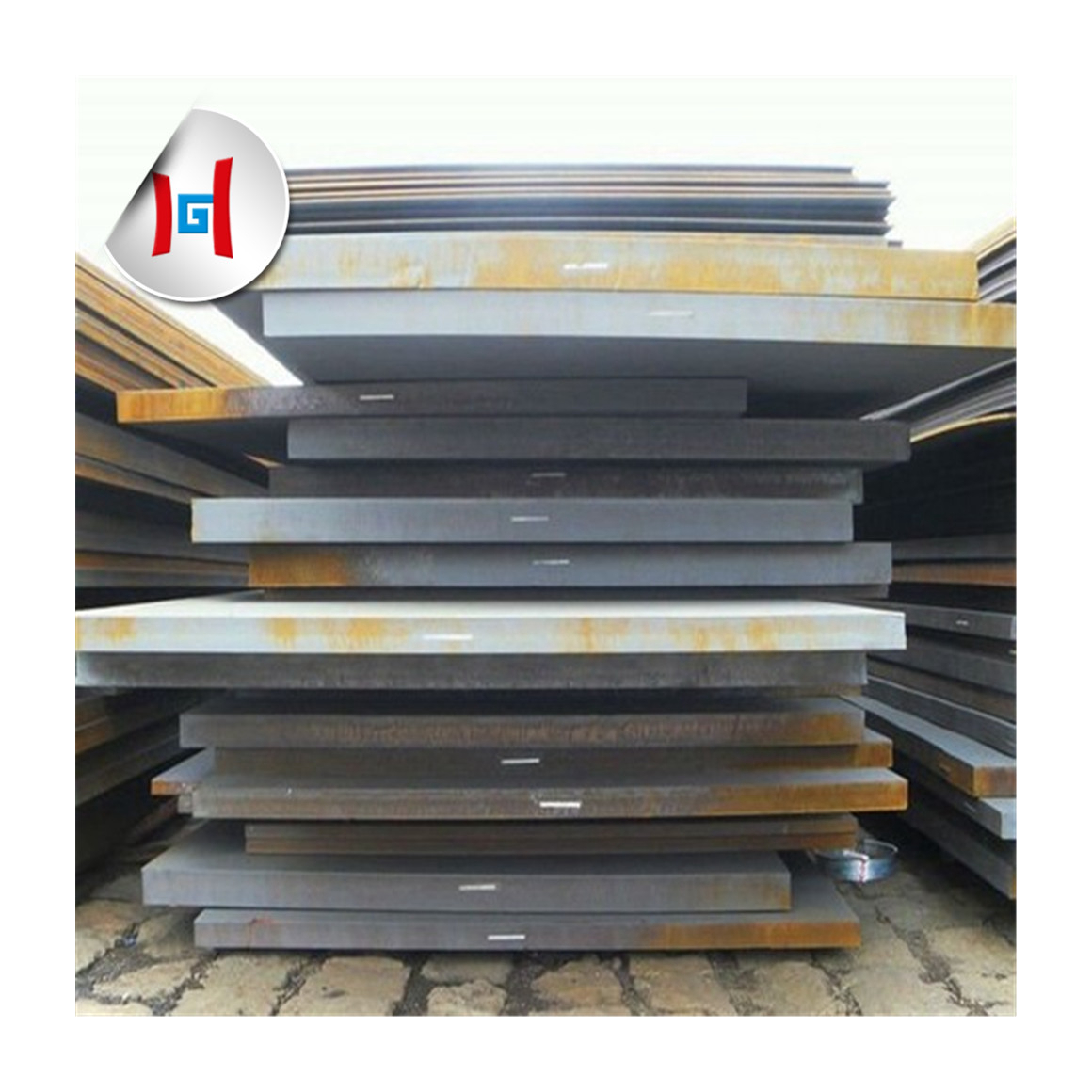
The term “carbon steel price per kg” refers to the material cost of carbon steel, commonly used in precision machining processes such as 3/4/5-axis milling and turning. However, pricing is influenced by material type, machining complexity, tolerances, and part geometry. Below is a comparative technical and cost overview for common engineering materials used in high-precision CNC machining, including carbon steel, aluminum, other steels, ABS, and nylon. Data is structured to reflect typical market prices per kilogram (USD), machinability characteristics, and suitability for tight tolerance applications.
| Material | Typical Price Range (USD/kg) | Machinability Rating | Common Use in 3/4/5-Axis Milling | Suitable for Turning | Typical Tolerance Capability (± mm) | Notes |
|---|---|---|---|---|---|---|
| Carbon Steel (e.g., 1045, A36) | 1.50 – 3.00 | Moderate | Yes, with carbide tooling | Yes | 0.010 – 0.025 | High strength, good wear resistance; requires coolant due to work hardening |
| Stainless Steel (e.g., 304, 17-4 PH) | 4.00 – 8.00 | Moderate to Difficult | Yes, with high-performance tooling | Yes | 0.005 – 0.015 | Excellent corrosion resistance; used in aerospace and medical; higher cost and tool wear |
| Aluminum (e.g., 6061, 7075) | 3.00 – 5.00 | Excellent | Ideal for complex 5-axis parts | Yes | 0.005 – 0.010 | Lightweight, high MRR, excellent for tight tolerances; widely used in prototyping and aerospace |
| ABS (Acrylonitrile Butadiene Styrene) | 2.00 – 3.50 | Very Good | Yes, with sharp tools and low heat | Yes | 0.050 – 0.100 | Low melting point; suitable for non-structural prototypes; low strength vs metals |
| Nylon (Polyamide, e.g., PA6, PA66) | 4.00 – 7.00 | Good (but gummy) | Possible with proper chip control | Yes | 0.050 – 0.100 | High toughness and chemical resistance; prone to moisture absorption; requires drying pre-machining |
Notes on Tight Tolerance Machining:
Tight tolerance (±0.005 mm to ±0.025 mm) is routinely achievable in aluminum and steel alloys using calibrated CNC machines with thermal compensation and high-precision tooling.
3/4/5-axis milling allows for complex geometries with minimal setups, reducing cumulative tolerance stack-up. Aluminum excels in these operations due to low cutting forces and high dimensional stability.
Turning operations on carbon steel require rigid setups and appropriate feed/speed parameters to maintain roundness and surface finish, especially for shafts and pins requiring tight concentricity.
Material selection impacts final cost beyond raw price per kg. For example, while carbon steel has a lower base cost than aluminum, its slower machining rate and higher tool wear can increase overall production cost.
ABS and nylon are not typically used in high-tolerance functional applications due to thermal expansion and lower dimensional stability, though they serve well for mockups and low-stress fixtures.
For precision components in industries such as aerospace, medical, and automation, aluminum and stainless steel are preferred for tight tolerance requirements, whereas carbon steel is selected for cost-sensitive, high-strength mechanical parts.
From CAD to Part: The Process
Honyo Prototype’s carbon steel pricing process integrates material science, manufacturability analysis, and real-time supply chain data to deliver accurate per-kg cost transparency. The workflow is rigorously structured to prevent quoting errors common in rapid prototyping. Below is the technical execution sequence:
CAD Upload and Material Specification
Clients submit STEP or Parasolid files with explicit material callouts (e.g., AISI 1018, 1045, or 4140). Our system validates steel grade compliance against ASTM/SAE standards and flags non-standard alloys requiring engineering review. Material density properties are auto-populated from our metallurgical database to establish baseline weight calculations.
AI-Powered Preliminary Quoting
Our proprietary AI engine processes the CAD geometry to compute net part weight and generates a preliminary cost/kg estimate within 90 seconds. This initial quote factors in:
Current LME carbon steel index fluctuations
Minimum order quantity surcharges
Regional mill pricing tiers
Standard finishing allowances (e.g., +8% for machining stock)
Critical note: This is a non-binding estimate. Final pricing requires DFM validation.
DFM-Driven Cost Refinement
Manufacturing engineers conduct a rigorous Design for Manufacturability review focusing on steel-specific variables:
| DFM Factor | Impact on Cost/kg | Technical Rationale |
|---|---|---|
| Wall thickness uniformity | ±12-18% | Thin sections (<1.5mm) require slower machining feeds to prevent chatter, increasing labor cost/kg |
| Internal corner radii | ±7% | Sharp corners mandate EDM processing instead of milling, adding $38-52/hr operational cost |
| Tolerance stack-up | ±15-22% | IT6 tolerances on steel require stress-relieved stock and CMM validation, inflating material cost/kg |
| Feature density | ±9% | High pocket-to-solid ratios increase scrap rate; our system recalculates net/gross weight ratio |
This phase adjusts the AI estimate using actual process parameters. For example, a part initially quoted at $4.20/kg may revise to $5.85/kg if DFM identifies 42% material waste from inefficient nesting.
Production Cost Finalization
Post-DFM approval, our ERP system locks the final cost/kg by integrating:
Verified steel billet certification costs (including mill test reports)
Machine hour rates for specific steel grades (e.g., 4140 requires 22% slower cutting speeds than 1018)
Heat treatment premiums if specified (annealing adds $1.80-2.40/kg)
Actual scrap rate from first-article production
Delivery and Cost Transparency
The final invoice details:
Net weight (as-measured via calibrated scales)
Gross material consumed
Calculated cost/kg (total job cost ÷ net weight)
DFM-driven cost deviation from initial AI quote
This closed-loop process ensures carbon steel pricing reflects true manufacturing economics—not theoretical material rates. Typical discrepancies between AI estimates and final cost/kg remain under 4.7% due to DFM intervention, versus industry averages of 18-25%. Clients receive granular cost breakdowns to inform future design decisions, directly supporting cost-optimized steel part development.
Start Your Project
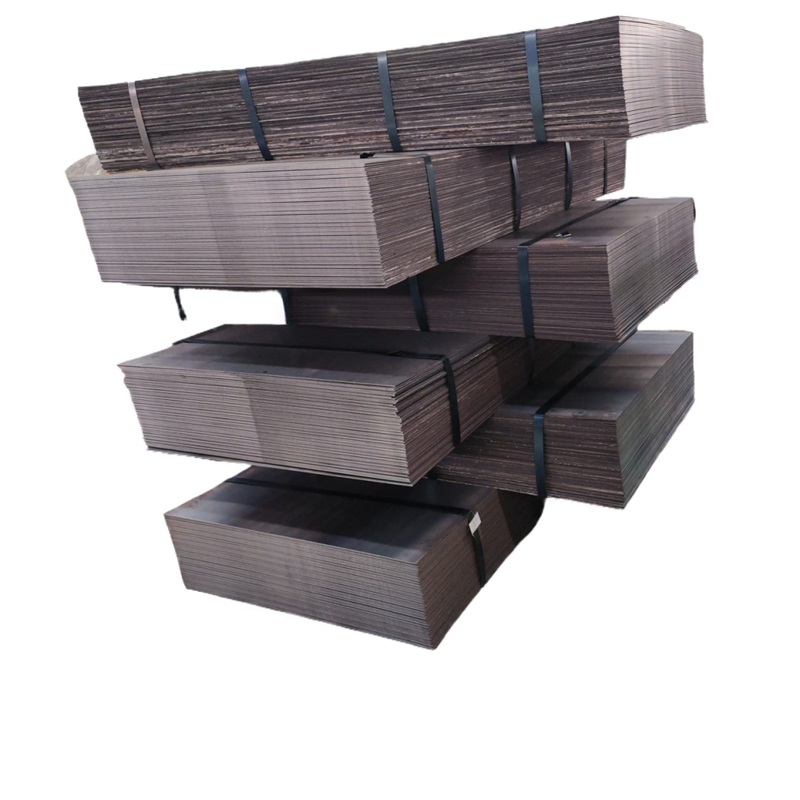
Get real-time carbon steel price per kg updates for your prototyping and production needs. Contact Susan Leo at [email protected] for competitive pricing and bulk order quotes.
Honyo Prototype operates a dedicated manufacturing facility in Shenzhen, ensuring fast turnaround, strict quality control, and cost-efficient fabrication for OEM and industrial clients.
Request a detailed quotation today and leverage our in-house expertise in material sourcing and precision manufacturing.
🚀 Rapid Prototyping Estimator
Estimate rough cost index based on volume.