
Contents
Manufacturing Insight: Carbon Steel Melting Temperature
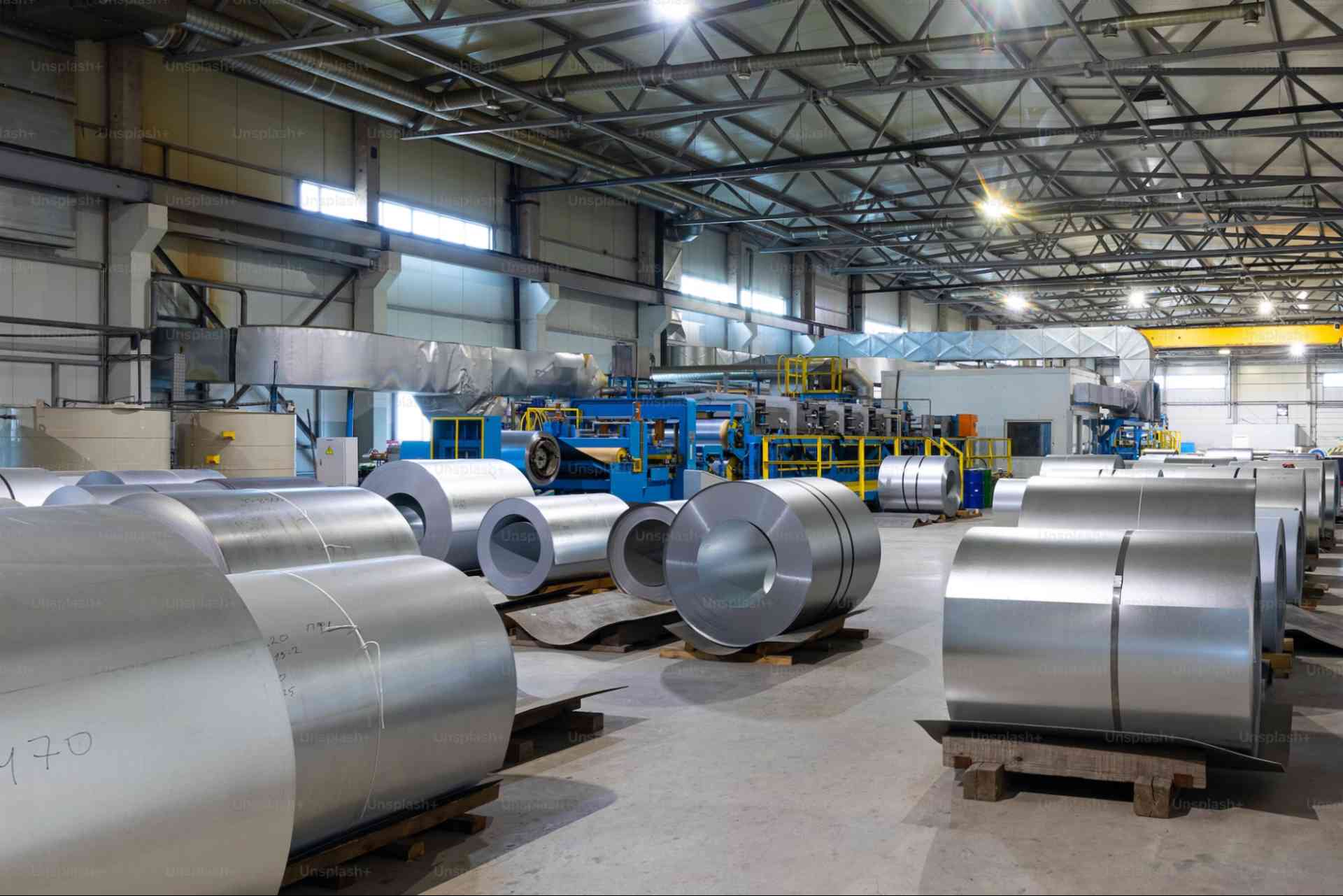
Understanding Carbon Steel Melting Temperature for Precision CNC Machining
Carbon steel melting temperature is a critical parameter in metal fabrication, directly influencing material behavior during high-heat processes like casting or welding. However, its relevance extends to CNC machining, where thermal stability and material integrity determine precision outcomes. Typical carbon steel grades melt within a range of 1,370°C to 1,510°C (2,500°F to 2,750°F), though exact values vary based on carbon content and alloying elements. For instance, low-carbon steels (e.g., 1018) melt near the higher end of this spectrum, while high-carbon variants (e.g., 1095) exhibit slightly lower thresholds due to increased carbon concentration. This thermal profile ensures dimensional stability during machining but demands exacting control to avoid microstructural changes from localized heat generation.
At Honyo Prototype, our CNC machining services leverage deep metallurgical expertise to navigate these nuances. We optimize cutting parameters, tool selection, and cooling strategies specifically for carbon steel’s thermal characteristics, ensuring tight tolerances (±0.005 mm) and superior surface finishes without compromising material integrity. Our ISO 9001-certified facility handles everything from low-volume prototypes to full-scale production, with advanced 5-axis milling and turning capabilities that mitigate thermal distortion risks inherent in high-melting-point materials.
| Carbon Steel Grade | Typical Carbon Content | Approximate Melting Range (°C) | Approximate Melting Range (°F) |
|---|---|---|---|
| AISI 1018 | 0.15–0.20% | 1,425–1,510 | 2,600–2,750 |
| AISI 1045 | 0.42–0.50% | 1,415–1,495 | 2,580–2,725 |
| AISI 1095 | 0.90–1.03% | 1,370–1,460 | 2,500–2,660 |
When your project requires carbon steel components with uncompromised accuracy, Honyo Prototype delivers engineered solutions rooted in material science. Accelerate your timeline with our Online Instant Quote system—submit CAD files for automated, transparent pricing within hours, backed by our engineering team’s proactive review to ensure manufacturability from the first cut. Partner with us for CNC machining where thermal intelligence meets precision execution.
Technical Capabilities
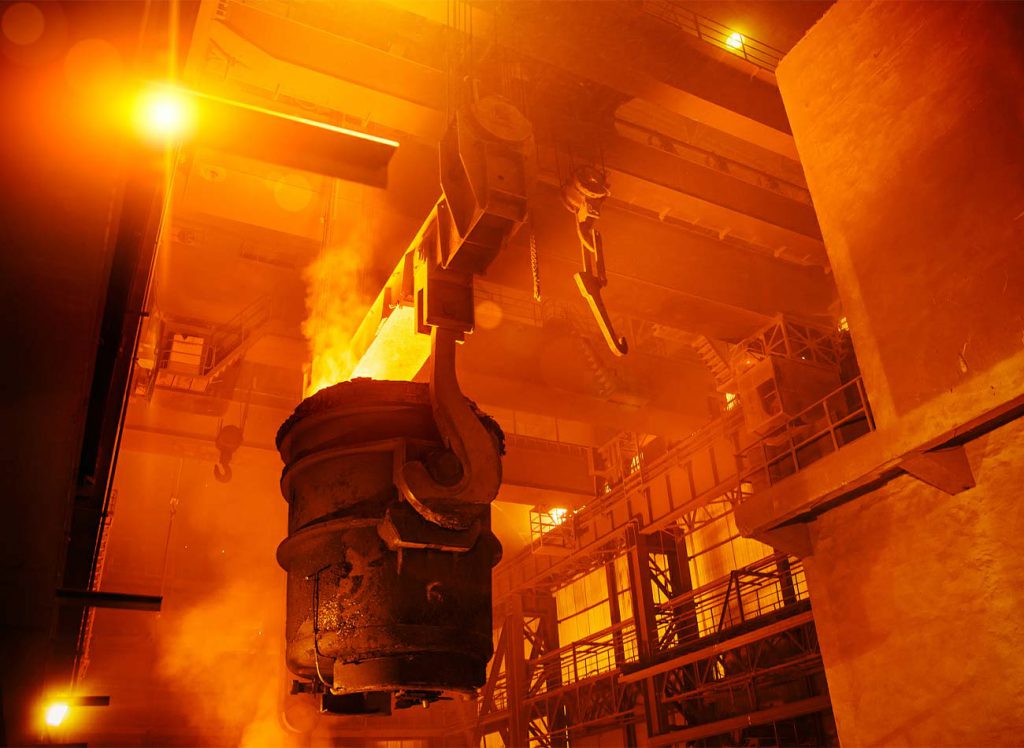
Carbon steel melting temperature refers to the temperature range at which carbon steel transitions from solid to liquid, typically between 1370°C and 1510°C (2500°F to 2750°F), depending on the specific alloy composition. While this property is fundamental in casting or welding processes, it is not a direct parameter in subtractive manufacturing such as 3/4/5-axis milling and turning. However, thermal stability, tool material selection, and heat management during high-speed machining are influenced by the workpiece’s thermal characteristics, including its resistance to softening or deformation near elevated temperatures.
In precision machining—especially in 3/4/5-axis milling and turning applications with tight tolerance requirements (±0.005 mm or tighter)—understanding the thermal and mechanical behavior of both workpiece and tooling materials is critical. Although carbon steel does not melt during machining, localized heat generation can affect dimensional accuracy, surface finish, and tool life.
Below is a comparison of relevant materials commonly machined in high-precision environments, including their thermal and mechanical properties as they relate to milling and turning operations.
| Material | Melting Temperature (°C) | Melting Temperature (°F) | Typical Use in 3/4/5-Axis Machining | Machinability Notes | Tight Tolerance Suitability |
|---|---|---|---|---|---|
| Carbon Steel | 1370–1510 | 2500–2750 | High-strength components, tooling, fixtures | Moderate to difficult; requires rigid setups, carbide tooling, and controlled feeds/speeds | High – excellent dimensional stability |
| Aluminum (e.g., 6061, 7075) | 580–650 | 1076–1202 | Aerospace, prototyping, heat sinks | Excellent; high MRR, low cutting forces, requires chip evacuation | High – good thermal conductivity aids stability |
| ABS | 105 (softens) | 221 (softens) | Prototypes, jigs, non-structural parts | Easy; low melting point requires cool cutting; prone to burring | Moderate – prone to thermal expansion |
| Nylon (PA6, PA66) | 215–265 | 420–509 | Insulators, gears, low-friction parts | Moderate; gummy material, requires sharp tools and climb milling | Moderate – hygroscopic and dimensionally variable |
| Tool Steel (e.g., H13, A2) | 1425–1470 | 2600–2680 | Molds, dies, high-wear components | Difficult; typically pre-hardened; often requires post-machining heat treatment | High – when stress-relieved and machined with thermal control |
Note: Melting temperature is not a direct factor in CNC machining processes since material removal occurs via shearing, not melting. However, thermal management is crucial to maintain tight tolerances. High-speed operations on steels generate significant heat, requiring coolant, proper tool coatings (e.g., TiAlN), and adaptive toolpaths to minimize thermal deflection.
For 3/4/5-axis milling and turning of carbon steel and other materials, successful tight-tolerance machining relies on:
Stable workholding and machine rigidity
Precision tooling with appropriate geometry and coatings
Optimized cutting parameters (SFM, feed rate, depth of cut)
Thermal compensation strategies in the CNC program
In-process metrology or post-machining CMM validation
Honyo Prototype applies these principles across aluminum, steel, ABS, and nylon components to ensure repeatability and conformance to tight tolerance requirements in complex geometries.
From CAD to Part: The Process
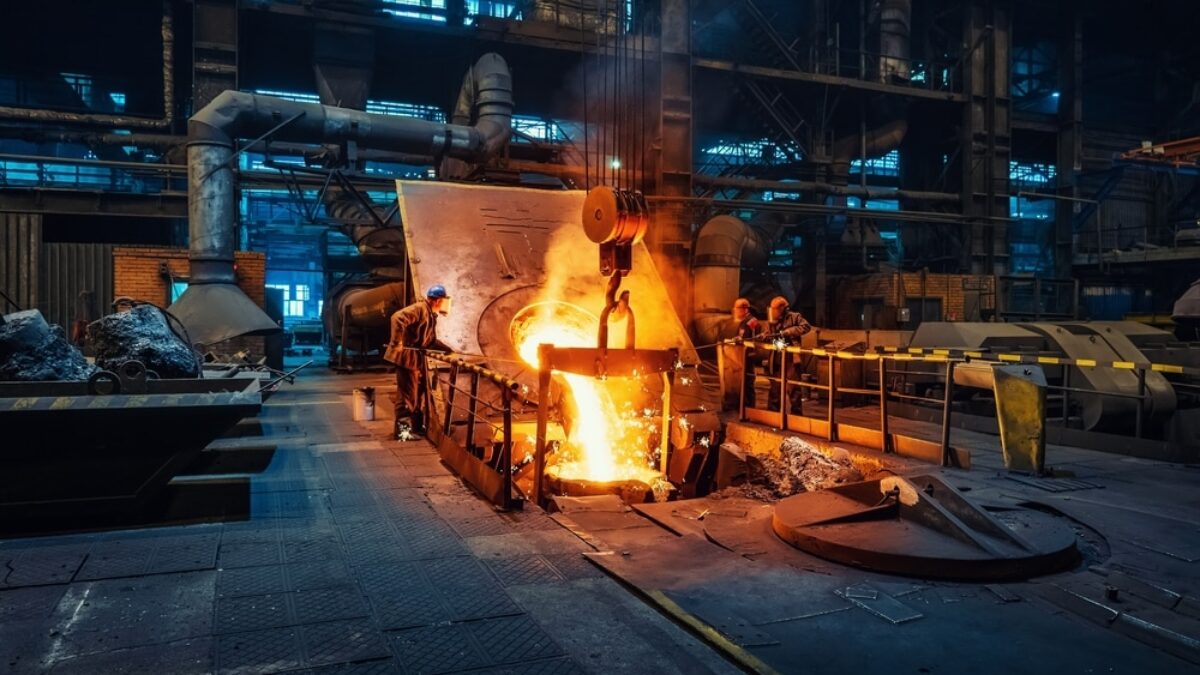
Honyo Prototype’s process for carbon steel component manufacturing rigorously addresses material properties like melting temperature throughout the workflow, though melting temperature itself is a fixed material characteristic determined by the specific carbon steel grade selected. Our process ensures this property is correctly accounted for during design and production planning. Below is the precise sequence:
Upon CAD file upload, our system identifies critical parameters including material specification. For carbon steel parts, the CAD metadata or customer notes must specify the exact grade (e.g., AISI 1045, 4140). This triggers our internal material database to reference the grade’s inherent properties, including its melting range (typically 1370°C–1510°C for common carbon steels, varying by carbon content). We do not measure melting temperature during production; it is a predefined input that informs subsequent stages.
The AI Quote engine cross-references the specified carbon steel grade against real-time foundry capabilities and material costs. Crucially, it validates whether the grade’s melting temperature aligns with our production equipment limits. For instance, grades requiring induction melting above 1500°C may necessitate specialized furnace scheduling, directly impacting lead time and cost calculations in the quotation. Material substitution recommendations are generated if the requested grade poses thermal processing risks.
During DFM analysis, our engineers explicitly evaluate thermal design factors tied to the steel’s melting and solidification behavior. Key checks include:
Riser and gating system adequacy to compensate for liquid-to-solid shrinkage during cooling
Mold material compatibility with the steel’s pouring temperature (typically 50–100°C above liquidus temperature)
Simulation of solidification patterns to prevent hot tears or porosity, using the grade’s specific thermal conductivity and latent heat values
Verification that section thicknesses avoid cooling rates that could cause excessive martensite formation in hardenable grades
Production execution strictly adheres to the thermal profile derived from the carbon steel grade:
Electric arc furnaces or induction units are calibrated to achieve and maintain the precise superheat temperature above the alloy’s liquidus point
Molten steel undergoes spectrographic analysis to confirm composition matches the grade’s expected melting characteristics
Pouring temperatures are logged against the validated range for the specific grade (e.g., 1600°C ± 15°C for AISI 1020)
Solidification monitoring ensures directional cooling per DFM recommendations to minimize defects
Delivery includes full material traceability documentation. The certified mill test report for the carbon steel batch confirms chemical composition, which inherently defines the melting behavior. Process validation records detail actual melting, pouring, and cooling parameters versus the grade-specific targets established during DFM. This provides auditable proof that thermal processing respected the material’s fundamental properties.
Start Your Project
For precise manufacturing specifications, note that carbon steel typically melts at temperatures between 1370°C and 1520°C (2500°F to 2770°F), depending on the exact carbon content and alloying elements. Accurate temperature control during melting is critical for achieving desired material properties and part performance in prototype and production runs.
For engineering support or custom fabrication inquiries related to carbon steel components, contact Susan Leo directly at [email protected]. Honyo Prototype operates a fully equipped manufacturing facility in Shenzhen, providing rapid prototyping and low-volume production services with strict quality control and materials traceability.
🚀 Rapid Prototyping Estimator
Estimate rough cost index based on volume.