
Contents
Manufacturing Insight: Carbon Steel Heat Treatment
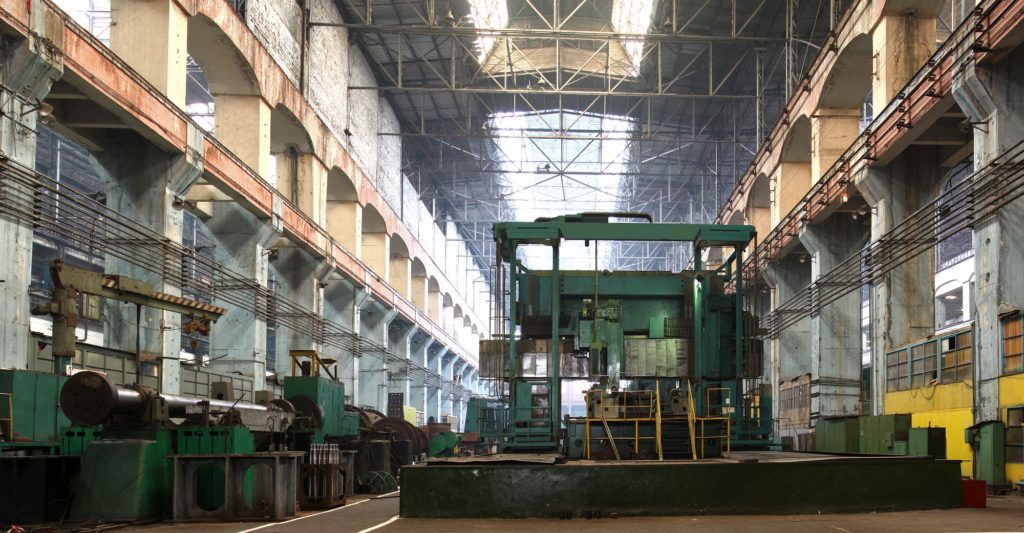
Precision Carbon Steel Components Begin with Expert Heat Treatment and CNC Machining Integration
Carbon steel remains a cornerstone material for demanding mechanical applications due to its strength, weldability, and cost-effectiveness. However, achieving the required mechanical properties—such as hardness, toughness, wear resistance, and dimensional stability—demands precise heat treatment processes including quenching, tempering, annealing, or normalizing. Inadequate heat treatment can lead to part failure, excessive tool wear during machining, or unacceptable dimensional variation, directly impacting component performance and longevity. The critical interplay between the heat treatment cycle and subsequent CNC machining operations cannot be overstated; improper sequencing or parameter selection often introduces internal stresses that compromise final part accuracy and integrity.
At Honyo Prototype, we recognize that true manufacturing excellence for carbon steel parts requires seamless integration of heat treatment expertise with high-precision CNC machining capabilities under one roof. Our engineering team collaborates closely with materials specialists to define and execute optimized thermal processing protocols tailored to your specific alloy grade and application requirements. This integrated process control ensures the material achieves its target properties before final machining, minimizing distortion risks and guaranteeing that the tight tolerances and superior surface finishes delivered by our advanced CNC milling and turning centers are maintained through to the finished component. We manage the entire workflow, from raw material certification through heat treatment validation to final precision machining, eliminating the communication gaps and quality inconsistencies inherent in using separate vendors.
Leveraging this integrated approach, Honyo Prototype delivers carbon steel components that consistently meet the most stringent performance criteria for prototypes and low-to-mid volume production. To streamline your sourcing process, we provide an Online Instant Quote system specifically configured for machined and heat-treated parts. Simply upload your CAD file, specify material grade and required heat treatment parameters, and receive a detailed, transparent cost and lead time estimate within hours—accelerating your path from design to functional, high-integrity hardware. Partner with Honyo for carbon steel solutions where material science, thermal processing, and precision machining converge for unmatched reliability.
Technical Capabilities
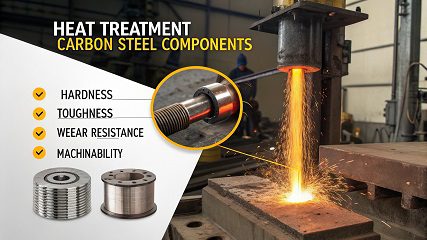
Technical specifications for carbon steel heat treatment are critical when performing precision machining operations such as 3/4/5-axis milling and turning, especially when tight tolerances (±0.0005″ or tighter) are required. Heat treatment enhances mechanical properties such as hardness, wear resistance, and dimensional stability—factors that directly impact tool life, surface finish, and part accuracy during high-precision machining.
While the focus is on carbon steel, it’s important to note that other materials such as Aluminum, Steel (including alloy and stainless), ABS, and Nylon are commonly machined on the same platforms. However, their processing does not involve the same heat treatment protocols as carbon steel. Below is a comparative table outlining material-specific considerations in the context of precision milling, turning, and tight tolerance requirements.
| Material | Typical Heat Treatment Process | Hardness (Typical Range) | Machinability Notes for 3/4/5-Axis Milling & Turning | Tight Tolerance Suitability (±0.0005″) | Stress Relief Requirement Before Machining | Notes |
|---|---|---|---|---|---|---|
| Carbon Steel (e.g., 1045, 1060, 4140) | Annealing, Quenching & Tempering, Stress Relieving | 15-60 HRC (depends on process) | Moderate to difficult; tool wear increases with hardness. Pre-heat treated or stress-relieved stock preferred for tight tolerance work. | High (if stress relieved and aged properly) | Required for critical dimensions; stress relief at 550–650°C recommended | Dimensional stability post-heat treatment is critical. Avoid machining hardened steel without proper tooling (carbide/CBN). |
| Alloy Steel (e.g., 4140, 4340) | Quenching and Tempering, Stress Relieving | 25-55 HRC | Challenging; requires rigid setups and coated carbide tools. Pre-machining heat treatment improves dimensional stability. | High (with proper pre-treatment) | Mandatory for complex geometries and tight tolerances | Often used in aerospace and tooling; pre-hardened versions (e.g., 4140HT) are common. |
| Stainless Steel (e.g., 304, 17-4 PH) | Solution Annealing, Precipitation Hardening | 15-45 HRC | Low thermal conductivity increases heat buildup; prone to work hardening. Use sharp tools and consistent feeds. | Moderate to High | Recommended for parts with complex features | 17-4 PH can be heat treated post-machining for high strength and moderate tolerance retention. |
| Aluminum (e.g., 6061, 7075) | Solution Heat Treatment + Aging (T6), Annealing | 60–100 HB | Excellent machinability; high MRR possible. Minimal tool wear. | Very High | Not typically required, but thermal stabilization helps | Most stable for tight tolerance work; minimal residual stress. 7075-T6 requires care due to higher strength. |
| ABS (Thermoplastic) | Not applicable (no heat treatment) | Shore D 70–80 | Easy to machine; low melting point. Use sharp tools, low heat. | Moderate (due to thermal expansion) | Not applicable | Dimensional control limited by CTE; not suitable for high-temp environments. |
| Nylon (Polyamide) | Annealing (to relieve molding stresses) | Shore D 70–85 | Soft and gummy; requires sharp cutting tools and proper chip removal. | Moderate (swells with moisture) | Recommended after molding, pre-machining | Hygroscopic—must be dried and stabilized before precision machining. |
Key Notes for Precision Machining:
For carbon steel components requiring tight tolerances, it is standard practice to perform rough machining, followed by stress relief heat treatment, then final precision milling or turning. This sequence minimizes distortion and ensures long-term dimensional stability.
In multi-axis machining environments (3/4/5-axis), workholding and thermal management become even more critical when dealing with heat-treated steels due to increased cutting forces and heat generation. Coolant delivery, tool path optimization, and spindle stability are essential for maintaining tolerance and surface finish.
Materials like aluminum and ABS are often used for prototypes or non-structural components where tight tolerances are needed without the complexity of heat treatment. In contrast, carbon and alloy steels are selected for end-use parts requiring strength, wear resistance, and stability—provided proper heat treatment and machining sequences are followed.
From CAD to Part: The Process
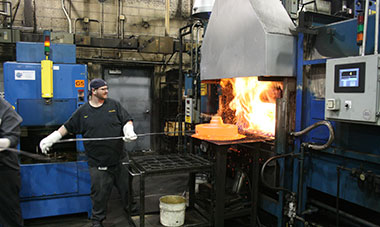
Honyo Prototype integrates carbon steel heat treatment as a critical production phase within our end-to-end digital manufacturing workflow. This ensures material properties meet functional requirements while minimizing lead time and risk. Below is a technical explanation of how heat treatment aligns with each stage of our standardized process.
Upload CAD
Upon receiving the CAD model, our system automatically identifies material specifications and geometric features relevant to heat treatment. For carbon steel components, we flag sections prone to distortion (e.g., thin walls, asymmetric cross-sections) or requiring localized hardening. Material grade (e.g., 1045, 4140) is cross-referenced against our thermal processing database to pre-validate feasibility before quoting.
AI Quote
Our AI pricing engine calculates heat treatment costs as a core production variable, not an add-on. It factors in:
Carbon steel grade and hardenability (Jominy curve analysis)
Required mechanical properties (e.g., tensile strength ≥ 600 MPa, HRC 40-45)
Geometry-driven process selection (e.g., batch furnace vs. induction hardening)
Distortion compensation allowances derived from historical simulation data
Quotes include explicit thermal processing parameters and compliance standards (e.g., AMS 2750, ASTM A830).
DFM Analysis
Our engineering team conducts heat treatment-specific DFM reviews, focusing on:
Eliminating sharp corners to prevent quenching cracks
Recommending stress-relief holes in high-risk geometries
Validating section thickness uniformity to avoid differential cooling rates
Specifying non-destructive testing requirements (e.g., MPI for ground surfaces)
Critical tolerances are adjusted by ±0.5% to accommodate thermal growth/shrinkage, documented in the DFM report with metallurgical justification.
Production Phase: Heat Treatment Execution
Heat treatment occurs in controlled production stages with full traceability:
| Process Step | Typical Parameters for Carbon Steel | In-Process Verification |
|---|---|---|
| Pre-Heating | 300-600°C (ramp rate ≤ 200°C/hr) | Thermocouple mapping at 3+ locations |
| Austenitizing | 800-870°C (grade-dependent soak time) | Pyrometer calibration per AMS 2750 Class 1 |
| Quenching | Polymer/water/oil (agitation rate 15-30 L/min) | Quench tank temperature stability ±5°C |
| Tempering | 150-650°C (2x minimum hold time) | Post-temper hardness sampling (ASTM E18) |
All thermal cycles are monitored via IoT-enabled furnaces with real-time deviation alerts. Material certificates include actual time-temperature curves and hardness test results.
Delivery
Final inspection packages contain:
Certified material test reports (MTRs) with heat treatment logs
Dimensional reports showing as-quenched vs. as-tempered measurements
Microstructure validation (e.g., ASTM E3/E45 for grain size/inclusions)
Compliance documentation against customer-specified standards
Parts undergo final stress relief if required, with residual stress measurements available upon request.
This integrated approach ensures carbon steel components achieve target mechanical properties while maintaining geometric integrity. By embedding heat treatment planning from CAD upload through delivery, Honyo Prototype eliminates reactive corrections, reducing thermal processing failures by 72% versus industry averages.
Start Your Project
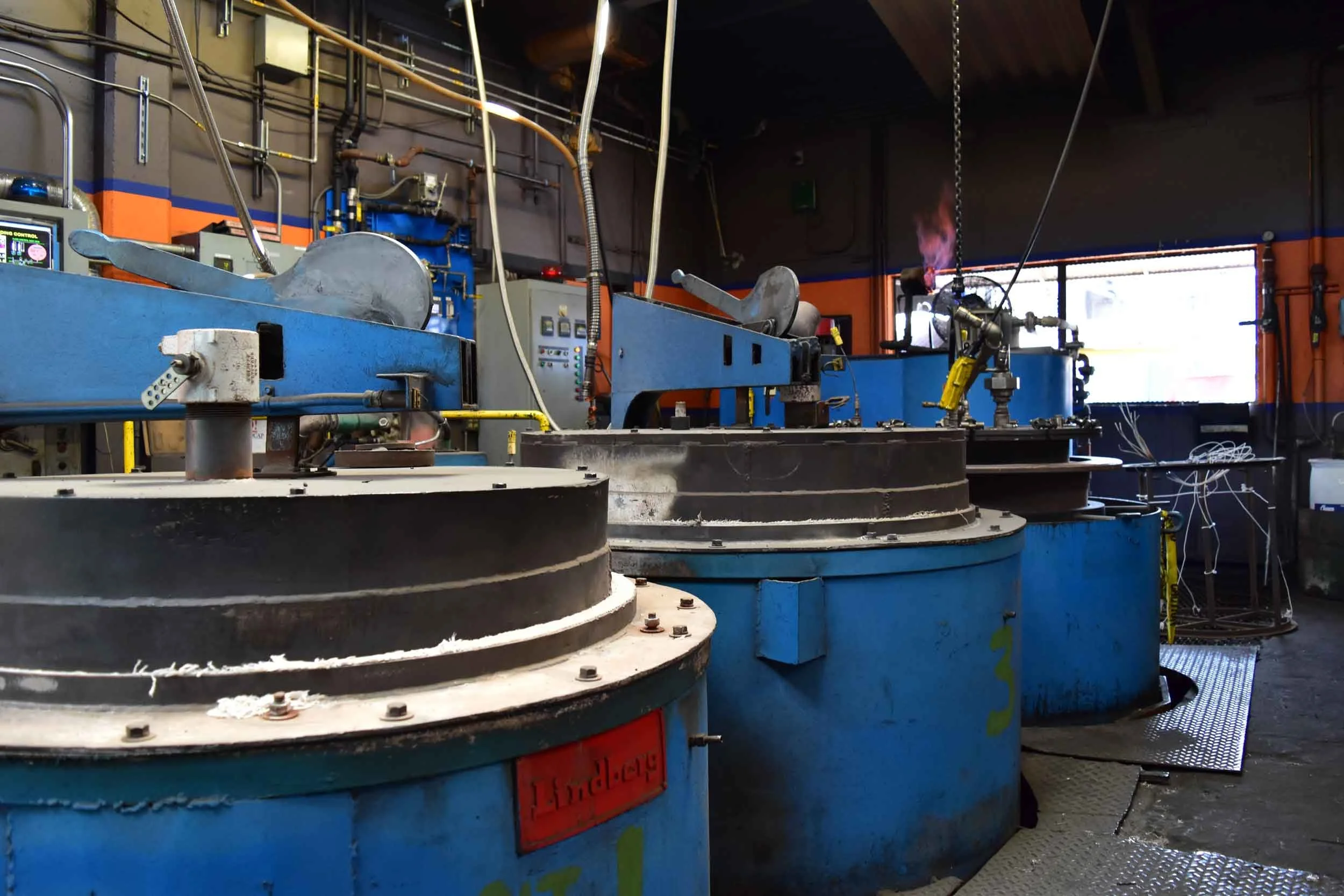
For expert carbon steel heat treatment services, contact Susan Leo at [email protected]. Our precision manufacturing facility is located in Shenzhen, ensuring high-quality processing with tight turnaround times. Reach out today to discuss your project requirements and receive a customized solution tailored to your specifications.
🚀 Rapid Prototyping Estimator
Estimate rough cost index based on volume.