
Contents
Manufacturing Insight: Can You Cut Stainless Steel With A Cutting Torch
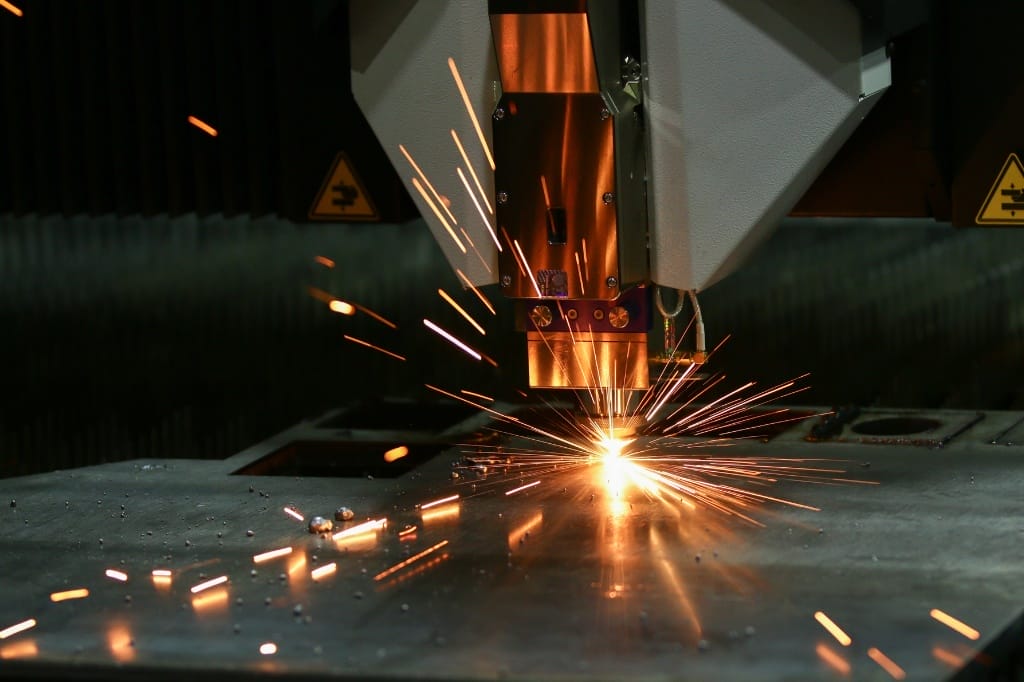
Traditional oxy-fuel cutting torches face significant limitations when processing stainless steel due to its chromium content. The chromium oxide layer that provides corrosion resistance has a much higher melting point than the base metal, preventing clean cuts and often resulting in incomplete separation, excessive slag, and compromised material integrity near the cut edge. This inherent challenge makes thermal cutting methods unsuitable for precision stainless steel components requiring tight tolerances or critical surface finishes.
For demanding stainless steel fabrication—particularly grades like 304 and 316—Honyo Prototype delivers superior results through advanced CNC machining processes. Our precision CNC milling, turning, and multi-axis laser cutting capabilities eliminate thermal distortion risks associated with torch methods, ensuring dimensional accuracy down to ±0.005mm and superior edge quality. We routinely machine complex stainless steel prototypes and low-volume production parts with strict adherence to material properties and geometric specifications, supporting industries from medical devices to aerospace where reliability is non-negotiable.
Leverage Honyo’s engineering expertise for your stainless steel projects without project delays. Our Online Instant Quote system provides validated pricing and lead times in under 60 seconds, factoring in material grade, complexity, and required tolerances. Submit your STEP or IGES file directly through our portal to receive a technically reviewed quotation—enabling faster iteration and production readiness for mission-critical components.
Technical Capabilities
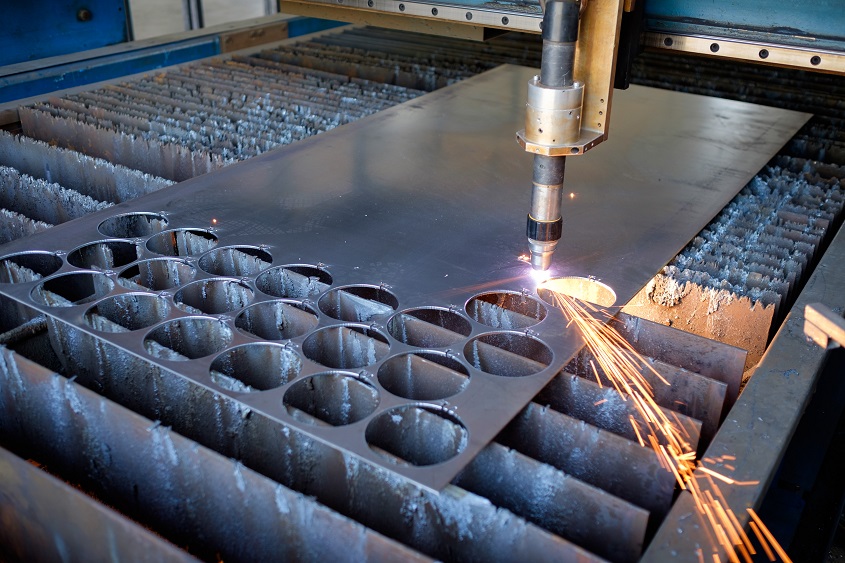
Stainless steel cannot be effectively cut using a traditional oxy-fuel cutting torch due to its high chromium content, which forms a refractory oxide layer that resists oxidation. Instead, precision machining methods such as 3-, 4-, and 5-axis milling and turning are preferred for achieving tight tolerances and high-quality finishes on stainless steel and other engineering materials.
Below is a technical comparison of machining capabilities across common materials using advanced CNC processes:
| Material | Machinability | Max Tolerance (Typical) | Recommended Process | Notes |
|---|---|---|---|---|
| Stainless Steel | Moderate | ±0.0005″ (12.7 µm) | 5-Axis Milling, CNC Turning | Requires rigid setup, carbide tooling, and proper coolant; not suitable for oxy-fuel torch cutting |
| Aluminum | High | ±0.0002″ (5 µm) | 3- or 5-Axis Milling | Excellent for high-speed machining; low melting point but conducts heat well |
| Carbon Steel | Good | ±0.0005″ (12.7 µm) | 4-Axis Milling, CNC Turning | Can be torch-cut with oxy-fuel, but precision work requires CNC machining |
| ABS | High | ±0.005″ (127 µm) | 3-Axis Milling | Thermoplastic; prone to melting if excessive heat is generated; not for torch use |
| Nylon | Moderate | ±0.005″ (127 µm) | CNC Turning, 3-Axis Milling | Low stiffness; requires careful fixturing; high wear resistance but absorbs moisture |
For applications requiring tight tolerances and complex geometries—especially in stainless steel—5-axis milling provides superior accuracy and surface finish compared to traditional thermal cutting methods. Turning operations are ideal for cylindrical components, while multi-axis systems enable single-setup machining of intricate features. Thermal processes like cutting torches are not viable for stainless steel in precision manufacturing environments.
From CAD to Part: The Process
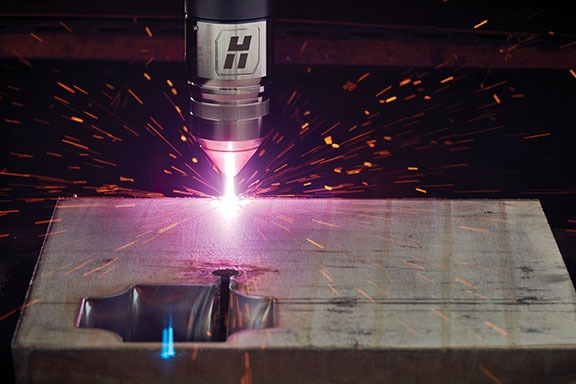
Honyo Prototype employs a rigorously controlled digital manufacturing workflow specifically engineered for precision stainless steel fabrication. This process ensures material integrity and dimensional accuracy while addressing the critical limitations of traditional cutting methods for stainless alloys. Direct application of an oxy-fuel cutting torch is not utilized for stainless steel due to fundamental metallurgical constraints: the chromium content forms refractory oxides that prevent effective oxidation cutting and cause severe slag adhesion. Instead, we deploy advanced thermal cutting technologies optimized for stainless steel’s properties.
CAD Upload & Initial Assessment
Clients submit detailed 3D models or 2D drawings via our secure portal. Our system immediately performs preliminary checks for file integrity, unit consistency, and basic manufacturability flags. For stainless steel components, we specifically verify material specification (e.g., 304, 316, 17-4PH) and required surface finish to determine the appropriate cutting methodology.
AI-Powered Quoting Engine
Our proprietary AI analyzes the CAD geometry against live material costs, machine availability, and process parameters. For stainless steel, the algorithm automatically selects between high-definition plasma or fiber laser cutting based on thickness and tolerance requirements. The quote includes explicit process justification, expected edge quality metrics (e.g., dross level, kerf width), and material certification options. Typical accuracy parameters for quoted processes are:
| Process | Max Thickness (Stainless) | Kerf Width Tolerance | Surface Roughness (Ra) |
|---|---|---|---|
| Fiber Laser | 25 mm | ±0.1 mm | 6.3 – 12.5 µm |
| HD Plasma | 50 mm | ±0.25 mm | 12.5 – 25 µm |
Engineering DFM Analysis
Our manufacturing engineers conduct a mandatory Design for Manufacturability review within 3-5 business days. For stainless steel projects, this phase is critical to prevent thermal distortion and oxidation issues. We validate:
Heat-affected zone minimization strategies through optimized cut sequencing
Nitrogen or argon assist gas requirements to prevent chromium carbide precipitation
Support structure design to counteract warpage during cutting
Edge preparation specifications for subsequent welding or finishing
Clients receive a detailed DFM report with actionable recommendations, including alternative geometries if features risk compromising material corrosion resistance.
Precision Production Execution
Stainless steel fabrication occurs in climate-controlled environments using:
6kW fiber laser systems with pure nitrogen assist for parts ≤25mm (prevents oxide layer formation)
Hypertherm XPR3 cutting systems with oxygen-nitrogen mixtures for thicker sections (30-50mm)
In-process thermal monitoring to maintain interpass temperatures below 150°C for austenitic grades
All cut edges undergo immediate descaling via mechanical brushing or chemical passivation per ASTM A967. First-article inspections verify flatness (≤0.5mm/m), dimensional accuracy (±0.2mm), and absence of micro-cracks using penetrant testing.
Quality-Controlled Delivery
Components undergo final validation per ISO 9001:2015 protocols including:
PMI material verification with handheld XRF analyzers
Surface contamination checks via water break test
Dimensional certification via CMM for critical features
Parts ship with protective film, material test reports, and process documentation. Standard lead time from CAD approval to delivery is 7-12 business days for quantities ≤50 units, with expedited options available. All stainless steel shipments include handling instructions to prevent cross-contamination during client assembly.
Start Your Project
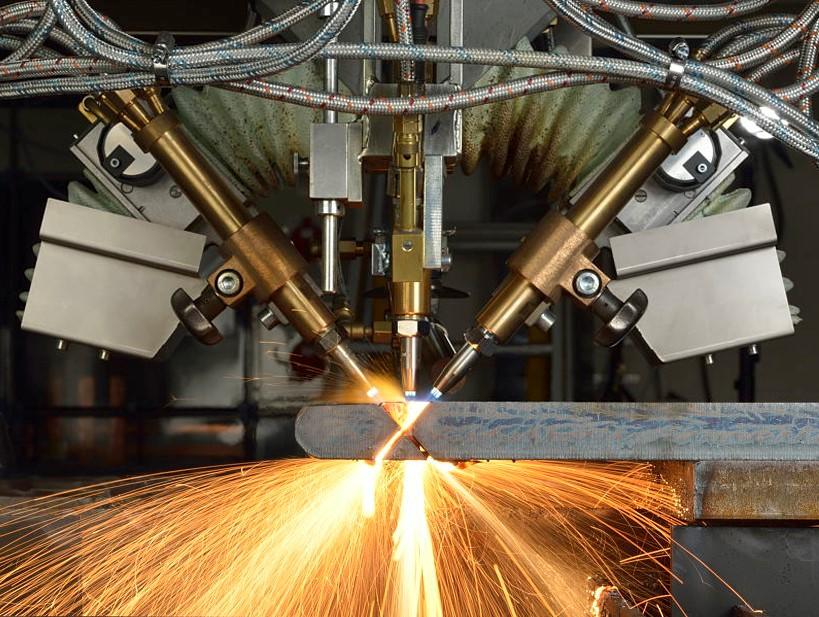
Yes, stainless steel can be cut with a cutting torch, although it requires specific techniques and equipment due to the material’s high chromium content and heat resistance. At Honyo Prototype, we utilize precision thermal cutting methods, including plasma and oxy-fuel torches, to effectively cut stainless steel while maintaining material integrity and edge quality.
For detailed technical consultation or project-specific support, contact Susan Leo at [email protected]. Our manufacturing facility is located in Shenzhen, where we leverage advanced metal fabrication capabilities to serve industrial, aerospace, and custom prototyping applications.
🚀 Rapid Prototyping Estimator
Estimate rough cost index based on volume.