
Contents
Manufacturing Insight: Black Oxide Coating Services
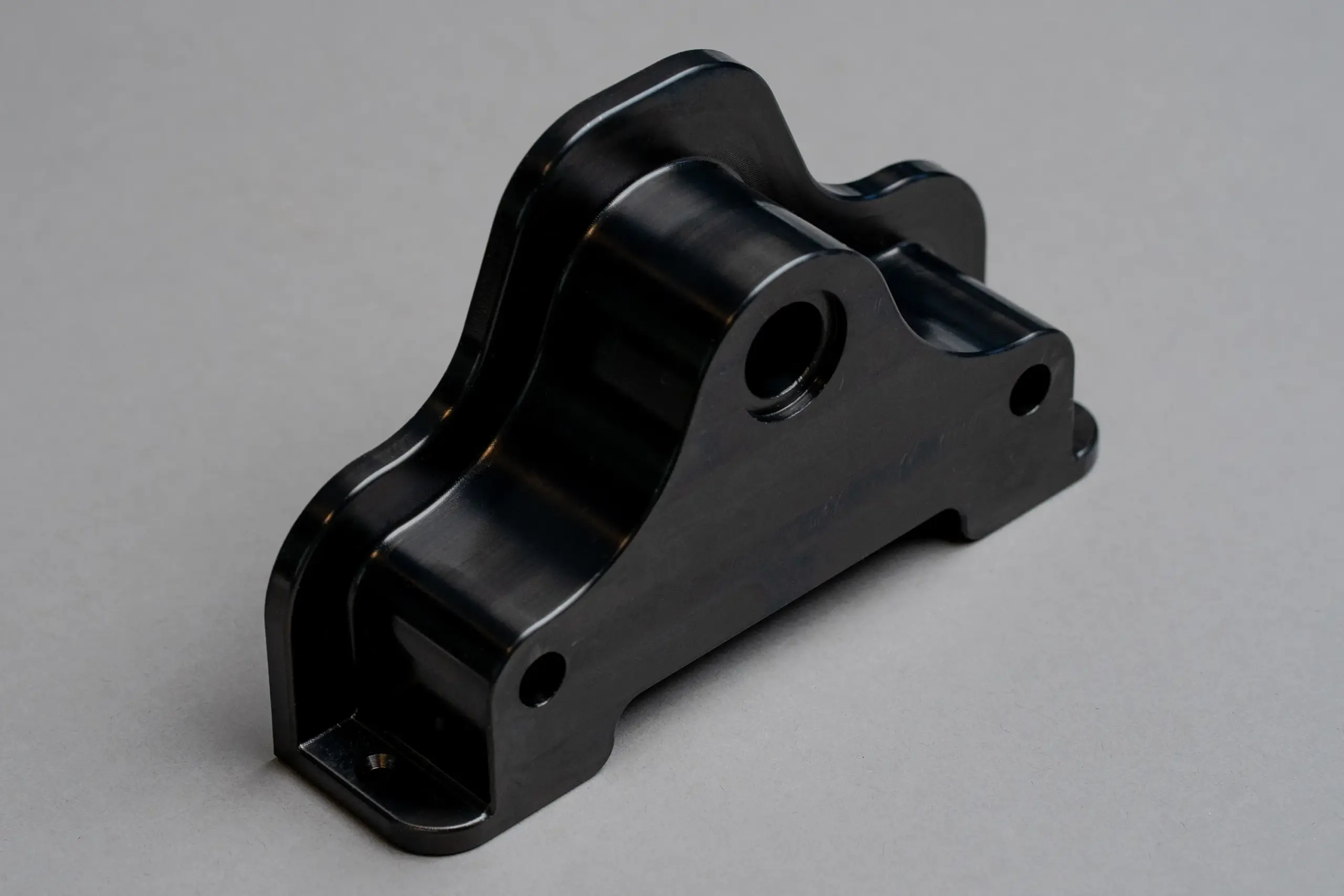
Honyo Prototype delivers precision-engineered solutions where functional performance meets exacting dimensional requirements. Our black oxide coating services provide a critical finishing step for components demanding enhanced corrosion resistance, reduced light reflection, and a uniform matte finish without compromising tight tolerances. This controlled chemical conversion process is particularly valuable for precision CNC machined parts where dimensional stability and adhesion are paramount, ensuring the coating integrates seamlessly with the underlying substrate geometry achieved through our machining processes.
As an integrated manufacturing partner, Honyo Prototype uniquely combines advanced CNC machining capabilities with in-house black oxide finishing. This vertical integration eliminates supply chain delays and quality handoffs, guaranteeing that your machined components receive the appropriate surface treatment under the same rigorous quality management system that governs our milling, turning, and multi-axis operations. We understand that secondary operations like black oxide must complement, not conflict with, the precision achieved during machining, maintaining critical feature integrity and surface specifications.
For engineering teams requiring rapid validation of both machining and finishing costs, Honyo Prototype offers an efficient path forward. Our Online Instant Quote system allows you to upload CAD models and immediately receive a comprehensive cost assessment covering precision CNC machining alongside compatible finishing services, including black oxide. This transparency accelerates your procurement cycle, enabling faster design validation and production planning for components where surface functionality is non-negotiable. Submit your design today to experience integrated manufacturing efficiency.
Technical Capabilities
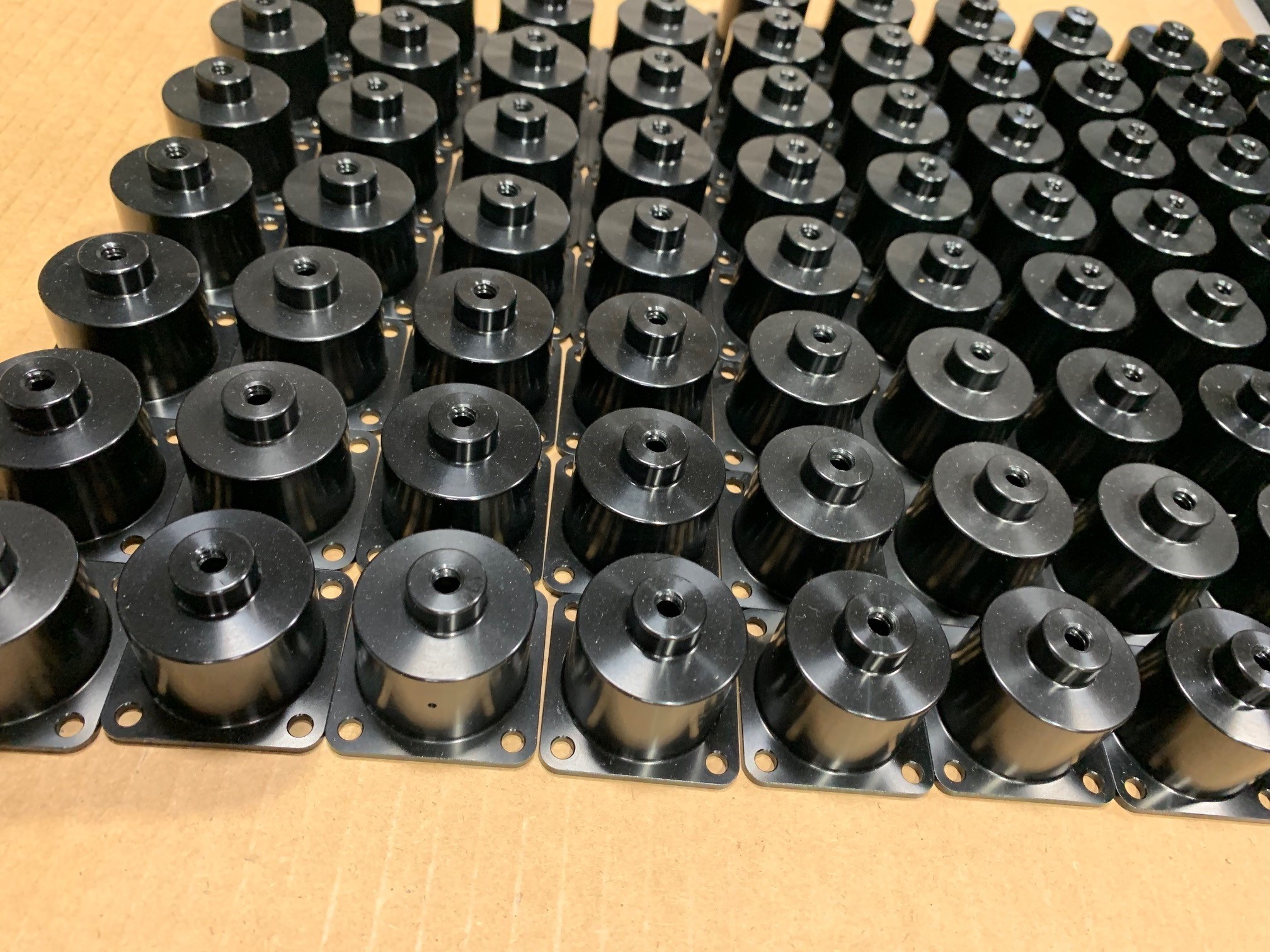
Black oxide coating is a chemical conversion coating primarily used to enhance corrosion resistance, improve appearance, and minimize light reflection on metal components. While commonly applied to ferrous materials such as carbon and alloy steels, special processes exist for stainless steel. Non-ferrous materials like aluminum, ABS, and nylon require alternative surface treatments, as standard black oxide does not adhere effectively. This makes black oxide most suitable for precision-machined steel components produced via 3-, 4-, or 5-axis milling and turning operations, especially where tight tolerances (±0.0002″ to ±0.001″) are required.
The process involves immersing the part in a hot alkaline solution containing sodium hydroxide and oxidizing salts at temperatures around 285°F (141°C). The reaction converts surface iron into magnetite (Fe₃O₄), creating a tightly adherent black finish with minimal dimensional change—typically 0.00005″ to 0.0001″ per surface—making it ideal for tight-tolerance applications.
| Parameter | Specification / Details |
|---|---|
| Compatible Materials | Low and medium carbon steels, alloy steels, tool steels, cast iron, stainless steel (via specialized black oxide). Aluminum, ABS, and nylon are not compatible with standard black oxide; require alternative finishes such as anodizing (Al), painting, or plating (plastics). |
| Typical Coating Thickness | 0.00005″ – 0.0001″ per surface (minimal build-up, ideal for precision-machined parts) |
| Dimensional Impact | Negligible; suitable for tight tolerance components (±0.0002″ to ±0.001″) |
| Process Temperature | ~285°F (141°C) – hot black oxide process |
| Corrosion Resistance | Moderate; significantly enhanced when paired with oil or wax post-treatment |
| Electrical Conductivity | Maintains conductivity; suitable for grounding and EMI shielding applications |
| Aesthetic Finish | Matte black, uniform appearance; reduces glare |
| Application Method | Immersion process; suitable for complex geometries from 3-, 4-, and 5-axis milling and turning |
| Post-Treatment Requirement | Oil, wax, or sealant typically applied to enhance corrosion resistance |
| Common Industry Uses | Aerospace, defense, medical, automotive, and industrial equipment components |
Note: For aluminum, black anodizing (Type II or Type III) is the preferred black finish. For ABS and nylon, options include painting, plating, or use of pigmented resins during molding. These materials do not undergo traditional black oxide processing.
From CAD to Part: The Process
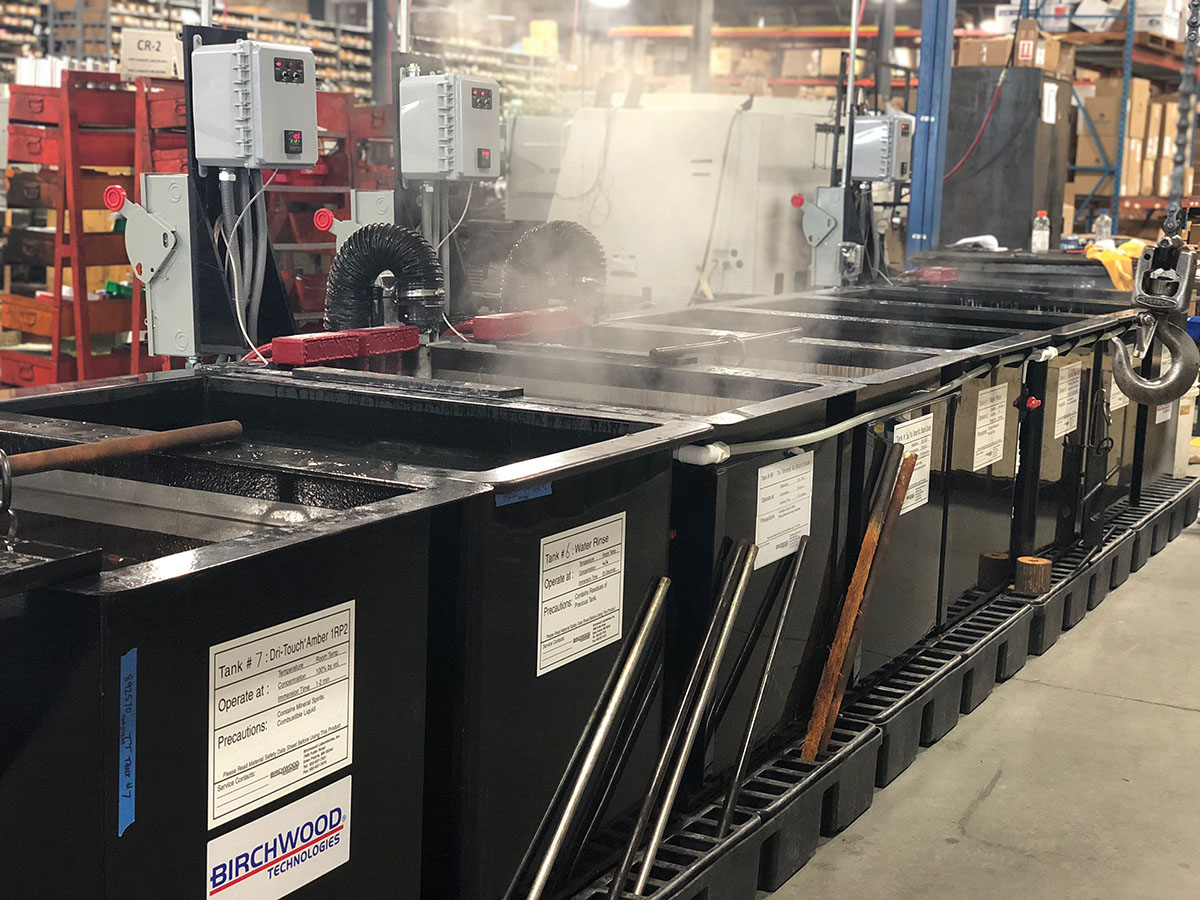
Honyo Prototype Black Oxide Coating Service Process
Honyo Prototype delivers precision black oxide coating services through a streamlined, technology-driven workflow designed for efficiency and quality assurance. The process begins with CAD Upload, where clients submit detailed 3D models in standard formats (STEP, IGES, Parasolid) via our secure customer portal. Our system validates file integrity and extracts critical geometry data, including part dimensions, surface area, and material specifications. This initial step ensures all technical parameters required for coating feasibility are captured upfront, eliminating manual data entry errors.
Following CAD ingestion, the AI-Powered Quoting Engine analyzes the model against Honyo’s proprietary database of material compatibility, coating thickness requirements, and geometric constraints. The AI cross-references ASTM D609 standards for conversion coatings and evaluates factors such as substrate type (e.g., low-carbon steel, 1018/1020 alloys), part complexity, and batch volume. Within 90 minutes, clients receive a binding quote with transparent cost breakdowns, lead time projections, and explicit notes on any potential limitations—such as exclusion of 300-series stainless steel due to chromium interference with the oxide layer.
The Design for Manufacturability (DFM) Review phase engages Honyo’s engineering team to scrutinize the design for coating viability. Engineers perform virtual simulations to identify risks including blind holes trapping processing solutions, inadequate drainage angles causing streaking, or thin cross-sections prone to over-etching. Common corrective actions documented in the DFM report include recommending vent holes for enclosed cavities, adjusting racking points to prevent masking, or flagging surface roughness deviations beyond the 125–250 μin Ra range optimal for uniform oxide adhesion. This step reduces rework by 40% based on historical project data.
During Production Execution, parts undergo a rigorously controlled 8-stage process:
1. Vapor degreasing to remove oils
2. Alkaline soak cleaning (60–70°C)
3. Acid pickling (15–20% sulfuric acid)
4. Black oxide immersion (135–145°F, sodium nitrite/nitrate bath)
5. Hot DI water rinsing (3 cycles)
6. Post-oxide sealant application (trivalent chromium or oil-based)
7. Oven drying (180–200°F)
8. Final metrology verification
Critical process parameters are monitored in real time, as summarized below:
| Parameter | Control Range | Verification Method |
|---|---|---|
| Bath Temperature | 135–145°F ±2°F | Automated thermocouples |
| Immersion Time | 15–25 minutes | PLC-timed cycles |
| Sealant pH | 4.0–5.5 | Inline pH meters |
| Coating Thickness | 0.00001–0.00003 in | XRF spectrometry |
All batches undergo salt spray testing per ASTM B117 (minimum 48 hours to white rust) with results logged in the client’s digital quality dossier.
Delivery and Documentation completes the workflow with serialized packaging using VCI paper and MIL-STD-2073 compliant labeling. Clients receive certified material test reports (CMTRs), coating thickness validation data, and a digital process passport via the Honyo customer portal. Standard lead time is 72 hours from DFM approval, with expedited 24-hour options for urgent prototypes. All shipments include real-time FedEx Priority tracking with customs documentation pre-validated for global delivery compliance. This closed-loop system ensures consistent adherence to ISO 9001:2015 and AS9100D standards while minimizing time-to-part for engineering teams.
Start Your Project
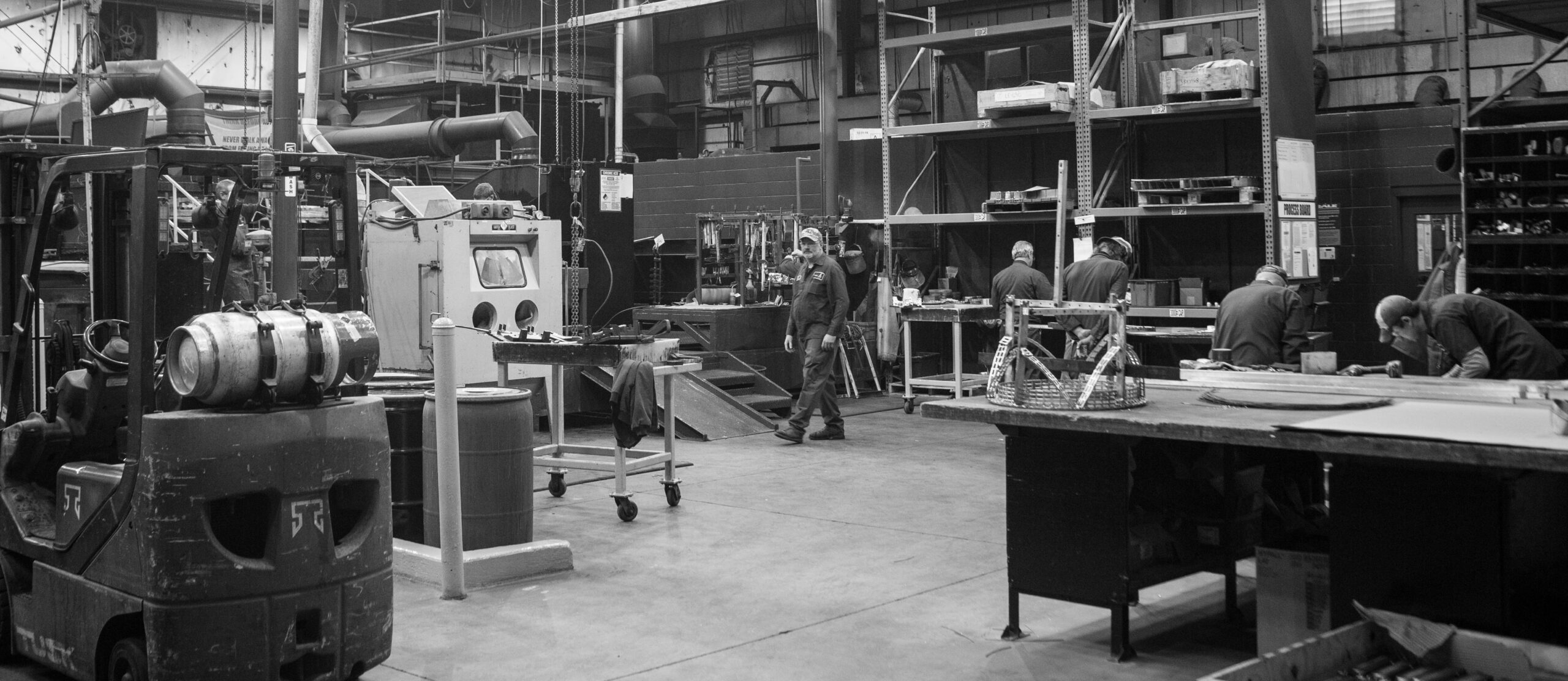
For reliable black oxide coating services tailored to your precision manufacturing needs, contact Susan Leo at [email protected]. Our in-house surface treatment facility in Shenzhen ensures tight process control, fast turnaround times, and consistent quality for low to medium volume production runs. As a trusted partner in functional and cosmetic metal finishing, Honyo Prototype delivers corrosion resistance, improved appearance, and enhanced part durability.
Reach out today to discuss your project requirements and request a competitive quote.
Contact: Susan Leo
Email: [email protected]
Location: Shenzhen, China (Factory On-Site)
| Service Feature | Detail |
|---|---|
| Coating Type | Black Oxide (Blackening) |
| Substrate Compatibility | Carbon steel, alloy steel, cast iron |
| Key Benefits | Corrosion resistance, matte black finish, dimensional stability |
| Lead Time | Typically 3–5 business days |
| Quality Standards | ISO 9001 compliant processes |
Let Honyo Prototype support your metal finishing challenges with engineering-grade solutions from our Shenzhen manufacturing base.
🚀 Rapid Prototyping Estimator
Estimate rough cost index based on volume.