
Contents
Manufacturing Insight: Best Small Cnc Machine For Metal
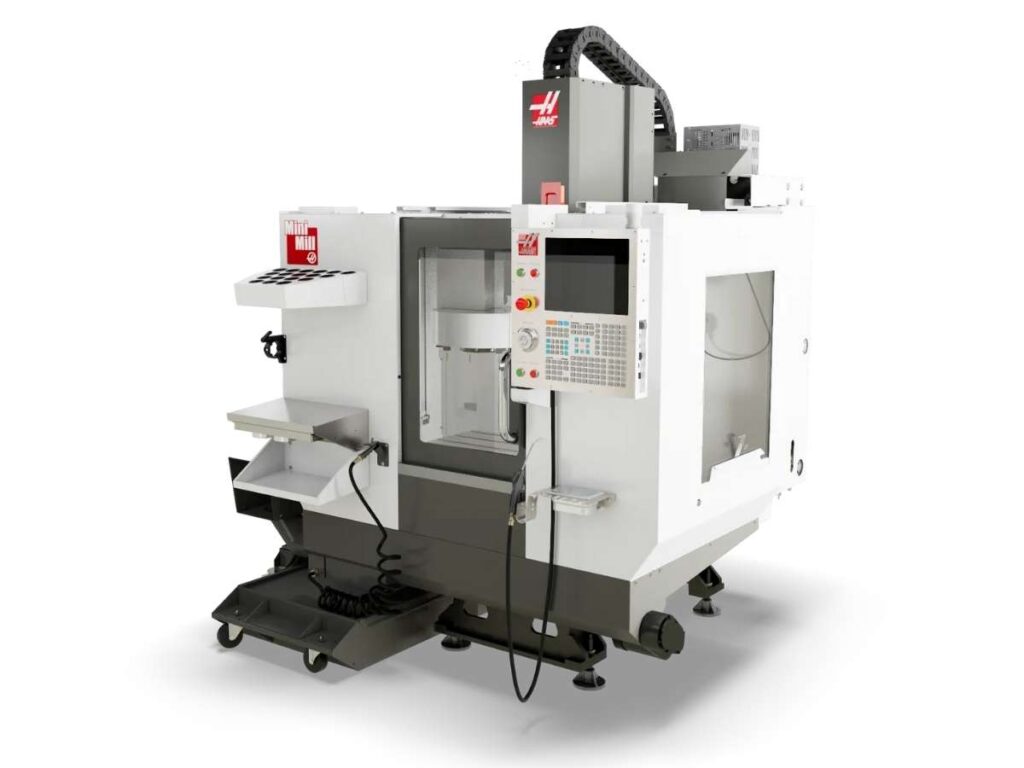
Precision Metal Fabrication Starts with the Right Foundation
Selecting the optimal small CNC machine for metal machining demands more than evaluating spindle speed or work envelope dimensions. For prototyping and low-volume production, success hinges on achieving micron-level tolerances while maintaining cost efficiency and design integrity—particularly with challenging materials like aluminum alloys, stainless steel, and titanium. At Honyo Prototype, we integrate industry-leading 3-, 4-, and 5-axis CNC milling systems engineered specifically for complex metal components, ensuring repeatability down to ±0.0002 inches. Our machines form the core of a comprehensive sheet metal fabrication ecosystem, where precision CNC machining seamlessly interfaces with laser cutting, bending, welding, and finishing to deliver production-ready outcomes.
Honyo’s Sheet Metal Fabrication services eliminate the disconnect between design intent and manufacturability. Our engineers collaborate with you from DFM analysis through to final inspection, leveraging certified materials and in-house capabilities to resolve geometric complexities that stall conventional small-scale CNC operations. Whether producing intricate brackets, housings, or custom fixtures, we prioritize structural fidelity and surface quality without inflating lead times.
To accelerate your project timeline, utilize our Online Instant Quote platform. Upload your STEP or DWG file for real-time pricing, lead time estimates, and actionable feedback on manufacturability—all within minutes. No forms, no follow-up calls.
Key Capabilities Supporting Metal CNC Projects
| Process | Tolerance Range | Max Work Envelope (mm) | Material Thickness Range |
|---|---|---|---|
| CNC Milling (3-5 axis) | ±0.005 mm to ±0.025 mm | 500 x 400 x 300 | N/A (solid stock) |
| Laser Cutting | ±0.1 mm | 1500 x 3000 | 0.5 mm – 25 mm |
| Press Brake Forming | ±0.5° angular | 3000 mm bed length | 0.5 mm – 6 mm |
When viability meets velocity, Honyo Prototype delivers. Submit your design today to validate feasibility and secure a quote in under 60 seconds.
Technical Capabilities
The term “CNC machine” typically refers to computer numerical control machining systems such as mills, lathes, or routers. However, laser cutting, bending, and welding are distinct manufacturing processes that each require specialized CNC-controlled equipment. There is no single “CNC machine” that performs all three operations (laser cutting, bending, and welding) efficiently on metals and plastics like aluminum, steel, ABS, and nylon. Instead, each process uses dedicated CNC-controlled machinery.
Below is a technical comparison of the best-in-class CNC-controlled machines for each specified process, optimized for small-scale industrial use and capable of handling the listed materials.
| Process | Machine Type | Best Small Model Example | Power/Force Rating | Material Compatibility | Max Material Thickness (Cut/Bend/Weld) | Positioning Accuracy | Control System | Key Features |
|---|---|---|---|---|---|---|---|---|
| Laser Cutting | Fiber Laser Cutting Machine | Trumpf TruLaser 1030 | 1.2 kW fiber laser | Aluminum, Steel, ABS (limited), Nylon (limited) | Cutting: 10 mm (steel), 12 mm (aluminum) | ±0.03 mm | CNC with T-Cut software | High beam quality, nitrogen/oxygen assist, integrated fume extraction, suitable for reflective metals |
| Bending | CNC Press Brake | Amada HG-6013 | 60 tons, 1300 mm bed | Aluminum, Steel, ABS, Nylon (limited to thin sheets) | Bending: 6 mm (steel), 8 mm (aluminum) | ±0.1° angular accuracy | CNC (DELEM DA-66T) | Back gauge automation, crowning system, tooling quick-change, safe for sheet metal forming |
| Welding | CNC Robotic Welding Cell (Fiber Laser Hybrid) | IPG Photonics LightWELD 500 | 500 W – 2 kW fiber laser | Aluminum, Steel (excellent), ABS, Nylon (not recommended – thermoplastics require specialized plastic welding) | Weld Depth: up to 5 mm (steel) | ±0.05 mm repeatability | CNC with CAD/CAM interface | Precision weld tracking, inert gas shielding, minimal HAZ, ideal for thin to medium metal joints |
Notes on Material Suitability:
Aluminum & Steel: All three processes are well-suited for these metals. Aluminum requires higher laser power due to reflectivity and thermal conductivity; fiber lasers are preferred.
ABS & Nylon: These thermoplastics are not suitable for fiber laser cutting or welding in standard metal-focused systems. CO₂ lasers are typically used for cutting plastics. Plastic welding uses hot gas, ultrasonic, or infrared methods—CNC-controlled but not interchangeable with metal welding systems.
Hybrid Use: For a small fabrication cell handling metal and limited plastic work, integration of a fiber laser cutter, CNC press brake, and robotic welder (with changeable end-effectors) offers flexibility. However, each machine remains process-specific.
Conclusion:
For a small-scale production environment targeting metal fabrication with occasional plastic processing, the optimal setup includes:
A CNC fiber laser cutter for precise metal cutting.
A CNC press brake for accurate bending.
A CNC-controlled robotic laser welder for high-quality welds.
These machines can be networked under a common CAD/CAM platform (e.g., Siemens NX or Autodesk Fusion 360) for seamless workflow, but they are not combined into a single multi-function machine.
From CAD to Part: The Process
Honyo Prototype’s Process for Selecting the Optimal Small CNC Machine for Metal Components
Honyo Prototype does not define a single “best” small CNC machine for metal machining. Instead, our process dynamically selects the most appropriate machine within our certified small-format CNC fleet based on your specific part geometry, material, tolerances, and volume requirements. This ensures optimal precision, cost efficiency, and throughput for your unique metal component. The workflow begins with your CAD file and progresses through integrated technical validation stages before production.
Upload CAD
Submit your 3D model in STEP, IGES, or native CAD formats. Our system immediately performs an automated geometry and metadata analysis, extracting critical parameters including material specification, dimensional envelope, geometric complexity, and requested tolerances. For metal parts, this phase flags high-risk elements such as thin walls below 0.5mm, deep cavities exceeding 4:1 aspect ratios, or features requiring sub-10µm surface finishes. Material properties (e.g., aluminum 6061-T6 vs. Inconel 718) are cross-referenced against our machine capability matrix to pre-qualify viable equipment.
AI-Powered Quoting Engine
Our proprietary AI engine evaluates the CAD-derived parameters against real-time machine availability, historical performance data, and material-specific machining databases. The quote delivers not only cost and lead time but also explicitly states the recommended machine platform for your part, justified by technical constraints. For instance, a complex titanium aerospace bracket requiring tight positional tolerances may route to our DMG MORI NLX 2500 (with thermal compensation and 0.0001″ repeatability), while a simpler aluminum enclosure might utilize our Haas ST-10Y for cost efficiency. The quote includes a machine capability alignment report showing spindle power, thermal stability metrics, and proven tolerance bands for your specific material.
DFM Validation
All metal parts undergo mandatory Design for Manufacturing review by our applications engineering team. This phase focuses exclusively on metal-specific risks:
Verification of workholding feasibility for vibration-prone operations (e.g., milling thin-walled stainless steel)
Assessment of toolpath strategies to prevent chatter or deflection in high-tensile materials
Confirmation of achievable surface integrity per AMS or ASTM standards
Analysis of thermal management requirements for heat-sensitive alloys
We provide actionable feedback within 24 hours, such as recommending draft angles for deep pockets in cast iron or adjusting fillet radii to accommodate standard end mill geometries. No part proceeds to production without DFM sign-off.
Production Execution
Upon approval, the job is scheduled on the pre-qualified machine. Our small CNC fleet for metal includes:
| Machine Model | Max Work Envelope (mm) | Spindle Speed (RPM) | Material Specialization | Key Metal Capabilities |
|---|---|---|---|---|
| DMG MORI NLX 2500 | 500 x 400 x 400 | 12,000 | Titanium, Inconel, Tool Steel | 5-axis simultaneous, 0.00008″ repeatability, coolant through spindle |
| Haas ST-10Y | 410 x 210 x 205 | 8,000 | Aluminum, Brass, Mild Steel | Y-axis milling, sub-spindle, 0.0002″ positional accuracy |
| MAZAK Quick Turn Nexus | 260 x 200 x 300 | 6,000 | Exotic Alloys, Castings | Live tooling, bar feed compatibility, vibration damping |
All metal machining employs rigid tooling setups, high-pressure coolant systems, and in-process probing for first-article validation. We enforce strict material traceability with mill-certified stock and full lot tracking.
Delivery Assurance
Final inspection includes CMM verification against your critical-to-quality dimensions, surface roughness testing per ISO 1302, and material hardness spot checks. For mission-critical metal components, we provide full inspection reports with GD&T analysis. Parts ship in anti-corrosion packaging with humidity indicators, accompanied by material certifications and process validation data. Typical lead time from CAD upload to delivery for small metal parts is 7-12 business days, with expedited options available for qualified geometries.
This closed-loop process ensures your metal component is manufactured on the machine best suited to its technical demands—not merely the smallest available unit—eliminating guesswork while guaranteeing metallurgical integrity and dimensional compliance.
Start Your Project
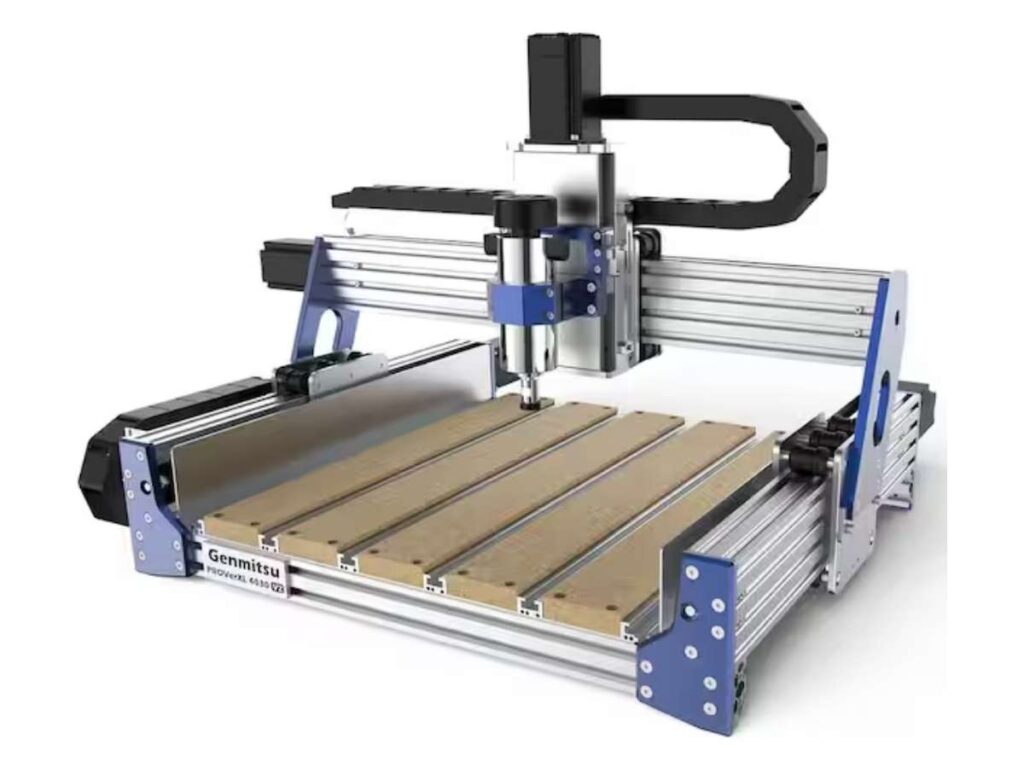
Looking for the best small CNC machine for metal? Honyo Prototype offers high-precision, compact CNC solutions designed for demanding metalworking applications. Engineered for reliability and accuracy, our machines are ideal for prototyping, small-batch production, and tight-tolerance machining.
Contact Susan Leo today at [email protected] to request specifications, pricing, or a personalized recommendation based on your production needs. Our manufacturing facility is located in Shenzhen, enabling fast lead times and efficient global shipping. Let us help you find the right CNC solution to optimize your workflow.
🚀 Rapid Prototyping Estimator
Estimate rough cost index based on volume.