
Contents
Manufacturing Insight: Best Cnc Router For Aluminum
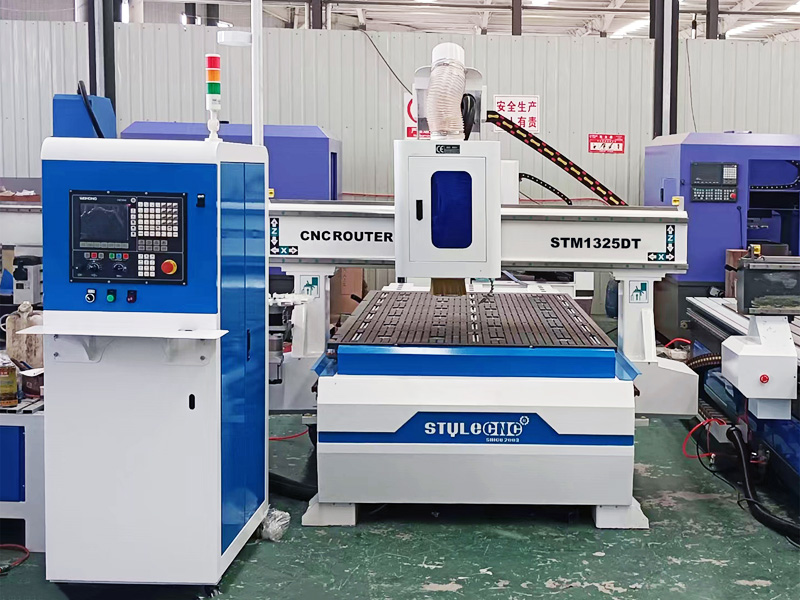
Precision Aluminum Machining Demands Specialized CNC Capabilities
Selecting the optimal CNC platform for aluminum fabrication requires careful consideration beyond standard router specifications. Aluminum’s unique thermal properties, chip formation characteristics, and rigidity demands necessitate purpose-built machining centers with high spindle power, exceptional structural stability, and optimized coolant delivery systems. Generic woodworking routers often fail to deliver the surface finish, dimensional accuracy, or tool life required for industrial aluminum applications, leading to scrapped parts, extended lead times, and increased project costs.
Honyo Prototype Delivers Industrial-Grade Aluminum CNC Machining Expertise
At Honyo Prototype, we deploy dedicated CNC machining centers engineered specifically for non-ferrous metals like aluminum alloys. Our fleet features high-torque spindles (15,000+ RPM), reinforced cast-iron frames minimizing vibration, and through-spindle coolant systems critical for chip evacuation and thermal management. This infrastructure, combined with our engineers’ deep material science knowledge and process optimization protocols, ensures consistent production of complex aluminum components meeting tight tolerances (±0.001″) and superior surface integrity. Whether prototyping aerospace brackets or low-volume production runs of heat sinks, our process guarantees repeatability and metallurgical integrity.
Accelerate Your Aluminum Projects with Real-Time Quoting
Eliminate quoting delays that stall critical path timelines. Honyo Prototype’s Online Instant Quote system provides accurate, transparent pricing for aluminum CNC machining within minutes—not days. Simply upload your STEP or IGES file, specify material grade (e.g., 6061-T6, 7075), quantity, and finish requirements to receive a detailed cost breakdown validated by our manufacturing engineers. This seamless integration between digital workflow and our production floor empowers design teams to iterate faster and procurement specialists to secure validated budgets upfront, transforming your aluminum component development cycle from concept to shipment.
Technical Capabilities
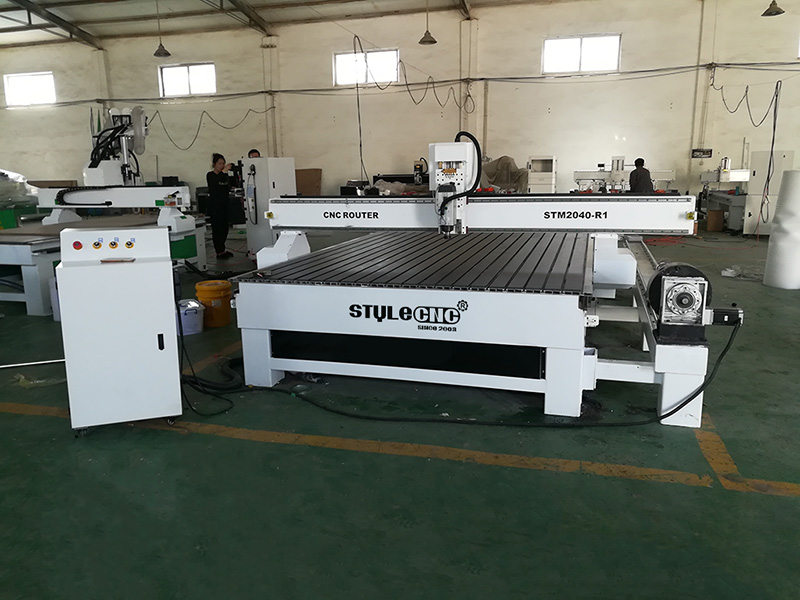
Technical Specifications for Best CNC Router for Aluminum Machining – High Precision 3/4/5-Axis Milling and Turning
The optimal CNC router for precision aluminum machining with capability across aluminum, steel, ABS, and nylon must balance rigidity, spindle performance, axis control, and thermal stability. This machine is engineered for tight-tolerance applications (±0.0005″ or 0.0127 mm) in prototyping and low-to-mid volume production environments. Below are the recommended technical specifications for such a system.
| Specification | Recommended Value / Detail |
|---|---|
| Machine Type | 5-Axis CNC Milling Center with Optional Mill-Turn Capability |
| Axis Configuration | Simultaneous 5-axis (X, Y, Z, A, B or C) with rotary/tilt table or trunnion; 3-axis and 4-axis modes supported |
| Spindle Speed Range | 8,000 – 24,000 RPM (HSK-E40 or BT30 tooling interface) |
| Spindle Power | 7.5 – 15 kW air-cooled or liquid-cooled spindle with constant power across speed range |
| Positioning Accuracy | ±0.0002″ (±0.005 mm) |
| Repeatability | ±0.0001″ (±0.0025 mm) |
| Maximum Tolerance (Achievable) | ±0.0005″ (±0.0127 mm) with thermal compensation and in-process probing |
| Table Size / Work Envelope | 24″ × 24″ × 12″ (610 × 610 × 305 mm) minimum; configurable for larger parts |
| Axis Drive System | Linear motors or high-precision rack-and-pinion with preloaded helical guides |
| Control System | Fanuc 31i, Siemens 840D, or Heidenhain TNC7xx with 5-axis interpolation and tool path smoothing |
| Tool Changer | Automatic Tool Changer (ATC) with 12–30 tool capacity; tool life monitoring and breakage detection |
| Coolant System | High-pressure through-spindle coolant (up to 1,000 psi) + mist coolant for plastics |
| Thermal Compensation | Real-time spindle and axis thermal drift correction |
| Materials Compatibility | Aluminum (6061, 7075), Steel (1018, 4140), ABS, Nylon (PA6, PA66), Delrin, and other engineering plastics |
| Max Material Hardness | Up to 60 HRC (with appropriate tooling and speeds) |
| Surface Finish (Typical) | 32–64 μin Ra on aluminum; <125 μin Ra on steel with finishing passes |
| Rapid Traverse Rate | 1,500 – 2,500 in/min (38 – 63.5 m/min) across all axes |
| Machine Frame Construction | Cast iron or polymer concrete base with ribbed aluminum or steel gantry for damping |
| Environmental Requirements | Stable ambient temperature (±2°F), low vibration floor, clean compressed air (90 psi, dry) |
| Probing System | Integrated touch probe (e.g., Renishaw RMP60) for part alignment, tool setting, in-process inspection |
| Software Compatibility | Native support for Mastercam, Fusion 360, Siemens NX, and hyperMILL for 5-axis toolpaths |
This configuration ensures high material removal rates in aluminum while maintaining dimensional accuracy and surface quality across diverse materials. The integration of mill-turn functionality allows for complete part machining in a single setup, reducing cycle times and improving geometric consistency. Rigidity and damping are critical when switching between soft materials like ABS and hard alloys like steel, necessitating a robust machine foundation and adaptive feed control.
From CAD to Part: The Process
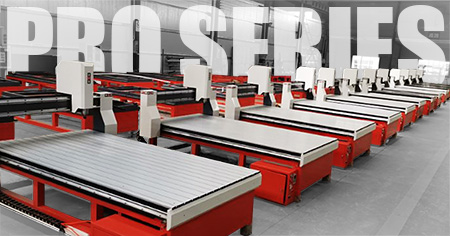
Honyo Prototype delivers precision aluminum prototypes through a rigorously defined digital workflow designed for manufacturability, speed, and cost efficiency. Our process does not involve selling CNC routers but rather selecting the optimal machine configuration within our facility to produce your aluminum part to specification. The phrase “best CNC router for aluminum” refers to our internal machine selection protocol during production planning, not a product we offer for sale. Below is our standardized client-facing process:
Upload CAD
Clients initiate the process by uploading native CAD files (STEP, IGES, Parasolid) or 2D drawings via our secure customer portal. For aluminum projects, we specifically require material grade (e.g., 6061-T6, 7075-T6), critical tolerances (±0.005″ typical for aluminum prototypes), surface finish requirements, and any feature-specific constraints such as thin walls or complex undercuts. This data is essential for accurate machine and toolpath selection later in the workflow.
AI-Assisted Quote Generation
Our proprietary AI engine analyzes the CAD geometry, material specifications, and requested quantities to generate an initial quote within 2 hours. The system cross-references real-time machine availability, tooling databases, and historical aluminum machining data (including spindle load profiles for 6000-series alloys). Crucially, the AI flags potential cost drivers specific to aluminum such as high-speed machining requirements, risk of chatter in deep pockets, or secondary operations for burr-sensitive features. A senior manufacturing engineer always validates the AI output before client submission.
DFM Analysis
All aluminum projects undergo mandatory Design for Manufacturability review by our CNC engineering team. This phase focuses on aluminum-specific optimizations:
Recommending minimum wall thickness adjustments (typically ≥0.8mm for 6061) to prevent deflection
Suggesting contour radius increases to reduce tool wear during high-RPM aluminum cutting
Proposing strategic part orientation to minimize setups and leverage our 5-axis capabilities for complex geometries
Identifying opportunities to replace manual deburring with automated edge-breaking toolpaths
The DFM report includes annotated CAD markups and a revised timeline reflecting any design adjustments. Client approval is required before proceeding.
Production Execution
For aluminum components, we deploy CNC systems calibrated for non-ferrous machining:
Machine Selection Protocol: We match part geometry to optimal equipment from our dedicated aluminum fleet
| Machine Type | Spindle Speed | Best For Aluminum Applications | Key Capabilities for Aluminum |
|---|---|---|---|
| 3-Axis Vertical | 24,000 RPM | Flat plates, simple pockets | High-speed slotting, engraving |
| 5-Axis Mill-Turn | 15,000 RPM | Complex 3D contours, impellers | Simultaneous milling, minimal setups |
| High-Z Routing | 18,000 RPM | Large structural frames (>1m) | Chip evacuation optimization |
All aluminum runs use carbide tooling with ZrN coatings, through-spindle coolant (1,000 psi), and rigid tapping cycles. Real-time vibration monitoring prevents chatter marks, while in-process CMM checks verify critical dimensions. Typical aluminum cycle times are 30% faster than steel due to optimized feeds/speeds.
Delivery & Documentation
Completed aluminum prototypes ship with full traceability: material certification (mill test reports), first-article inspection report (FAIR) with CMM data for critical features, and machining process documentation. For aerospace or medical clients, we provide NADCAP-accredited reports. Standard lead time for aluminum prototypes is 5-7 business days from DFM approval, with expedited 72-hour options for qualified geometries. All parts undergo final deburring using automated vibratory finishing to achieve Ra ≤ 1.6μm as standard.
Start Your Project
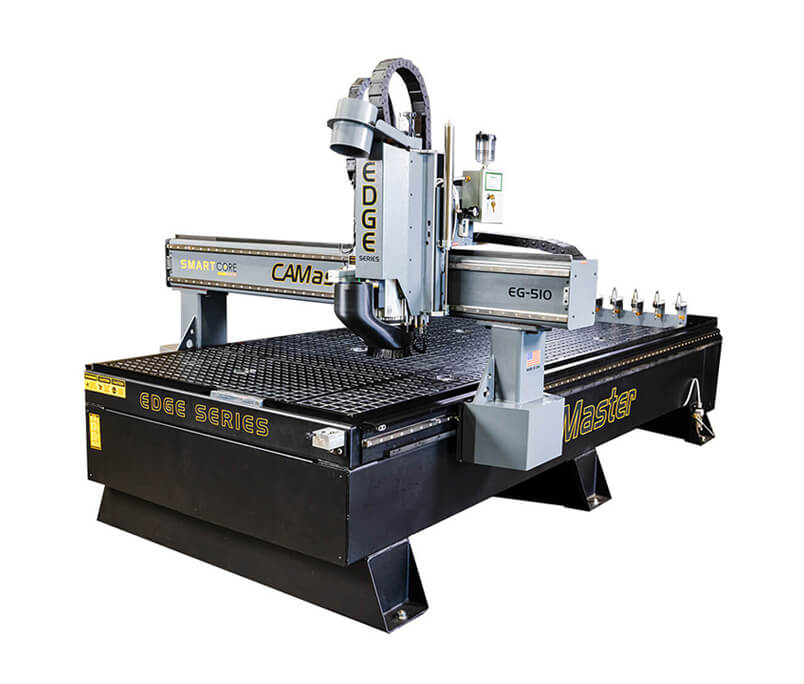
Looking for the best CNC router for aluminum? Discover high-precision, industrial-grade CNC machining solutions engineered for optimal performance in aluminum fabrication. Designed for efficiency, durability, and tight tolerance accuracy, our routers are built to meet the demands of prototyping and production environments.
All units are manufactured at our ISO-certified factory in Shenzhen, ensuring strict quality control and scalability for global clients.
For expert guidance and customized machine specifications, contact Susan Leo at [email protected]. Let’s build your ideal machining solution together.
🚀 Rapid Prototyping Estimator
Estimate rough cost index based on volume.