
Contents
Manufacturing Insight: Bend Stainless Steel Tube
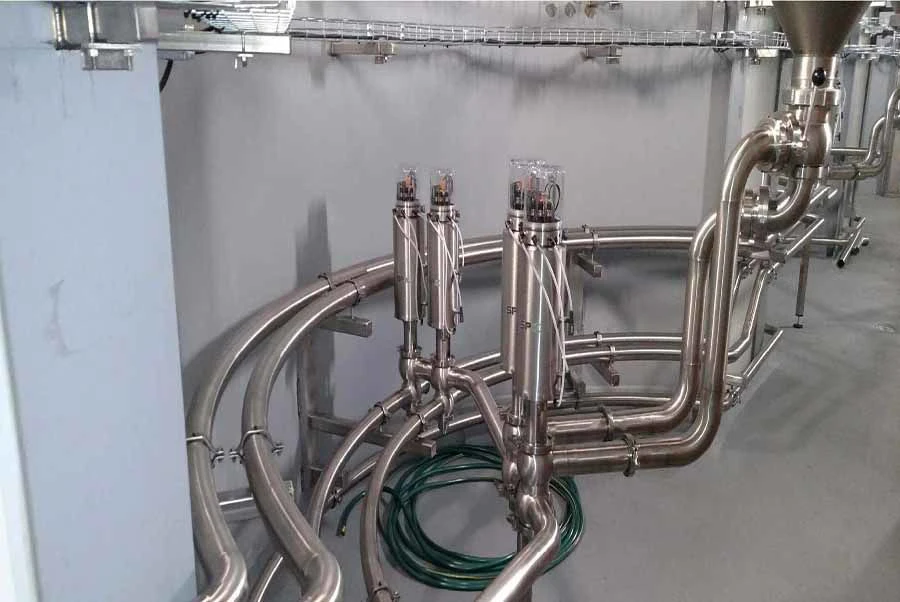
Precision Stainless Steel Tube Bending: Engineered for Demanding Applications
Bending stainless steel tubing presents significant engineering challenges due to the material’s high strength, work hardening tendencies, and strict dimensional tolerances required in critical sectors like aerospace, medical devices, and fluid handling systems. Achieving consistent, burr-free bends without ovality or wall thinning demands advanced process control and specialized tooling expertise. At Honyo Prototype, our CNC tube bending services leverage state-of-the-art precision machinery and proprietary methodologies to overcome these complexities. We utilize mandrel bending techniques with real-time springback compensation, coupled with in-process metrology, ensuring repeatability within ±0.1mm and adherence to ISO 9001 quality standards.
Our integrated CNC bending cells support complex geometries—including multi-plane bends, tight radii, and variable wall thicknesses—from 3mm to 76mm tube diameters across 304, 316, and duplex stainless steel grades. By optimizing tooling setup and material flow parameters, we minimize scrap rates and deliver fully validated components ready for assembly. For rapid project initiation, Honyo’s Online Instant Quote system provides detailed pricing and lead time estimates within minutes, allowing you to accelerate prototyping and low-volume production cycles without traditional quoting delays. Submit your STEP or DWG files today to experience precision tube fabrication engineered for performance-critical applications.
Technical Capabilities
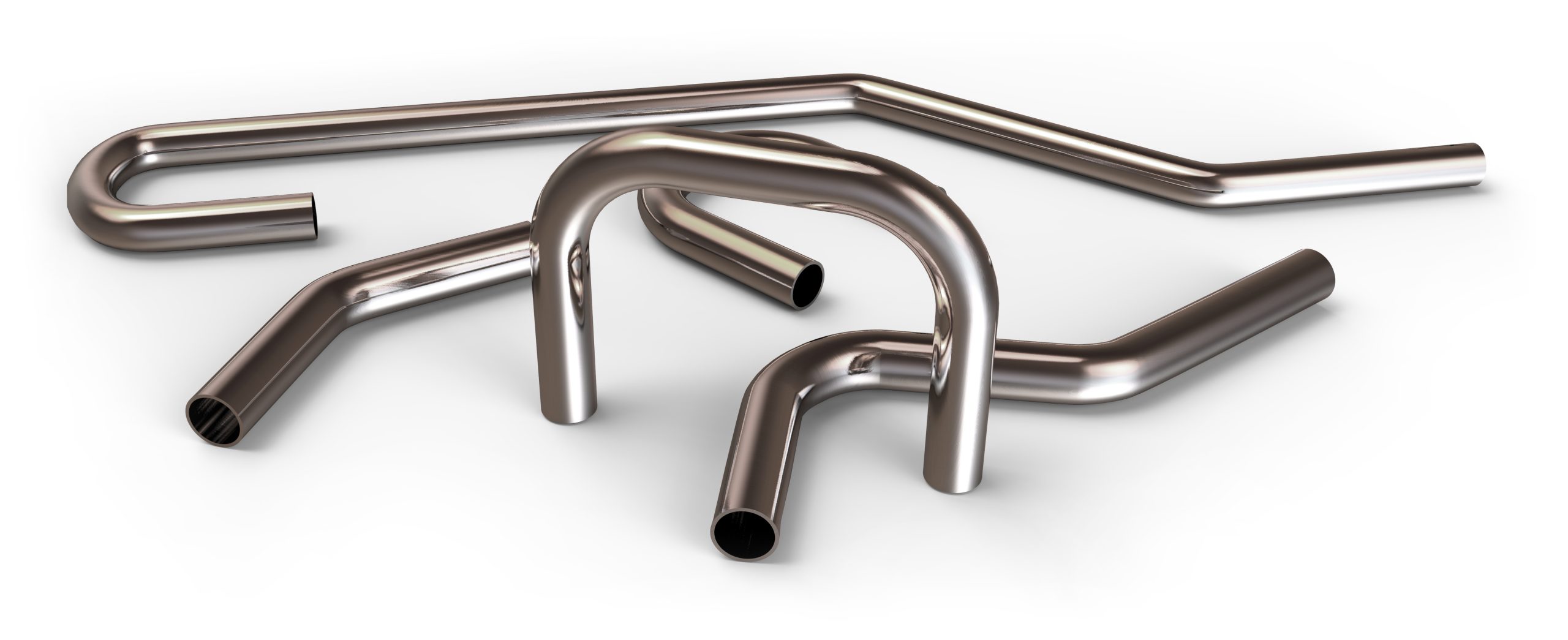
The term “bend stainless steel tube” refers to a formed component, typically used in fluid conveyance, structural frameworks, or precision assemblies. However, when discussing machining operations such as 3/4/5-axis milling and turning in the context of such components, the focus shifts to secondary operations—such as flange facing, hole drilling, slot milling, or contouring—performed on pre-bent tubes to achieve tight tolerances and precise feature placement.
Below is a technical specification summary for machining operations typically applied to bent stainless steel tubes and similar components made from alternative materials. These processes ensure high precision, repeatability, and compatibility with demanding applications in aerospace, medical, and industrial systems.
| Parameter | Specification |
|---|---|
| Primary Machining Processes | 3-Axis, 4-Axis, and 5-Axis CNC Milling; CNC Turning (for end features, threads, and fittings) |
| Typical Workpiece Form | Pre-bent tubes (round, square, or rectangular cross-sections); straight or complex spatial bends |
| Common Materials | Stainless Steel (304, 316, 17-4 PH), Aluminum (6061-T6, 7075-T6), Carbon Steel, ABS (for prototyping), Nylon (PA6, PA12 for non-structural or insulating components) |
| Material Suitability | Stainless Steel: High strength, corrosion resistance, excellent for high-pressure systems; Aluminum: Lightweight, good machinability, ideal for aerospace; ABS: Low cost, easy to machine, used for jigs or prototypes; Nylon: Low friction, electrically insulating, used in non-metallic assemblies |
| Tolerance Capability | ±0.005 mm (±0.0002″) for critical dimensions; positional tolerances down to ±0.01 mm (±0.0004″) with 5-axis alignment |
| Surface Finish | Ra 0.8 µm (32 µin) typical; down to Ra 0.4 µm (16 µin) with fine finishing passes |
| Fixturing Approach | Custom soft jaws, modular clamping systems, or 5-axis tombstone fixtures to maintain CMM-verified alignment; use of Renishaw probes for in-process inspection |
| Key Machined Features | Flange faces, mounting holes, port drilling, slotting, chamfering, thread milling, radius blending, and interface surfaces |
| Coordinate Accuracy (5-Axis) | ±0.01 mm over 300 mm volume with proper calibration and thermal compensation |
| Inspection Methods | CMM (Coordinate Measuring Machine), optical comparators, laser scanning for contour validation, thread gauges, surface profilometry |
| Typical Applications | Hydraulic manifolds, exhaust systems, medical frames, robotic arms, fuel delivery systems |
Note: While ABS and Nylon are not typically used in high-pressure or structural tube bending applications like stainless steel or aluminum, they are often machined in prototype stages to validate form, fit, and assembly. Their lower stiffness and thermal stability require adjusted toolpaths and reduced feed rates compared to metals.
Machining bent tubes demands high coordination between programming (using CAM software such as Mastercam, Siemens NX, or Fusion 360) and fixturing, especially when features must align across multiple planes. 5-axis milling allows access to complex compound angles without repositioning, minimizing cumulative error and improving throughput.
From CAD to Part: The Process
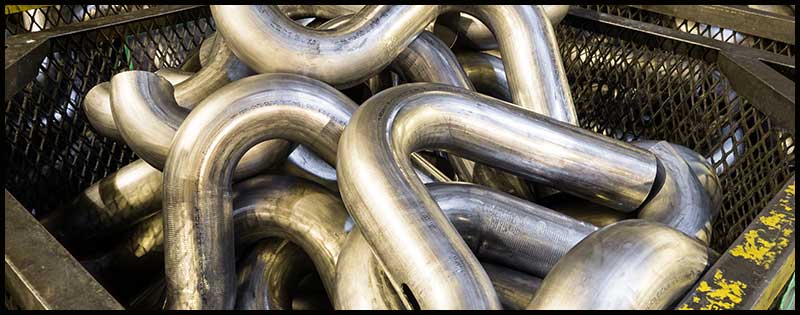
Honyo Prototype executes stainless steel tube bending with a structured, technology-driven workflow designed for precision and efficiency in low-to-mid volume prototyping and production. Our process integrates material-specific controls at each stage to address stainless steel’s unique properties including work hardening, springback, and surface integrity requirements.
Upload CAD
Clients submit 3D models (STEP, IGES, or native formats) via our secure portal. For stainless steel tubes, we require explicit material specification (e.g., ASTM A269 304/304L, 316/316L), tube dimensions (OD, wall thickness), bend radii, angular tolerances, and surface finish requirements. Incomplete material data triggers an automated validation prompt before progression.
AI Quote Generation
Our proprietary AI engine analyzes the CAD geometry against live machine capabilities, material databases, and historical bending parameters. For stainless steel, it factors in grade-specific springback coefficients, minimum bend radii to prevent kinking (typically ≥1.5× OD for thin walls), and tooling wear adjustments. The quote includes bend sequence optimization, estimated cycle time, and material waste calculations, with clear cost drivers highlighted (e.g., 316L vs. 304 premium). Turnaround is under 2 business hours.
DFM Analysis
Engineers conduct a rigorous Design for Manufacturability review focused on stainless steel challenges:
Validating bend radii against material ductility to avoid wall thinning >25% or ovality >8%
Simulating springback compensation (typically 2°–5° overbend for 304 stainless)
Flagging tight bends requiring mandrel types (e.g., plug, ball, or form mandrels for <2× OD radii)
Confirming end treatments (e.g., deburring methods to prevent corrosion initiation)
Clients receive an interactive DFM report with actionable revisions. This phase requires client sign-off before tooling fabrication.
Production
Stainless steel tube bending occurs on CNC-controlled rotary draw benders with servo-electric precision (±0.1° angular accuracy). Key stainless-specific protocols:
Material handling with non-marring fixtures to prevent surface contamination
In-process springback measurement using laser angle verification after first article
Coolant-free dry bending to avoid chloride-induced corrosion
Real-time wall thickness monitoring via ultrasonic testing for critical bends
Post-bend passivation (ASTM A967) and non-destructive testing (dye penetrant for weld seams if applicable)
Delivery
Finished tubes undergo final inspection per ASME B31.3 criteria. We provide:
Dimensional conformance report with bend angle/radius measurements
Material traceability certificate (mill test reports)
Surface finish validation (Ra ≤ 0.8 µm for hydraulic applications)
Packaging in anti-corrosion VCI film with bend protection fixtures
Standard lead time is 7–10 days from DFM approval. Expedited options include same-day bending for simple geometries.
All stainless steel bends adhere to ISO 9001:2015 controls, with full process traceability from raw material to shipment. Critical applications receive additional validation per client-specified standards (e.g., SAE AS4847 for aerospace).
Typical bend tolerance capabilities for stainless steel tubing:
| Parameter | Standard Tolerance | Tight Tolerance Option |
|---|---|---|
| Bend Angle | ±0.5° | ±0.1° |
| Bend Radius | ±0.5 mm | ±0.1 mm |
| End Straight Length | ±0.2 mm | ±0.05 mm |
| Ovality | ≤8% | ≤3% |
Start Your Project
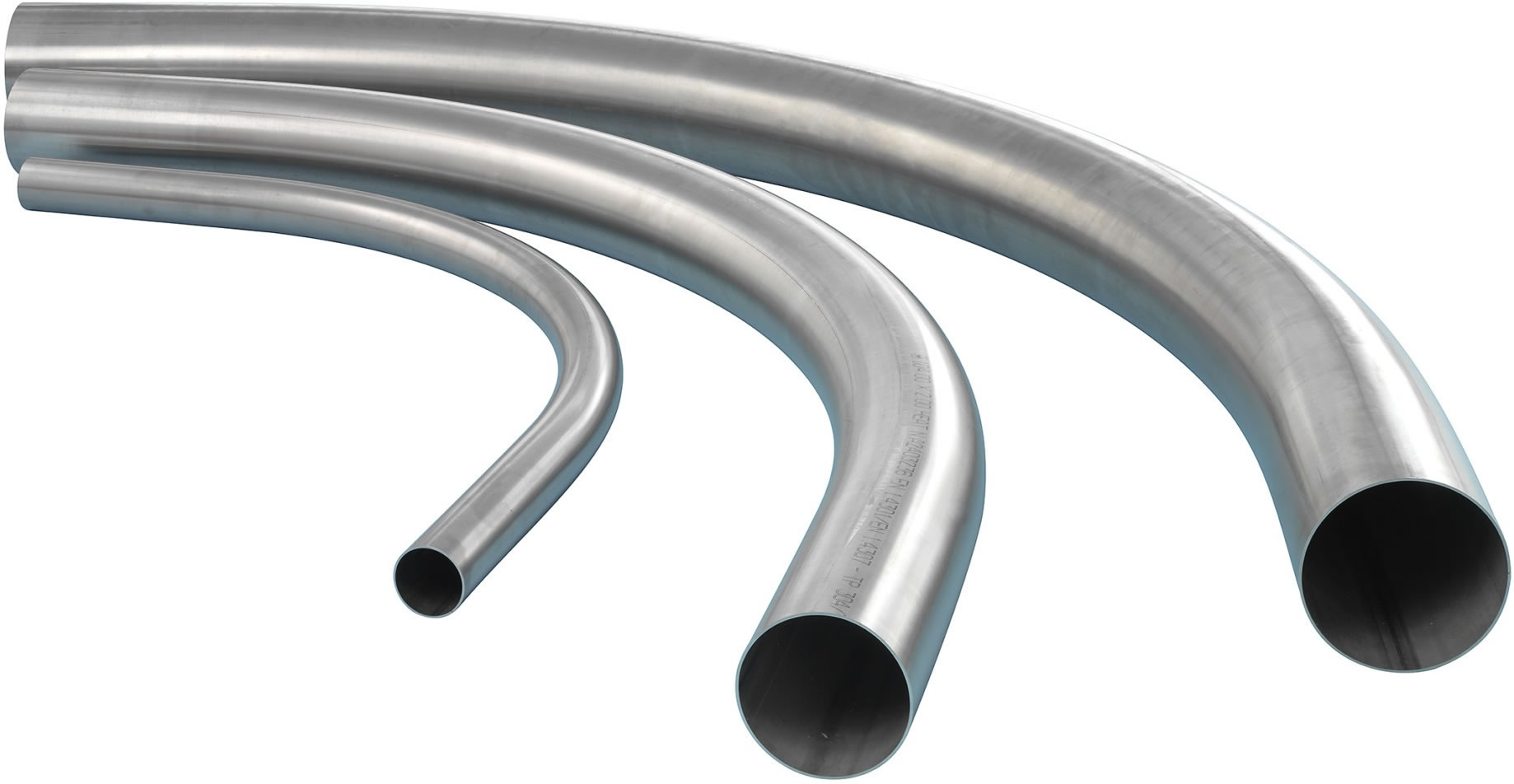
Looking to bend stainless steel tubes with precision and reliability? Partner with Honyo Prototype for expert tube bending services tailored to your specifications. Our advanced manufacturing capabilities and strict quality control ensure consistent results for prototyping and low-volume production.
All operations are supported by our state-of-the-art factory in Shenzhen, leveraging localized expertise for faster turnaround and cost efficiency.
Contact Susan Leo today at [email protected] to discuss your project requirements and receive a personalized quote.
🚀 Rapid Prototyping Estimator
Estimate rough cost index based on volume.