
Contents
Manufacturing Insight: Anodized Aluminum Metal
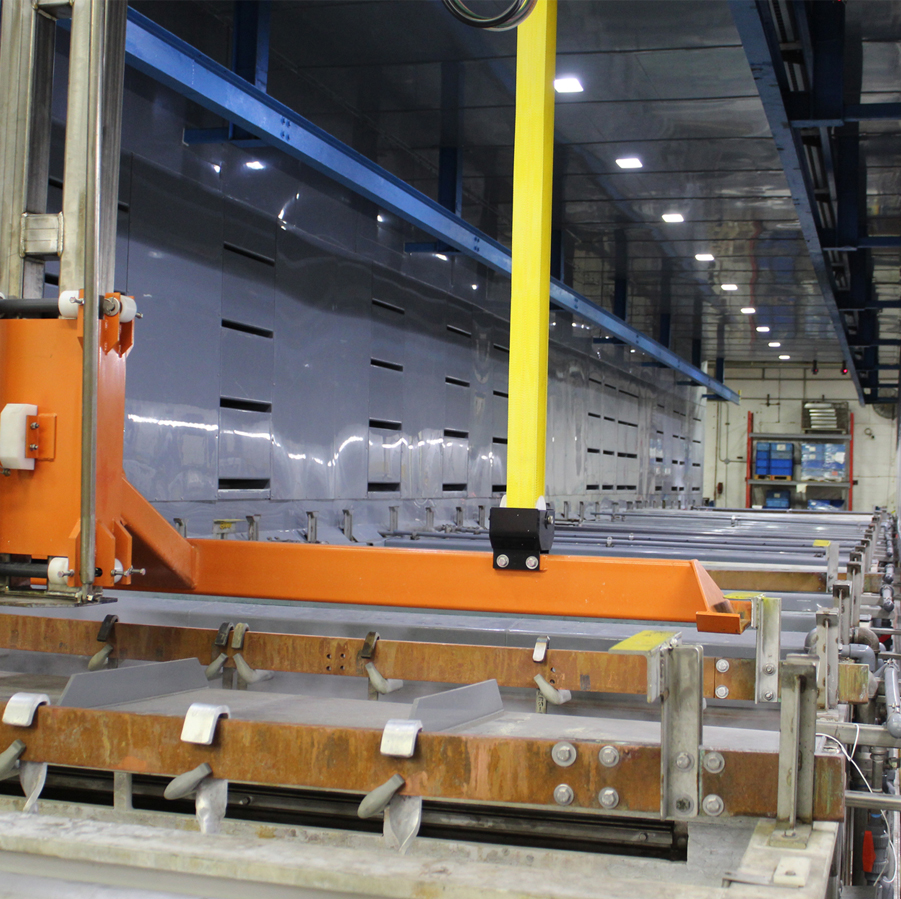
Precision Anodized Aluminum Fabrication: Engineered for Performance and Aesthetics
Anodized aluminum represents the critical intersection of structural integrity, corrosion resistance, and surface durability demanded across aerospace, medical, electronics, and industrial applications. This electrochemical process transforms the aluminum substrate into a hard, wear-resistant oxide layer while enabling precise color consistency and enhanced adhesion for secondary processes. For OEMs and engineering teams, selecting a fabrication partner with deep material science expertise and end-to-end process control is non-negotiable to ensure dimensional accuracy and functional reliability in final components.
Honyo Prototype delivers certified sheet metal fabrication services specifically optimized for anodized aluminum, from precision laser cutting and CNC bending to custom finishing. Our integrated workflow includes dedicated anodizing line management, rigorous pre-treatment validation, and post-process metrology to maintain tight tolerances (±0.05mm) through the entire conversion coating cycle. We specialize in complex geometries requiring selective masking, Type II sulfuric acid anodizing, and MIL-A-8625 compliance, ensuring your parts meet stringent industry specifications without compromising design intent.
Accelerate your prototyping or low-volume production timeline with Honyo’s Online Instant Quote platform. Upload CAD files in minutes to receive detailed manufacturability feedback and a formal quotation—including material, fabrication, and anodizing costs—within hours, not days. This seamless digital workflow eliminates procurement delays while providing full transparency into lead times and engineering constraints specific to anodized aluminum components. Partner with Honyo to transform your design requirements into precision-engineered solutions backed by AS9100-certified quality systems and responsive technical collaboration.
Technical Capabilities
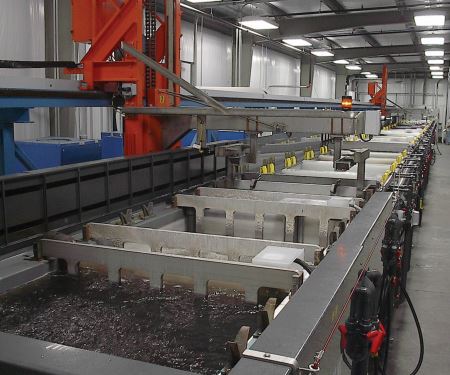
Technical Specifications for Anodized Aluminum in Laser Cutting, Bending, and Welding Applications
Anodized aluminum is widely used in precision manufacturing due to its corrosion resistance, durability, and aesthetic finish. However, the anodized layer introduces specific considerations during laser cutting, bending, and welding. Below is a comparative overview of anodized aluminum against other common materials—steel, ABS, and nylon—across these fabrication processes.
| Process | Anodized Aluminum | Steel | ABS | Nylon |
|---|---|---|---|---|
| Laser Cutting | Compatible; CO₂ or fiber lasers effective. Anodized layer may discolor or char locally. Requires clean-up post-processing. Kerf width: 0.1–0.3 mm. Tolerance: ±0.1 mm typical. | Excellent; highly compatible with fiber lasers. High precision. Kerf width: 0.1–0.2 mm. Tolerance: ±0.1 mm. | Good; CO₂ lasers preferred. Melts and vaporizes cleanly. Kerf width: 0.2–0.3 mm. Tolerance: ±0.2 mm. May emit fumes. | Fair; prone to melting and charring. Requires controlled settings. Kerf width: 0.2–0.4 mm. Tolerance: ±0.2 mm. Fumes require ventilation. |
| Bending | Excellent formability. Anodized layer may crack at sharp bend radii (typically <1t). Minimum bend radius: 0.8–1.5× material thickness depending on alloy (e.g., 5052, 6061). Tooling must be clean to avoid marking. | Good; high ductility in low-carbon grades. Minimum bend radius: 0.5–1.0× thickness. Springback must be compensated. | Limited; not typically bent post-fabrication. Can be thermoformed. Not suitable for sharp bends. | Limited; can be bent when heated. Prone to stress cracking. Not recommended for sharp bends at room temperature. |
| Welding | Possible but anodized layer must be removed pre-weld (via grinding or chemical etching). GTAW (TIG) and GMAW (MIG) preferred. Risk of porosity if not properly cleaned. Post-weld anodizing may result in color mismatch. | Excellent; widely welded using MIG, TIG, and spot welding. High strength joints. Post-weld treatments available. | Not weldable in traditional sense; joined via solvent welding, ultrasonic, or adhesive bonding. | Joinable via ultrasonic welding or adhesives. Not compatible with arc or resistance welding. |
Material Notes:
Anodized Aluminum: Typically based on 5000 or 6000 series aluminum alloys. The anodized coating (aluminum oxide) is electrically insulating and abrasion-resistant but brittle under deformation.
Steel: Includes mild steel or stainless variants. Requires protective coating or passivation for corrosion resistance.
ABS (Acrylonitrile Butadiene Styrene): Thermoplastic with moderate strength and good machinability. Sensitive to UV and high temperatures.
Nylon (Polyamide): High toughness and chemical resistance. Hygroscopic—requires drying before laser processing.
Recommendations for Anodized Aluminum Fabrication:
Remove anodization at weld zones to ensure weld integrity.
Use sharp tooling and controlled bend angles to minimize cracking in bent parts.
Perform post-laser cleaning to restore appearance in visible areas.
This data supports process selection in prototyping and low-volume production environments, such as those at Honyo Prototype, where precision and finish are critical.
From CAD to Part: The Process
Honyo Prototype Anodized Aluminum Manufacturing Process Overview
Honyo Prototype executes a streamlined, quality-focused workflow for anodized aluminum components, integrating digital efficiency with precision engineering. The process begins with client CAD submission and concludes with certified delivery, ensuring strict adherence to aerospace, medical, and industrial standards. Below is the technical sequence:
Upload CAD
Clients initiate the process by uploading native CAD files (STEP, IGES, or Parasolid formats) via Honyo’s secure customer portal. The system validates geometric integrity, file compatibility, and critical metadata including material grade (e.g., 6061-T6, 7075-T6), specified anodizing type (Type II sulfuric acid or Type III hardcoat), and dimensional tolerances per ISO 2768-mK. Incomplete or non-compliant files trigger automated notifications for revision prior to progression.
AI Quote Generation
Honyo’s proprietary AI engine analyzes the CAD geometry against real-time production parameters: material consumption, machine time, anodizing bath capacity, and secondary operations (e.g., masking, laser etching). The algorithm cross-references current alloy pricing, energy costs for electrolytic processes, and historical yield data for anodizing defects (e.g., pitting, uneven dye absorption). Quotes include explicit cost drivers such as:
Anodizing thickness (e.g., 12μm standard vs. 50μm hardcoat)
Color specifications (clear, black, custom Pantone)
Secondary finishing requirements (e.g., chromate sealing, hot water sealing)
The system delivers a formal quotation within 2 business hours, itemizing NRE fees, unit pricing, and lead time estimates.
DFM Analysis
All quoted designs undergo mandatory Design for Manufacturing review by Honyo’s engineering team. This phase identifies anodizing-specific risks:
Wall thickness below 0.8mm causing thermal distortion during anodizing
Blind hole depth exceeding 3:1 aspect ratio leading to electrolyte trapping
Tight tolerances (±0.025mm) incompatible with coating growth (5–25μm per surface)
Inadequate radii (<0.5mm) causing current concentration and burn marks
Engineers collaborate with clients to modify features—adjusting draft angles, specifying fixture points, or recommending alloy substitutions—before tooling. DFM reports document all revisions with annotated 3D models and tolerance stack-up analyses.
Production Execution
Approved designs enter a controlled production sequence:
1. Precision CNC machining with dedicated aluminum toolpaths to minimize burrs (Ra ≤ 0.8μm)
2. Chemical pretreatment: Alkaline cleaning, desmutting, and etching to ensure uniform surface reactivity
3. Anodizing: Parts are immersed in temperature-controlled sulfuric acid baths (18–22°C for Type II; 8–12°C for Type III) with voltage ramping to 12–100VDC based on thickness requirements
4. Post-treatment: Dyeing (if specified), sealing in nickel acetate or deionized water, and ultrasonic rinsing
5. In-process inspection: Coating thickness verified per ASTM B244, adhesion per ASTM D3359, and corrosion resistance via 96-hour salt spray testing (ASTM B117)
Delivery and Certification
Completed orders undergo final QA against AS9100 and ISO 9001 protocols. Each shipment includes:
| Document Type | Content Details | Compliance Standard |
|---|---|---|
| Material Certificate | Mill test reports for aluminum alloy | AMS 4027, ASTM B209 |
| Process Report | Anodizing bath parameters, coating thickness logs | MIL-A-8625F |
| Dimensional Report | CMM results for critical features | ISO 10360-2 |
| Test Certificates | Salt spray, dye stability, abrasion resistance | ASTM B117, AAMA 611 |
Parts are packaged in anti-static VCI film with humidity indicators, shipped via tracked logistics, and delivered with full traceability to raw material heat numbers. Honyo guarantees on-time delivery within the quoted window, supported by real-time production dashboards accessible to clients. This closed-loop process ensures anodized aluminum components meet functional performance and regulatory requirements for mission-critical applications.
Start Your Project
Looking for high-quality anodized aluminum metal components? Honyo Prototype offers precision manufacturing with durable, corrosion-resistant anodized finishes ideal for aerospace, automotive, and consumer electronics applications.
Our production facility is located in Shenzhen, leveraging advanced CNC machining and surface treatment capabilities to deliver prototypes and low-volume production runs with fast turnaround times.
For quotes and technical support, contact Susan Leo at [email protected]. Let us help you bring your next metal component project to life.
🚀 Rapid Prototyping Estimator
Estimate rough cost index based on volume.