
Contents
Manufacturing Insight: Aluminum Vs Titanium Cost
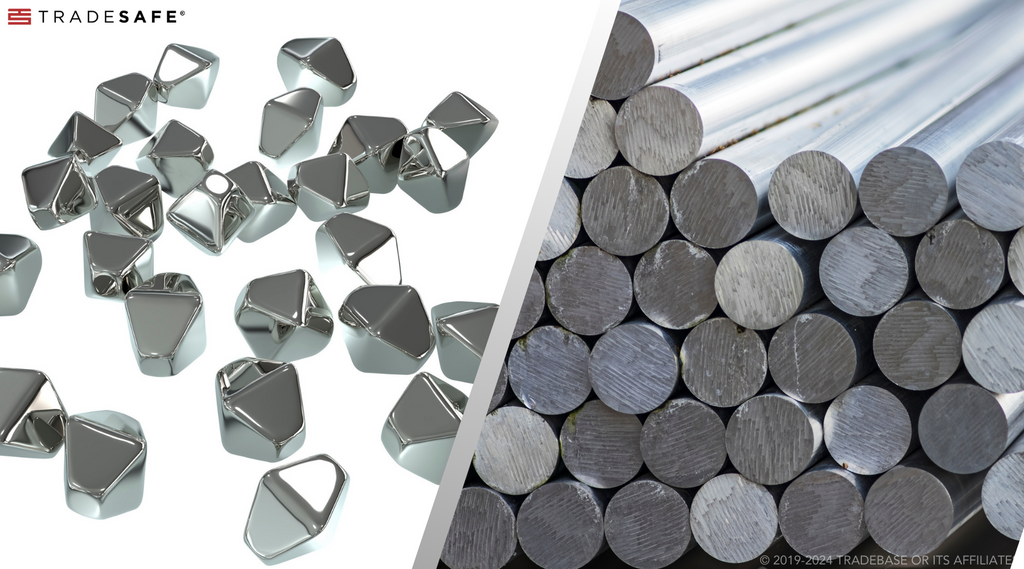
Material Selection and Cost Optimization in Precision CNC Machining
The choice between aluminum and titanium significantly impacts project economics in high-precision manufacturing. Aluminum alloys typically present lower raw material costs and superior machinability due to their thermal conductivity and softer structure, enabling faster cutting speeds and reduced tool wear. Conversely, titanium’s exceptional strength-to-weight ratio and corrosion resistance come with higher base material pricing and demanding machining requirements—slower feed rates, specialized tooling, and stringent coolant management—driving up per-part expenses by 30–50% compared to aluminum in complex geometries. For prototyping and low-volume production, these variables directly influence non-recurring engineering (NRE) costs and time-to-market.
At Honyo Prototype, our CNC machining expertise transforms this cost challenge into a strategic advantage. Our ISO 9001-certified facility leverages optimized toolpaths, adaptive high-speed machining centers, and material-specific process validation to minimize waste and cycle times for both aluminum and titanium components. By integrating real-time process monitoring and proprietary deburring techniques, we consistently achieve tighter tolerances at reduced costs—without compromising on the aerospace, medical, or defense-grade quality our clients demand.
Accelerate your next project with data-driven cost clarity. Honyo’s Online Instant Quote platform delivers precise, transparent pricing in under 60 seconds, accounting for material selection, geometry complexity, and volume. Upload your CAD file today to benchmark aluminum versus titanium costs and leverage our engineering support for optimal manufacturability.
Technical Capabilities
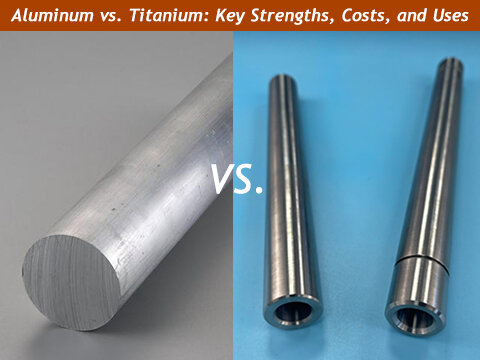
Comparison of material costs and machinability characteristics for common engineering materials used in precision 3-axis, 4-axis, and 5-axis CNC milling and turning operations, with emphasis on tight-tolerance applications. Data reflects typical conditions in prototype and low-volume production environments at Honyo Prototype.
| Material | Relative Material Cost (USD/lb) | Machinability Rating | Tool Wear (Relative) | Typical Tolerance Capability (±) | Notes for Milling & Turning |
|---|---|---|---|---|---|
| Aluminum 6061-T6 | 2.50 – 3.50 | Excellent (90–100%) | Low | 0.0005″ (12.7 µm) | Preferred for high-speed 3/4/5-axis milling; excellent chip evacuation, low cutting forces, ideal for tight-tolerance features. Minimal thermal expansion vs. other metals. |
| Titanium 6Al-4V | 25.00 – 35.00 | Poor (20–30%) | Very High | 0.0005″ – 0.001″ (12.7–25 µm) | Requires rigid setups, low RPM/high torque, and specialized tooling. High cost and slow removal rates; used where strength-to-weight or corrosion resistance is critical. |
| Steel (4140, 1018) | 4.00 – 6.00 | Good (60–70%) | Moderate to High | 0.0005″ (12.7 µm) | Common for high-strength components; generates more heat than aluminum. Slower feeds in 5-axis milling vs. aluminum. |
| ABS (Thermoplastic) | 1.20 – 1.80 | Excellent (85–95%) | Very Low | 0.002″ – 0.005″ (50–127 µm) | Easily machined in all configurations; minimal tool wear. Not suitable for high-temp or high-load applications. Dimensional stability limited. |
| Nylon 6/6 | 3.00 – 4.50 | Good (75–85%) | Low | 0.003″ – 0.006″ (76–152 µm) | Prone to moisture absorption and creep; requires pre-drying and careful fixturing. Moderate tool wear; good for non-metallic wear parts. |
Summary Notes:
Aluminum remains the most cost-effective and efficient material for tight-tolerance CNC milling and turning across 3-, 4-, and 5-axis platforms due to its favorable strength-to-weight ratio, high machinability, and dimensional stability. Titanium, while superior in performance under extreme conditions, incurs significantly higher material and machining costs due to slow cycle times and rapid tool degradation. Steels offer a balance of strength and cost but require more robust tooling than aluminum. Among plastics, ABS is lowest cost and easiest to machine, while Nylon provides better mechanical properties but challenges in tolerance control due to hygroscopic behavior. Material selection should balance functional requirements, production volume, and precision demands.
From CAD to Part: The Process
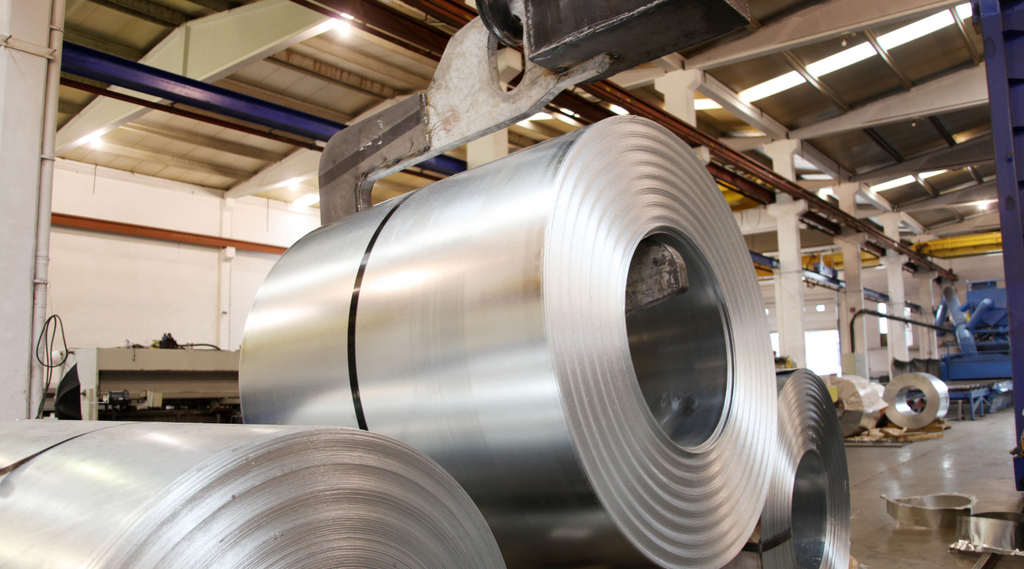
Honyo Prototype employs a structured, technology-driven workflow to provide accurate comparative cost analysis between aluminum and titanium components, ensuring clients make informed material decisions without compromising quality or timeline. Our process begins with CAD file submission and progresses through integrated stages where material-specific cost drivers are systematically evaluated.
Upon receiving the client’s CAD model, our AI-powered quoting engine immediately processes geometry, tolerances, and material specifications. This system dynamically compares aluminum (typically 6061-T6 or 7075-T6) against titanium (Grade 5 Ti-6Al-4V) using live supplier pricing feeds, historical machining data, and material waste algorithms. Crucially, the AI factors in titanium’s higher raw material cost (approximately 3-5x aluminum per kg) alongside secondary variables like density differences affecting blank sizing and shipping weight. The initial quote clearly itemizes material cost variance alongside estimated processing fees.
During the mandatory Design for Manufacturability (DFM) review, our engineering team conducts a granular analysis of how material choice impacts manufacturability. Titanium’s lower thermal conductivity and higher strength significantly increase machining time and tool wear compared to aluminum. We quantify these effects: titanium typically requires 30-50% slower cutting speeds, specialized carbide tooling, and more frequent tool changes. The DFM report details cost implications of features like thin walls or tight tolerances, which may necessitate multiple titanium setups but remain feasible in aluminum with standard tooling. We explicitly flag scenarios where aluminum could achieve equivalent performance at lower cost, avoiding unnecessary titanium specification.
Production execution leverages our material-optimized CNC workflows. Titanium parts undergo dedicated machining protocols with controlled coolant systems and vibration monitoring to prevent work hardening, directly impacting machine hour rates. Aluminum benefits from higher spindle speeds and simpler chip evacuation. Both materials follow our standardized quality control checkpoints, though titanium requires additional post-process verification like FPI (Fluorescent Penetrant Inspection) for critical applications, adding discrete cost line items. Surface finishing costs diverge significantly—aluminum anodizing averages $X/unit while titanium passivation or laser marking incurs $Y/unit due to chemical handling requirements.
The comparative cost breakdown at delivery reflects all stage-specific variables. Below is a representative cost-per-part analysis for a typical aerospace bracket (dimensions: 150x100x25mm):
| Cost Component | Aluminum 6061-T6 | Titanium Ti-6Al-4V | Variance Driver |
|---|---|---|---|
| Raw Material | $42.50 | $185.00 | Titanium ingot cost + density (4.5g/cm³ vs 2.7g/cm³) |
| CNC Machining | $88.00 | $165.00 | Tool wear, reduced feed rates, specialized tooling |
| Secondary Operations | $22.00 | $48.00 | Deburring complexity, non-destructive testing |
| Surface Treatment | $15.00 | $38.00 | Anodizing vs. passivation/laser processes |
| Total Per Unit | $167.50 | $436.00 | 160% increase for titanium |
This transparent cost modeling enables clients to validate material selection against functional requirements. We emphasize that titanium’s premium is justified only when its strength-to-weight ratio, corrosion resistance, or biocompatibility are essential—never as a default choice. Our DFM recommendations consistently identify opportunities to use aluminum alloys where 80% of titanium applications could perform equivalently, directly reducing client costs while maintaining performance specifications. Final delivery includes a complete cost traceability report showing how each material’s expenses were calculated throughout the workflow.
Start Your Project
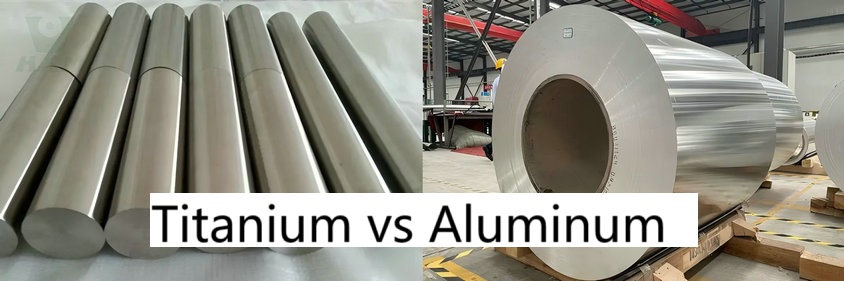
For a detailed cost comparison between aluminum and titanium for your next prototype or production project, contact Susan Leo at [email protected]. As a Senior Manufacturing Engineer at Honyo Prototype, I can provide you with accurate material cost analysis, lead time estimates, and manufacturability insights—backed by our ISO-certified factory in Shenzhen. Whether you’re weighing strength-to-weight ratios or long-term production expenses, our team delivers data-driven recommendations tailored to your design and budget requirements. Reach out today to optimize your material selection with expert support.
🚀 Rapid Prototyping Estimator
Estimate rough cost index based on volume.