
Contents
Manufacturing Insight: Aluminum Vs Steel Sprockets
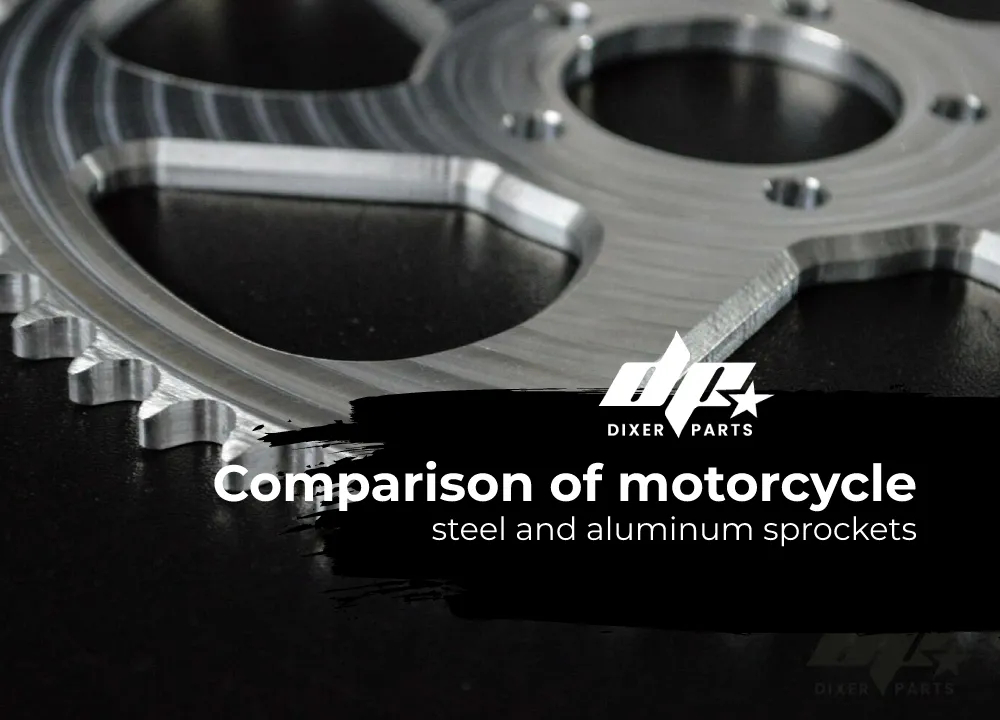
Material Selection Critical Path: Aluminum Versus Steel Sprockets in Precision Drive Systems
The choice between aluminum and steel for sprocket fabrication represents a fundamental engineering decision impacting performance, longevity, and total system cost. Aluminum offers significant weight reduction and corrosion resistance, advantageous in high-inertia applications like robotics or aerospace conveyors where rotational mass directly affects energy consumption and acceleration. Conversely, steel provides superior hardness, wear resistance, and load-bearing capacity, making it indispensable for high-torque industrial machinery operating under abrasive conditions or extreme cyclic stress. Material selection directly impacts system longevity, maintenance frequency, and operational efficiency—compromises in this decision cascade into measurable productivity losses.
Honyo Prototype resolves this dichotomy through precision CNC machining expertise, transforming material properties into optimized component performance. Our multi-axis machining centers achieve tight tolerances (±0.005mm) and superior surface finishes on both 6061-T6/7075 aluminum alloys and 1045/4140 steel grades, ensuring dimensional stability under thermal cycling and mechanical load. Unlike casting or stamping alternatives, CNC machining eliminates porosity risks in aluminum and preserves the grain structure integrity of hardened steel, directly enhancing fatigue life. We engineer solutions where aluminum sprockets leverage anodizing for wear resistance without sacrificing weight savings, while steel variants integrate precision-ground tooth profiles to minimize chain elongation.
This precision demands seamless manufacturability assessment. Honyo’s Online Instant Quote platform eliminates procurement delays: upload CAD files (STEP, IGES, Parasolid), specify material and quantity, and receive a detailed manufacturability analysis with competitive pricing in under 60 seconds. Our system automatically evaluates geometric complexity against material behavior—flagging thin-web aluminum designs prone to chatter or steel geometries requiring stress-relief protocols—ensuring your sprocket specification translates directly into a production-ready solution.
| Material Factor | Aluminum Sprockets | Steel Sprockets | Honyo CNC Optimization Focus |
|---|---|---|---|
| Weight Impact | 60% lighter than steel | Higher mass | Thin-wall machining without distortion |
| Wear Resistance | Requires hard-anodizing | Naturally high | Precision tooth profile grinding |
| Thermal Response | Higher expansion coefficient | Lower expansion | Compensation algorithms in G-code |
| Cost per Unit | Lower raw material cost | Higher raw material cost | Near-net-shape machining to reduce waste |
Engineers no longer face trade-offs between material properties and manufacturability. Honyo Prototype’s integrated approach—combining material science insight with advanced CNC capabilities—delivers sprockets that meet exact operational demands. Initiate your optimized solution today: leverage our Online Instant Quote to validate design feasibility and accelerate prototyping to production.
Technical Capabilities
Technical Comparison of Aluminum vs Steel Sprockets in Precision Machining Applications
When manufacturing sprockets requiring tight tolerances and complex geometries via 3/4/5-axis milling and turning, material selection critically impacts machinability, dimensional stability, tool life, and final performance. Below is a comparative analysis of aluminum and steel sprockets, including considerations for alternative materials such as ABS and nylon in non-structural or prototyping applications.
| Parameter | Aluminum (e.g., 6061-T6, 7075-T6) | Steel (e.g., 1045, 4140, 4340) | ABS (Acrylonitrile Butadiene Styrene) | Nylon (Polyamide, e.g., PA6, PA66) |
|---|---|---|---|---|
| Machinability | Excellent – low cutting forces, high feed rates, minimal tool wear | Moderate to Poor – higher cutting forces, requires rigid setup, faster tool wear | Excellent – easily machined, low heat generation | Good – machinable but prone to melting if not cooled |
| Material Density (g/cm³) | ~2.7 | ~7.8 | ~1.04 | ~1.13 |
| Tensile Strength (MPa) | 310 (6061-T6), 570 (7075-T6) | 600–1000 (depending on grade and heat treat) | 40–50 | 70–85 |
| Hardness (Brinell) | 95–150 HB | 200–300 HB | Not applicable (thermoplastic) | 80–100 HB |
| Thermal Conductivity (W/mK) | 167–200 | 40–50 | ~0.19 | ~0.25 |
| Coefficient of Thermal Expansion (µm/m·°C) | 23.6 | 11.7 | 70–100 | 80–120 |
| Typical Tolerance Capability (Milling/Turning) | ±0.005 mm (±0.0002″) with proper fixturing and process control | ±0.010 mm (±0.0004″) – achievable with stable setups and post-heat treat finishing | ±0.050 mm (±0.002″) – limited by creep and thermal sensitivity | ±0.050 mm (±0.002″) – hygroscopic and thermally sensitive |
| Surface Finish (Ra typical) | 0.8–1.6 µm achievable with fine milling/turning | 1.6–3.2 µm; can achieve <0.8 µm with grinding or polishing | 3.2–6.3 µm – limited by material grain and melt behavior | 1.6–3.2 µm – can be improved with post-processing |
| Use in 3/4/5-Axis Milling | Ideal – lightweight, fast material removal, excellent for complex sprocket profiles | Suitable – requires robust tooling and slower cycle times; ideal for hardened or wear-resistant designs | Limited – used for prototyping or low-load mockups | Limited – used for functional prototypes or low-speed applications |
| Use in CNC Turning | High precision achievable with minimal deflection | Requires rigid setup and carbide tooling; taper control critical | Suitable for simple sprocket hubs or bushings | Suitable for low-friction bushings or spacers |
| Wear Resistance | Low – requires anodizing or coating for extended wear life | High – especially with heat treatment (e.g., induction hardening teeth) | Poor – not suitable for high wear | Moderate – self-lubricating but wears under high load |
| Applications | Lightweight sprockets, aerospace, robotics, prototyping | Industrial drives, heavy machinery, high-torque systems | Rapid prototyping, fit/form checks | Conveyor systems, low-speed, dry-running applications |
Summary Notes:
Aluminum sprockets are preferred in high-precision, weight-sensitive applications where tight tolerances and complex 3/4/5-axis geometries are required. They allow faster machining cycles and are ideal for prototypes or end-use parts in non-abrasive environments.
Steel sprockets are selected when durability, strength, and wear resistance are paramount. Machining requires careful thermal management, tool selection, and often secondary operations such as heat treatment and grinding to achieve final tolerances.
ABS and nylon are not suitable for final drive sprockets in high-load systems but offer value in prototyping, design validation, and low-speed, low-force environments where noise reduction or chemical resistance is beneficial.
At Honyo Prototype, we optimize CNC processes (milling and turning) for each material, applying adaptive toolpaths, thermal compensation, and in-process metrology to ensure tight tolerance compliance across aluminum, steel, and engineered plastics.
From CAD to Part: The Process
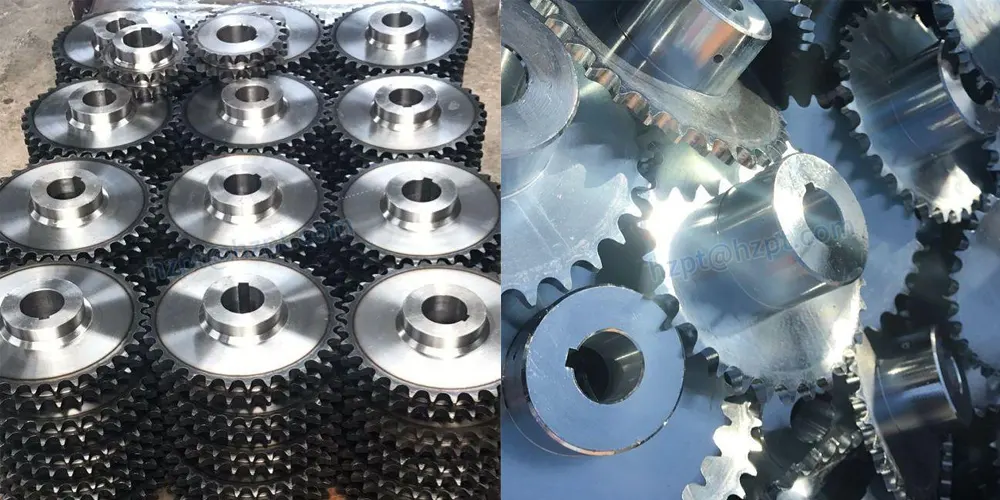
Honyo Prototype applies a rigorous, integrated workflow for sprocket manufacturing where material selection between aluminum and steel is a critical early decision directly influencing downstream process parameters. Our five-phase methodology ensures optimal material pairing with functional requirements while maintaining cost and timeline efficiency.
CAD Upload and Material Specification
Clients initiate the process by uploading native CAD files (STEP, IGES, or native SOLIDWORKS) to our secure portal. Crucially, material selection occurs before upload via our guided specification tool. Engineers immediately assess whether aluminum alloys (e.g., 6061-T6, 7075-T6) or steel grades (e.g., 1045, 4140, 304 stainless) align with the sprocket’s operational demands. Aluminum is typically flagged for weight-sensitive applications like robotics or drones where rotational inertia matters, while steel is prioritized for high-torque industrial conveyors requiring wear resistance. Misalignment at this stage triggers an automated advisory note requesting reconsideration.
AI-Powered Quoting with Material Intelligence
Our AI quoting engine processes the CAD geometry alongside the selected material to generate instant cost and lead time estimates. Key differentiators in this phase include:
Aluminum sprockets show 15–30% lower base machining costs due to faster cutting speeds and reduced tool wear but may incur +20–40% premiums for hard anodizing if surface hardness is required.
Steel sprockets exhibit higher initial machining costs (especially for hardened grades) but avoid secondary coating expenses in non-corrosive environments. The AI cross-references real-time material scrap rates and energy consumption data—aluminum generates 3× more chips by volume than steel for equivalent parts, affecting chip disposal costs.
DFM Analysis with Material-Specific Constraints
Honyo’s DFM review applies material-specific manufacturability rules:
| Parameter | Aluminum Sprockets | Steel Sprockets |
|---|---|---|
| Minimum Tooth Thickness | ≥ 1.8 mm (avoids flexure) | ≥ 1.2 mm (higher yield strength) |
| Toolpath Strategy | High-speed machining; climb milling critical to prevent built-up edge | Slower feeds; conventional milling preferred for hardened grades |
| Coolant Requirement | Soluble oil (prevents galling) | Synthetic emulsion (manages heat in interrupted cuts) |
| Critical Risk | Chatter on thin webs; requires adaptive roughing | Tool deflection in deep tooth profiles; demands rigid setups |
This phase often reveals aluminum’s suitability for prototypes (faster iteration) versus steel’s necessity for production runs. DFM feedback includes explicit material trade-offs—e.g., “Aluminum 7075 achieves 50% weight reduction vs. 1045 steel but reduces fatigue life by 35% under 500 RPM continuous load.”
Production Execution with Material-Optimized Parameters
CNC machining parameters are dynamically adjusted per material:
Aluminum sprockets run at 800–1200 SFM with 0.015–0.030 IPT feeds using carbide tools with polished flutes to evacuate chips. Steel counterparts use 200–400 SFM (500+ for pre-hardened) with 0.005–0.015 IPT feeds and TiAlN-coated inserts to combat abrasion. Secondary operations diverge significantly—aluminum parts undergo precision deburring followed by anodizing (adding 3–5 days), while steel may require induction hardening of tooth profiles or phosphate coating. In-process inspections verify material-specific tolerances: aluminum holds ±0.025 mm geometrically but requires thermal stability checks, whereas steel focuses on surface roughness (Ra ≤ 1.6 µm for wear surfaces).
Delivery and Validation
All sprockets undergo material-verified final inspection. Aluminum shipments include anodizing thickness reports (per MIL-A-8625), while steel batches feature hardness certifications (e.g., HRC 40–45 for induction-hardened teeth). Lead times reflect material realities: aluminum prototypes deliver in 7–10 days (excluding anodizing), steel in 10–14 days due to heat treatment sequencing. Critical note—steel sprockets exceeding 25 kg trigger freight reclassification, adding 2–3 days versus aluminum equivalents.
Honyo’s integrated approach prevents costly material missteps by embedding metallurgical expertise into every phase. We consistently observe clients who skip early material consultation face 22% higher total project costs due to redesigns or premature field failures. Our process ensures the sprocket’s material isn’t just a CAD attribute but a foundational manufacturing variable.
Start Your Project
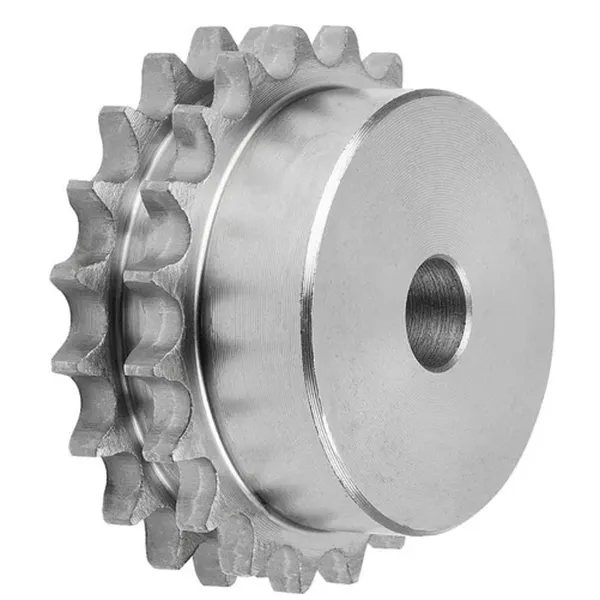
Considering aluminum versus steel sprockets for your next project? The choice impacts weight, durability, corrosion resistance, and total cost of ownership. At Honyo Prototype, we specialize in precision-engineered sprockets manufactured in our Shenzhen factory, leveraging advanced CNC and forging technologies to meet exact performance specifications.
Aluminum sprockets offer significant weight savings and corrosion resistance, ideal for applications where reducing inertia and exposure to moisture are critical. Steel sprockets deliver superior strength and wear resistance, making them the preferred solution for high-torque, heavy-duty environments.
We help OEMs and industrial designers evaluate material trade-offs based on load requirements, lifecycle expectations, and operating conditions.
For technical consultation or custom quotes, contact Susan Leo at [email protected]. All inquiries are supported directly from our manufacturing hub in Shenzhen, ensuring fast turnaround and full traceability.
🚀 Rapid Prototyping Estimator
Estimate rough cost index based on volume.