
Contents
Manufacturing Insight: Aluminum Metal Density
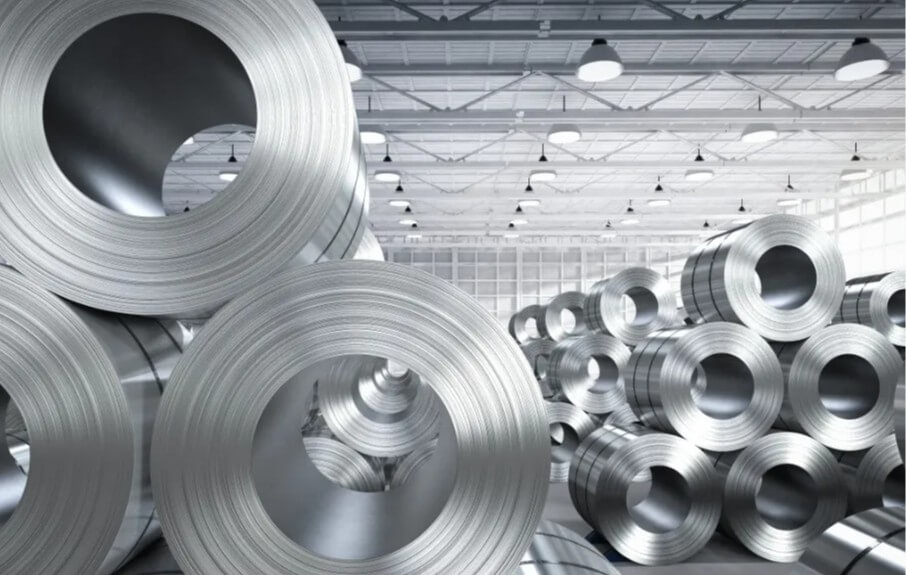
Aluminum Metal Density: A Strategic Advantage in Precision Sheet Metal Fabrication
Understanding aluminum’s inherent properties is fundamental to optimizing component design and manufacturing efficiency. With a density of approximately 2.7 g/cm³—roughly one-third that of steel—aluminum alloys deliver an exceptional strength-to-weight ratio critical for aerospace, automotive, and medical applications where mass reduction directly impacts performance, energy consumption, and lifecycle costs. At Honyo Prototype, we leverage this material advantage through our end-to-end Sheet Metal Fabrication services, transforming complex aluminum designs into high-tolerance, production-ready components with unwavering consistency.
Our engineering team applies material-specific expertise across every stage, from laser cutting and CNC punching to precision bending and welding, ensuring dimensional accuracy while mitigating challenges like springback or warpage unique to low-density metals. This technical mastery extends to alloy selection guidance, where we align your application requirements with optimal grades such as 5052, 6061, or 7075—balancing density, corrosion resistance, and formability. Below is a comparative reference for common engineering metals:
| Material | Density (g/cm³) | Key Applications |
|---|---|---|
| Aluminum | 2.7 | Aerospace frames, heat sinks |
| Steel (Mild) | 7.85 | Structural brackets, enclosures |
| Copper | 8.96 | Electrical components, busbars |
Honyo Prototype streamlines your design-to-production workflow with an Online Instant Quote platform, eliminating manual RFQ delays. Upload your STEP or DXF files to receive geometry-validated pricing and lead time estimates within hours—enabling rapid iteration for aluminum prototypes and low-volume production runs. This integration of material science proficiency, advanced fabrication capabilities, and digital efficiency ensures your lightweighting objectives are met without compromising on quality or speed. Partner with us to convert aluminum’s density advantage into tangible engineering success.
Technical Capabilities
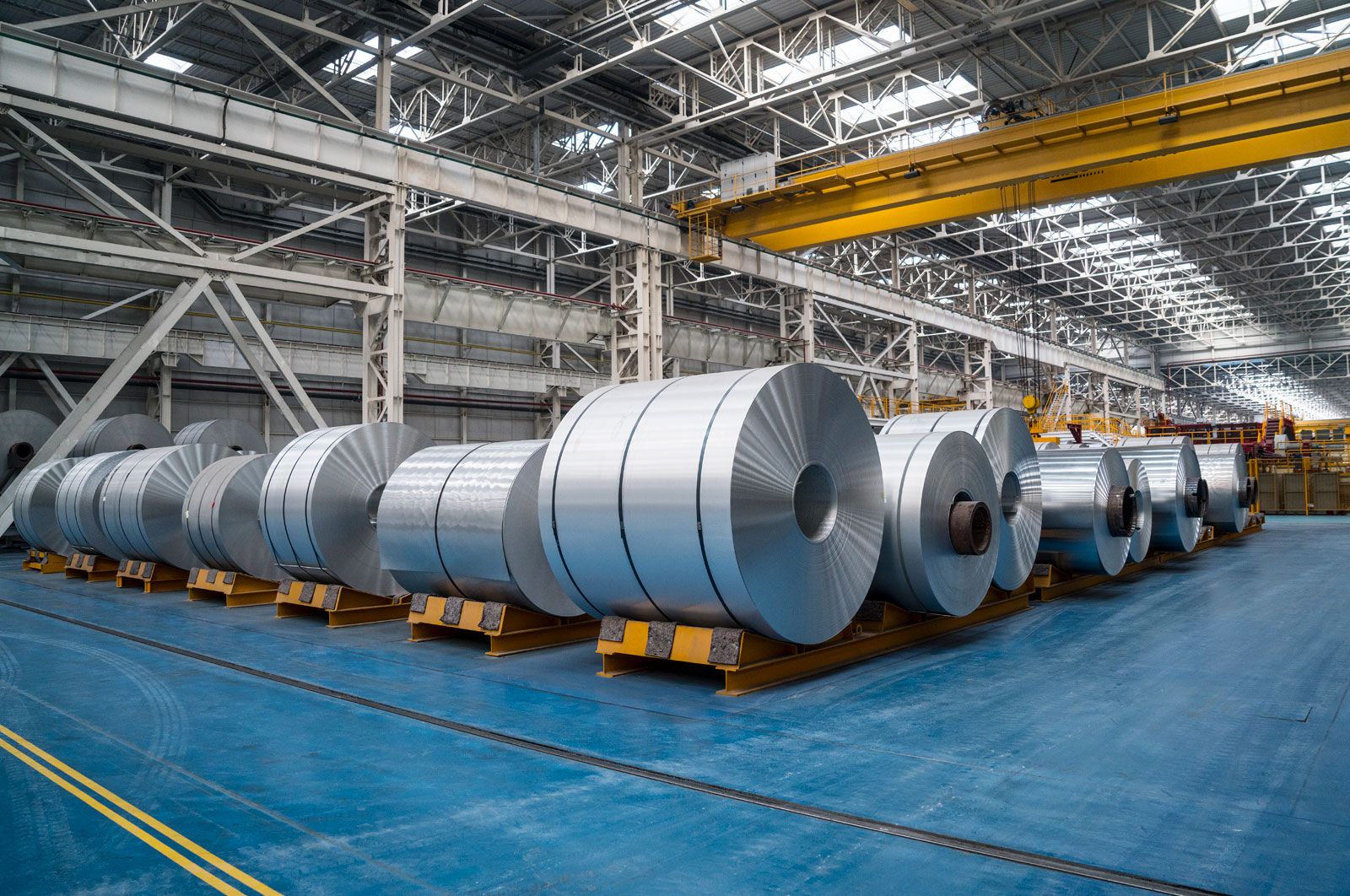
Aluminum density is a critical factor in manufacturing processes such as laser cutting, bending, and welding, as it influences thermal conductivity, reflectivity, mechanical strength, and formability. The density of aluminum is approximately 2.7 g/cm³, which is significantly lower than steel (~7.85 g/cm³), making it ideal for lightweight structural applications. In comparison, plastics like ABS and nylon have much lower densities, which affects their processability and end-use performance.
Below is a comparison of material properties relevant to laser cutting, bending, and welding operations:
| Material | Density (g/cm³) | Thermal Conductivity (W/m·K) | Melting Point (°C) | Laser Cutting Suitability | Bending Characteristics | Welding Method | Notes |
|---|---|---|---|---|---|---|---|
| Aluminum | 2.7 | 205–235 | 660 | High (requires high-power fiber lasers due to reflectivity and thermal conductivity) | Excellent formability; springback must be compensated in tooling | TIG, MIG, or laser welding; requires clean surface and shielding gas | Highly reflective; pre-treatment recommended for laser processing |
| Steel (Mild) | 7.85 | 45–50 | 1370–1510 | Excellent (CO₂ or fiber lasers effective) | Good ductility; higher springback than aluminum | MIG, TIG, spot welding; easily welded | Higher density increases part weight and laser energy requirements |
| ABS | 1.04 | 0.18 | 105 | Moderate (laser cutting possible but risk of melting or charring) | Limited; thermoplastic behavior limits sharp bends | Ultrasonic or adhesive bonding only | Not weldable in traditional sense; low melting point |
| Nylon (PA6) | 1.13 | 0.25 | 215–225 | Feasible with controlled settings; prone to melting | Flexible but limited cold bending without heating | Adhesive or mechanical joining; not suitable for arc welding | Hygroscopic; requires drying before high-precision processing |
Key Technical Notes:
Aluminum’s low density and high strength-to-weight ratio make it favorable in aerospace, automotive, and enclosures where weight savings are critical. However, its high thermal conductivity and reflectivity demand precise parameter tuning in laser cutting—typically achieved using fiber lasers with anti-reflective safeguards. For bending, aluminum alloys (e.g., 5052, 6061) are commonly used due to their balanced ductility and springback characteristics. Welding aluminum requires strict contamination control, as oxide layers and moisture can lead to porosity.
In contrast, steel’s higher density provides greater mass and rigidity but increases energy needs in laser processing and forming. ABS and nylon, while easily machined and cut with lasers under controlled conditions, are generally not suited for high-temperature processes like welding and require alternative joining methods.
From CAD to Part: The Process
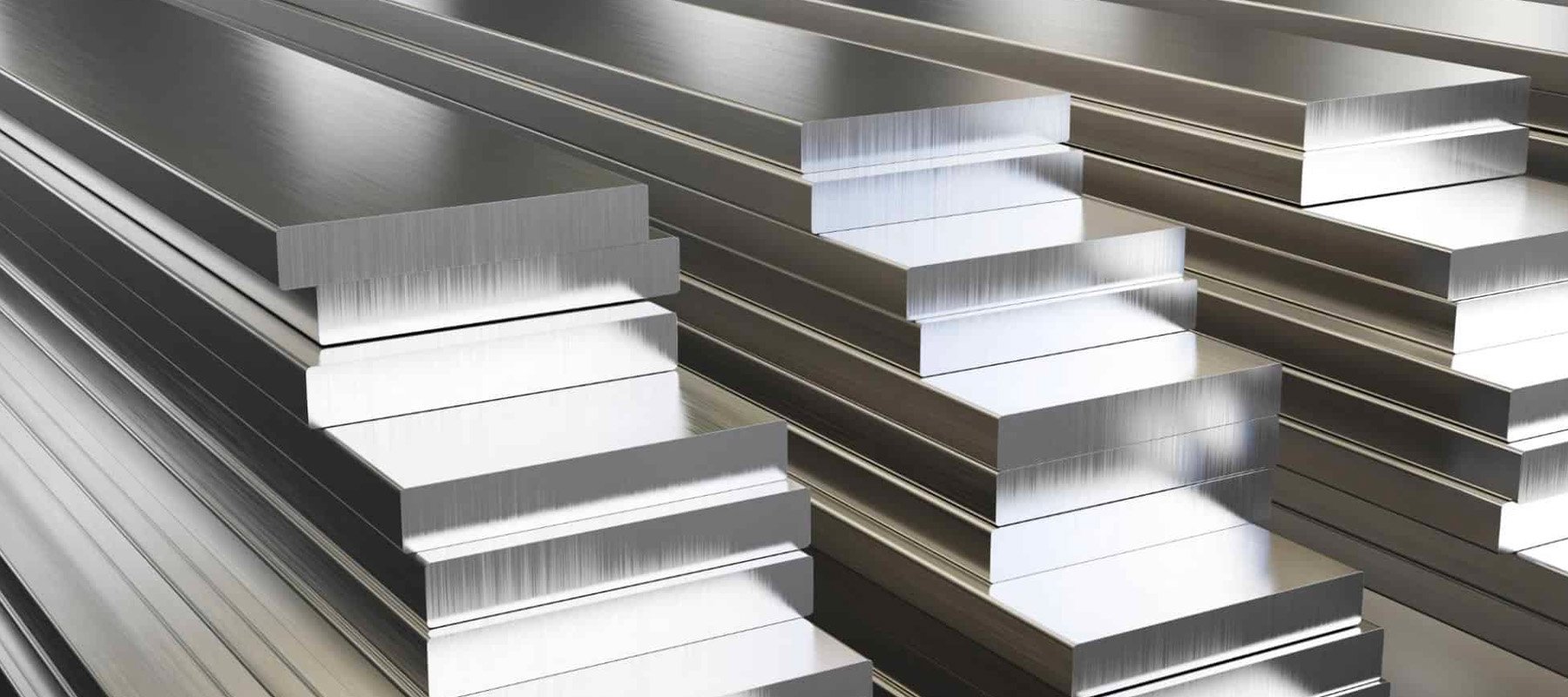
Honyo Prototype treats aluminum density as a critical material property verified throughout our manufacturing workflow rather than a discrete process step. Our standard sequence for aluminum components integrates density validation at specific control points to ensure compliance with ASTM B209 and client specifications. Below is the precise workflow with density verification protocols:
CAD Upload and Material Specification
Clients submit CAD files with explicit material requirements (e.g., 6061-T6 aluminum). Our system validates that the specified alloy density (theoretical 2.70 g/cm³ for pure Al, 2.70–2.85 g/cm³ for common alloys) aligns with the selected grade. Discrepancies trigger immediate client consultation before proceeding.
AI-Powered Quoting Phase
The AI quotation engine cross-references the CAD geometry with our material database to confirm density-driven parameters:
Weight calculations for shipping and handling
Material cost projections based on volumetric density
Feasibility checks for thin-walled features where density affects structural integrity
Note: Density values here derive from certified material standards, not physical testing.
DFM Analysis with Density Validation
Our engineering team conducts rigorous Design for Manufacturability review:
Density-specific checks include porosity risk assessment for castings, grain structure analysis for forgings, and thermal expansion compensation in CNC machining. For critical applications, we simulate density distribution using finite element analysis to predict void formation. Clients receive DFM reports highlighting any density-related design risks.
Production Execution and In-Process Verification
Density verification occurs at three production stages:
1. Raw Material Certification: Mill test reports for each aluminum batch must include ASTM E282 density verification (hydrostatic weighing method)
2. Pre-Production Sample: Archimedes’ principle testing on first-article samples (per ASTM B311)
3. Final QA: Random batch testing where measured density must fall within ±0.5% of theoretical value
Delivery with Traceable Documentation
All aluminum components ship with a Material Test Report (MTR) containing:
Certified density values from raw material and final part testing
ASTM test method references
Traceability to heat/lot numbers
The following table summarizes our density control checkpoints:
| Process Phase | Density Verification Method | Acceptance Criteria | Output Documentation |
|---|---|---|---|
| Raw Material | Mill test report (ASTM B311) | Within ±0.3% of alloy standard | Certified MTR |
| Pre-Production | Archimedes’ test on first article | Within ±0.5% of theoretical | First Article Inspection Report |
| Final QA | Random sampling (ASTM B328) | 100% of samples meet spec | Batch-specific MTR |
This integrated approach ensures aluminum components meet density requirements critical for weight-sensitive applications like aerospace and automotive prototypes. We maintain NIST-traceable calibration for all density measurement equipment, with test records retained for 10 years per AS9100 compliance. Density deviations beyond tolerance trigger root cause analysis and corrective actions before shipment.
Start Your Project
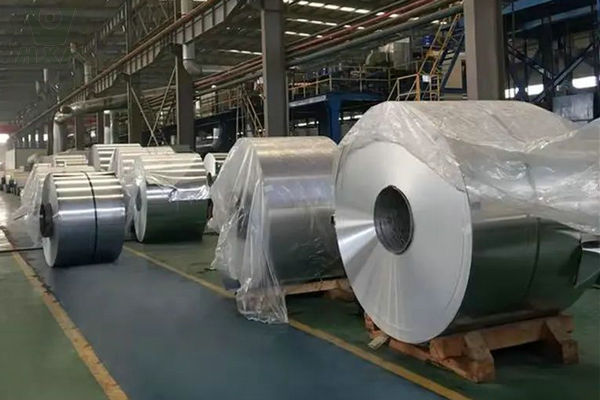
For precise inquiries regarding aluminum metal density and its application in prototyping or production, contact Susan Leo at [email protected].
Honyo Prototype operates a fully equipped manufacturing facility in Shenzhen, providing advanced material expertise and rapid prototyping services.
Let us support your engineering and design needs with accurate material data and fast turnaround. Reach out today for technical specifications or project consultation.
🚀 Rapid Prototyping Estimator
Estimate rough cost index based on volume.