
Contents
Manufacturing Insight: Aluminum Alloy Metal
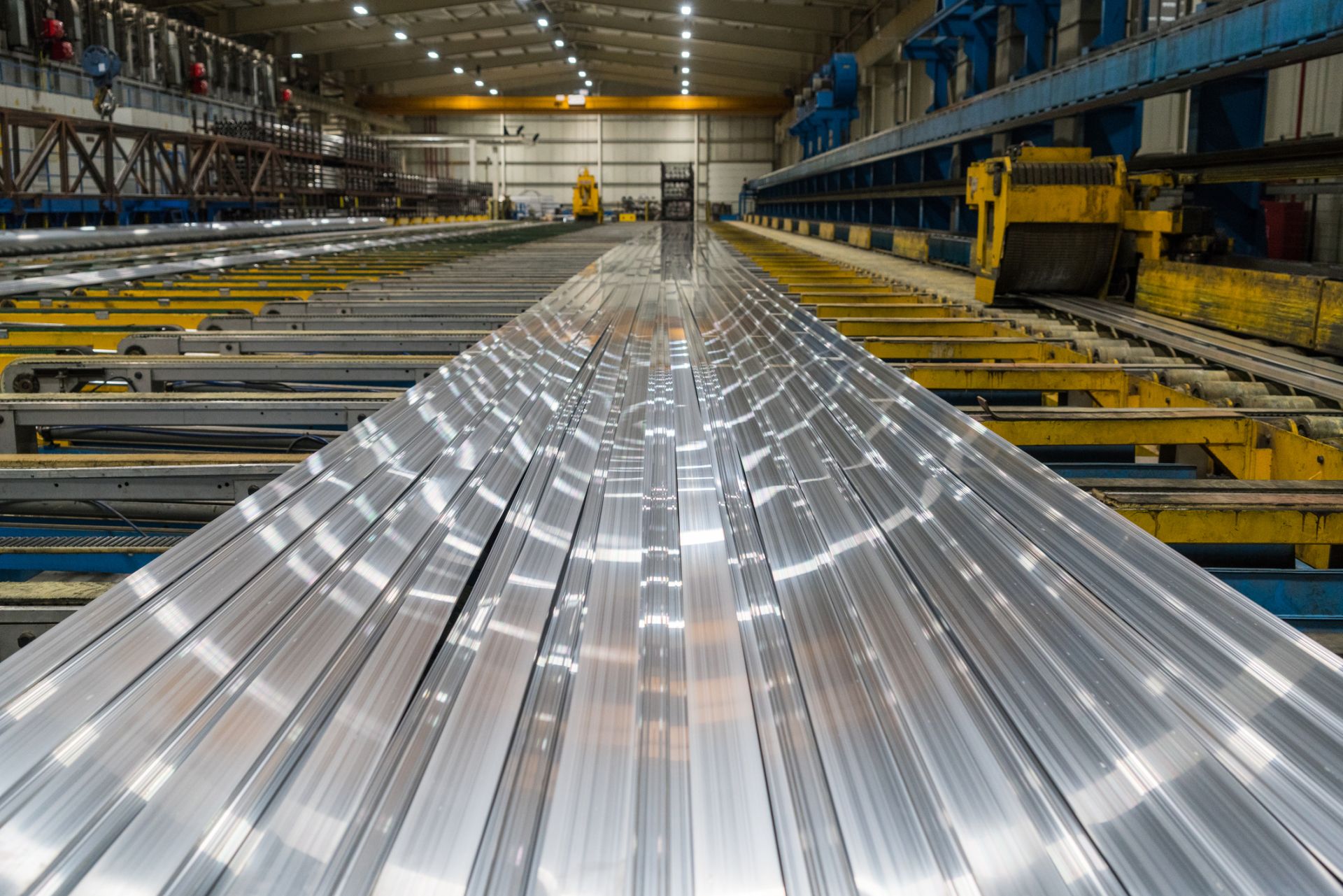
Precision Aluminum Alloy Fabrication: Engineering Excellence from Honyo Prototype
Aluminum alloys represent a cornerstone material in advanced manufacturing, prized for their exceptional strength-to-weight ratio, inherent corrosion resistance, thermal conductivity, and ease of fabrication. These properties make them indispensable across demanding sectors including aerospace, medical devices, robotics, and precision electronics, where component performance, weight reduction, and reliability are non-negotiable. Selecting the optimal alloy grade and fabrication partner is critical to transforming design intent into high-performance, production-ready parts.
Honyo Prototype delivers comprehensive, high-precision sheet metal fabrication services specifically engineered for complex aluminum alloy components. Our integrated capabilities span precision laser cutting, CNC bending, automated welding (TIG, MIG), precision machining, and finishing processes, all executed within a tightly controlled ISO 9001-certified environment. We specialize in handling challenging alloys like 6061-T6, 7075-T6, and 5052-H32, ensuring dimensional accuracy, superior surface integrity, and adherence to stringent engineering specifications for prototypes and low-to-mid volume production runs.
Accelerate your development cycle with Honyo Prototype’s Online Instant Quote system. Upload your STEP, IGES, or DXF file directly to our platform and receive a detailed, transparent manufacturing assessment and competitive price within minutes – no forms, no delays. This seamless digital gateway provides immediate insight into manufacturability and cost, empowering engineers to make informed decisions faster and move from concept to qualified aluminum alloy hardware with unprecedented efficiency. Partner with Honyo Prototype for technically advanced fabrication where material science meets manufacturing precision.
Technical Capabilities
Technical Specifications for Aluminum Alloy Metal in Laser Cutting, Bending, and Welding Applications
Aluminum alloys are widely used in precision manufacturing due to their favorable strength-to-weight ratio, corrosion resistance, and machinability. When comparing aluminum to other common engineering materials such as steel, ABS, and nylon, significant differences arise in process performance for laser cutting, bending, and welding. Below is a comparative technical overview focused on these key manufacturing processes.
| Property / Material | Aluminum Alloy (e.g., 6061-T6) | Steel (e.g., Mild Steel A36) | ABS (Acrylonitrile Butadiene Styrene) | Nylon (Polyamide) |
|---|---|---|---|---|
| Laser Cutting | Reflective and thermally conductive; requires high-power fiber lasers (CO₂ less effective). Clean cuts achievable with proper assist gas (N₂ or O₂). Minimal HAZ. | Easily cut with CO₂ or fiber lasers. High absorption rate. Oxygen assist enhances cutting speed. Moderate HAZ. | Can be laser cut with CO₂ lasers; prone to melting and edge charring. Not recommended for high precision. Small HAZ with controlled settings. | Poor laser cutting performance; high melting point and thermal deformation. Edge degradation common. Not typically recommended. |
| Bending | Good formability; typical bend radius = 1× material thickness. Springback must be compensated. Common in sheet metal fabrication. | Moderate to good bendability; minimum bend radius ~1–2× thickness. Higher springback than aluminum. Requires robust tooling. | Limited bendability; not suitable for sharp bends. Can be creased or scored but prone to cracking. Used in thermoforming instead. | Flexible but not suitable for traditional metal bending. Can be formed via molding or machining. |
| Welding | Requires TIG or MIG welding with inert shielding gas (Ar/He). Pre-cleaning essential due to oxide layer. Heat-sensitive; distortion risk. | Readily welded via MIG, TIG, or SMAW. Good weld penetration and joint strength. Minimal prep required. | Not weldable via traditional methods. Joining done via adhesives, snap-fits, or ultrasonic welding. | Joinable using ultrasonic or hot-plate welding. Adhesives or mechanical fasteners preferred. Not suitable for arc welding. |
| Common Grades | 6061-T6, 5052-H32, 7075-T6 | A36, 1018, 304 Stainless | ABS (e.g., Magnum 8400) | Nylon 6, Nylon 6/6, Glass-filled variants |
| Thermal Conductivity | High (~167 W/m·K for 6061) | Moderate (~50 W/m·K) | Low (~0.2 W/m·K) | Low (~0.25 W/m·K) |
| Reflectivity (to Laser) | High (challenging for CO₂ lasers) | Low to moderate | N/A (non-metallic) | N/A (non-metallic) |
Notes for Manufacturing Selection:
Aluminum alloy is optimal for lightweight, high-strength components requiring precision laser cutting and clean bends. It demands careful welding procedures due to oxide formation and thermal expansion. Steel offers robust weldability and stiffness but at higher weight. ABS and nylon are non-metallic alternatives suited for prototyping and low-stress applications, with limited compatibility with laser cutting and no arc welding capability. Material selection should align with functional requirements, production volume, and process capabilities.
From CAD to Part: The Process
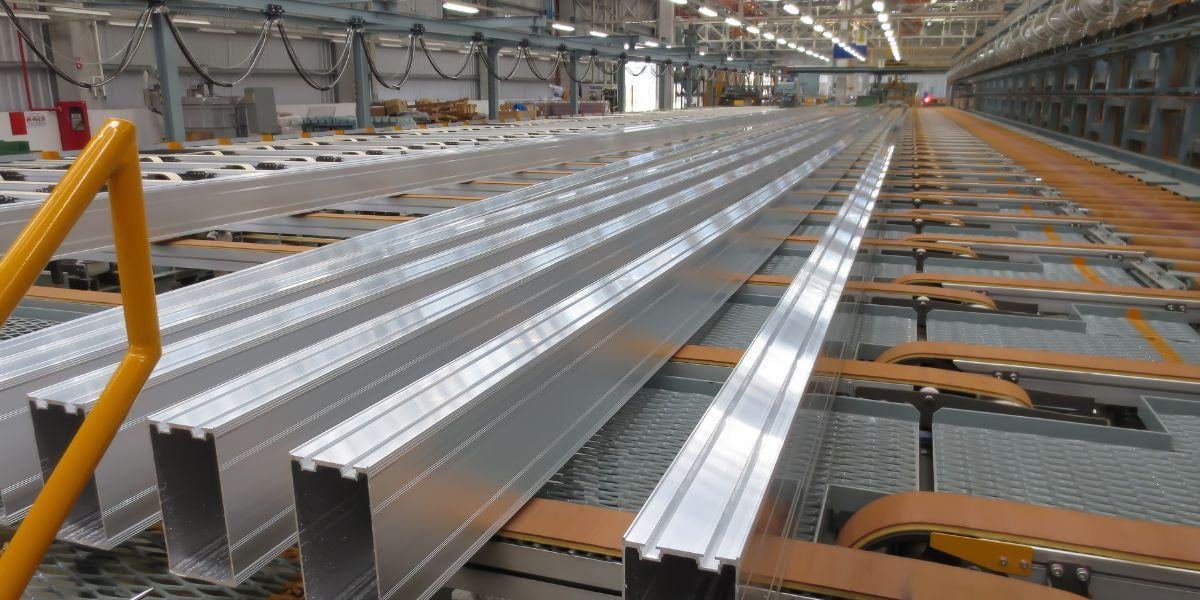
Honyo Prototype Aluminum Alloy Manufacturing Process Overview
Our streamlined workflow for aluminum alloy components ensures precision, cost efficiency, and rapid turnaround from initial design to delivery. This process is optimized for prototyping and low-to-mid volume production, leveraging advanced digital tools and metallurgical expertise specific to aluminum alloys.
Upload CAD
Clients initiate the process by uploading native or neutral CAD files (STEP, IGES, Parasolid) via our secure customer portal. Our system automatically performs initial file validation, checking for geometric integrity, unit consistency, and critical feature completeness. For aluminum alloys, we verify minimum wall thicknesses, draft angles for cast variants, and tolerance feasibility against standard machining capabilities. Invalid files trigger immediate feedback with specific error details, reducing iterative delays.
AI Quote Generation
Validated CAD files enter our proprietary AI quoting engine, which analyzes 200+ geometric and material parameters within seconds. For aluminum alloys, the AI cross-references real-time material cost databases, machine utilization rates, and alloy-specific processing constraints (e.g., 6061-T6 machinability vs. 7075-T651 work hardening tendencies). The initial quote includes material cost breakdowns, estimated cycle times, and secondary operation requirements. Crucially, a Senior Manufacturing Engineer validates all AI-generated quotes, adjusting for nuanced factors like internal stress risks in complex geometries or anodizing compatibility. Clients receive a formal quote with technical assumptions documented within 4 business hours.
DFM Analysis
Upon quote acceptance, our DFM team conducts a rigorous three-phase review focused on aluminum-specific best practices:
1. Manufacturability Assessment: Identifying features prone to chatter (thin walls <1mm), undercuts requiring specialized tooling, or excessive tolerances increasing scrap rates.
2. Material Optimization: Recommending alloy substitutions where applicable (e.g., 5052 for superior weldability in sheet forms, 2024 for high-strength aerospace fixtures).
3. Cost-Driven Refinement: Proposing design modifications to reduce machining time (e.g., standardizing hole depths, eliminating unnecessary pockets).
We provide a detailed DFM report with annotated visuals and collaborate on redesigns via virtual engineering sessions. Typical DFM resolution time is 24–48 hours.
| Common Aluminum Alloys & Key DFM Considerations |
|---|
| Alloy |
| 6061-T6 |
| 7075-T6 |
| 5052-H32 |
| 2024-T3 |
Production Execution
Approved designs move to production with strict adherence to aluminum-specific protocols:
Material Sourcing: Traceable mill-certified alloys with full chemical composition reports.
Machining: High-speed CNC mills/lathes with optimized toolpaths for aluminum (e.g., climb milling to prevent burrs, coolant-through spindles for chip evacuation).
Secondary Operations: In-house deburring, precision tapping, and surface finishing (bead blasting, anodizing coordination).
In-Process QA: First-article inspection (FAI) per AS9102 standards, with CMM verification of critical dimensions. Aluminum parts undergo thermal stress relief if geometry warrants.
Delivery & Traceability
All aluminum components ship with comprehensive documentation:
Material test reports (MTRs) from the supplier mill
FAI and final inspection reports with GD&T verification
Anodizing/certification data if applicable
Unique part traceability codes linking to production logs
Standard lead times are 7–10 days for machined aluminum prototypes. Parts are packaged in anti-corrosive VCI paper with foam inserts to prevent oxidation during transit. Real-time shipment tracking is accessible via the client portal, with delivery confirmation including digital sign-off for quality acceptance.
This integrated approach minimizes iteration cycles while ensuring metallurgical integrity—critical for aluminum’s sensitivity to thermal and mechanical stresses. We maintain a 98.7% on-time delivery rate for aluminum projects through this controlled workflow.
Start Your Project
Looking for high-quality aluminum alloy metal components? Partner with Honyo Prototype for precision manufacturing and fast turnaround. Our Shenzhen-based factory offers advanced machining and fabrication capabilities tailored to your specifications.
Contact Susan Leo today at [email protected] to discuss your project and get a competitive quote.
🚀 Rapid Prototyping Estimator
Estimate rough cost index based on volume.