
Contents
Manufacturing Insight: Aluminium Or Steel
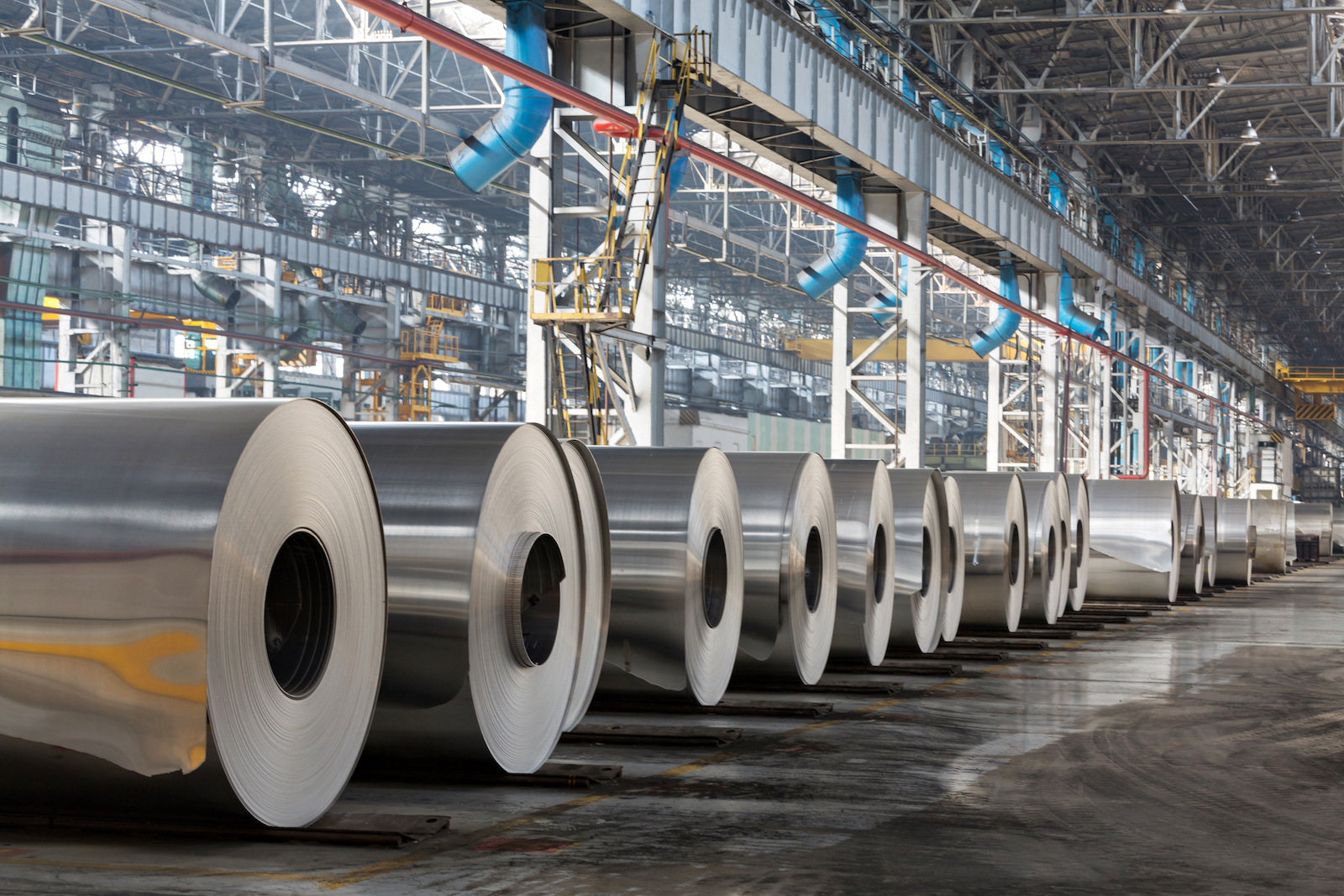
Material Selection Precision for Critical Applications
The strategic choice between aluminium and steel fundamentally impacts performance, durability, and cost-efficiency in engineered components. Aluminium alloys deliver exceptional strength-to-weight ratios and corrosion resistance, making them ideal for aerospace, automotive, and consumer electronics applications where weight reduction is critical. Conversely, steel—particularly grades like 4140 or 304 stainless—provides superior tensile strength, wear resistance, and thermal stability for industrial machinery, tooling, and high-stress structural components. At Honyo Prototype, our CNC machining expertise ensures optimal material utilization, precision tolerances down to ±0.005 mm, and surface finishes tailored to your functional requirements, whether leveraging the machinability of 6061-T6 aluminium or the robustness of hardened tool steels.
Advanced CNC Capabilities for Complex Metal Fabrication
Honyo Prototype operates state-of-the-art 3-, 4-, and 5-axis CNC machining centers configured for high-integrity production of both aluminium and steel parts. Our processes include milling, turning, drilling, and multi-axis contouring, supported by rigorous in-process metrology using CMM and optical comparators. We mitigate material-specific challenges such as aluminium’s thermal expansion during high-speed cutting or steel’s work-hardening tendencies through proprietary toolpath strategies and coolant optimization. This technical mastery enables consistent repeatability across prototypes and low-volume production runs, ensuring your design intent translates flawlessly into physical components without costly rework.
Accelerate Sourcing with Real-Time Quoting
Streamline your procurement workflow through Honyo’s Online Instant Quote platform, engineered for manufacturing professionals. Simply upload your STEP or IGES file, specify material (aluminium 6061/7075, stainless steel 304/316, carbon steel 1018, or custom alloys), and define critical tolerances or finishes. Within seconds, receive a detailed cost breakdown, lead time estimate, and actionable Design for Manufacturability feedback—no manual submission or email delays. This transparency empowers engineering teams to iterate designs rapidly while validating budgetary and scheduling feasibility before project kickoff.
Engineered Solutions, Delivered Efficiently
Partner with Honyo Prototype to transform material selection into a competitive advantage. Our integrated approach—from material science consultation to precision CNC execution and rapid quoting—ensures your aluminium or steel components meet exacting performance standards while accelerating time-to-market. Begin your next project with confidence using our Online Instant Quote system, where engineering rigor meets operational agility.
Technical Capabilities
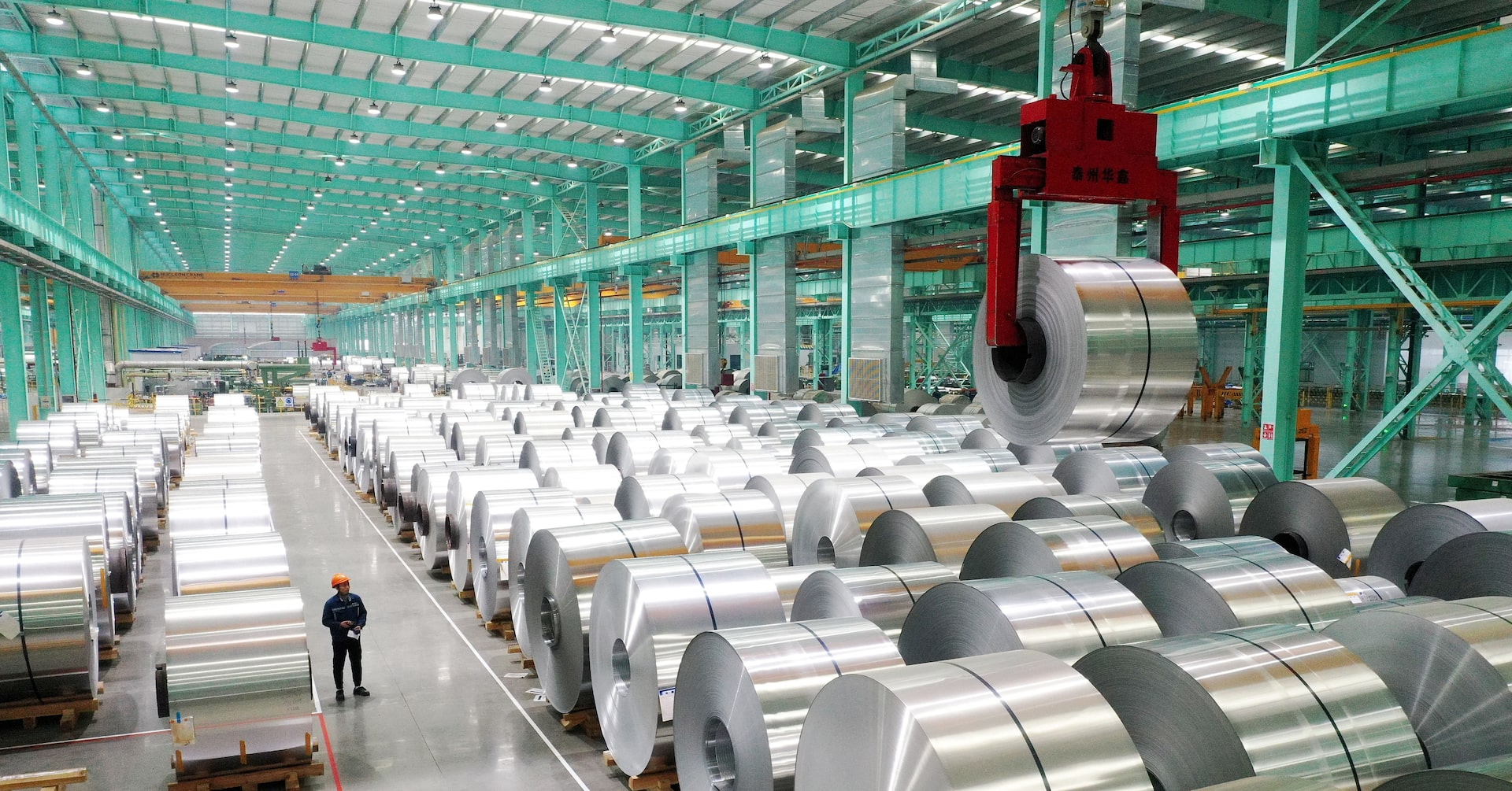
Technical Specifications for 3/4/5-Axis Milling and Turning – Focus on Aluminum, Steel, ABS, and Nylon
The following table outlines key technical specifications and machining characteristics for common materials used in precision CNC machining, including 3-axis, 4-axis, and 5-axis milling as well as precision turning. Emphasis is placed on achievable tight tolerances, material properties, and suitability for high-accuracy components in industrial, aerospace, and mechanical applications.
| Parameter | Aluminum (6061-T6) | Steel (AISI 4140) | ABS (Acrylonitrile Butadiene Styrene) | Nylon (PA6 or PA66) |
|---|---|---|---|---|
| Machinability Rating | Excellent (90–100%) | Good (60–70%) | Excellent (85–95%) | Good (70–80%) |
| Typical Tolerance (Milling) | ±0.005 mm (±0.0002″) | ±0.010 mm (±0.0004″) | ±0.025 mm (±0.001″) | ±0.025 mm (±0.001″) |
| Typical Tolerance (Turning) | ±0.005 mm (±0.0002″) | ±0.010 mm (±0.0004″) | ±0.025 mm (±0.001″) | ±0.025 mm (±0.001″) |
| Surface Finish (Ra) | 0.8 – 1.6 μm (32 – 63 μin) | 1.6 – 3.2 μm (63 – 125 μin) | 1.6 – 3.2 μm (63 – 125 μin) | 3.2 – 6.3 μm (125 – 250 μin) |
| Recommended Cutting Speed (Milling) | 500 – 1000 m/min (Aluminum) | 80 – 150 m/min (Hardened) | 150 – 250 m/min | 80 – 150 m/min |
| Recommended Feed Rate (Milling) | 0.1 – 0.3 mm/tooth | 0.05 – 0.15 mm/tooth | 0.1 – 0.25 mm/tooth | 0.08 – 0.15 mm/tooth |
| Tooling Recommendation | Carbide, Polished Flutes | Carbide, Coated (TiAlN) | High-speed Steel or Carbide | Carbide, Reduced Rake Angle |
| Coolant Requirement | Required (Flood or Mist) | Required (Flood) | Optional (Air Blast Preferred) | Optional (Air Blast) |
| Thermal Stability | Moderate (Conductive) | High | Low (Prone to Warping) | Moderate (Hygroscopic) |
| Common Applications | Aerospace, Enclosures, Jigs | Shafts, Tooling, Automotive | Prototypes, Housings | Gears, Wear Components |
| 5-Axis Suitability | Excellent | Excellent | Good | Fair to Good |
| Tight Tolerance Capability | Up to ±0.002 mm achievable with thermal control and metrology |
Notes:
Aluminum 6061-T6 is the preferred choice for tight tolerance 5-axis milling due to its excellent machinability, low weight, and dimensional stability.
Steel (e.g., 4140) requires rigid setups and proper tool coatings to achieve tight tolerances; post-machining stress relief may be needed.
ABS is ideal for functional prototypes but limited in tolerance due to thermal expansion and lower rigidity.
Nylon presents challenges in maintaining tight tolerances due to moisture absorption; machining must account for post-process dimensional shift.
All tolerances are achievable under controlled workshop conditions (ISO Class 7 or better), with calibrated equipment and in-process inspection using CMM or laser probing.
From CAD to Part: The Process
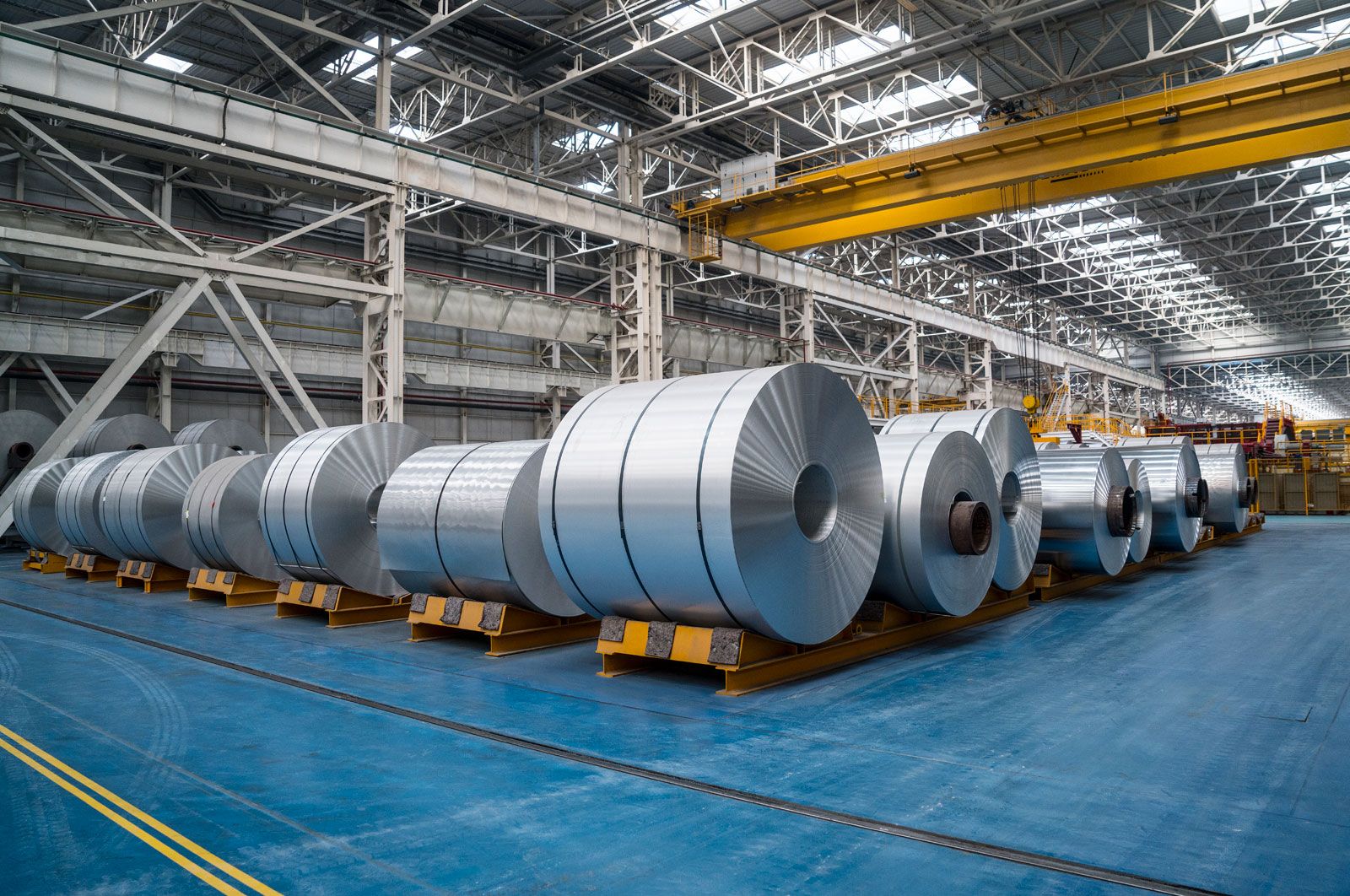
Honyo Prototype employs a streamlined, technology-driven workflow for aluminum and steel component manufacturing, designed to minimize lead times while ensuring precision and cost efficiency. This integrated process begins with digital file submission and concludes with certified delivery, incorporating automated validation and engineering oversight at critical stages.
CAD File Upload and Initial Processing
Clients initiate the process by uploading 3D CAD models (STEP, IGES, or native formats) via Honyo’s secure customer portal. The system automatically validates file integrity and extracts geometric data, material specifications, and critical tolerances. For aluminum alloys (e.g., 6061-T6, 7075-T6) or steel grades (e.g., 304/316 stainless, 4140), the portal prompts users to confirm material selection, surface finish requirements, and quantity. This step ensures all manufacturing-critical parameters are captured before proceeding to quotation.
AI-Powered Quotation Engine
Honyo’s proprietary AI quotation system analyzes the CAD geometry and client inputs to generate instant, data-driven cost estimates. The algorithm factors in real-time variables specific to metal fabrication, including:
| Parameter | Aluminum Impact | Steel Impact |
|---|---|---|
| Material Cost | Based on LME spot prices + alloy premium | Adjusted for grade (e.g., +15% for 316) |
| Machining Time | Faster cycles (softer material) | Slower feeds/speeds (harder material) |
| Secondary Ops | Anodizing/chemical film considerations | Passivation/heat treatment variables |
| Freight Weight | Lower density reduces shipping costs | Higher density increases freight impact |
The AI cross-references historical production data, current machine utilization, and material availability to deliver a fixed-price quote within minutes, including estimated lead time and compliance certifications (e.g., ISO 9001, material test reports).
Engineer-Led DFM Analysis
Following quote acceptance, Honyo’s manufacturing engineering team conducts a formal Design for Manufacturability (DFM) review. This phase focuses on metal-specific optimizations:
For aluminum, engineers verify wall thickness adequacy to prevent distortion during CNC milling and assess tap drill sizes for threaded features considering material galling tendencies. For steel components, the review emphasizes weld joint design feasibility, heat-affected zone management, and stress-relief requirements. The DFM report identifies potential cost or lead time reducers—such as consolidating operations via 5-axis machining or substituting standard hardware—and provides actionable feedback within 24 hours. Client approval of the DFM summary is mandatory before production launch.
Precision Metal Production
Honyo executes manufacturing using dedicated metal fabrication cells:
Aluminum parts are processed on high-speed CNC mills with optimized toolpaths and coolant systems to prevent built-up edge, while steel components utilize rigid machine setups with carbide tooling and controlled cutting parameters to manage heat generation. All operations adhere to ASME Y14.5 GD&T standards, with in-process inspections at critical stages (e.g., first-article verification per PPAP Level 2). Secondary operations—including deburring, anodizing for aluminum, or passivation for stainless steel—are managed through Honyo’s certified supply chain partners with strict SLAs.
Certified Delivery and Documentation
Completed parts undergo final QA validation against the original CAD model using CMM or optical scanning, with full inspection reports provided. Aluminum shipments include material certificates (e.g., mill test reports per ASTM B209), while steel components are accompanied by heat-treated documentation where applicable. Parts are packaged with anti-corrosion measures suitable for metal types (VCI paper for steel, non-sulfuric wraps for aluminum) and shipped via tracked logistics. Standard lead times are 5–7 days for aluminum prototypes and 7–10 days for steel, with expedited options available. All deliveries include a digital quality dossier accessible through the client portal.
Start Your Project
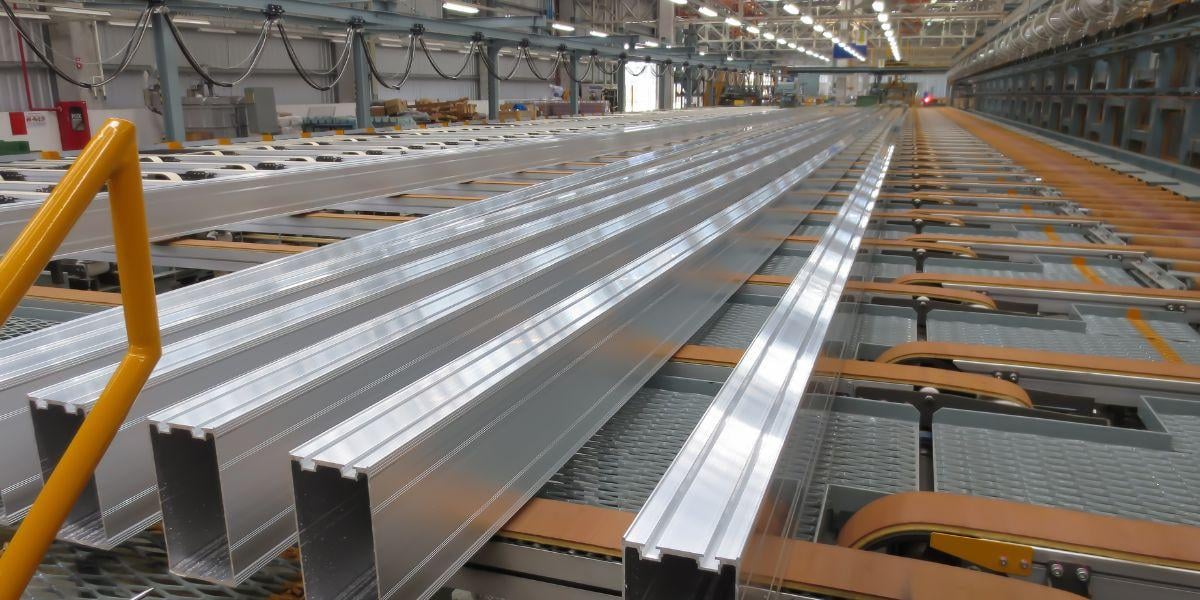
Looking for high-quality aluminum or steel fabrication solutions? Partner with Honyo Prototype for precision manufacturing and reliable production. Our Shenzhen-based factory delivers exceptional results for prototypes and low-volume production runs.
Contact Susan Leo today at [email protected] to discuss your project requirements and get expert support tailored to your needs.
🚀 Rapid Prototyping Estimator
Estimate rough cost index based on volume.