
Contents
Manufacturing Insight: Abs Precision Machining
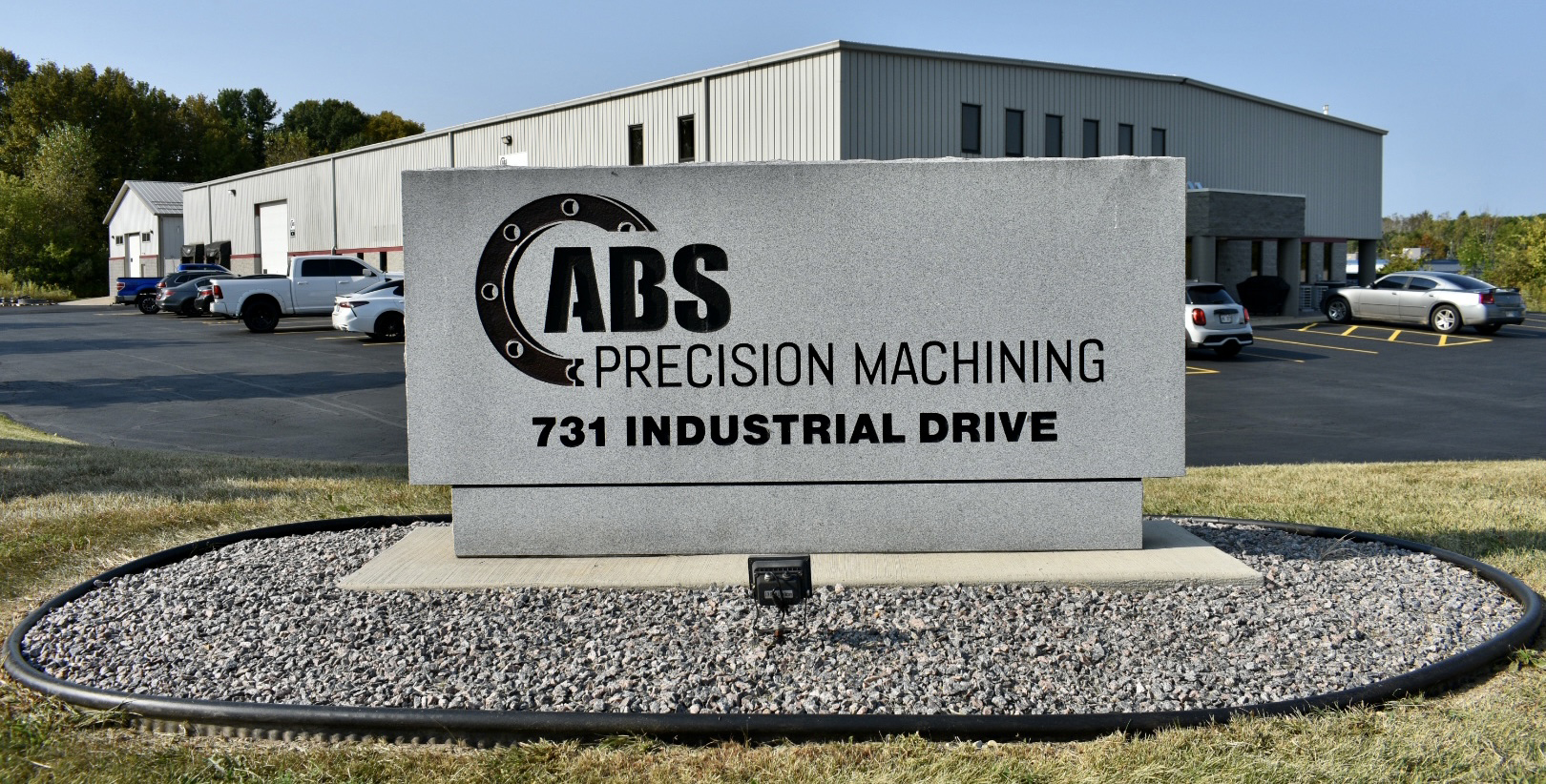
ABS Precision Machining: Engineering Excellence for Demanding Applications
At Honyo Prototype, we deliver uncompromising dimensional accuracy and surface integrity for ABS components through specialized CNC machining processes. ABS engineering plastic presents unique challenges—including thermal sensitivity, chip adhesion, and dimensional instability—requiring tailored toolpath strategies, optimized spindle speeds, and rigorous environmental controls to achieve micron-level tolerances. Our ISO 9001-certified facility leverages advanced 3-, 4-, and 5-axis CNC systems with high-precision spindles and in-process probing to mitigate material-specific variables, ensuring repeatability across prototypes and low-volume production runs.
We prioritize rapid iteration cycles for product development teams, integrating seamless design-for-manufacturability feedback during quoting. Critical to this workflow is our Online Instant Quote platform, which provides engineered cost and lead-time estimates within minutes—not days—by analyzing your 3D CAD model against real-time machine capacity, material availability, and geometric complexity. This eliminates traditional quotation bottlenecks while maintaining technical rigor, allowing your engineering team to advance validation testing without delay.
Honyo’s ABS machining expertise spans automotive interior components, medical device housings, and aerospace prototypes, where surface finish consistency and structural fidelity directly impact functional performance. Partner with us to transform complex ABS designs into precision-engineered realities with accelerated time-to-test.
Technical Capabilities
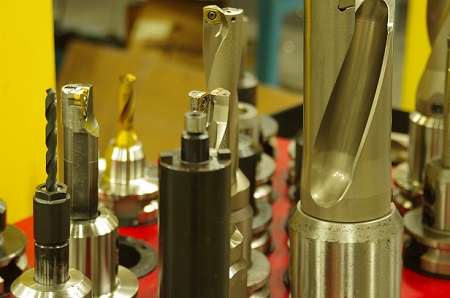
Technical specifications for ABS precision machining encompass advanced CNC capabilities across 3, 4, and 5-axis milling platforms, as well as precision turning, with an emphasis on achieving tight tolerances required in prototyping and low-volume production. While ABS (Acrylonitrile Butadiene Styrene) is a thermoplastic polymer, the term “ABS precision machining” here refers to precision machining processes applied to ABS and other engineering materials such as aluminum, steel, and nylon. These materials are commonly used in functional prototypes, jigs, fixtures, and end-use components where dimensional accuracy and surface finish are critical.
Honyo Prototype utilizes high-precision CNC machining centers to maintain tolerances typically within ±0.005 mm (±0.0002″) for critical features, with tighter tolerances achievable upon request. Multi-axis capabilities allow for complex geometries and reduced setup time, improving repeatability and accuracy.
| Parameter | Specification |
|---|---|
| Machining Processes | 3-Axis, 4-Axis, and 5-Axis CNC Milling; CNC Turning (Swiss and Mill-Turn) |
| Tolerance Capability | Standard: ±0.01 mm (±0.0004″) Tight: ±0.005 mm (±0.0002″) Ultra-Tight: ±0.002 mm (±0.00008″) upon request |
| Surface Finish (Ra) | 0.8 µm to 3.2 µm (32–125 µin); polishing or texturing available |
| Max Work Envelope (Mill) | 5-axis: 760 x 460 x 360 mm (30″ x 18″ x 14″) 3/4-axis: up to 1000 mm (39″) in X |
| Max Work Envelope (Turn) | Diameter: up to 50 mm (2″) Length: up to 300 mm (12″) |
| Materials Supported | Aluminum: 6061, 7075, 2024, 5052 Steel: 1018, 4140, 17-4 PH, 303/304/316 Stainless Plastics: ABS, Nylon (6 & 66), POM (Delrin), PEEK, PC, PMMA Other: Brass, Copper, Titanium (limited) |
| Tooling & Spindle Speed | High-speed spindles up to 24,000 RPM; carbide and diamond-coated tooling for plastics |
| Positioning Accuracy | ±0.002 mm (±0.00008″) with laser calibration and thermal compensation |
| Repeatability | ±0.003 mm (±0.00012″) under controlled conditions |
| Applications | Aerospace components, medical devices, automotive sensors, robotics, enclosures, and precision fittings |
Aluminum and steel parts are machined with coolant and rigid setups to maintain dimensional stability and surface integrity. ABS and nylon are processed using sharp, polished cutters with optimized feed rates and minimal heat input to prevent melting or deformation. All machined parts undergo in-process inspection and final CMM (Coordinate Measuring Machine) verification for conformance to print specifications.
From CAD to Part: The Process
Honyo Prototype delivers precision-machined ABS components through a rigorously controlled digital workflow designed for speed, accuracy, and manufacturability. ABS (Acrylonitrile Butadiene Styrene) requires specialized handling due to its thermal sensitivity and tendency toward warpage, which our process explicitly addresses at every stage. Below is the technical execution of our five-phase sequence:
CAD Upload and Validation
Clients initiate the process by uploading native CAD files (STEP, IGES, or native formats like SOLIDWORKS) via our secure client portal. Our system performs automated geometry validation, checking for non-manifold edges, surface gaps, and unit inconsistencies. Crucially, ABS-specific parameters are flagged here—such as wall thickness below 0.8mm or unsupported overhangs exceeding 45 degrees—which directly impact thermal stability during machining. Files failing validation receive immediate structured feedback for correction, preventing downstream delays.
AI-Powered Quoting with Material Intelligence
Our proprietary AI engine analyzes the validated CAD model against live machine capacity, tooling libraries, and ABS material databases. Unlike generic quoting tools, it factors in ABS-specific variables: coefficient of thermal expansion (70–120 μm/m°C), glass transition temperature (105°C), and chip-load sensitivity. The AI generates a dynamic quote within 2 hours, including predicted warpage risk scores and tolerance feasibility. All quotes undergo mandatory human review by our applications engineering team to validate AI outputs, ensuring realistic lead times and cost structures for precision ABS work.
Collaborative DFM for ABS Machinability
Design for Manufacturability (DFM) is a closed-loop dialogue, not a gate. Our engineers conduct virtual DFM sessions within 24 hours of quote acceptance, focusing on ABS-specific optimizations:
Recommending strategic relief cuts to counteract thermal stress
Adjusting toolpath sequences to minimize localized heating
Proposing sacrificial tabs for thin-walled features (<1.5mm)
Validating tolerance stack-ups against ABS’s ±0.05mm/in inherent variability
Clients receive an interactive DFM report with annotated 3D models and alternative design suggestions. Approval requires explicit sign-off on ABS-specific risk mitigations.
Precision Machining with ABS-Specific Protocols
Production occurs in climate-controlled cells (22±1°C, 45% RH) to stabilize ABS. Key technical controls include:
High-speed machining with rigid toolholders (≤0.003mm TIR) and sharp carbide tools to reduce heat generation
Adaptive toolpaths maintaining constant chip load to prevent material melting
In-process CMM checks at critical stages (e.g., after roughing, before finishing) to detect early warpage
Dedicated coolant systems using non-aromatic oils to avoid chemical interaction with ABS
All ABS batches are traceable to material lot numbers with certified RoHS/REACH documentation.
Delivery with Precision Verification
Components ship with a comprehensive quality dossier:
First-article inspection report (FAIR) per AS9102 format
Full CMM scan data mapped to nominal CAD geometry
Thermal history log (ambient temp during machining)
Material certification with Lot-specific melt flow index
Packaging designed for vibration isolation during transit (tested to ISTA 3A)
We enforce a 48-hour delivery window from final inspection completion, with real-time shipment tracking. For critical ABS applications (e.g., aerospace prototypes), we provide warpage simulation overlays comparing predicted vs. actual post-machining deformation.
This integrated workflow reduces ABS prototype lead times by 35% versus industry averages while maintaining ≤±0.025mm geometric tolerances. The table below summarizes key ABS-specific process controls:
| Phase | Critical ABS Control Parameter | Target Tolerance | Verification Method |
|---|---|---|---|
| DFM | Minimum wall thickness | ≥0.8mm | CAD analysis with thermal simulation |
| Machining | Spindle temperature | ≤35°C | Infrared monitoring every 15 min |
| Machining | Coolant temperature | 18–22°C | Closed-loop chiller system |
| Inspection | Flatness deviation | ≤0.1mm per 100mm | CMM with 40+ point cloud |
| Delivery | Residual stress | <5 MPa | DMA (Dynamic Mechanical Analysis) |
Honyo’s process transforms ABS from a challenging thermoplastic into a precision-machinable material through material-aware digital engineering and closed-loop quality controls. All phases are ISO 9001:2015 certified with NIST-traceable measurement systems.
Start Your Project
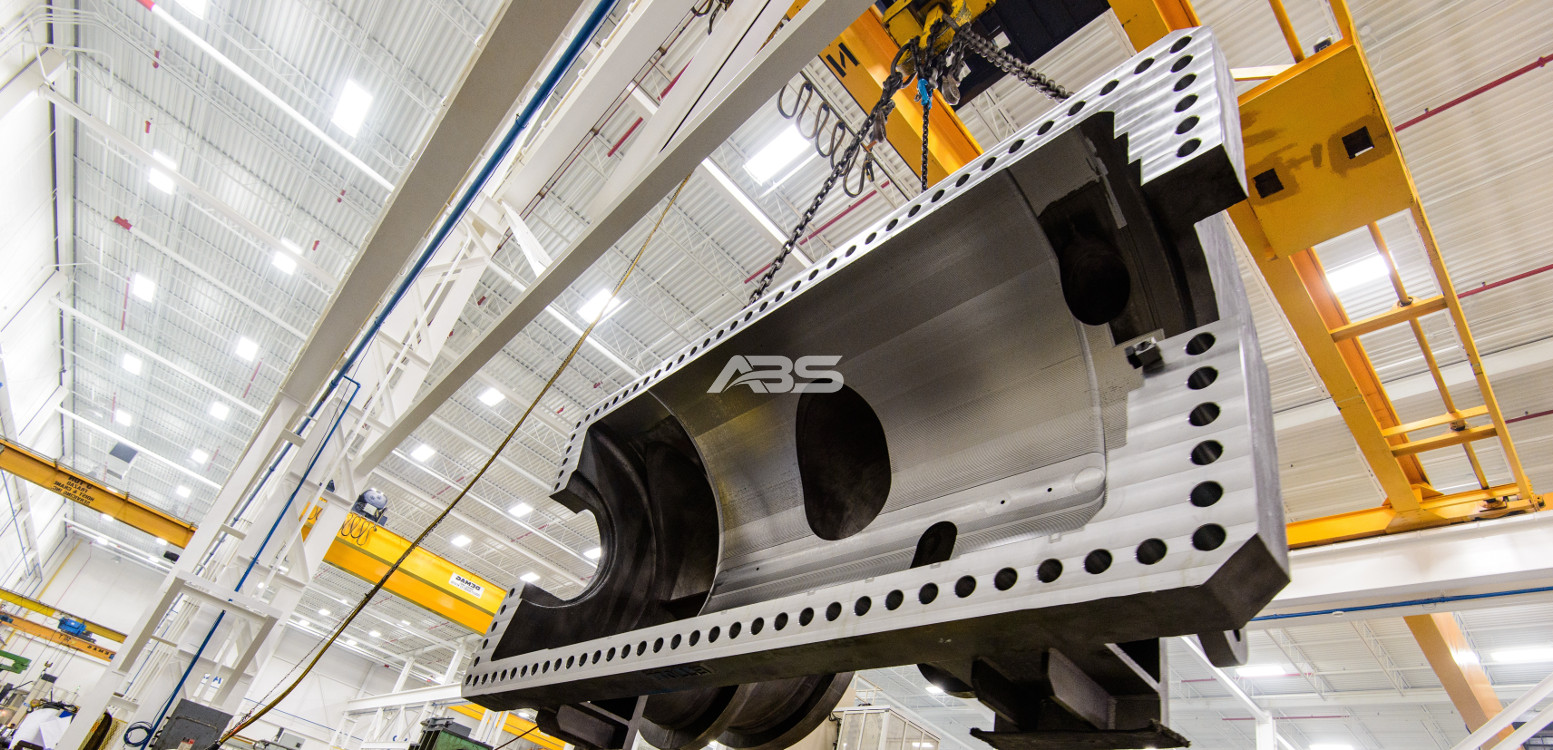
Looking for high-precision machining with tight tolerances and excellent surface finish? ABS precision machining services are available at Honyo Prototype, with advanced CNC capabilities and strict quality control.
Our manufacturing facility is located in Shenzhen, leveraging state-of-the-art equipment and experienced engineering support to deliver consistent, high-quality components for prototyping and low-to-mid volume production.
Contact Susan Leo for project inquiries, material specifications, or quotes.
Email: [email protected]
Let’s discuss how we can support your next precision machining project with reliable, fast-turn, and accurate manufacturing solutions.
🚀 Rapid Prototyping Estimator
Estimate rough cost index based on volume.