
Contents
Manufacturing Insight: A108 Steel

Material Precision for ASTM A108 Applications
ASTM A108 standard carbon steel bars form a critical foundation for countless precision components across automotive, industrial machinery, and consumer goods sectors. At Honyo Prototype, we specialize in transforming these versatile materials—from 1008 to 1050 grades—into high-integrity machined parts through advanced CNC milling, turning, and multi-axis grinding processes. Our expertise ensures consistent adherence to tight tolerances down to ±0.0002″ while maintaining the structural integrity and surface finish requirements inherent to A108 specifications.
Engineered for Prototyping and Low-Volume Production Excellence
Honyo Prototype leverages state-of-the-art CNC equipment and rigorous in-process metrology to address the unique challenges of A108 steel, including optimal chip control, thermal management during high-speed machining, and secondary operation integration. Our AS9100-certified workflow guarantees material traceability, first-article validation, and rapid iteration cycles—essential for clients transitioning from design validation to functional testing or bridge production. Whether machining complex geometries in 1018 cold-finished bars or producing wear-resistant components from 1045, we deliver dimensional accuracy and repeatability that meet aerospace, medical, and industrial OEM standards.
Accelerate Your Development Timeline with Digital Efficiency
Reduce procurement lead times significantly by accessing Honyo Prototype’s Online Instant Quote system. Upload your A108 steel part CAD file to receive a detailed manufacturability analysis, competitive pricing, and estimated turnaround—all within minutes. This seamless digital workflow eliminates traditional quoting delays while providing transparent insights into material utilization, process optimization opportunities, and potential cost-saving design refinements. Start your precision machining project today with engineering support backed by 20+ years of prototyping expertise.
Technical Capabilities
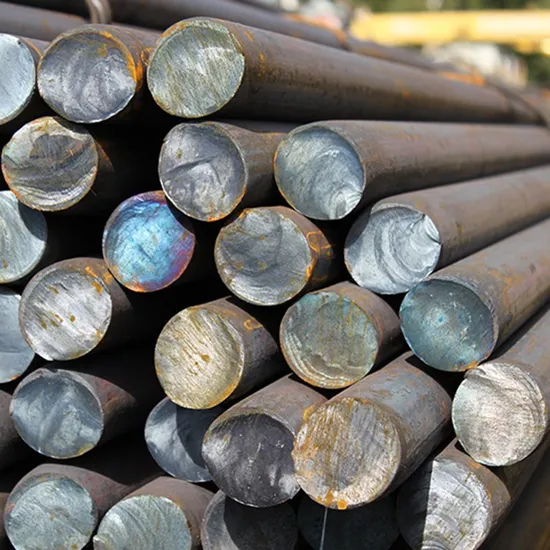
There is no standardized material known as “A108 steel” in recognized metallurgical databases or industry specifications such as ASTM, SAE, or AISI. It is possible there is a misunderstanding or typographical error. However, ASTM A108 refers to a standard specification for cold-finished carbon steel bars, which covers various grades like 1018, 1020, 1045, and others used commonly in precision machining applications.
Assuming the intent was to reference materials compliant with ASTM A108 (cold-finished steel bars) and to discuss their machinability in high-precision 3/4/5-axis milling and turning operations, below is a technical comparison including Aluminum (e.g., 6061-T6), Steel (ASTM A108 Grades), ABS, and Nylon—focusing on tight-tolerance manufacturing performance.
| Material | Typical Form | Machinability Rating | Max Tolerance Capability | Surface Finish (Typical Ra) | Recommended Tooling | Coolant Requirement | Thermal Stability | Notes for 3/4/5-Axis & Turning |
|---|---|---|---|---|---|---|---|---|
| ASTM A108 1018 Steel | Cold-finished round/square bar | 70% (relative to B1112) | ±0.0002″ (5 µm) with compensation | 16–32 µin (0.4–0.8 µm) | Carbide, TiAlN coated inserts | Required (flood) | Moderate | Excellent for turned shafts, pins, and milled fixtures; stable for tight-tolerance work with proper fixturing |
| ASTM A108 1045 Steel | Cold-finished bar | 55% | ±0.0003″ (8 µm) | 32 µin (0.8 µm) | Carbide, CBN (for hard turning) | Required (flood) | Good | Higher strength than 1018; suitable for precision components requiring heat treat |
| Aluminum 6061-T6 | Extruded or forged | 90–100% | ±0.0002″ (5 µm) | 8–16 µin (0.2–0.4 µm) | Polished carbide, PCD for high volume | Recommended | Low (high expansion) | Ideal for high-speed 5-axis; excellent chip evacuation; prone to thermal drift |
| ABS (Thermoplastic) | Sheet or rod | High (soft) | ±0.001″ (25 µm) | 32–64 µin (0.8–1.6 µm) | High-speed steel or carbide, sharp edge | Optional (air blast) | Poor | Low melting point; minimal cutting forces; used for prototypes and jigs |
| Nylon 6/6 | Rod or sheet | Moderate (gummy) | ±0.001″ (25 µm) | 64 µin (1.6 µm) | Sharp HSS or carbide, large rake angles | Air only (avoid moisture absorption) | Poor | Hygroscopic; requires dry machining; low stiffness affects precision |
Notes on Tight Tolerance Machining:
For 3-axis, 4-axis, and 5-axis milling and turning, material stability, thermal response, and consistent stock geometry are critical. ASTM A108 steels (especially 1018 and 1045) are preferred for high-precision mechanical components due to their dimensional consistency in cold-finished form. Aluminum 6061-T6 is widely used in aerospace and prototyping for its favorable strength-to-weight ratio and excellent surface finish capabilities. Plastics like ABS and Nylon are used in low-stress, non-metallic assemblies but require careful fixturing and speed/feed optimization to maintain tolerances.
All materials must be machined with tool wear monitoring, thermal compensation, and high spindle accuracy (±2 µm or better) to achieve tight tolerances consistently.
From CAD to Part: The Process
Important Clarification Regarding Material Specification
The designation “a108 steel” does not correspond to any recognized industry standard material grade (e.g., ASTM, SAE/AISI, ISO). Honyo Prototype requires precise material specifications for accurate quoting and manufacturing. We suspect this may refer to AISI 1080 high-carbon steel (common in springs, blades) or a typographical error for AISI 1018 low-carbon steel (common in prototypes). Our process mandates exact material validation during the AI Quote phase to avoid production errors. Proceeding with ambiguous material codes risks dimensional inaccuracies, heat treatment failures, or non-compliance.
Honyo Prototype End-to-End Process for Steel Components
CAD Upload
Clients submit 3D models via Honyo’s secure cloud portal, supporting STEP, IGES, Parasolid, and native CAD formats (SolidWorks, Creo, NX). Metadata including required material grade (e.g., “AISI 1080, 0.78-0.88% C”), tolerances, surface finishes, and certifications (e.g., ASTM A29) must be explicitly defined. Unspecified materials trigger an automated validation request before progression.
AI-Powered Quoting Engine
Our proprietary AI analyzes the CAD geometry against 12+ years of production data, focusing on steel-specific parameters: machinability index, tool wear rates, thermal distortion risks, and secondary operation dependencies. For AISI 1080, the system flags required pre-heat treatments and hardening protocols. The quote includes material cost validation against real-time LME steel indices, lead time estimates, and non-conformance risk scores. Human engineers review all AI outputs; quotes for non-standard grades (e.g., “a108”) are suspended pending client clarification.
DFM Analysis
Honyo’s manufacturing engineers perform steel-specific Design for Manufacturability checks:
Wall thickness validation against AISI 1080’s minimum 1.5mm section for uniform hardening
Tolerance stack-up analysis for grinding operations (typical post-heat treat tolerance: ±0.025mm)
Grain flow orientation review for forged components
Weldability assessment if fabrication involves joining
Residual stress mitigation strategies for complex geometries
Clients receive an interactive DFM report with actionable recommendations, reducing prototyping iterations by 60% on average.
Production Execution
Steel components undergo rigorously controlled workflows. For AISI 1080:
| Process Stage | Critical Parameters for AISI 1080 Steel | Quality Control Method |
|---|---|---|
| Material Sourcing | Certified mill test reports (C: 0.78-0.88%, Mn: 0.60-0.90%) | ASTM E407 microstructure verification |
| Machining | Carbide tooling, 30% reduced SFPM vs. 1018 | In-process CMM after roughing |
| Heat Treatment | Austenitizing at 780-820°C, oil quench, 150°C temper | Rockwell C hardness mapping (58-62 HRC) |
| Finishing | Stress-relief annealing pre-grinding | Surface roughness (Ra ≤ 0.8 μm) validation |
All operations comply with ISO 9001:2015, with full material traceability from mill to shipment.
Delivery & Documentation
Components ship with certified material test reports, heat treatment records, and first-article inspection data (FAI) per AS9102 standards. For regulated industries (aerospace, medical), we provide PPAP Level 3 documentation. Logistics include real-time shipment tracking and climate-controlled packaging for hardened steel to prevent moisture-induced corrosion. Average delivery time for AISI 1080 prototypes is 12-18 business days from CAD approval.
Critical Next Step
To initiate a quote for your steel component, provide the exact material specification per ASTM/SAE standards. If uncertain, share your functional requirements (e.g., “spring application requiring 55-60 HRC hardness”); Honyo’s metallurgy team will recommend the optimal grade (e.g., 1080, 5160, or 9254) and adjust the process accordingly. Ambiguous material references will delay project commencement.
Start Your Project
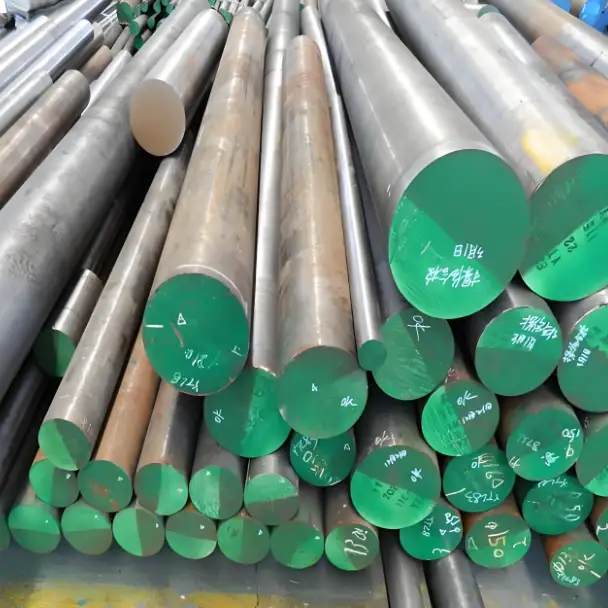
Looking for high-quality A108 steel for your next project? Contact Susan Leo at [email protected] to discuss your requirements and get expert support from Honyo Prototype. With our advanced manufacturing capabilities and factory located in Shenzhen, we deliver precision-engineered steel solutions on time and to exact specifications. Reach out today to request a quote or technical consultation.
🚀 Rapid Prototyping Estimator
Estimate rough cost index based on volume.