
Contents
Manufacturing Insight: 5052 Custom Fab
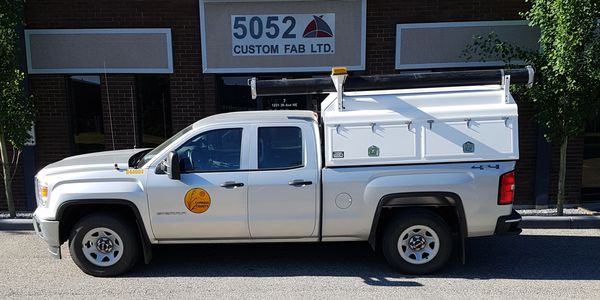
Precision 5052 Aluminum Fabrication Through Advanced CNC Machining
Honyo Prototype delivers exceptional custom fabrication for 5052 aluminum alloy, leveraging state-of-the-art CNC machining capabilities to meet stringent industrial requirements. This non-heat-treatable alloy is prized for its superior corrosion resistance, weldability, and moderate strength, making it ideal for marine components, pressure vessels, and transportation applications where reliability in harsh environments is non-negotiable. Our engineering team optimizes every stage of production, from material selection to final inspection, ensuring tight tolerances down to ±0.005 mm and flawless surface finishes that adhere to ASTM B209 standards.
Our integrated CNC machining process utilizes multi-axis mills and lathes equipped with high-speed spindles and precision tooling, enabling complex geometries and critical feature accuracy for low-to-mid volume production runs. We specialize in overcoming 5052 aluminum’s unique challenges—including work hardening and thermal sensitivity—through proprietary cutting strategies and real-time process monitoring. This technical rigor guarantees dimensional stability and structural integrity, directly supporting your prototyping and bridge production needs without compromising on quality or lead time.
Accelerate your project timeline with Honyo Prototype’s Online Instant Quote system. Submit 3D CAD files in STEP, IGES, or native formats to receive a detailed, no-obligation quotation within hours—not days. The platform provides transparent cost breakdowns, material utilization analysis, and manufacturability feedback, empowering rapid decision-making. No login is required, and all data is secured under ISO 27001 protocols. Begin your 5052 fabrication project with engineering precision and operational efficiency today.
Technical Capabilities
Technical specifications for the ‘5052 Custom Fab’ manufacturing service are optimized for high-precision CNC fabrication using 3, 4, and 5-axis milling as well as CNC turning operations. The process supports tight tolerance requirements and is compatible with a range of engineering materials including Aluminum 5052, various steels, ABS, and Nylon. Below is a detailed breakdown of the technical capabilities.
| Parameter | Specification |
|---|---|
| Machining Processes | 3-Axis Milling, 4-Axis Indexing, 5-Axis Simultaneous Milling, CNC Turning |
| Tolerance Capability | ±0.005 mm (±0.0002″) for critical features; standard tolerance ±0.025 mm |
| Surface Finish (Milling) | As-machined: 3.2 µm (125 µin); Optional polishing, anodizing, or coating |
| Surface Finish (Turning) | As-machined: 1.6–3.2 µm (63–125 µin) |
| Maximum Work Envelope | Milling: 1000 x 600 x 500 mm (39.4 x 23.6 x 19.7 in); Turning: Ø400 x 600 mm |
| Tooling Capability | High-speed steel and carbide end mills; live tooling for mill-turn operations |
| Positioning Accuracy | ±0.005 mm per axis |
| Repeatability | ±0.003 mm |
| Supported Materials | Aluminum 5052, Mild Steel, Stainless Steel (304, 316), ABS, Nylon (6 & 66) |
| Material Forms | Plate, bar stock, tube (based on geometry and process) |
| Fixturing | Custom soft jaws, vacuum tables, modular fixturing for complex geometries |
| Inspection Support | CMM, optical comparators, surface roughness testers, first-article inspection |
Aluminum 5052 is particularly well-suited for this process due to its excellent formability, corrosion resistance, and weldability, making it ideal for marine, aerospace, and industrial enclosures. Steel variants are used for high-strength applications requiring durability. ABS and Nylon are processed with optimized feeds and speeds to maintain dimensional stability and surface integrity, especially in tight-tolerance components for prototyping or low-volume production.
All parts undergo in-process and final inspection to ensure compliance with geometric dimensioning and tolerancing (GD&T) requirements. The 5-axis capability allows for complex organic shapes and reduced setup次数, improving accuracy and reducing lead time.
From CAD to Part: The Process
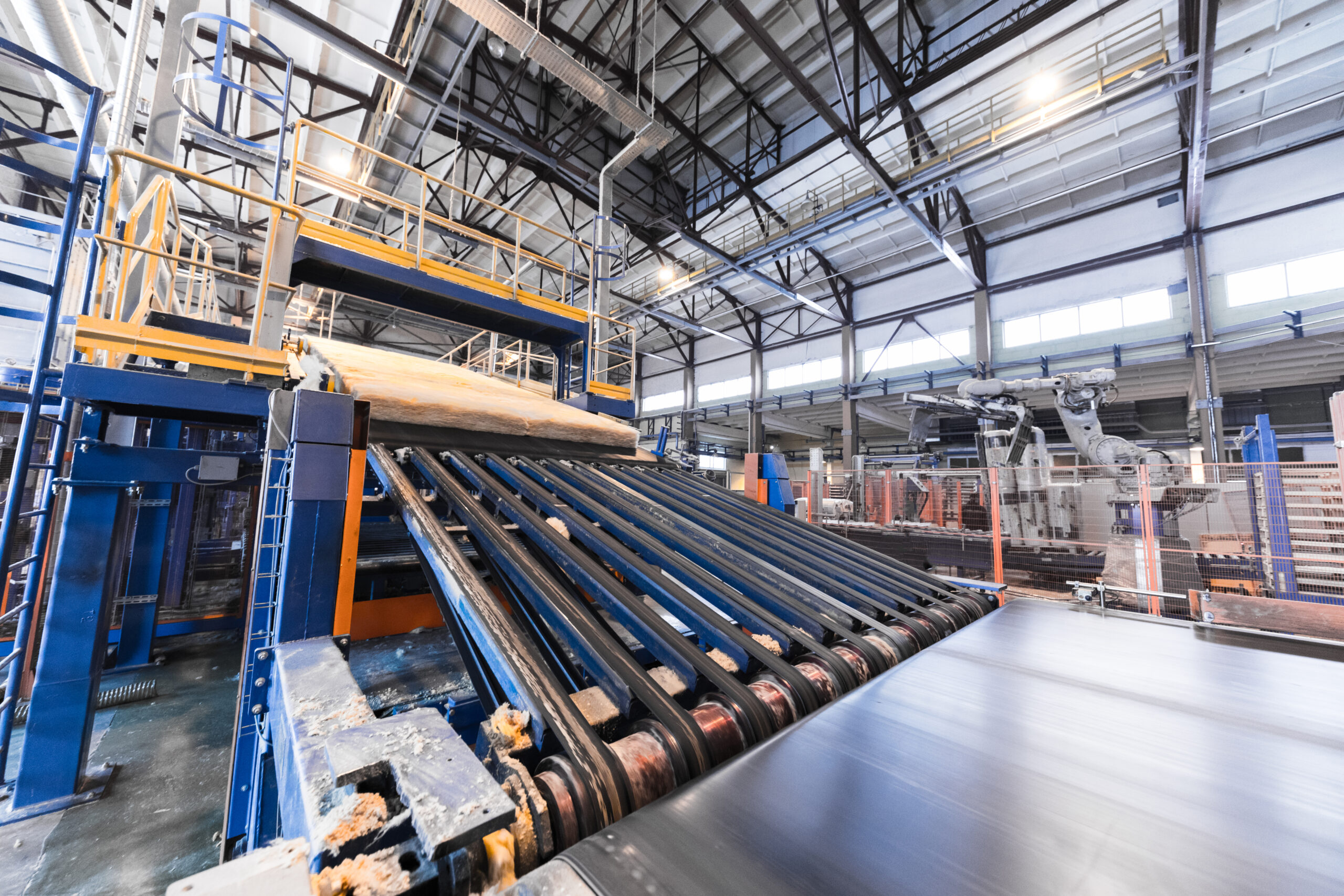
Honyo Prototype’s 5052 aluminum custom fabrication process is engineered for precision, speed, and material-specific optimization. This alloy requires specialized handling due to its moderate strength, excellent corrosion resistance, and unique formability characteristics compared to other aluminum grades. Our streamlined workflow ensures technical rigor while minimizing lead time, specifically tailored for 5052’s properties such as its lower springback and susceptibility to surface marking during bending.
Upload CAD
Clients initiate the process by uploading detailed CAD files (STEP, IGES, or native formats) via our secure portal. For 5052 aluminum, we specifically verify critical parameters including material specification (e.g., 5052-H32), wall thickness consistency, and feature geometry that may challenge this alloy’s moderate formability. Our system immediately checks for unsupported formats or missing metadata, ensuring all tolerances, surface finish requirements, and critical dimensions align with 5052’s capabilities. Early validation prevents downstream delays, particularly for features like tight bends where 5052 requires larger minimum bend radii than 6061.
AI Quote
Our proprietary AI engine analyzes the CAD geometry against real-time material costs, machine availability, and 5052-specific manufacturing constraints. The algorithm factors in alloy-specific variables such as:
Increased scrap rates due to 5052’s lower tensile strength affecting nesting efficiency
Tooling wear considerations for its higher magnesium content
Default bend allowance adjustments (typically 0.45T vs. 0.63T for 6061)
The resulting quote includes granular cost breakdowns for material, forming, and secondary operations, with clear annotations where design choices impact cost or lead time for 5052. Quotes are generated in under 2 hours, highlighting any immediate red flags like non-weldable joint designs or anodizing limitations inherent to 5052.
DFM (Design for Manufacturability)
A dedicated manufacturing engineer conducts a rigorous 5052-focused DFM review within 72 hours. This phase addresses alloy-specific risks that automated systems may miss, using our internal knowledge base of 5052 fabrication best practices. Key considerations include:
| Parameter | 5052-Specific Requirement | Risk if Ignored |
|---|---|---|
| Bend Radius | Minimum 1.5x material thickness | Cracking at bend apex due to lower ductility |
| Hole Placement | ≥2T from bend lines | Distortion during forming causing hole misalignment |
| Welding Prep | Pre-heating to 150°C for thick sections | Hot cracking from magnesium vaporization |
| Surface Handling | Non-marring clamps/tooling | Visible marking from alloy’s soft surface |
The DFM report provides actionable recommendations, such as modifying flange lengths to accommodate 5052’s greater springback or suggesting mechanical fastening alternatives where welding integrity is marginal. Clients receive annotated 3D markups and a collaborative revision portal to approve changes before production.
Production
Approved designs move to our dedicated aluminum cell where 5052-specific protocols are enforced:
Laser cutting uses nitrogen assist gas to prevent oxidation on the magnesium-rich surface
Press brakes employ polished tooling with reduced tonnage settings to avoid surface marring
All operators follow temper-specific handling procedures (H32 vs. O-temper) for forming
In-process CMM checks verify bend angles within ±0.5° to counter 5052’s variable springback
We maintain ISO 9001-certified traceability for each lot, including mill certificates and real-time production data accessible via client portal. Secondary operations like chamfering or deburring are optimized to prevent edge galling—a known issue with 5052.
Delivery
Finished parts undergo final QA against AS9100-compliant checklists, including visual inspection for surface defects unique to 5052 (e.g., stretcher strains). Packaging uses anti-corrosion VCI paper to protect against galvanic corrosion during shipment. Standard lead time is 5–7 business days from DFM sign-off, with real-time logistics tracking. Every shipment includes material test reports, first-article inspection data, and a DFM closure summary confirming all 5052-specific recommendations were implemented. This closed-loop process ensures consistent quality for high-value prototypes where material behavior directly impacts functional performance.
Start Your Project
Looking for high-quality 5052 aluminum custom fabrication? Honyo Prototype delivers precision sheet metal services with fast turnaround, supporting low to medium volume production. Our in-house manufacturing facility in Shenzhen ensures tight tolerances, consistent quality, and cost-effective solutions for your custom parts.
For project inquiries or quotes, contact Susan Leo at [email protected]. Let us bring your fabrication requirements to life with engineering-grade accuracy and responsive service.
🚀 Rapid Prototyping Estimator
Estimate rough cost index based on volume.