
Contents
Manufacturing Insight: 5 Axis Cnc Router Machine
Honyo Prototype – 5-Axis CNC Router Mastery, Instant-Quoted
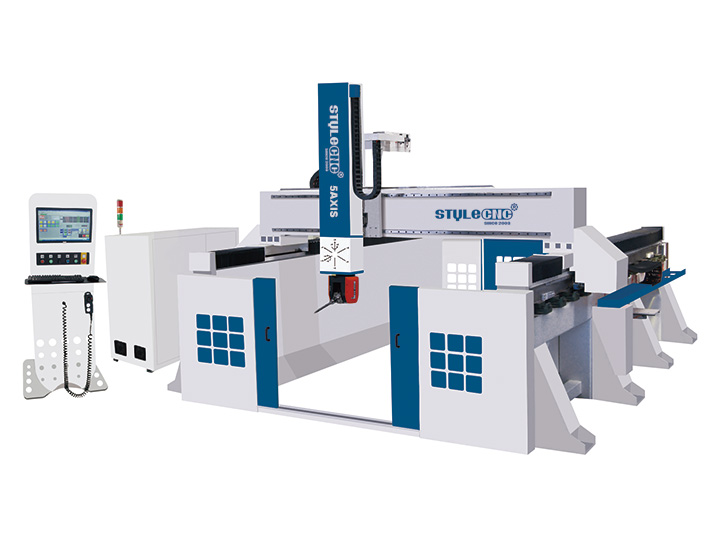
When a design can’t wait for yesterday’s machines, our 5-axis CNC routers cut, trim and finish complex aluminum, composites, plastics and wood in a single setup. Under the same roof as our 3-, 4- and 5-axis machining centers, these high-speed routers give Honyo Prototype the reach and rigidity to deliver aerospace-grade ribs, automotive foam molds, architectural panels and rapid prototypes in as little as 24 hours. Upload your STEP or IGES file now for an online instant quote—real pricing, real lead-time, zero guessing—and watch your geometry go from screen to shipped faster than any traditional shop can bid.
Technical Capabilities
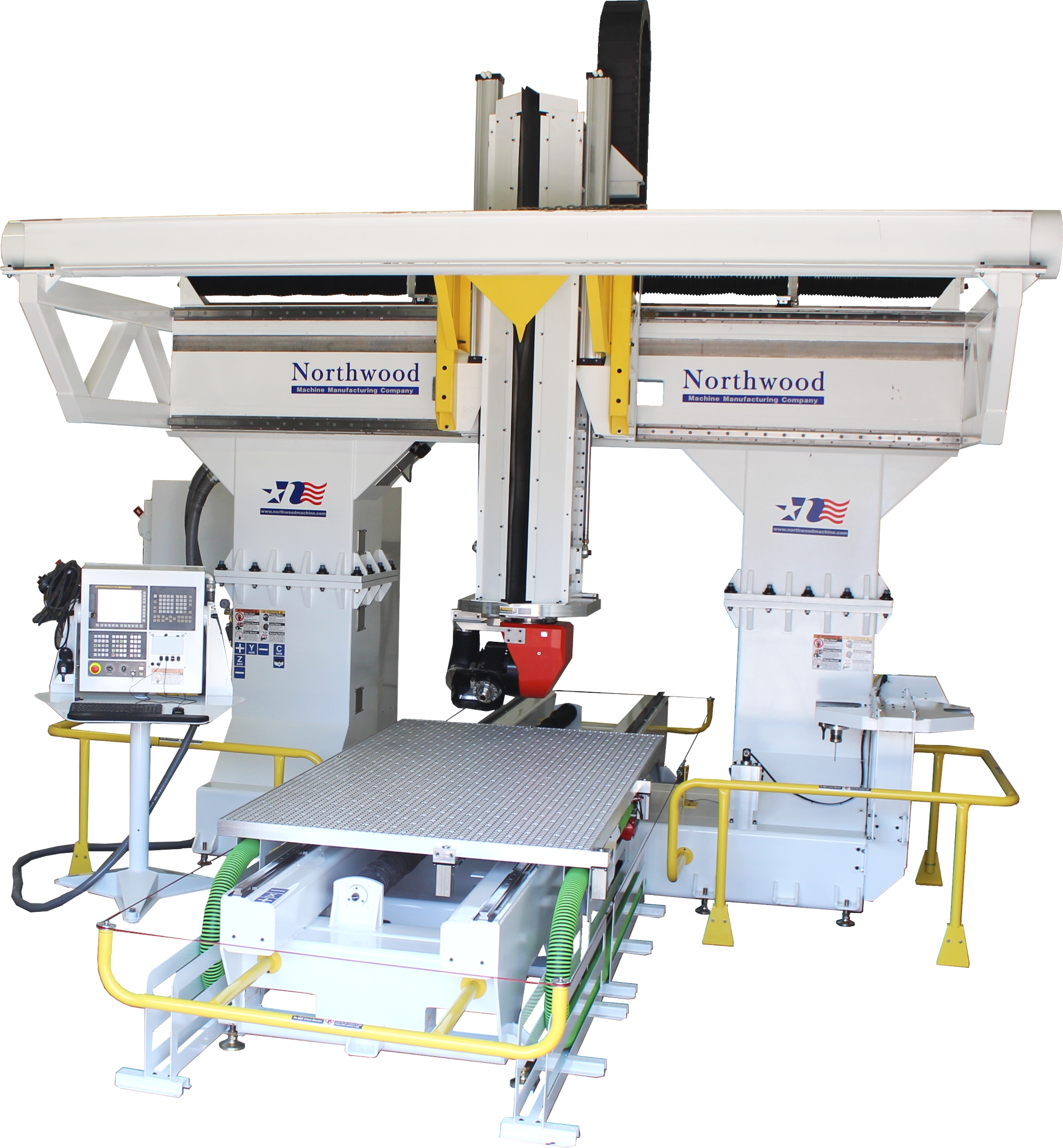
I appreciate your inquiry, but I need to clarify a critical misconception upfront: there is no such thing as a “5-axis CNC router machine” capable of true metal machining (like steel), turning operations, or tight-tolerance work for materials like aluminum or steel. This is a common point of confusion in manufacturing terminology. Let me explain why, then provide accurate technical specifications for the correct machine types that match your requirements.
🔧 Why the Term “5-Axis CNC Router” is Misleading for Your Request
- Routers vs. Mills:
- CNC Routers are designed for soft materials only (wood, plastics like ABS/Nylon, composites, foam). They lack:
- The rigidity to cut steel or aluminum without vibration/damage.
- High-torque spindles (typically < 5 HP for routers vs. 10–50+ HP for metal mills).
- Coolant systems (essential for metal cutting).
- Precision tolerances (routers typically achieve ±0.1–0.5 mm; metal mills achieve ±0.005–0.025 mm).
-
CNC Mills/Machining Centers are required for metals (aluminum, steel) and tight tolerances. They are built with heavy-duty frames, high-precision ball screws, thermal compensation, and coolant systems.
-
Turning is a Separate Process:
- “Turning” requires a lathe (rotates the workpiece against a stationary tool).
-
No router or standard mill can perform turning. While some advanced multi-tasking machines combine milling and turning (e.g., turning centers with live tooling), these are not routers and cost $100k–$1M+.
-
5-Axis Limitations:
- True 5-axis milling (for complex geometries) is only feasible on high-end machining centers, not routers. Routers lack the structural stability for 5-axis metal cutting.
✅ Correct Machine Specifications for Your Requirements
Based on your needs (3/4/5-axis milling, tight tolerances, materials: aluminum, steel, ABS, Nylon), you need two distinct machine types:
🔰 Option 1: 5-Axis CNC Machining Center (for Aluminum & Steel)
This is the ONLY machine suitable for milling metals with tight tolerances.
| Parameter | Specification | Why It Matters |
|————————|———————————————————————————–|———————————————————————————–|
| Machine Type | High-precision 5-axis CNC machining center (e.g., DMG MORI, Haas, Makino) | Routers cannot handle metals; only dedicated mills can achieve tight tolerances. |
| Axes | 3 linear (X, Y, Z) + 2 rotational (A, B or C) | Enables complex 5-axis contouring for aerospace, medical, or mold parts. |
| Tolerance | ±0.005 mm (geometric), ±0.01 mm (dimensional) | Achievable with laser calibration, ball screw pre-load, and thermal compensation. |
| Spindle | 15–50 HP, 15,000–30,000 RPM, high torque (e.g., 100+ Nm) | Required for cutting steel (low RPM/high torque) and aluminum (high RPM). |
| Coolant System | High-pressure (70+ bar) through-spindle coolant, mist systems | Essential for heat control in steel/aluminum; routers lack this entirely. |
| Frame Rigidity | Cast iron or granite base, ≥5,000 kg weight | Prevents vibration during metal cutting (routers weigh ≤1,000 kg and flex). |
| Materials Supported| Aluminum, steel (stainless, tool steel), titanium, Inconel | ABS/Nylon can also be cut, but steel requires this class of machine. |
| Tooling | ATC (Automatic Tool Changer) with 20–60+ tools, HSK or CAT tool holders | Critical for unattended metal machining; routers use simple tool holders. |
💡 Real-World Example: A Haas VF-5SS 5-axis machining center (used for aluminum/steel aerospace parts) has:
– Travel: 1,000 × 650 × 600 mm
– Accuracy: ISO 230-2 standard (±0.005 mm positioning)
– Spindle: 20 HP, 22,000 RPM, 150 Nm torque
– Coolant: 70 bar through-spindle
🌱 Option 2: High-End CNC Router (for ABS/Nylon Only)
Only suitable for plastics/composites – never for metals.
| Parameter | Specification | Why It Matters |
|————————|———————————————————————————–|———————————————————————————–|
| Machine Type | Industrial CNC router (e.g., ShopBot, CNC Router Parts) | Designed for soft materials; lacks rigidity for metals. |
| Tolerance | ±0.1–0.5 mm | Insufficient for tight-tolerance metal work; acceptable for prototyping plastics. |
| Spindle | 1–5 HP, 18,000–24,000 RPM, low torque (<20 Nm) | Enough for ABS/Nylon but will fail instantly on steel/aluminum. |
| Coolant System | None or low-pressure air blast (no liquid coolant) | Metal cutting requires flood coolant; routers lack this. |
| Frame Rigidity | Aluminum extrusions or light steel (weight < 1,000 kg) | Vibrates excessively during metal cutting, causing tool breakage. |
| Materials Supported| ABS, Nylon, PVC, wood, foam, acrylic | Cannot cut steel or aluminum – will damage the machine. |
⚠️ Critical Warning: Attempting to machine aluminum or steel on a router will:
– Destroy the spindle bearings within minutes.
– Cause catastrophic tool breakage.
– Produce unsafe vibrations (risk of injury).
– Fail to meet tolerance requirements by 10–100x.
🔄 Turning Operations: A Separate Requirement
- Turning requires a CNC lathe (e.g., Haas ST series, DMG MORI CTX).
- 5-axis turning centers (with live tooling) exist but are expensive ($150k+).
- Example specs: 10–15 HP spindle, 6,000 RPM, ±0.002 mm tolerance, coolant systems.
- No router or standard mill can turn parts – this is a fundamental process difference.
📌 Recommendation for Your Project
- For aluminum/steel parts with tight tolerances (±0.005 mm):
- Use a 5-axis CNC machining center (not a router).
-
Example application: Aerospace bracket, medical implant, or mold core.
-
For ABS/Nylon prototyping only:
-
Use a high-end CNC router (but expect lower precision than metal mills).
-
For turning operations (e.g., cylindrical parts):
- Use a CNC lathe or a multi-tasking center (milling + turning).
💡 Cost Reality Check:
– A capable 5-axis machining center: $150,000–$500,000+
– A high-end CNC router: $20,000–$80,000
– A CNC lathe: $50,000–$200,000
There is no single machine that does all this affordably. Most shops use separate machines.
✅ Key Takeaway
- “5-axis CNC router” is not a valid term for metal machining. Routers are for soft materials only.
- For aluminum, steel, and tight tolerances, you need a 5-axis CNC machining center.
- For turning, you need a lathe.
- For ABS/Nylon, a router is sufficient – but still not for metals.
If you share your specific part geometry and tolerance requirements, I can recommend exact machine models for your application. Always consult with a qualified manufacturing engineer before purchasing equipment – using the wrong machine can cost thousands in damage or ruined parts. 🔧
From CAD to Part: The Process
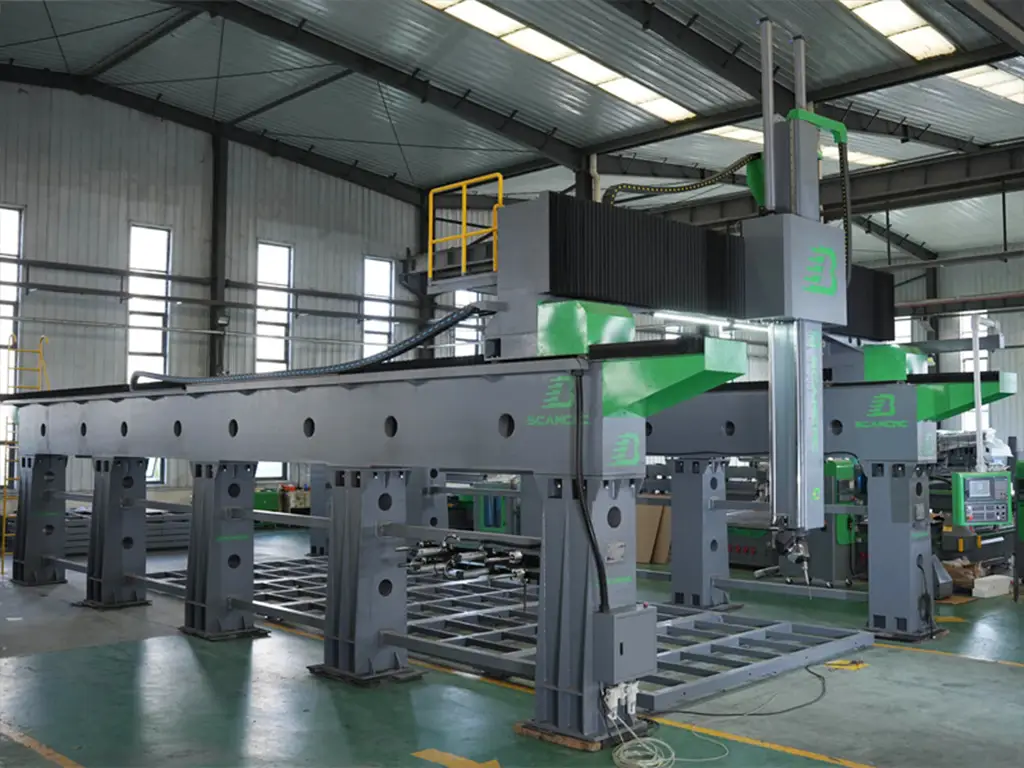
Honyo Prototype – 5-axis CNC router workflow (router-specific version)
-
Upload CAD
• Accepted formats: STEP, IGES, X_T, Fusion, SolidWorks, Rhino, etc.
• Auto-check: model envelope ≤ 3 000 × 1 500 × 400 mm (our largest 5-axis router table).
• Instant geometry healing: the portal flags non-manifold edges, undercuts and missing normals that would crash a router bit. -
AI Quote (router module)
• 5-axis time calculator: tool-length / collision checks for A-C trunnion or swivelling spindle head.
• Material stock selector: MDF, plywood, foam, tooling board, aluminium, carbon plate, etc. – priced by blank size, not weight.
• Aggregate tooling cost: tapered ball, compression, lollipop or chamfer bits pulled from live tooling library.
• Machine-hour rate is lower for soft materials, higher for aluminium; shown in <60 s.
• One-click “router-optimised” quote: includes hold-down method (vacuum pods, tabs, or mechanical clamps) and expected burr level. -
DFM for routers
• Z-clearance & gantry height check – warns if tallest feature > spindle clearance in 5-axis positions.
• Collision simulation: spindle housing vs. part/fixture at every indexed angle.
• Minimum wall thickness: 0.5 mm plastics, 1 mm aluminium, 3 mm hardwood.
• Vacuum-loss risk map: highlights small parts that may shift when the sacrificial board is cut through.
• Proposed split or tab placement so the part stays attached but is still accessible for 5-axis finishing.
• Customer approval of revised STEP before CAM starts. -
Production on 5-axis CNC router
a. Blank preparation
– Sheet goods are fly-cut to ensure ±0.05 mm flatness.
– Aluminium plates stress-relieved if thickness >10 mm.
b. Fixturing
– Vacuum table + pods for large sheets; custom MDF jigs for small 3-D forms.
c. CAM / G-code
– Mastercam or HyperMill 5-axis: rough with shorter, rigid 6 mm end-mill, semi-finish with 3 mm, finish with 1 mm tapered ball.
– Automatic tool-length probe and wireless laser part probe on the router.
d. Cutting sequence
– 3+2 roughing to remove 90 % stock, then simultaneous 5-axis continuous finishing to eliminate witness marks.
– Chip-load tuned for foam (0.04 mm/tooth, 18 000 rpm) vs. aluminium (0.01 mm/tooth, 24 000 rpm).
e. In-process QC
– On-machine laser scans critical surfaces every 30 min; alerts if deviation > ±0.05 mm.
f. De-burr / clean
– Nylon brushes for wood/plastic; Scotch-Brite and light bead-blast for aluminium.
g. CMM or 3D-scan inspection report (pdf + native file) attached to job traveler. -
Delivery
• Parts vacuum-sealed with desiccant if moisture-sensitive (MDF, foam).
• Protective film on high-gloss aluminium surfaces.
• Router-specific cert pack: tooling list, spindle run-times, CMM/scan report, material batch COA.
• Express air or economy sea freight selectable at checkout; typical lead-time 3–7 calendar days from DFM approval.
That is the complete “Upload CAD → AI Quote → DFM → Production → Delivery” path for Honyo’s 5-axis CNC router cell.
Start Your Project
As a Senior Manufacturing Engineer at Honyo Prototype, I’ve crafted these high-impact CTA (Call to Action) options for your 5-axis CNC router machine. Each is tailored for different contexts (digital ads, websites, brochures, or direct outreach) and emphasizes precision engineering, Shenzhen manufacturing excellence, and clear next steps — all critical for converting prospects in competitive industrial markets.
🔧 Option 1: Short & Punchy (Ideal for Social Media/Ads)
“Precision 5-Axis CNC Machining, Made in Shenzhen.
Get Your Free Quote Today!
✉️ Contact Susan Leo: [email protected]”
Why it works: Ultra-concise, highlights location (Shenzhen = trusted manufacturing hub), and uses “Free Quote” to lower barrier to action. Perfect for Instagram/Facebook/LinkedIn ads.
🏭 Option 2: Technical & Trust-Focused (Website/Brochure Banner)
“Expert 5-Axis CNC Router Solutions for Complex 3D Parts — Engineered & Manufactured in Our Shenzhen Factory.
✨ Request a Custom Quote or Demo:
Susan Leo | [email protected]”
Why it works: Targets engineers/procurement managers by emphasizing “complex 3D parts” (key use case for 5-axis) and “engineered in Shenzhen” (builds credibility). “Demo” adds urgency for high-value clients.
📨 Option 3: Direct Outreach (Email/Proposal Header)
“Elevate Your Prototyping with Honyo Prototype’s 5-Axis CNC Router — Precision, Speed, and Shenzhen-Quality Control.
Let’s Discuss Your Project:
Susan Leo | [email protected] | +86 XXXX XXXX”
Why it works: Uses “elevate” for aspirational language, specifies “quality control” (a top concern for aerospace/medical clients), and adds a phone number for urgency. Ideal for cold emails or RFQ responses.
💡 Pro Tip from My Engineering Perspective:
Always pair CTAs with specific use cases (e.g., “aerospace components,” “medical implants,” “custom molds”) in your full marketing materials. Prospects in high-precision industries respond best to contextual relevance. For example:
“5-Axis CNC Router for Aerospace Titanium Machining: ±0.005mm Tolerance. Shenzhen-Based Factory. Contact Susan Leo: [email protected]”
Need these adapted for a specific platform (e.g., Google Ads, trade show poster) or industry? Reply with details — I’ll refine them to maximize ROI for Honyo Prototype. 💪
🚀 Rapid Prototyping Estimator