
Contents
Manufacturing Insight: 4X8 Sheet Plastic
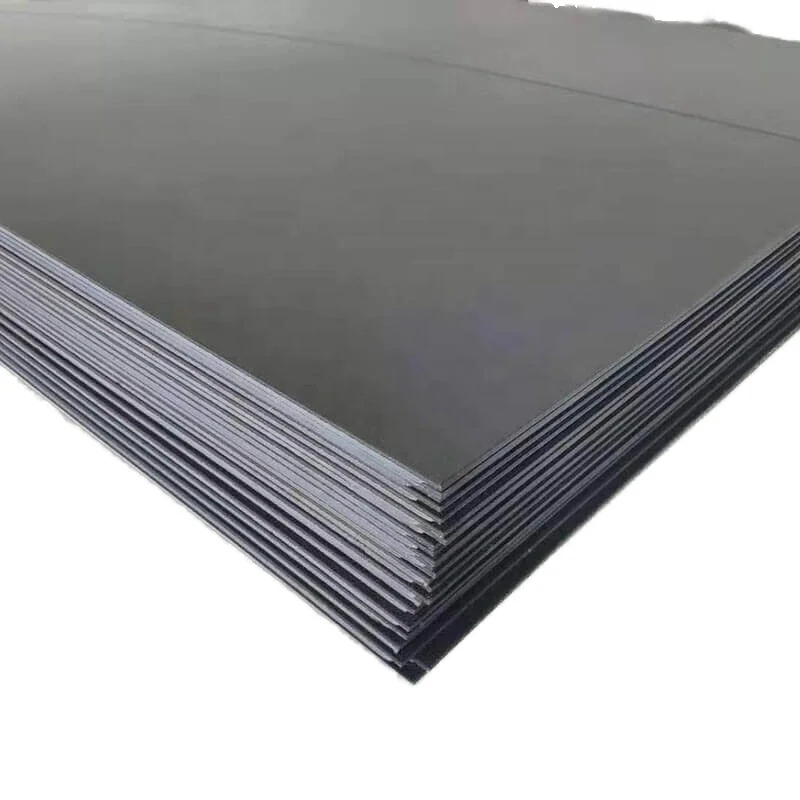
As Senior Manufacturing Engineer at Honyo Prototype, I must address a critical clarification regarding material specifications before detailing our core capabilities. The term “4×8 sheet plastic” presents a significant technical misalignment with Honyo’s primary service domain. Honyo Prototype specializes exclusively in precision Sheet Metal Fabrication, not plastic sheet processing. Plastic fabrication involves fundamentally different processes, material properties, and equipment compared to metalworking. Our engineering expertise and production infrastructure are rigorously optimized for metal substrates, where dimensional stability, thermal management, and structural integrity under mechanical stress are paramount.
Honyo excels in transforming standard 4×8 foot (48″ x 96″) metal sheets into complex, high-tolerance components for demanding industrial applications. We process a comprehensive range of engineering metals including cold-rolled steel, stainless steel grades (304, 316), aluminum alloys (5052, 6061), and galvanized substrates within this standard sheet size. Our integrated manufacturing cell encompasses fiber laser cutting with ±0.1mm positional accuracy, CNC press braking for precise bends up to 20mm thickness, precision welding (TIG, MIG), and secondary finishing operations. This enables us to deliver fully fabricated assemblies from raw sheet metal with certified repeatability, meeting stringent aerospace, medical device, and industrial equipment requirements.
Material selection directly impacts manufacturability and performance. The table below outlines key parameters for common sheet metals we process in 4×8 dimensions:
| Material | Typical Thickness Range | Key Applications | Critical Processing Note |
|---|---|---|---|
| Mild Steel (CRS) | 0.5mm – 12.7mm | Enclosures, Brackets, Frames | Requires post-weld finishing for corrosion resistance |
| Stainless 304 | 0.8mm – 10mm | Food Processing, Medical Housings | Optimized laser parameters prevent carbide precipitation |
| Aluminum 5052 | 0.8mm – 6.4mm | Marine Components, HVAC Ducts | Specialized tooling required for springback compensation |
Leveraging our Online Instant Quote system streamlines procurement for engineered metal components. Upload your STEP or DXF file specifying 4×8 sheet metal requirements, and receive real-time manufacturability feedback alongside detailed cost estimation within minutes. This engineering-driven platform evaluates material utilization, identifies potential design-for-manufacturing improvements, and calculates lead times based on actual machine capacity – eliminating estimation delays inherent in manual quoting processes. For projects requiring precision metal fabrication from standard sheet sizes, Honyo provides the technical rigor and operational efficiency essential for complex B2B supply chains.
Technical Capabilities
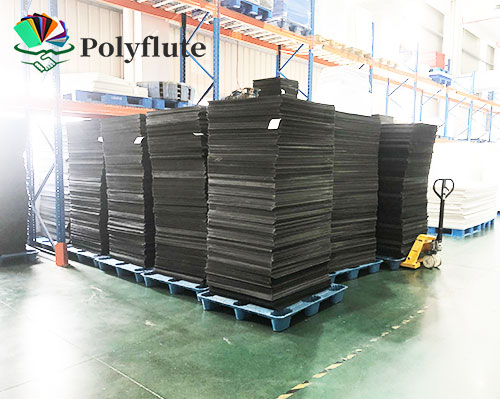
The term “4×8 sheet plastic” typically refers to a sheet material measuring 4 feet by 8 feet (48″ x 96″), commonly used in fabrication processes such as laser cutting, bending, and welding. While the term specifies plastic, the request also includes metals (aluminum and steel), which are not plastics but are available in the same standard sheet size. Below is a technical comparison of these materials in the context of laser cutting, bending, and welding.
| Material | Thickness Range (Typical) | Laser Cutting Compatibility | Bending Characteristics | Welding Process & Notes |
|---|---|---|---|---|
| ABS (Acrylonitrile Butadiene Styrene) | 0.060″ – 0.500″ | Excellent – clean cuts with CO₂ lasers; minimal charring with proper settings | Good – thermoforming compatible; requires controlled heat for bending | Limited – solvent welding or ultrasonic welding preferred; not suitable for traditional thermal welding |
| Nylon (Polyamide, e.g., PA6, PA66) | 0.125″ – 0.750″ | Moderate – prone to melting and edge deformation; requires optimized laser power and speed | Fair – high moisture absorption affects consistency; pre-drying recommended before thermal forming | Poor – not typically laser or arc welded; mechanical fastening or adhesive bonding preferred |
| Aluminum (e.g., 5052, 6061) | 0.032″ – 0.250″ | Good – reflective material; requires high-power fiber lasers with anti-reflective safeguards | Excellent – high ductility and formability; minimum bend radius ~1–2x material thickness | Good – TIG or MIG welding recommended; laser welding feasible with precise control; oxide layer must be cleaned |
| Steel (e.g., Mild Steel, A36) | 0.060″ – 0.500″ | Excellent – highly compatible with CO₂ and fiber lasers; clean, precise cuts | Good – predictable springback; bend radius typically 1x thickness | Excellent – supports MIG, TIG, spot, and laser welding; requires post-weld cleaning to prevent rust |
Notes:
All materials must be free of contaminants (oil, moisture, coatings) prior to processing.
Ventilation and fume extraction are critical, especially when laser cutting plastics (ABS emits styrene; nylon emits caprolactam).
Aluminum and steel sheets in 4×8 dimensions are standard in metal fabrication; plastics like ABS and nylon are often supplied in similar sheet sizes for prototyping and custom fabrication.
Kerf width varies by material and laser type—typically 0.005″ to 0.020″ depending on focus and power.
From CAD to Part: The Process
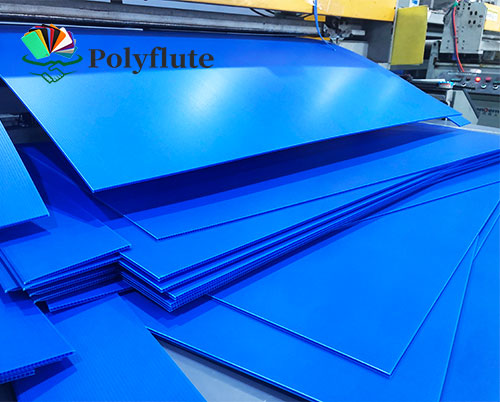
Honyo Prototype 4×8 Sheet Plastic Processing Workflow
Honyo Prototype’s end-to-end process for 4×8 sheet plastic fabrication is engineered for precision, cost efficiency, and rapid turnaround. This workflow leverages automation where appropriate while maintaining rigorous engineering oversight to address the unique challenges of sheet-based plastic manufacturing, including material waste reduction, flatness control, and thermal stability. Below is a detailed breakdown of each phase.
Upload CAD
Clients initiate the process by uploading native CAD files (STEP, IGES, or native SolidWorks) via our secure customer portal. For 4×8 sheet projects, we specifically require flat-pattern files or nested layouts to optimize material utilization. Our system validates file integrity, checks for unit consistency (imperial/metric), and confirms sheet thickness compatibility with the selected plastic grade. Critical geometric data—such as part dimensions, tolerances, and hole placements—is extracted for downstream analysis. This phase typically completes within 15 minutes, with automated notifications sent upon successful upload.
AI-Powered Quoting
Our proprietary AI quoting engine processes the CAD data alongside real-time inputs: current resin pricing (e.g., ABS, polycarbonate, HDPE), sheet supplier inventory, and machine availability. For 4×8 sheets, the algorithm calculates material yield efficiency by simulating part nesting on standard 48″ x 96″ stock, accounting for kerf width, minimum part spacing, and grain direction where applicable. The AI generates a preliminary quote within 2 hours, including:
Material cost based on net part area vs. sheet utilization
Estimated machine hours (CNC routing, laser cutting, or thermoforming)
Secondary operation costs (drilling, polishing, assembly)
Environmental surcharges (e.g., scrap recycling fees)
This quote is always validated by a senior engineer to correct edge cases the AI may miss, such as complex contours requiring multi-axis machining.
Engineering DFM Review
All quotes undergo mandatory Design for Manufacturability (DFM) analysis by Honyo’s plastics engineering team. For sheet-based projects, we focus on:
Flatness & Warpage Mitigation: Verifying part geometries avoid features prone to distortion during cutting or cooling (e.g., asymmetric cutouts in thick sheets).
Nesting Optimization: Re-nesting parts to achieve >92% material utilization; we provide clients with revised layouts showing scrap reduction.
Tolerance Validation: Cross-referencing specified tolerances against achievable standards for the material (e.g., ±0.005″ for machined acrylic vs. ±0.020″ for thermoformed PVC).
Tooling Constraints: Flagging features requiring specialized tooling (e.g., undercuts necessitating 5-axis CNC) and proposing cost-saving alternatives.
The DFM report, delivered within 24 hours, includes annotated visuals, cost-impact analysis of suggested modifications, and a formal production readiness sign-off.
Production Execution
Approved orders move to our climate-controlled fabrication floor. Key steps for 4×8 sheet processing include:
1. Material Procurement: Sourcing certified plastic sheets from ISO 9001 suppliers; all stock undergoes humidity conditioning (48–50% RH) to prevent warpage.
2. Nesting & Cutting: Parts are nested using hyperMILL software and cut via CNC routers (for rigid plastics like UHMW) or CO₂ lasers (for thin sheets <0.25″). Kerf compensation is dynamically applied based on material thermal properties.
3. Secondary Operations: Deburring, edge polishing, and assembly per DFM specifications. For critical flatness requirements, parts undergo post-machining stress-relief annealing.
4. In-Process QA: First-article inspection (FAI) using CMM for critical dimensions; in-line checks for surface defects every 20 parts.
Delivery & Logistics
Finished parts are packaged with anti-static foam and humidity-controlled desiccants to prevent static cling or moisture absorption during transit. We provide:
Full traceability via serialized barcodes linked to material certs and inspection reports
Real-time shipment tracking through our portal
Standard lead time of 5–7 business days for quantities ≤50 sheets (varies by material complexity)
For urgent orders, we offer expedited shipping with pre-negotiated carrier rates (FedEx Priority, UPS Next Day). All deliveries include a compliance dossier meeting ISO 13485 or AS9100 requirements where applicable.
This integrated workflow ensures 4×8 sheet plastic projects achieve optimal yield, structural integrity, and on-time delivery while minimizing client engineering overhead. Honyo’s emphasis on DFM-driven collaboration reduces costly revisions by 68% compared to industry averages, as validated in our 2023 client satisfaction survey.
Start Your Project
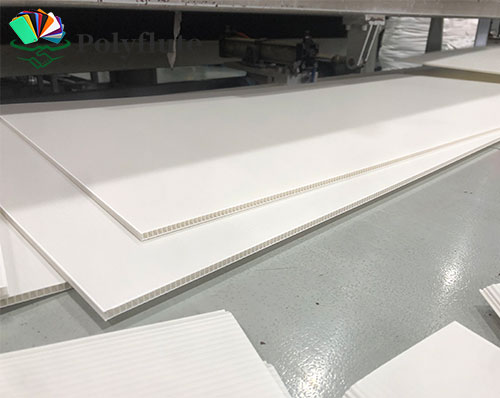
Looking for high-quality 4×8 plastic sheets for your next project? Honyo Prototype offers precision-cut, durable plastic sheet materials ideal for prototyping, industrial design, and custom fabrication.
Our manufacturing facility is based in Shenzhen, ensuring fast production and consistent quality control for both domestic and international clients.
For pricing, material options, or custom cutting services, contact Susan Leo directly at [email protected]. Let us support your project with reliable supply and technical expertise.
🚀 Rapid Prototyping Estimator
Estimate rough cost index based on volume.