
Contents
Manufacturing Insight: 3D Printers That Print Metal
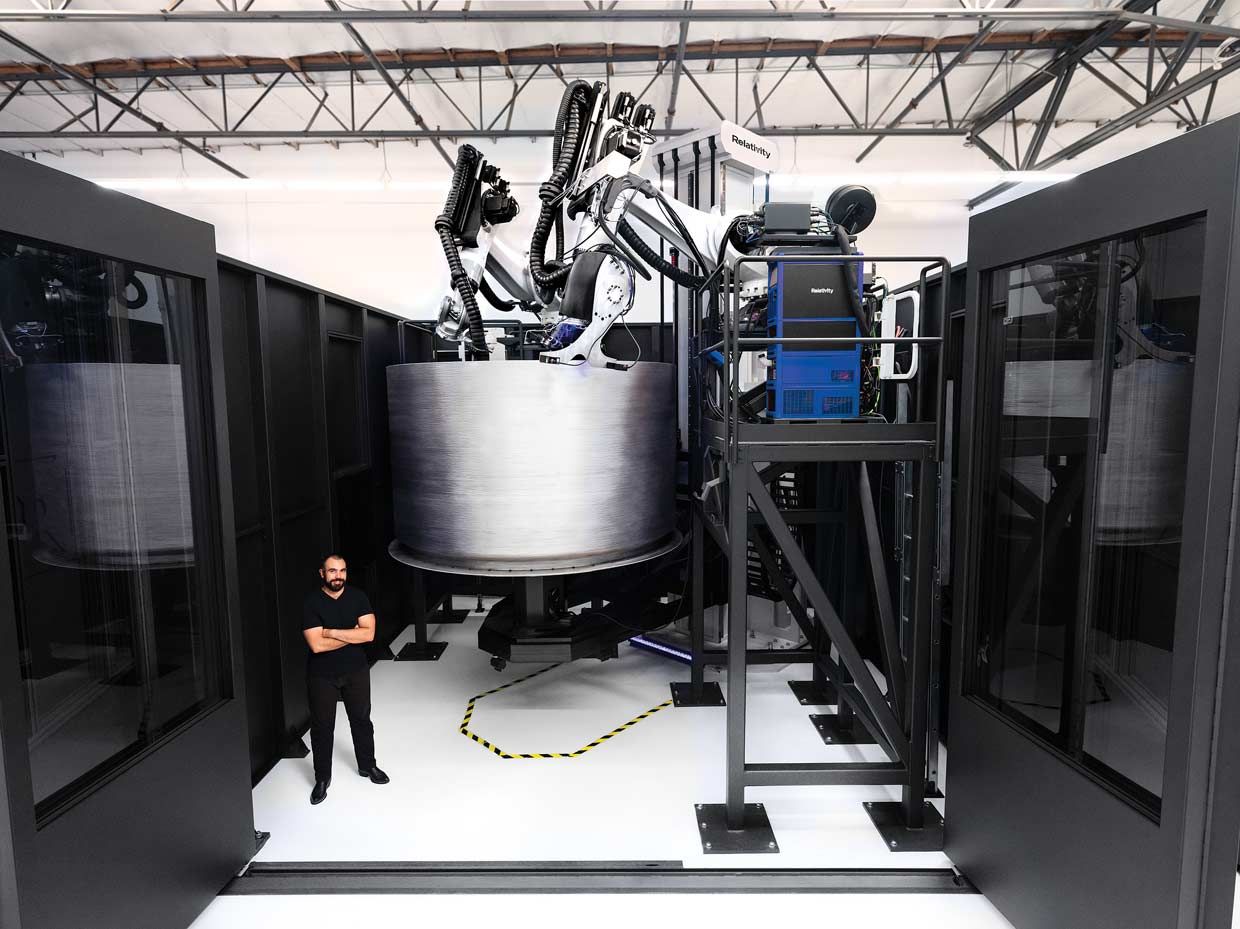
Industrial Metal Additive Manufacturing: Precision Engineered for Production Demands
Honyo Prototype delivers advanced industrial metal 3D printing services that transform complex design concepts into mission-critical components for aerospace, medical, energy, and defense sectors. Our expertise extends beyond mere printing; we integrate Design for Additive Manufacturing (DfAM) optimization, rigorous material science protocols, and end-to-end post-processing to ensure parts meet stringent AS9100 and ISO 13485 standards. Utilizing state-of-the-art Directed Energy Deposition (DED) and Powder Bed Fusion (PBF) systems—including DMLS and SLM technologies—we produce high-integrity components in Inconel, titanium, stainless steel, and aluminum alloys with tolerances as tight as ±0.05 mm.
Our comprehensive workflow encompasses topology-optimized design validation, in-process monitoring, precision heat treatment, and surface finishing, eliminating traditional supply chain bottlenecks while enhancing part performance and durability. This holistic approach reduces lead times by up to 70% compared to conventional subtractive methods, without compromising on mechanical properties or geometric complexity.
Online Instant Quote
Accelerate your prototyping and production timelines with Honyo’s proprietary Online Instant Quote platform. Upload CAD files to receive detailed cost, lead time, and manufacturability feedback within minutes—no manual RFQ delays. This AI-driven tool leverages real-time machine availability, material pricing, and geometric complexity analysis to deliver transparent, actionable quotes, empowering engineering teams to iterate faster and deploy metal AM solutions at production scale.
Technical Capabilities
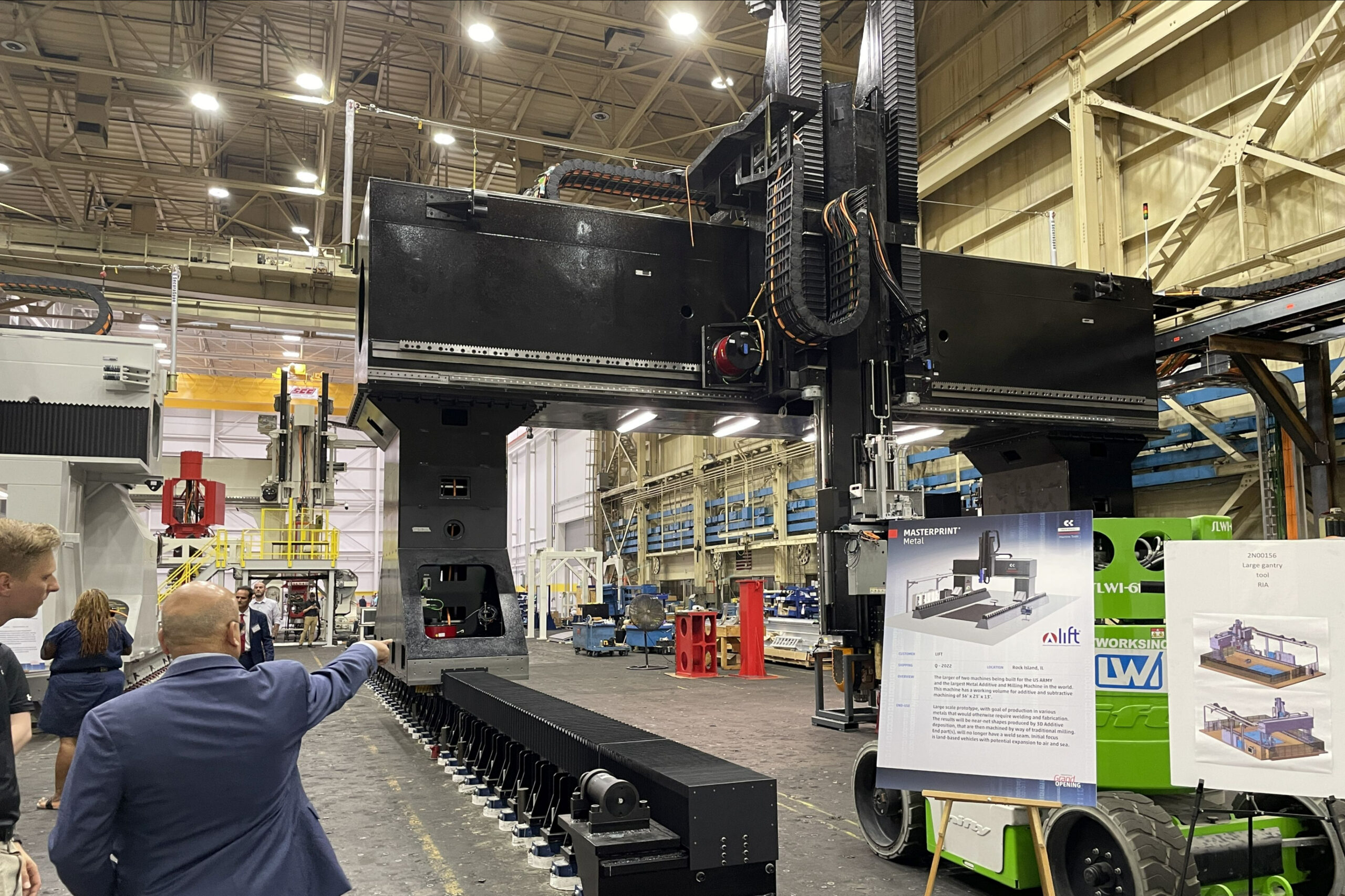
The description provided contains a technical inaccuracy that must be clarified: SLA (Stereolithography), SLS (Selective Laser Sintering), and MJF (Multi Jet Fusion) are additive manufacturing technologies primarily used for polymers, not metals. DMLS (Direct Metal Laser Sintering) is the correct metal-based 3D printing technology among the listed processes.
SLA is exclusively for photopolymer resins, SLS and MJF are predominantly used with polymer powders such as Nylon and occasionally filled variants, but not with metals like Aluminum or Steel. ABS is typically processed via FDM (Fused Deposition Modeling), not SLS or MJF in standard industrial applications.
DMLS is the only metal-capable process in this list and is used to print high-performance metal alloys including Aluminum and various grades of Steel.
Below is a corrected and technically accurate comparison of the specified technologies, including their compatibility with the mentioned materials:
| Technology | Process Description | Typical Materials | Metal Capability | Key Technical Parameters |
|---|---|---|---|---|
| SLA (Stereolithography) | Uses a UV laser to cure liquid photopolymer resin layer by layer | Photopolymer resins (standard, engineering, castable) | No | Laser wavelength: 355–405 nm, Layer thickness: 25–100 μm, Build accuracy: ±0.1 mm |
| SLS (Selective Laser Sintering) | High-power laser sinters powdered material, typically polymers | Nylon (PA11, PA12), Glass-filled Nylon, TPU | No (standard systems) | Laser power: 30–70 W CO₂ laser, Layer thickness: 80–120 μm, Build volume up to 300 × 300 × 300 mm |
| MJF (Multi Jet Fusion) | Inkjet array deposits fusing and detailing agents onto powder bed, then heated by lamps | Nylon (PA12), Glass-filled PA12, TPU | No | Layer thickness: 80–100 μm, Build speed: Faster than SLS, Thermal lamps instead of laser |
| DMLS (Direct Metal Laser Sintering) | High-power fiber laser sinters fine metal powder layer by layer under inert atmosphere | Aluminum (AlSi10Mg, AlSi7Mg), Stainless Steel (17-4 PH, 316L), Tool Steel, Inconel, Titanium | Yes | Laser power: 200–1000 W, Layer thickness: 20–50 μm, Build accuracy: ±0.1 mm, Inert gas (argon/nitrogen) environment |
Note: ABS (Acrylonitrile Butadiene Styrene) is not compatible with SLS, MJF, or DMLS in standard industrial setups. It is primarily processed using FDM technology. Similarly, Aluminum and Steel cannot be printed using SLA, SLS, or MJF. Only DMLS (and similar powder bed fusion metal processes like SLM) are suitable for such metals.
From CAD to Part: The Process

Honyo Prototype Metal Additive Manufacturing Workflow
Honyo Prototype executes a rigorously controlled metal additive manufacturing process designed for industrial precision, rapid turnaround, and seamless integration with client engineering workflows. Our end-to-end sequence begins with CAD file ingestion and culminates in certified part delivery, engineered to minimize iteration risks and accelerate time-to-market for mission-critical components.
CAD Upload and Initial Processing
Clients initiate the process by uploading native CAD files (STEP, IGES, or native formats like SOLIDWORKS) via our secure customer portal. Our system performs immediate geometry validation, checking for watertightness, minimum feature size compliance relative to target processes (e.g., DMLS, SLM), and material-specific constraints. Files failing baseline checks trigger automated notifications for client correction, ensuring only manufacturable designs progress.
AI-Powered Quoting with Engineering Validation
Uploaded geometries enter our proprietary AI quoting engine, which analyzes part volume, complexity, support structure requirements, and material selection (e.g., Ti-6Al-4V, Inconel 718, 17-4 PH stainless steel) against live machine availability, material costs, and historical build data. Crucially, this AI output undergoes mandatory review by our applications engineering team. They validate feasibility, adjust parameters for optimal build orientation, and incorporate secondary process costs (heat treatment, HIP, precision machining). Clients receive a formal quote within 4 business hours, including lead time estimates and material certification options.
Collaborative Design for Manufacturability (DFM)
Upon quote acceptance, our DFM phase begins as a structured engineering dialogue. Using Materialise Magics and ANSYS simulation tools, our engineers:
Identify critical overhangs requiring support optimization to reduce post-processing scrap
Simulate thermal distortion and recommend build orientation adjustments
Flag thin-walled sections below process capability limits (typically <0.4mm for AlSi10Mg)
Propose topology-optimized alternatives where applicable without compromising FEA requirements
This phase concludes with a formal DFM report detailing actionable recommendations. Client approval is required before production release, ensuring alignment on tolerances, surface finish (as-built Ra 12–25μm), and critical feature allowances.
Production Execution with Traceability
Approved builds enter our production queue with full material traceability (mill test reports linked to batch IDs). Key production stages include:
| Stage | Process | Quality Control |
|---|---|---|
| Build Preparation | Powder sieving, chamber loading, pre-heat cycle | Powder OES verification, chamber vacuum integrity test |
| Printing | Layer-by-layer fusion (20–50μm layers) under argon atmosphere | In-situ melt pool monitoring, layer-wise thermal imaging |
| Post-Processing | Support removal, stress relief annealing, HIP (if specified) | Dimensional verification of critical datums, NDT for HIP validation |
| Finishing | CNC machining of critical interfaces, surface blasting, CMM inspection | Final dimensional report against print-ready CAD, Ra measurement |
All steps adhere to ISO 9001 and NADCAP AC7102 standards, with real-time data logged to our MES for full build traceability.
Certified Delivery and Documentation
Final parts ship with comprehensive documentation packages tailored to industry requirements:
Material Test Reports (MTRs) with chemical composition and mechanical properties
CMM inspection reports against client-specified GD&T
Build parameter log (laser power, scan speed, layer thickness)
NDT reports for HIP-treated components (if applicable)
Parts undergo final visual and dimensional verification 72 hours prior to shipment to account for potential post-build stress relaxation. Delivery includes serialized tracking and compliance certificates for aerospace (AS9100) or medical (ISO 13485) applications where specified.
This integrated workflow reduces prototyping iterations by 40–60% compared to conventional metal fabrication routes, while maintaining the geometric freedom and part consolidation benefits inherent to additive manufacturing. Client engineering teams retain full visibility through our portal, with milestone notifications at each phase transition.
Start Your Project
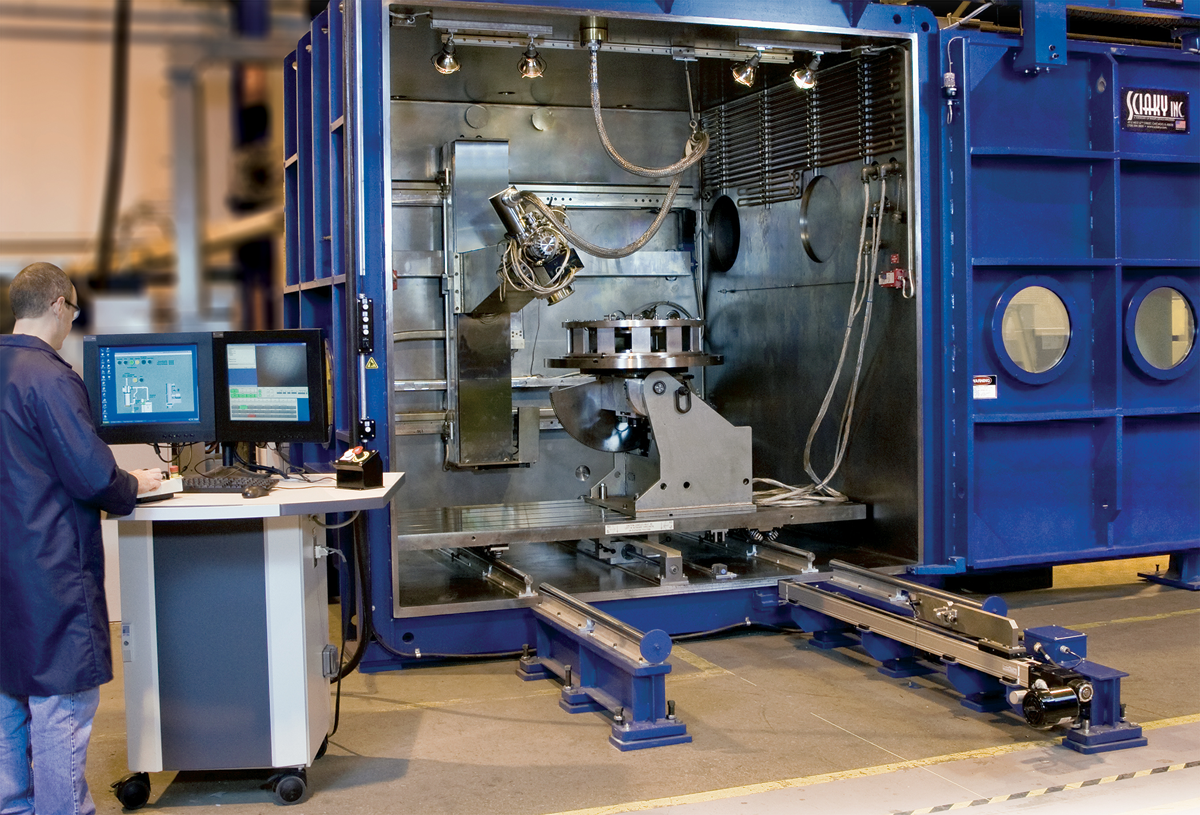
Discover industrial-grade 3D printers that print metal with precision and reliability. Engineered for demanding applications, our metal additive manufacturing systems deliver exceptional density, repeatability, and throughput.
Built in our Shenzhen factory, each system reflects rigorous quality control and deep expertise in advanced prototyping and production technologies.
For technical specifications, pricing, and partnership opportunities, contact Susan Leo at [email protected]. Let’s advance your metal 3D printing capabilities together.
🚀 Rapid Prototyping Estimator
Estimate rough cost index based on volume.