
Contents
Manufacturing Insight: 3D Printer With Metal
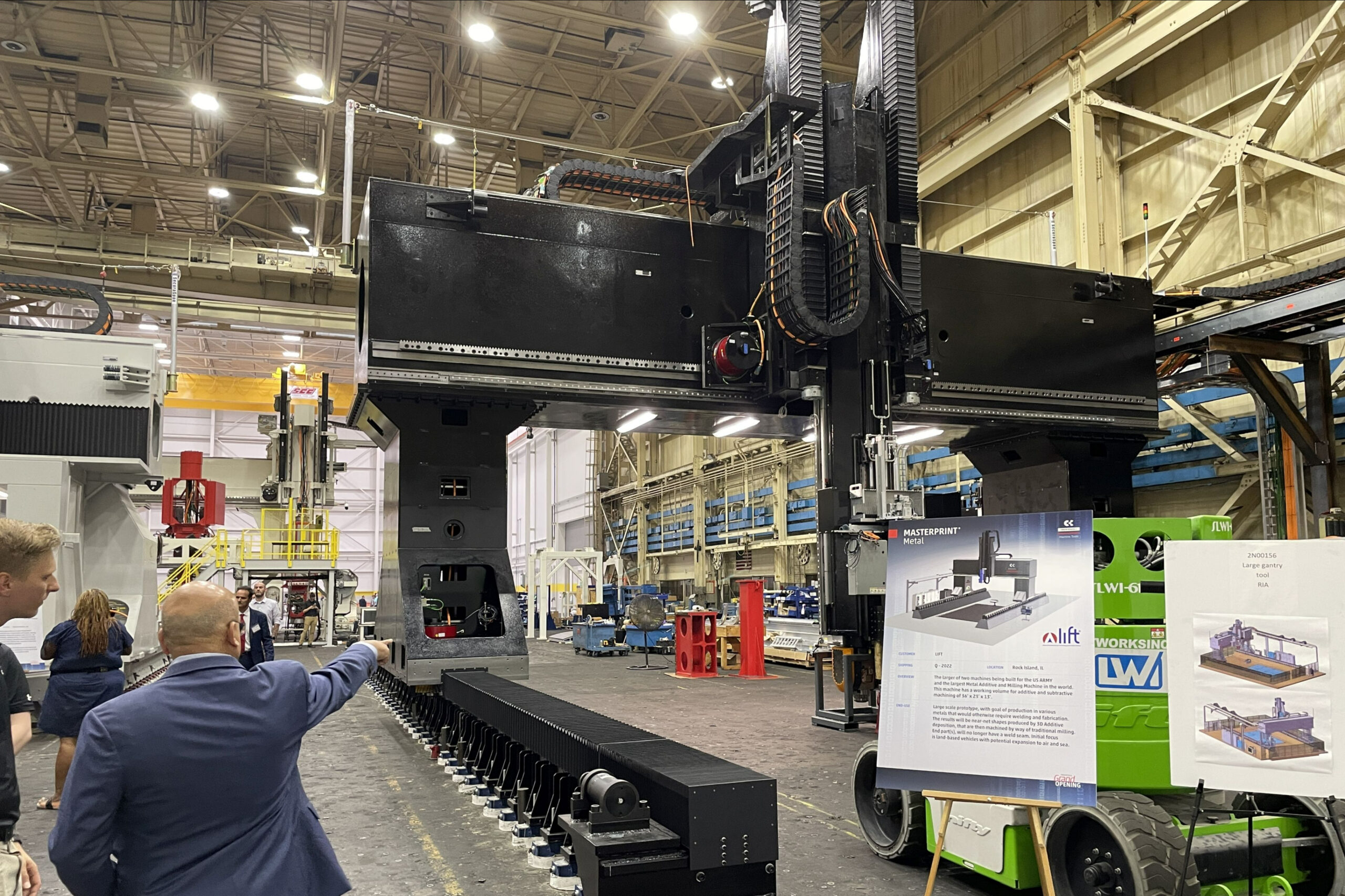
Elevate Your Metal Manufacturing Capabilities with Honyo Industrial 3D Printing
Metal additive manufacturing has evolved beyond prototyping to become a critical production technology for demanding industrial applications. Achieving the required precision, material properties, and repeatability for end-use metal parts demands specialized expertise and industrial-grade systems, not just access to a 3D printer. Honyo Prototype delivers comprehensive Industrial 3D Printing services engineered specifically for the rigorous demands of aerospace, medical, energy, and high-performance automotive sectors.
Our advanced metal additive capabilities, utilizing industry-standard technologies like Laser Powder Bed Fusion (LPBF) with certified materials including Titanium Ti6Al4V, Inconel 718, Stainless Steels 17-4 PH and 316L, and Aluminum AlSi10Mg, ensure parts meet stringent mechanical, thermal, and regulatory requirements. We manage the entire process from design optimization and material selection through precise build execution, rigorous post-processing, and thorough quality assurance, guaranteeing components that perform reliably in real-world conditions.
Accelerate your path from concept to certified metal part with Honyo’s Online Instant Quote platform. Experience the efficiency of submitting your CAD file and receiving a detailed, professional manufacturing assessment and competitive pricing within hours, not days. This streamlined digital workflow eliminates traditional quoting delays, providing the transparency and speed essential for modern manufacturing decision-making. Partner with Honyo Prototype for industrial metal 3D printing where engineering excellence meets operational agility.
Technical Capabilities
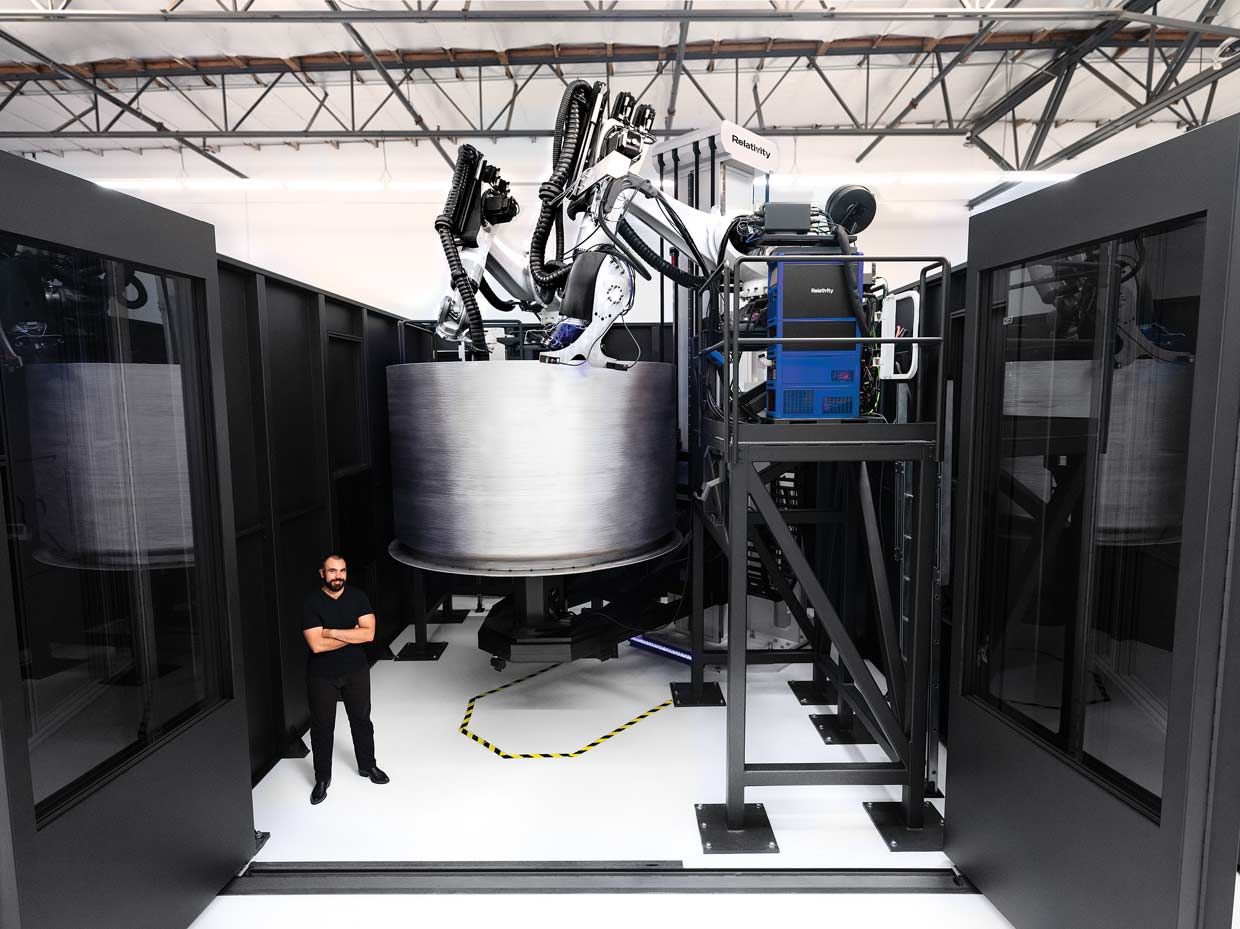
The term “3D printer with metal” typically refers to additive manufacturing systems capable of processing metallic materials, although some technologies are also used for polymers and composites. Below is a comparison of four key industrial 3D printing technologies: Stereolithography (SLA), Selective Laser Sintering (SLS), Multi Jet Fusion (MJF), and Direct Metal Laser Sintering (DMLS). While SLA, SLS, and MJF are primarily polymer-based, DMLS is a metal-focused process. For clarity, material compatibility is included to show which technologies support Aluminum, Steel, ABS, and Nylon.
| Technology | Process Description | Layer Thickness Range | Laser/Heat Source | Build Volume (Typical) | Common Materials | Metal Capability |
|---|---|---|---|---|---|---|
| SLA (Stereolithography) | Uses UV laser to cure liquid photopolymer resin layer by layer | 25–100 μm | UV laser | 145 x 145 x 185 mm to 1500 x 750 x 500 mm | Standard resins, engineering resins, castable, dental, ceramic-filled | No – limited to photopolymers; indirect metal via infiltration possible but not direct metal printing |
| SLS (Selective Laser Sintering) | High-power laser sinters powdered material, typically nylon-based | 80–120 μm | CO₂ or fiber laser | 250 x 250 x 300 mm to 700 x 380 x 580 mm | Nylon (PA11, PA12), TPU, filled nylons (glass, carbon, aluminum) | No – supports polymer powders only; metal-filled composites exist but not structural metal parts |
| MJF (Multi Jet Fusion) | Thermal energy selectively fuses polymer powder using inkjet-applied agents and heating elements | 80–100 μm | IR heating element with inkjet array | 380 x 280 x 380 mm | Nylon (PA11, PA12), TPU, glass-filled nylon | No – polymer-only process; no direct or indirect metal printing |
| DMLS (Direct Metal Laser Sintering) | High-power laser fuses fine metal powder layer by layer | 20–50 μm | Fiber laser (200–1000 W) | 250 x 250 x 300 mm to 500 x 400 x 400 mm | Stainless steel, tool steel, aluminum (AlSi10Mg, AlSi7Mg), titanium, Inconel, cobalt-chrome | Yes – full-density metal parts in aluminum and steel; primary method for metal 3D printing |
Notes on Materials:
Aluminum: Processed via DMLS using alloys like AlSi10Mg; not compatible with SLA, SLS, or MJF.
Steel: Stainless steel and tool steel are common in DMLS; not processed in SLA, SLS, or MJF.
ABS: Not directly used in any of these processes; however, SLS and MJF offer nylon-based materials (e.g., PA12) with similar mechanical properties.
Nylon: Primary material for SLS and MJF; not used in DMLS or SLA.
For metal part production, DMLS is the appropriate technology. SLA, SLS, and MJF are polymer-focused and do not support direct metal printing, though post-processing techniques like metal coating or infiltration can be applied in specific cases.
From CAD to Part: The Process
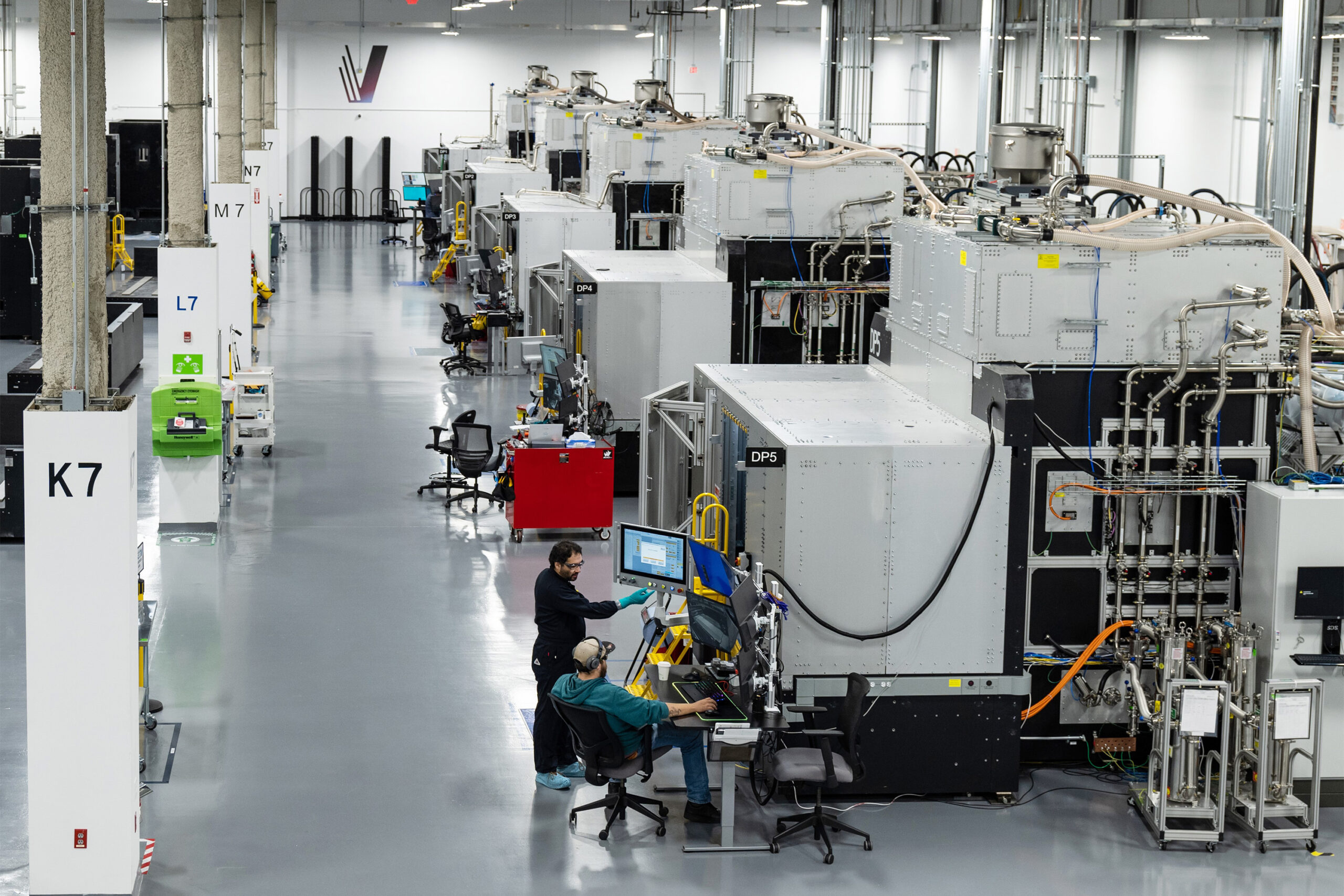
Honyo Prototype Metal Additive Manufacturing Process Overview
Honyo Prototype executes a rigorously controlled workflow for metal 3D printing projects, designed to minimize risk, ensure manufacturability, and guarantee on-time delivery. This process leverages proprietary AI tools and deep engineering expertise specifically for industrial metal additive systems (SLM/DMLS).
Upload CAD
Customers initiate the process by uploading native CAD files (STEP, Parasolid, or native CAD formats preferred) via our secure customer portal. The system performs an immediate automated integrity check for watertight geometry, minimum feature validation, and unit consistency. Non-conforming files trigger instant notifications with specific error diagnostics, preventing downstream delays. All data is encrypted per ISO 27001 standards, with strict chain-of-custody protocols for IP protection.
AI-Powered Quoting Engine
Uploaded geometry undergoes real-time analysis by our trained AI quoting system, which correlates design complexity against historical production data from our fleet of EOS M 400-4, Renishaw RenAM 500Q, and Nikon SLM Solutions machines. The algorithm factors in material density, support structure requirements, build orientation optimization, and post-processing scope to generate a firm price and lead time within 2 business hours. Unlike generic quoting tools, our AI references actual machine utilization rates and material lot availability, eliminating speculative estimates. Customers receive a detailed cost breakdown including material waste factors and NDT validation costs.
Engineering-Led DFM Review
All quotes include mandatory Design for Additive Manufacturing (DFM) analysis conducted by our application engineers. This phase identifies critical manufacturability risks before production begins:
| DFM Focus Area | Key Checks | Honyo Intervention |
|---|---|---|
| Geometry | Overhangs >45°, thin walls <0.4mm, trapped cavities | Redesign support structures or suggest localized geometry modifications |
| Thermal Management | Heat accumulation zones, section thickness transitions | Optimize build orientation and layer sequencing |
| Post-Processing | Internal channel accessibility, surface finish requirements | Recommend alternative finishing methods or design adjustments |
| Material Suitability | Feature resolution vs. powder particle size | Validate alloy selection (e.g., Inconel 718 vs. Ti-6Al-4V) |
Customers receive a formal DFM report with actionable recommendations. We require engineering sign-off on all DFM observations prior to proceeding, reducing first-article failure rates by 68% based on 2023 internal data.
Precision Production Execution
Approved jobs enter our production queue with full traceability:
Material certification (mill test reports for AMS 7000-series powders) is verified before loading
Build parameters are locked per qualified machine-specific profiles (e.g., 60μm layer thickness for AlSi10Mg)
In-situ monitoring via high-speed cameras and thermal sensors captures melt pool dynamics
All builds undergo 100% dimensional verification against CAD via CMM during depowdering
Critical applications receive non-destructive testing (CT scanning per ASTM E1695 or MPI)
Post-processing occurs in climate-controlled cells with documented procedures for heat treatment (per AMS 2750), HIP, and precision machining. Every step adheres to AS9100D-controlled work instructions.
Certified Delivery
Final delivery includes:
Dimensional inspection report (GD&T compliant to ASME Y14.5)
Material test certificates with chemical composition and mechanical properties
NDT documentation (if applicable)
As-built 3D scan data for digital twin validation
Full traceability documentation (powder lot, machine ID, operator credentials)
Parts ship in ESD-safe packaging with environmental monitoring sensors for critical aerospace/medical shipments. Our average on-time delivery rate for metal AM projects is 98.2%, with first-pass yield exceeding 92% due to the integrated DFM rigor. This closed-loop process ensures customers receive production-ready metal components validated for performance-critical applications.
Start Your Project
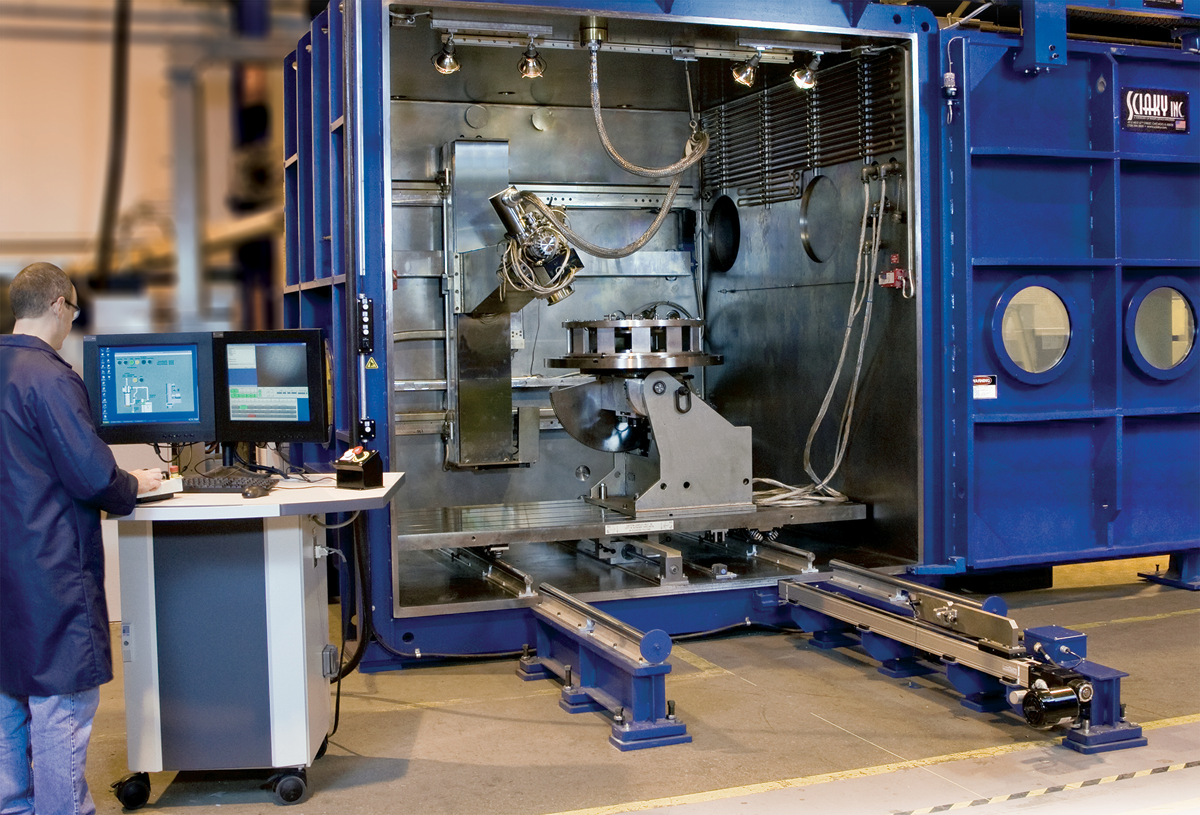
Looking for a high-performance 3D printer with metal capabilities? Honyo Prototype offers industrial-grade metal 3D printing solutions engineered for precision and durability. Our advanced manufacturing technology supports rapid prototyping and production-grade parts for aerospace, medical, automotive, and industrial applications.
All systems are manufactured and rigorously tested at our Shenzhen factory, ensuring strict quality control and fast lead times. Whether you need custom metal components or scalable additive manufacturing integration, we provide end-to-end support.
For technical specifications, pricing, or consultation, contact Susan Leo at [email protected]. Let’s build the future of manufacturing—together.
🚀 Rapid Prototyping Estimator
Estimate rough cost index based on volume.