
Contents
Manufacturing Insight: 3D Printer For Steel
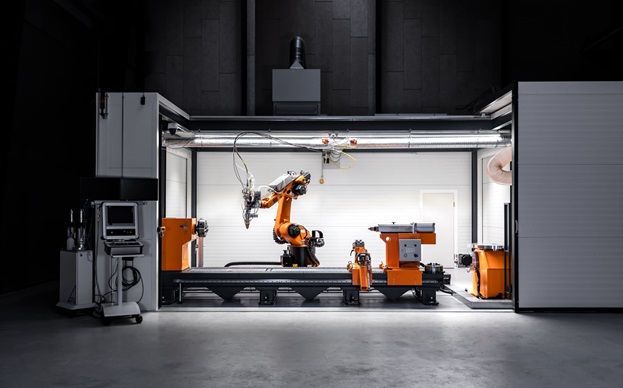
Precision Steel Components Through Industrial Additive Manufacturing
Honyo Prototype delivers end-to-end industrial 3D printing solutions for mission-critical steel components, leveraging advanced Direct Metal Laser Sintering (DMLS) and Selective Laser Melting (SLM) technologies. Our engineering-grade systems process high-performance alloys—including 316L stainless steel, 17-4PH, and tool steels—to produce complex geometries with tight tolerances (±0.05 mm), superior material density (>99.95%), and mechanical properties matching wrought equivalents. Unlike prototyping-focused services, we integrate rigorous process validation, in-situ monitoring, and post-processing expertise to ensure parts meet aerospace, medical, and energy sector certifications.
Eliminate quoting bottlenecks with Honyo’s Online Instant Quote platform. Upload your CAD file to receive geometry-validated pricing, lead time estimates, and manufacturability feedback within minutes—no manual RFQ delays. This seamless integration of industrial-scale production capability and digital procurement efficiency accelerates your path from design to certified steel components. Partner with us for scalable, audit-ready additive manufacturing that meets the highest demands of functional performance and supply chain agility.
Technical Capabilities
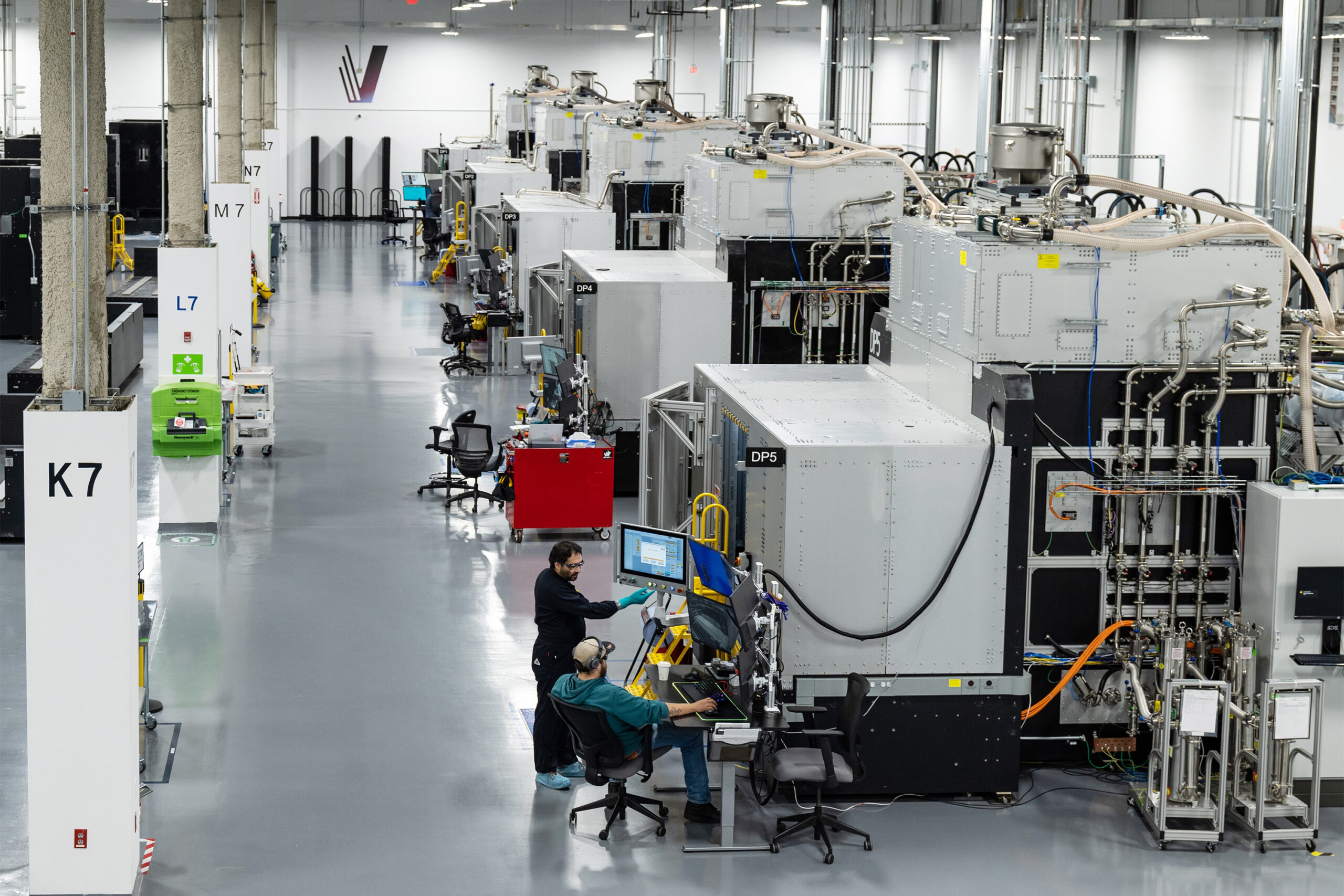
The term “3D printer for steel” typically refers to industrial additive manufacturing systems capable of processing metal materials such as steel and aluminum using powder-based technologies. Among the processes listed, Stereolithography (SLA) and Multi Jet Fusion (MJF) are not suitable for steel printing, as they are primarily designed for polymers. Selective Laser Sintering (SLS) is used for plastics, while Direct Metal Laser Sintering (DMLS) is the appropriate technology for steel and aluminum. Below is a detailed technical comparison of these technologies with respect to their compatibility with steel, aluminum, ABS, and nylon.
| Technology | Process Description | Compatible Materials | Laser Type | Build Volume (Typical) | Layer Thickness | Surface Finish (Ra) | Max Temperature Resistance | Key Applications |
|---|---|---|---|---|---|---|---|---|
| SLA (Stereolithography) | Uses UV laser to cure photopolymer resins layer by layer | Photopolymer resins only (not metals); incompatible with steel, aluminum, ABS, nylon | UV Laser | 140 x 140 x 180 mm to 1500 x 750 x 500 mm | 25–200 µm | 0.8–2.0 µm | ~60–200°C (material-dependent) | Prototyping, visual models, dental, jewelry |
| SLS (Selective Laser Sintering) | High-power laser sinters polymer powder particles | Nylon (PA 11, PA 12), Glass-filled nylon; not suitable for steel or aluminum | CO₂ or Fiber Laser | 200 x 200 x 300 mm to 700 x 380 x 580 mm | 80–150 µm | 10–20 µm | Up to 170°C (e.g., PA 12) | Functional prototypes, end-use parts, jigs & fixtures |
| MJF (Multi Jet Fusion) | Inkjet array deposits fusing agent, then heated by infrared energy | Nylon (PA 12), Glass-filled PA 12; not compatible with metals | Thermal energy (no laser) | 380 x 280 x 380 mm | 80 µm | 5–15 µm | Up to 180°C | High-volume end-use parts, durable components |
| DMLS (Direct Metal Laser Sintering) | High-power laser sinters metal powder layer by layer | Stainless Steel (17-4 PH, 316L), Tool Steel (H13, Maraging), Aluminum (AlSi10Mg, AlSi7Mg), Titanium, Inconel | Fiber Laser (200–500 W typical) | 250 x 250 x 325 mm to 500 x 400 x 400 mm | 20–50 µm | 15–25 µm (as-built), <5 µm post-processed | >1000°C (material-dependent) | Aerospace, medical implants, tooling, high-stress components |
Notes:
SLA and MJF are polymer-only technologies and cannot process steel or aluminum.
SLS is limited to thermoplastics such as nylon and does not support metallic materials.
DMLS is the only process among these capable of producing fully dense steel and aluminum parts suitable for industrial applications.
ABS is not typically used in SLS or MJF; it is more common in FDM (Fused Deposition Modeling), which is not covered here.
Post-processing such as heat treatment, HIP (Hot Isostatic Pressing), and CNC machining is often required for DMLS parts to achieve final mechanical properties and tolerances.
From CAD to Part: The Process
Honyo Prototype delivers precision steel components through a rigorously controlled additive manufacturing workflow designed for industrial reliability. Our process begins when clients upload native CAD files or validated mesh formats via our secure customer portal. The system performs immediate geometric integrity checks including watertightness verification and minimum feature size validation against our metal printer capabilities ensuring the file meets foundational requirements for steel processing.
The uploaded geometry enters our proprietary AI-powered quoting engine which analyzes over 200 parameters including part volume, surface complexity, support structure requirements, and optimal build orientation. This engine cross-references real-time data from our production floor including current machine availability, material lot certifications, and thermal simulation models specific to steel alloys like 316L stainless or 17-4PH. The resulting quote details not only cost and lead time but also flags potential manufacturability constraints requiring engineering review.
Every steel component undergoes mandatory Design for Metal Additive Manufacturing analysis conducted by our specialist engineers. This phase focuses on critical steel-specific considerations such as thermal stress mitigation strategies, support structure optimization to prevent warpage, and powder removal channel validation for internal cavities. We provide actionable redesign recommendations when necessary, often reducing post-processing time by 30-50% through strategic feature modifications while maintaining structural integrity.
Production occurs in ISO 13485-certified facilities using industrial-grade laser powder bed fusion systems with full inert gas control. Steel builds follow strict protocols including pre-build substrate heating to 80°C, layer-by-layer melt pool monitoring via high-speed cameras, and in-situ thermal imaging. All 316L and 17-4PH materials originate from certified suppliers with full traceability to mill test reports. Post-processing includes stress relief annealing in controlled atmospheres, precision support removal via wire EDM, and optional HIP treatment for critical applications.
Final delivery includes comprehensive documentation meeting AS9100 and ASTM F3318 standards where applicable. Each shipment contains first article inspection reports with CMM data for critical features, material certification traceable to heat number, and build parameter logs including laser power and scan speed records. We maintain rigorous chain-of-custody protocols with optional third-party certification for aerospace and medical clients ensuring complete compliance from digital file to certified physical component. Lead times are tracked through our ERP system with proactive client notifications at each milestone completion.
Start Your Project
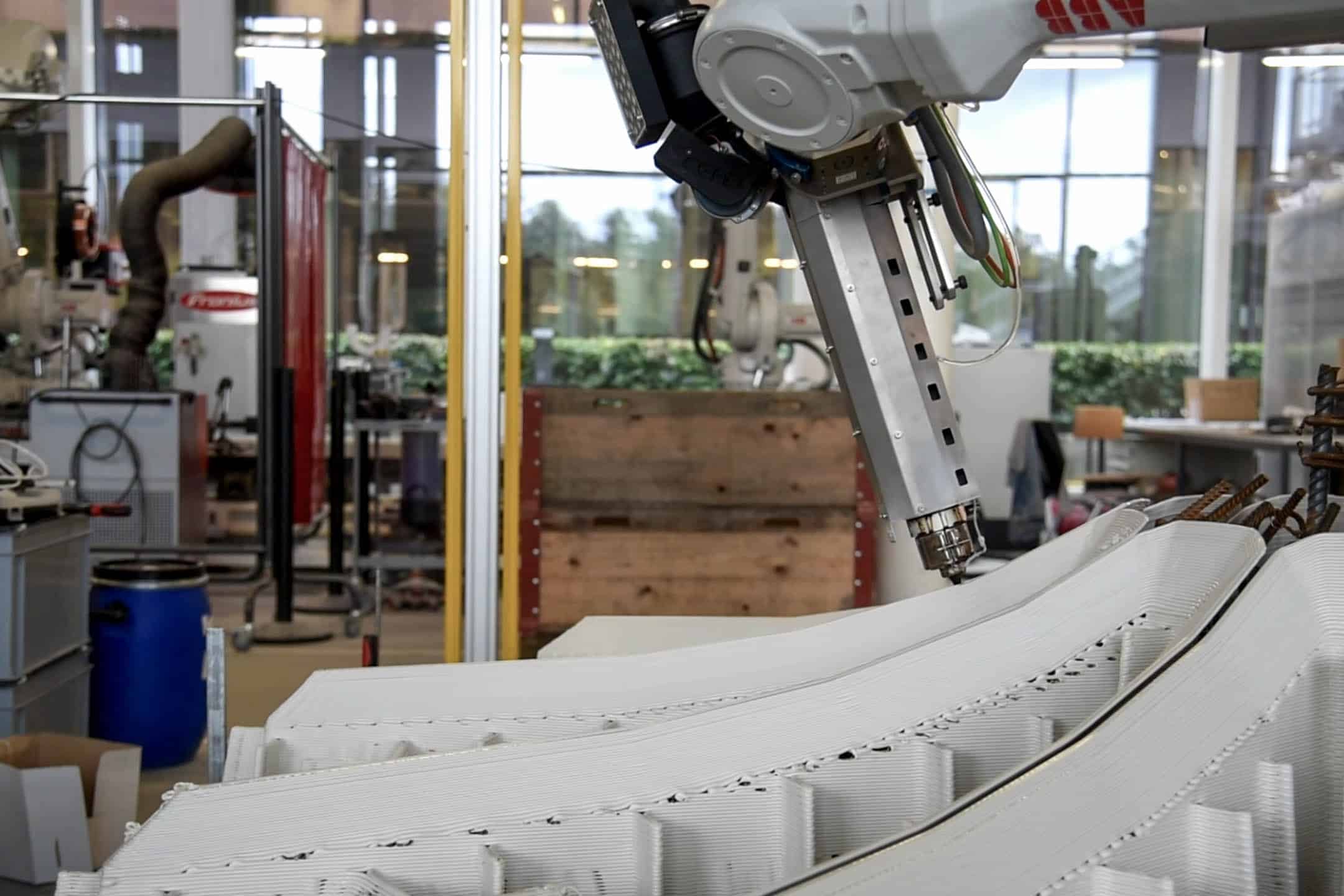
Looking for a high-performance 3D printer for steel? Honyo Prototype offers industrial-grade metal additive manufacturing solutions built for precision and durability. Our advanced 3D printing technology enables complex steel parts with excellent mechanical properties, ideal for aerospace, automotive, and industrial applications.
All systems are supported by our manufacturing facility in Shenzhen, ensuring fast turnaround and strict quality control. For technical specifications, pricing, and customization options, contact Susan Leo directly at [email protected].
Let’s engineer the future together—reach out today to discuss your steel 3D printing requirements.
🚀 Rapid Prototyping Estimator
Estimate rough cost index based on volume.