
Contents
Manufacturing Insight: 3D Printer For Metal Printing
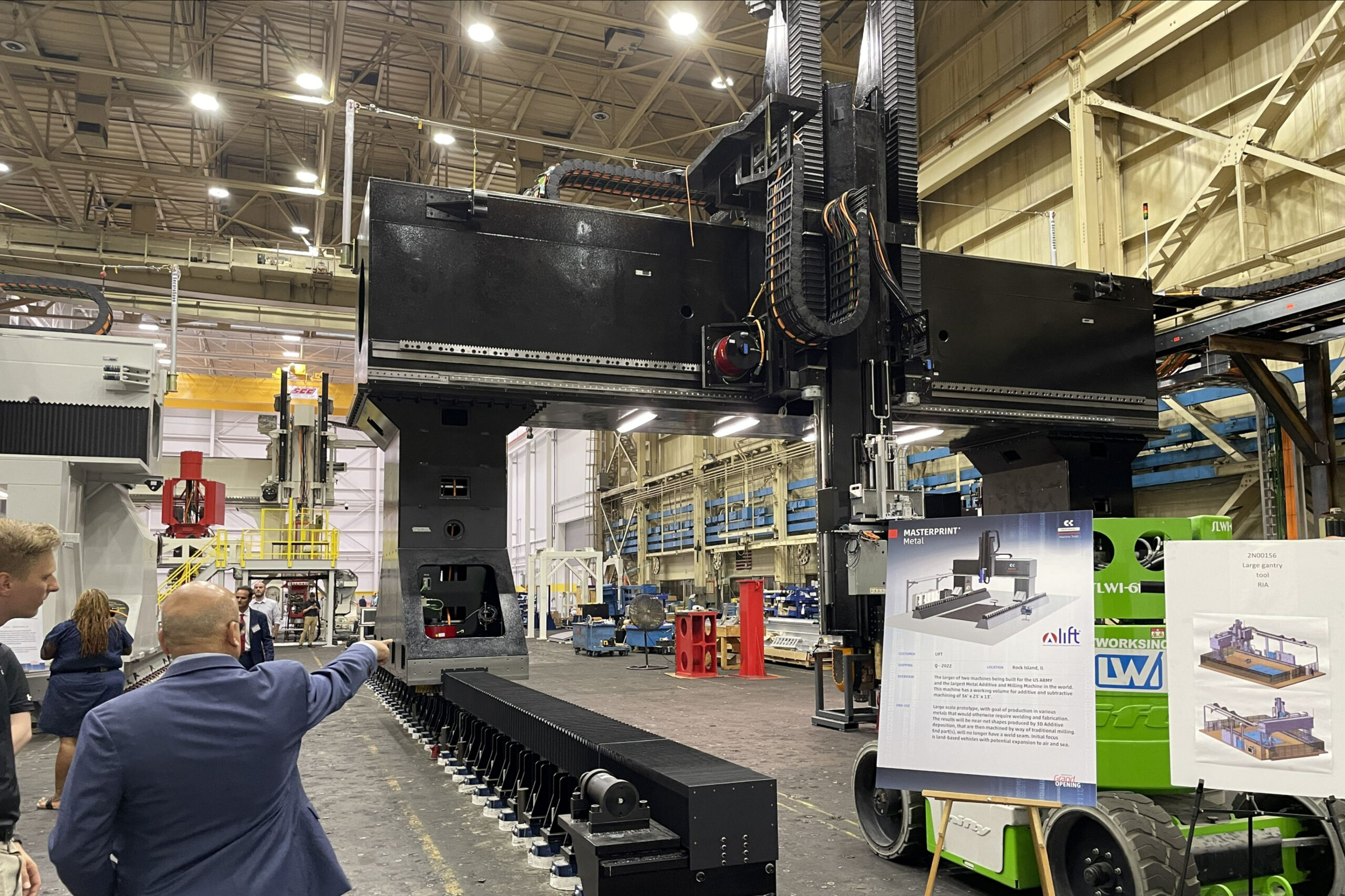
Honyo Prototype: Precision Metal Additive Manufacturing for Industrial Applications
Honyo Prototype delivers advanced industrial metal 3D printing services designed to transform complex component production for aerospace, medical, automotive, and energy sectors. Our state-of-the-art metal additive manufacturing systems, including multi-laser powder bed fusion platforms, enable the production of high-integrity parts with exceptional geometric freedom, material properties, and repeatability. We specialize in processing demanding alloys such as Inconel 718, Ti-6Al-4V, 17-4 PH stainless steel, and aluminum 7075, ensuring components meet stringent industry certifications and performance requirements. By eliminating traditional tooling constraints and enabling rapid iteration, our metal AM solutions accelerate time-to-market while reducing waste and assembly complexity for mission-critical applications.
Our end-to-end industrial workflow encompasses design validation, parameter optimization, certified post-processing, and rigorous quality assurance, including in-process monitoring and metallurgical analysis. This integrated approach guarantees dimensional accuracy, surface integrity, and mechanical properties aligned with your operational demands. To streamline your procurement process, Honyo Prototype offers an Online Instant Quote system. Simply upload your CAD file to receive a detailed, real-time cost and lead time estimate within minutes—no manual submission or waiting for email responses. This transparency empowers engineering and procurement teams to make agile, data-driven decisions early in the development cycle.
Material Capabilities Summary
| Material | Key Properties | Typical Applications |
|——————-|—————————————–|———————————-|
| Inconel 718 | High temp strength, corrosion resistance| Turbine blades, rocket components|
| Ti-6Al-4V | Lightweight, biocompatible, high S/N | Orthopedic implants, aerospace |
| 17-4 PH Stainless | High hardness, corrosion resistance | Hydraulic manifolds, tooling |
Leverage Honyo Prototype’s industrial metal 3D printing expertise to solve your most challenging manufacturing problems with speed, precision, and scalability. Initiate your project today using our Online Instant Quote platform and experience engineering-grade metal additive manufacturing, optimized for production reality.
Technical Capabilities
The term “SLA” (Stereolithography) typically refers to resin-based 3D printing and is not used for metal printing. Similarly, SLS (Selective Laser Sintering) and MJF (Multi Jet Fusion) are primarily polymer additive manufacturing technologies and are not suitable for direct metal printing. DMLS (Direct Metal Laser Sintering) is the only process among these that is specifically designed for metal 3D printing. Below is a technical comparison of these processes with clarification on their compatibility with the mentioned materials.
| Process | Technology Type | Compatible Materials (Common) | Typical Layer Thickness | Build Speed | Surface Finish (Ra) | Support Structures Required | Metal Printing Capability |
|---|---|---|---|---|---|---|---|
| SLA | Vat Photopolymerization | Photopolymer resins (e.g., standard, tough, castable) | 25–100 µm | Moderate | 0.8–1.6 µm | Yes | No |
| SLS | Powder Bed Fusion (Polymer) | Nylon (PA11, PA12), TPU, filled nylons | 80–150 µm | Fast | 6–10 µm | No (self-supporting) | No |
| MJF | Powder Bed Fusion (Polymer) | Nylon (PA12), glass-filled PA12, TPU | 80–100 µm | Very fast | 4–6 µm | No | No |
| DMLS | Powder Bed Fusion (Metal) | Aluminum (AlSi10Mg, AlSi7Mg), Stainless Steel (316L, 17-4 PH), Tool Steel, Titanium, Inconel | 20–50 µm | Slow to moderate | 10–20 µm | Yes | Yes |
Notes on Materials:
Aluminum: Processable via DMLS using alloys such as AlSi10Mg. Not compatible with SLA, SLS, or MJF.
Steel: Stainless steel and tool steel are commonly processed using DMLS. Not applicable for SLA, SLS, or MJF.
ABS: A thermoplastic typically processed via FDM (Fused Deposition Modeling). Not used in SLA, SLS, MJF, or DMLS directly. SLS uses nylon, not ABS.
Nylon: Used in SLS and MJF (e.g., PA11, PA12). Not applicable for DMLS or SLA.
Summary:
For metal 3D printing, DMLS is the appropriate technology among the listed processes. SLA, SLS, and MJF are polymer-based and cannot print metal parts. When selecting a system for metal production, DMLS offers high precision and strong, dense metal components suitable for aerospace, medical, and industrial applications.
From CAD to Part: The Process
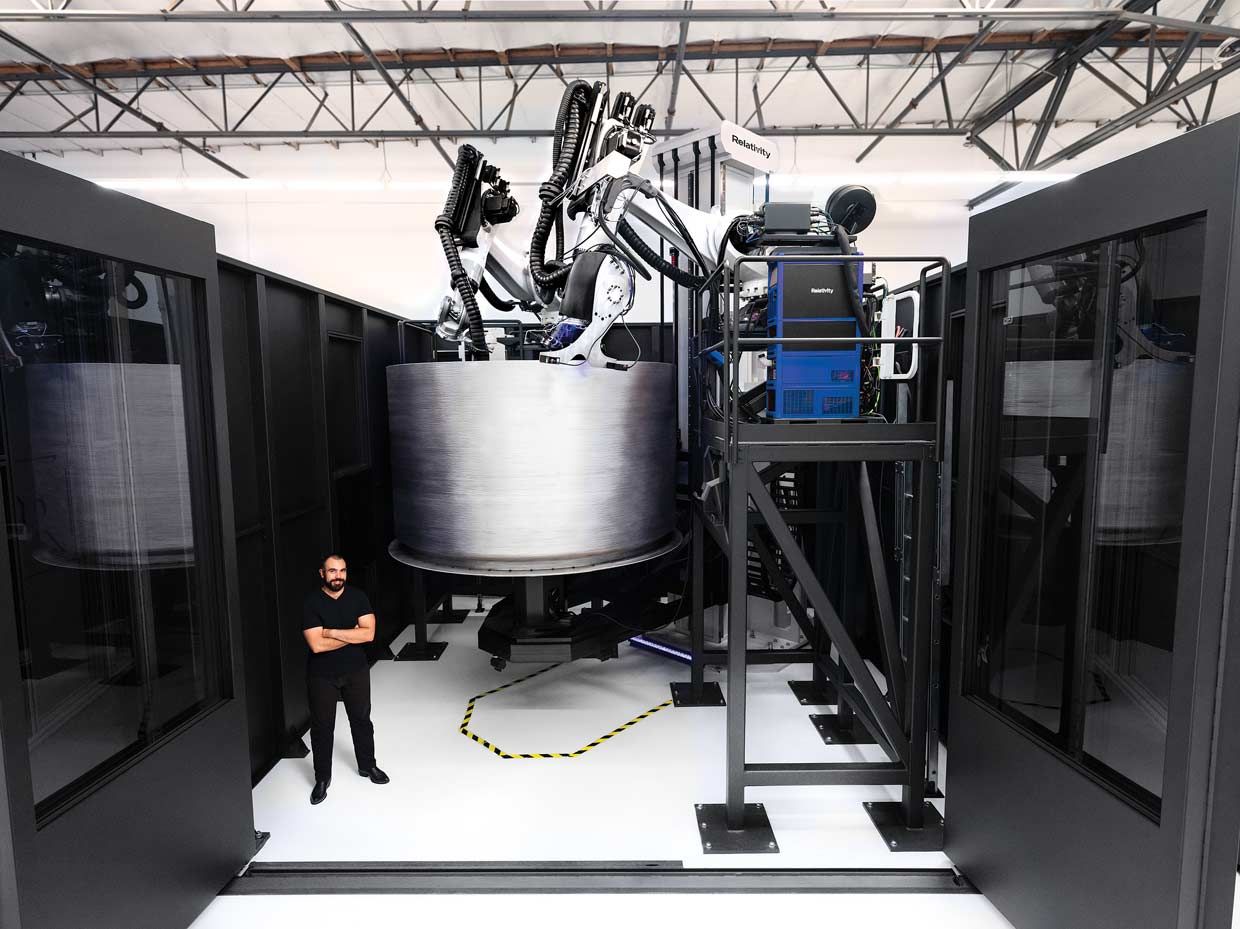
Honyo Prototype employs a rigorously structured workflow for metal additive manufacturing services, ensuring technical precision and client transparency from initial design to final delivery. Our process integrates advanced digital tools with deep metallurgical expertise to mitigate risks inherent in metal 3D printing. Below is a detailed explanation of each phase.
Upload CAD
Clients initiate the process by uploading native CAD files (STEP, IGES, or native formats preferred) via our secure customer portal. We require complete geometric data including critical tolerances, surface finish specifications, and material requirements per ASTM/AMS standards. Incomplete submissions trigger an automated notification specifying missing data to prevent downstream delays. This phase establishes the digital thread for full traceability.
AI Quote
Our proprietary AI engine performs rapid preliminary analysis of the uploaded geometry, cross-referencing against a database of 50,000+ historical metal print builds. The system evaluates key factors including part volume, bounding box dimensions, support structure requirements, and material utilization efficiency. Within 90 minutes, clients receive a detailed quote showing machine time estimates, material cost breakdowns based on current Inconel 718/Ti6Al4V powder market rates, and preliminary build orientation suggestions. Crucially, this AI output undergoes mandatory review by our AM engineering team to validate feasibility before formal quotation.
DFM (Design for Metal Additive Manufacturing)
This is our value-differentiating phase where senior metallurgists and AM process engineers conduct comprehensive analysis. We perform three critical assessments:
| Parameter | Action | Impact Mitigation |
|---|---|---|
| Geometric Feasibility | Identify overhangs >45°, thin walls <0.4mm, trapped cavities | Reduces support complexity by 30-50% through strategic reorientation |
| Thermal Stress | Simulate thermal gradients using ANSYS Additive | Prevents warpage/cracking via optimized scan strategies and island scanning |
| Material Integrity | Verify powder characteristics against SAE AMS7000 specifications | Ensures mechanical properties meet AMS4928 for aerospace applications |
Clients receive a formal DFM report with actionable recommendations, including suggested design modifications, validated build parameters, and post-processing requirements. Client approval of this report is mandatory before production commencement.
Production
Metal printing occurs in certified EOS M 400-4 or Renishaw RenAM 500Q systems under NADCAP-accredited conditions. Key production protocols include:
Argon atmosphere maintained at <250 ppm oxygen with real-time gas monitoring
In-situ layerwise thermal imaging via embedded FLIR cameras
Powder recycling strictly per ASTM F3049 with sieve analysis after each build
First-article inspection using Renishaw Revo 5-axis CMM for critical dimensions
All process parameters are digitally logged to create a permanent build certificate traceable to material lot numbers.
Delivery
Final delivery encompasses rigorous post-processing aligned with industry standards:
Stress relief per AMS 4928 via vacuum furnace with 5°C/min ramp control
Support removal using wire EDM for critical surfaces (±0.05mm tolerance)
Final surface finish achieved through media blasting (Ra 3.2-6.3 μm) or precision machining
Comprehensive certification package including:
Material test reports (tensile, fatigue per ASTM E8/E466)
Dimensional inspection report (GD&T compliant)
Non-destructive testing results (MT per ASTM E709)
As-built 3D scan vs. nominal CAD comparison
Parts ship with environmental-controlled packaging meeting MIL-STD-1686 for ESD protection, accompanied by full digital build logs accessible via client portal. Typical lead time from CAD upload to delivery is 10-15 business days for non-flight-critical components.
Start Your Project
Explore industrial-grade 3D printing solutions for metal fabrication with Honyo Prototype. Our advanced metal 3D printing technology delivers high precision, durability, and rapid turnaround for aerospace, automotive, and medical applications.
Manufactured in our state-of-the-art facility in Shenzhen, each component is produced under strict quality control to meet exacting industry standards.
For technical specifications, pricing, or project consultation, contact Susan Leo at [email protected]. Let’s engineer the future together.
🚀 Rapid Prototyping Estimator
Estimate rough cost index based on volume.