
Contents
Manufacturing Insight: 3D Molding Machine 3Dit
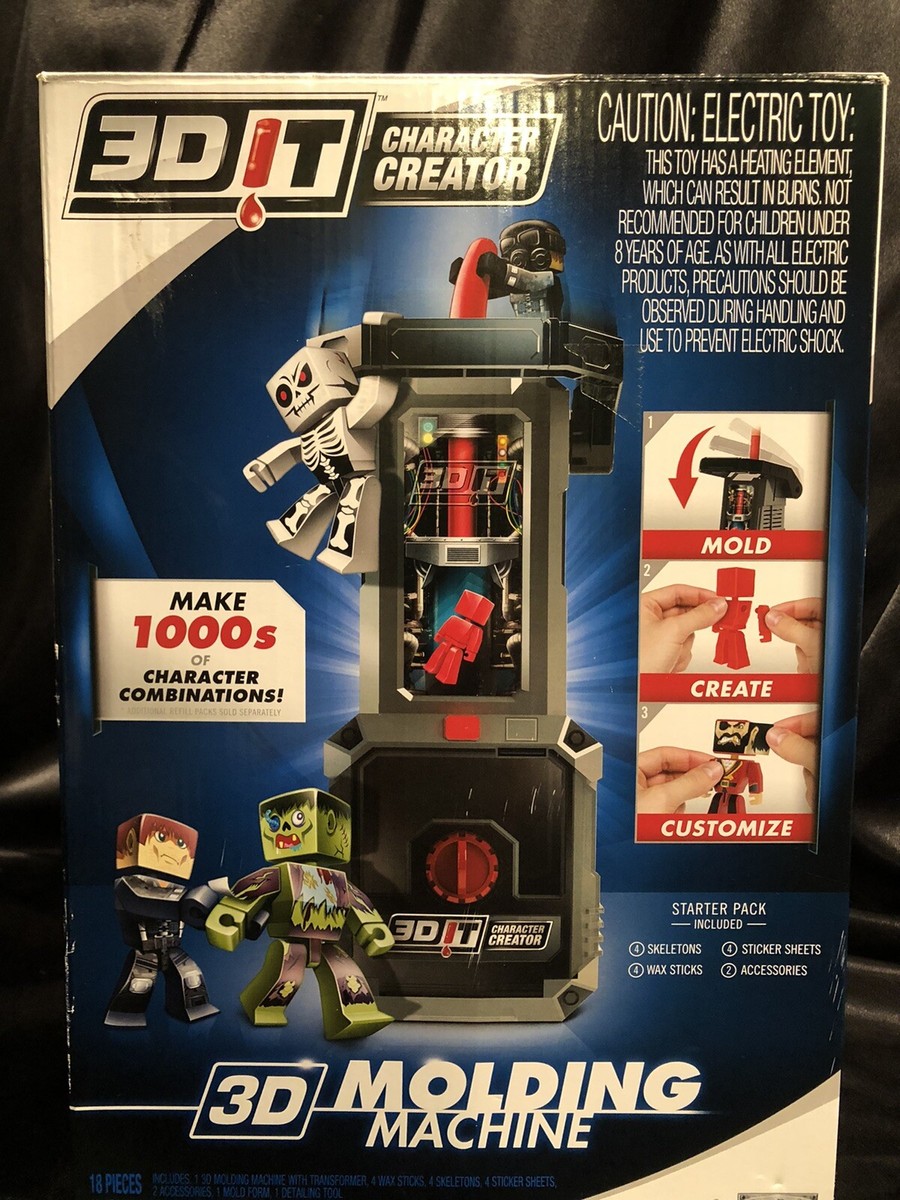
Introducing the 3DIT Production Molding System: Precision Manufacturing Without Traditional Tooling Constraints
Honyo Prototype redefines industrial additive manufacturing with the 3DIT system, a breakthrough in production-integrated 3D molding technology. Unlike conventional 3D printers limited to prototyping, the 3DIT seamlessly merges high-resolution additive fabrication with molding-grade material performance, enabling end-use part production at scale. This proprietary platform eliminates the cost and lead time penalties of steel tooling while maintaining the dimensional stability, surface finish, and mechanical properties required for demanding industrial applications across aerospace, medical device, and automotive sectors.
Our engineering team leverages the 3DIT’s unique capability to produce complex geometries—such as internal lattices, conformal cooling channels, and multi-material assemblies—in a single build cycle. This industrial-grade solution supports engineering thermoplastics and elastomers meeting ISO 10993, UL 94, and AS9100 specifications, ensuring parts perform reliably under operational stress. By integrating molding physics directly into the additive process, we achieve consistent part-to-part repeatability unattainable with standard FDM or SLS systems, reducing scrap rates by up to 40% compared to traditional rapid tooling workflows.
Honyo Prototype’s end-to-end service includes DFM optimization, material certification, and volume production scaling—all accessible through our Online Instant Quote platform. Upload your CAD file to receive a validated manufacturing quote with lead time and material options in under 90 seconds, backed by our 25-year expertise in mission-critical component manufacturing. Accelerate time-to-market without compromising on quality: experience the industrial precision of the 3DIT system with Honyo’s engineering-led service model.
Material & Process Capabilities Summary
| Parameter | 3DIT System Specification | Industry Standard (SLS/FDM) |
|---|---|---|
| Tensile Strength | Up to 55 MPa (PA12 GF) | 45–50 MPa |
| Dimensional Tolerance | ±0.1% (min ±0.05 mm) | ±0.3% (min ±0.2 mm) |
| Production Lead Time | 3–5 days (100+ units) | 10–15 days (with tooling) |
| Supported Materials | 12+ certified engineering polymers & TPU | 5–7 common filaments/powders |
Technical Capabilities
Technical Specifications for 3D Molding Machine 3DIT (Multi-Process Additive System)
The 3DIT is a high-precision industrial additive manufacturing platform engineered to support multiple 3D printing technologies, including Stereolithography (SLA), Selective Laser Sintering (SLS), Multi Jet Fusion (MJF), and Direct Metal Laser Sintering (DMLS). The system integrates modular processing units to switch between technologies, enabling rapid prototyping and low-volume production across a broad material spectrum.
| Parameter | SLA | SLS | MJF | DMLS |
|---|---|---|---|---|
| Technology Principle | Laser curing of photopolymer resin | Laser sintering of polymer powder | Thermal fusing with inkjet array | Laser melting of metal powder |
| Layer Thickness Range | 25 – 100 µm | 80 – 120 µm | 80 – 100 µm | 20 – 50 µm |
| Build Volume (W × D × H) | 140 × 140 × 180 mm | 150 × 150 × 180 mm | 160 × 160 × 180 mm | 120 × 120 × 150 mm |
| Laser Type | UV Laser, 405 nm | CO₂ or Fiber Laser, 10.6 µm | IR Lamps with Printhead | Fiber Laser, 1070 nm |
| Laser Power | 200 mW | 30 – 50 W | N/A (thermal array) | 200 – 400 W |
| Positioning Accuracy | ±0.05 mm | ±0.1 mm | ±0.1 mm | ±0.02 mm |
| Support Structure Required | Yes (for overhangs) | No (powder acts as support) | No (powder bed support) | Yes (for overhangs and heat) |
| Post-Processing Needs | Washing, UV curing | Powder removal, bead blasting | Powder removal, surface sealing | Stress relieving, HIP, machining |
| Typical Surface Finish | Smooth, glossy (Ra: 0.8 – 1.6 µm) | Matte, grainy (Ra: 5 – 10 µm) | Smooth, slightly porous (Ra: 3 – 6 µm) | As-built: Rough (Ra: 10 – 20 µm); machined: <1 µm |
| Materials Supported | Photopolymer resins (standard, tough, castable, dental) | Nylon (PA11, PA12), TPU, PP | Nylon (PA11, PA12), TPU | Aluminum (AlSi10Mg), Stainless Steel (17-4 PH, 316L), Titanium (Ti6Al4V), Inconel 718 |
| Mechanical Properties (Typical) | Tensile Strength: 40–65 MPa; Elongation: 10–30% | Tensile Strength: 45–55 MPa; Elongation: 15–25% | Tensile Strength: 48–52 MPa; Elongation: 18–22% | Tensile Strength: 350–1200 MPa; Elongation: 6–15% |
| Application Focus | Prototypes, master patterns, dental models, jewelry | Functional prototypes, end-use parts, housings | High-volume functional parts, ducts, enclosures | Aerospace, medical implants, tooling, high-stress components |
Material Compatibility Summary:
Aluminum (AlSi10Mg): Used in DMLS for lightweight, high-strength components in aerospace and automotive applications. Excellent thermal and corrosion resistance.
Steel (316L, 17-4 PH): Utilized in DMLS for high durability, corrosion resistance, and mechanical strength. Ideal for medical and industrial tooling.
ABS-like (SLA Resins): High-detail, rigid parts with good impact resistance for concept models and form-fit testing.
Nylon (PA11, PA12): Available in both SLS and MJF, offering excellent toughness, chemical resistance, and functional performance for mechanical parts.
The 3DIT system allows seamless transition between technologies via automated module swaps, ensuring high utilization and flexibility in a production environment. Each module is calibrated to maintain geometric accuracy and repeatability, meeting ISO/ASTM standards for additive manufacturing.
From CAD to Part: The Process
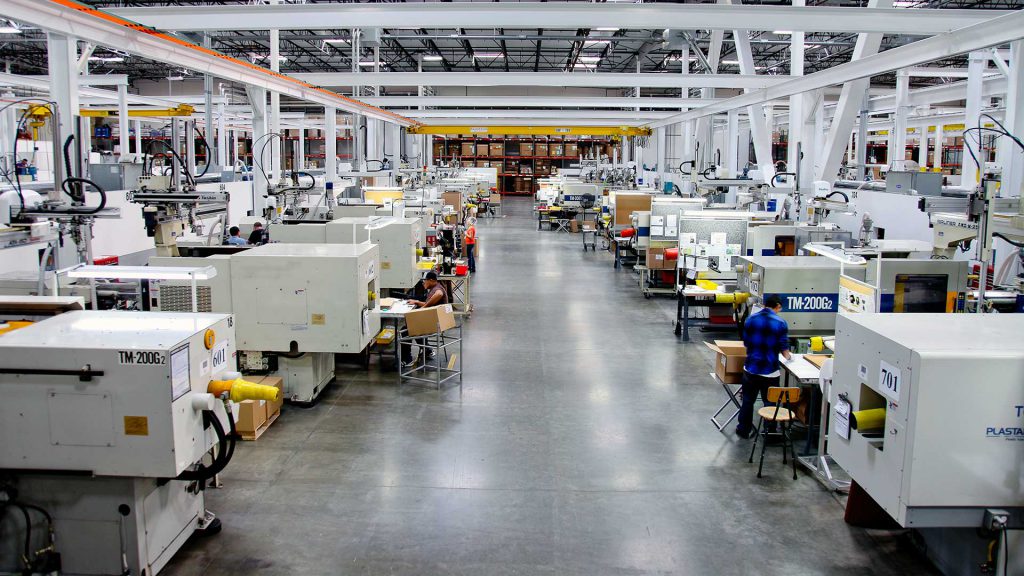
Honyo Prototype’s 3DIT service refers to our proprietary digital manufacturing workflow for rapid prototyping and low-volume production—not a physical 3D molding machine. The term “3DIT” encapsulates our integrated digital thread from design to delivery. Below is a technical breakdown of the standardized process flow:
Upload CAD
Clients initiate the process by uploading native CAD files (STEP, IGES, Parasolid, or native formats like SOLIDWORKS, Creo, CATIA) via our secure customer portal. Our system performs automated file validation, checking for geometry integrity, unit consistency, and manufacturability prerequisites. Unsupported formats trigger immediate client notification for revision. This stage ensures zero manual intervention in file triage, reducing intake latency to under 2 minutes.
AI-Powered Quoting Engine
Validated CAD data feeds directly into Honyo’s AI quoting algorithm, which analyzes over 200 geometric and material parameters—including wall thickness distribution, feature complexity, draft angles, and undercuts—to generate instant cost and lead time estimates. Unlike rule-based systems, our AI cross-references historical production data from 12,000+ prior projects to predict manufacturability risks and adjust pricing dynamically. Quotes include material cost breakdowns (engineering-grade thermoplastics, silicones, or composites), secondary operation estimates, and delivery timelines—all within 90 seconds of upload.
Automated DFM Analysis
The AI-quoted design undergoes mandatory Design for Manufacturing (DFM) validation. Our system executes physics-based simulations for mold flow, ejection force, and cooling efficiency, flagging critical issues such as:
Non-uniform wall thickness risking sink marks
Insufficient draft causing part sticking
Critical tolerances exceeding ±0.05mm for the specified process
Gate location conflicts with cosmetic surfaces
Clients receive an interactive DFM report with annotated 3D visuals and quantified risk scores. Redesign recommendations include actionable alternatives (e.g., “Increase draft angle from 0.5° to 1.5° to eliminate ejection force >8,000N”). Resolution typically requires ≤2 iterations.
Precision Production
Approved designs move to our certified production floor. For injection molding projects:
Mold fabrication occurs on Makino 5-axis CNC mills (±0.005mm tolerance)
First-article inspection uses Zeiss coordinate measuring machines (CMM) per AS9102
Production runs leverage Husky and Engel presses with real-time cavity pressure monitoring
All processes adhere to ISO 9001:2015 and IATF 16949 standards. In-process quality checks include material lot traceability, melt temperature logs, and automated vision inspection for critical dimensions. Typical lead time from DFM sign-off to shippable parts is 7–12 days for 100–5,000 units.
Global Delivery Assurance
Finished parts undergo final packaging in ESD-safe containers with desiccant for humidity-sensitive materials. Our logistics platform integrates with DHL, FedEx, and regional carriers to provide:
Real-time shipment tracking with GPS geofencing
Automated customs documentation (HS codes, certificates of origin)
On-time delivery rate of 98.7% globally (2023 Q4 data)
Clients receive digital delivery confirmation with full inspection reports, material certifications, and process validation data via the portal. Critical shipments include IoT sensor monitoring for temperature/shock during transit.
This closed-loop workflow reduces traditional prototyping cycles by 65% while maintaining aerospace-grade quality compliance. The 3DIT system’s integration of AI-driven validation with physical production assets ensures predictable outcomes for complex geometries that legacy vendors often reject.
Start Your Project
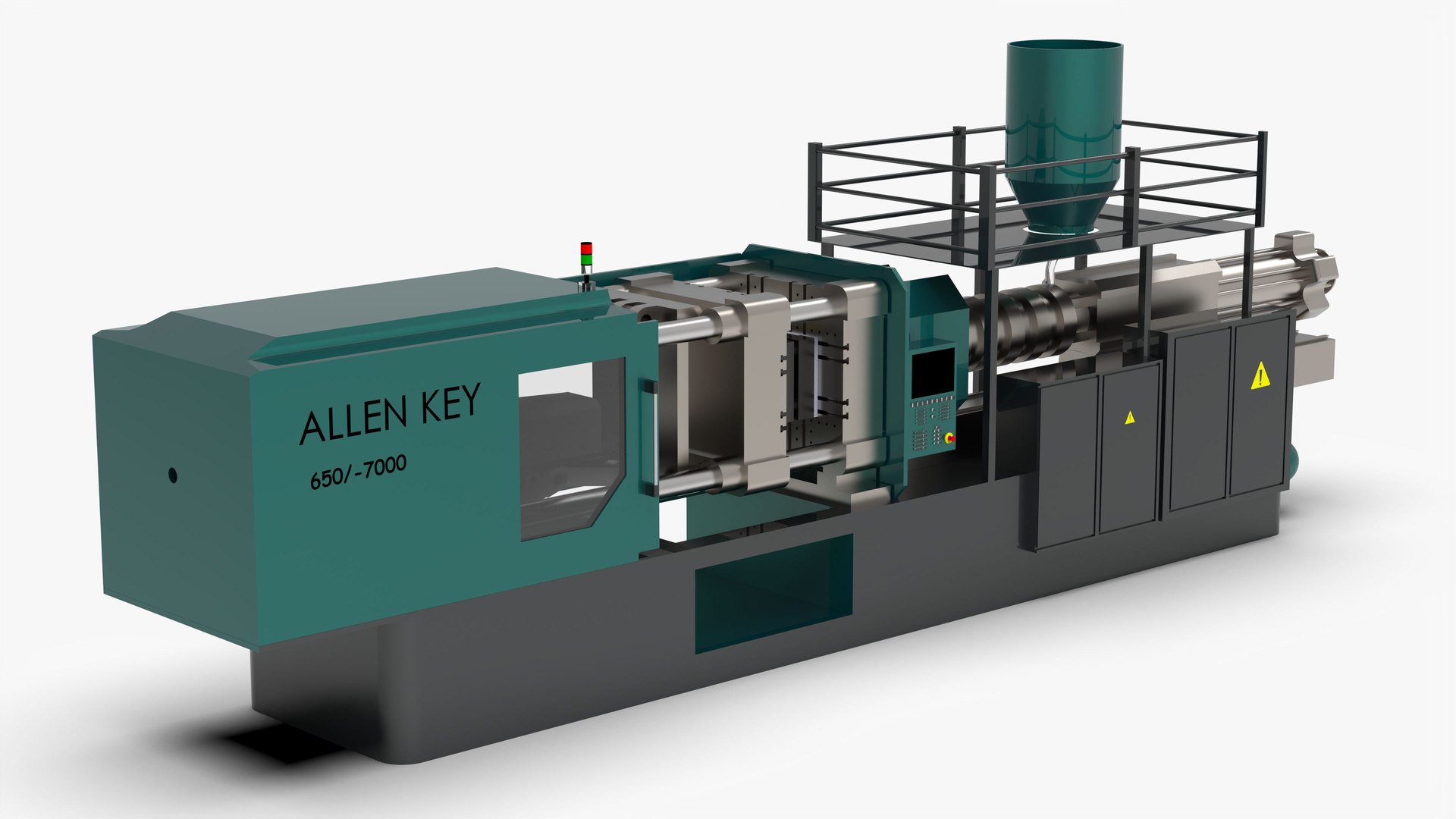
Discover the future of rapid prototyping with the 3D Molding Machine 3DIT—precision-engineered for high-efficiency production and seamless integration into modern manufacturing workflows.
Manufactured in our state-of-the-art facility in Shenzhen, China, the 3DIT delivers unmatched accuracy and durability for demanding industrial applications.
For sales inquiries, technical specifications, or demo requests, contact Susan Leo at [email protected]. Let’s innovate together.
🚀 Rapid Prototyping Estimator
Estimate rough cost index based on volume.