
Contents
Manufacturing Insight: 316 Stainless Steel Machinability
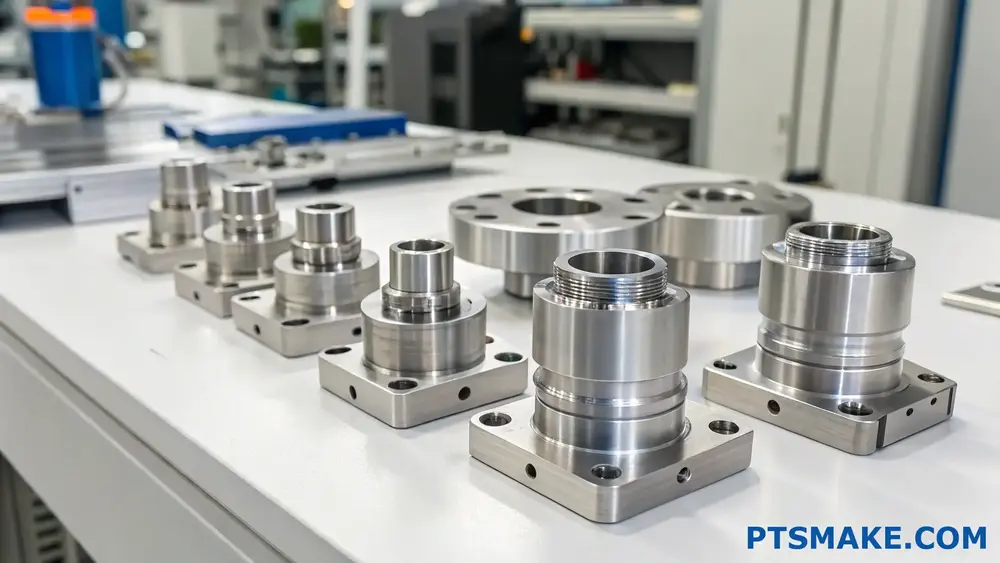
316 Stainless Steel Machinability: Precision Engineered by Honyo Prototype
316 stainless steel presents significant machining challenges due to its high work hardening rate, strong abrasiveness, and tendency for built-up edge formation, which can compromise dimensional accuracy and surface finish in precision components. At Honyo Prototype, our CNC machining expertise specifically addresses these complexities through optimized cutting parameters, specialized tooling selection, and advanced coolant strategies, ensuring consistent part integrity and tight tolerances even in demanding marine, chemical, and medical applications. Our ISO-certified facility leverages state-of-the-art multi-axis CNC systems and decades of material-specific experience to transform 316 stainless steel into high-performance prototypes and low-volume production parts with exceptional repeatability. Accelerate your development timeline by accessing our Online Instant Quote platform, where you can upload CAD files and receive detailed pricing and lead time estimates within hours—streamlining your path from design to functional hardware.
Technical Capabilities
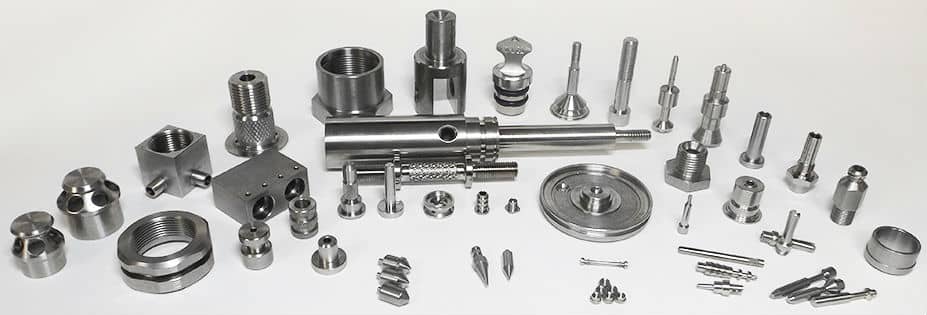
316 stainless steel is a widely used austenitic stainless steel known for its excellent corrosion resistance and high strength. However, its machinability presents specific challenges compared to materials like aluminum, mild steel, ABS, and nylon—especially in precision 3/4/5-axis milling and turning operations requiring tight tolerances (±0.001″ or better). The high work-hardening rate, low thermal conductivity, and tendency to build up edge (BUE) require optimized tooling, feeds, speeds, and cooling strategies.
Below is a comparative technical overview of 316 stainless steel machinability in the context of precision CNC machining, with reference to aluminum, carbon steel, ABS, and nylon:
| Material | Machinability Rating (Relative) | Typical Cutting Speed (SFM) | Feed Rate (IPR for Turning) | Tooling Recommendations | Coolant Requirement | Notes on Tight Tolerance Machining |
|---|---|---|---|---|---|---|
| 316 Stainless Steel | 40–45 (Poor) | 90–150 | 0.005–0.015 | Carbide (TiAlN or AlCrN coated), High Positive Rake, Sharp Edges | Mandatory (Flood) | High work hardening; requires rigid setup, minimal tool deflection; peck drilling and controlled depth of cut essential |
| Aluminum (6061) | 100–170 (Excellent) | 500–1000 | 0.010–0.020 | Carbide or HSS, Polished Flutes, 3-Flute for milling | Optional (Air blast common) | Low melting point; built-up edge possible; easy to hold tight tolerances with high MRR |
| Mild Steel (A36) | 60–70 (Moderate) | 200–300 | 0.010–0.020 | Carbide (TiN coated), General Purpose Inserts | Recommended | Predictable chip formation; good dimensional stability; minimal thermal growth |
| ABS (Thermoplastic) | 80–90 (Good) | 500–800 | 0.010–0.015 | Sharp HSS or Carbide, Large Clearance Angles | Not Required (Air only) | Low melting point; prone to chatter; vacuum helpful; tolerances limited by part rigidity |
| Nylon (PA6/66) | 70–80 (Fair to Good) | 400–700 | 0.008–0.015 | Polished Carbide, Large Rake Angles | Not Required | Gummy material; requires sharp tools; hygroscopic—must be dry; thermal expansion affects precision |
Key Considerations for 316 Stainless Steel in Precision Milling and Turning:
Work Hardening: Repeated rubbing or improper feeds causes surface hardening. Use positive rake tools and avoid dwelling.
Tool Wear: High abrasion and adhesion lead to rapid flank and crater wear. Coated carbide tools are essential.
Rigidity: Maintain a stable, rigid setup to prevent chatter—critical when holding ±0.001″ tolerances.
Coolant: Flood coolant is required to manage heat and prevent localized work hardening and tool failure.
Chip Control: Use peck cycles in drilling and controlled depth of cut in milling to manage tough chip formation.
Multi-Axis Considerations: In 4/5-axis setups, ensure tool reach and toolholder balance are optimized to maintain accuracy during complex tool paths.
Compared to aluminum, steel, ABS, and nylon, 316 stainless steel demands more conservative parameters, higher machine power, and greater attention to process control to achieve tight tolerance requirements in high-precision applications.
From CAD to Part: The Process
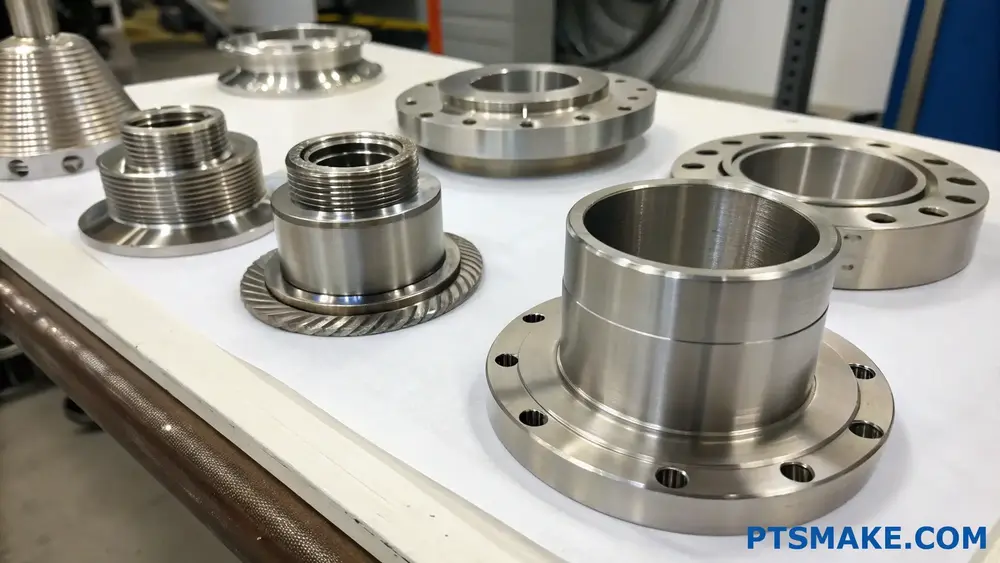
Honyo Prototype 316 Stainless Steel Machinability Process Workflow
Honyo Prototype leverages a structured, material-specific workflow to address the unique challenges of 316 stainless steel machining. This austenitic alloy exhibits high work-hardening rates, low thermal conductivity, and strong adhesion tendencies, requiring precise process control to avoid tool wear, dimensional instability, and surface defects. Our end-to-end workflow ensures optimal machinability while maintaining tight tolerances and material integrity.
Upload CAD
Clients submit detailed 3D CAD models via our secure portal. For 316 stainless steel parts, we explicitly verify material specifications in the file metadata or accompanying documentation. Critical parameters such as wall thickness, internal radii, and feature aspect ratios are pre-screened, as thin geometries or deep cavities in 316 SS exacerbate heat buildup and vibration risks during machining.
AI-Powered Quoting Engine
Our AI system cross-references the CAD geometry with a proprietary 316 SS machining database, accounting for material-specific factors: work-hardening susceptibility, required toolpath strategies to minimize dwell time, and coolant/lubrication needs. The quote dynamically adjusts cycle times and costs based on features prone to challenges in 316 SS, such as fine threads or thin walls below 1mm. Real-time material availability checks ensure lead times reflect 316 SS bar stock or plate sourcing constraints.
Material-Optimized DFM Analysis
Engineers conduct a targeted Design for Manufacturability review focused on 316 SS properties. Recommendations include: increasing internal corner radii to reduce tool stress, specifying minimum wall thicknesses of 0.8mm to prevent chatter-induced distortion, and eliminating sharp transitions that accelerate work hardening. We validate thermal management strategies, such as recommending peck drilling depths ≤3× diameter for blind holes to evacuate swarf and dissipate heat. Critical tolerances tighter than ±0.025mm trigger automatic review for stress-relief annealing requirements.
Precision Production Execution
Machining occurs on CNC centers with high-rigidity spindles and through-tool coolant systems essential for 316 SS. We enforce strict parameters validated in our material library:
| Parameter | Standard Machining | 316 Stainless Steel Protocol |
|---|---|---|
| Cutting Speed | 180-220 m/min | 90-120 m/min (reduced to limit work hardening) |
| Feed Rate | 0.2 mm/rev | 0.08-0.12 mm/rev (optimized for chip evacuation) |
| Coolant | Soluble oil | High-pressure synthetic (80+ bar) with EP additives |
| Tooling | Carbide | Sub-micron grain carbide with TiAlN coating |
In-process inspections monitor surface integrity using profilometry to detect micro-galling. All operations maintain continuous chip control; interrupted cuts undergo adaptive feed-rate adjustments to prevent edge chipping. Post-machining, parts undergo ultrasonic cleaning to remove embedded ferrous particles before passivation.
Quality-Controlled Delivery
Final validation includes CMM verification of critical dimensions, ASTM A967 passivation certification, and microstructure review via cross-section analysis to confirm absence of heat-affected zones. Dimensional reports explicitly document thermal stability data from post-machining soak periods. Parts ship with material test reports (MTRs) traceable to mill certificates, and all documentation complies with AS9100 and ISO 13485 standards for aerospace and medical applications. Lead times average 7-12 days for standard 316 SS prototypes, with expedited thermal management protocols available for complex geometries.
Start Your Project
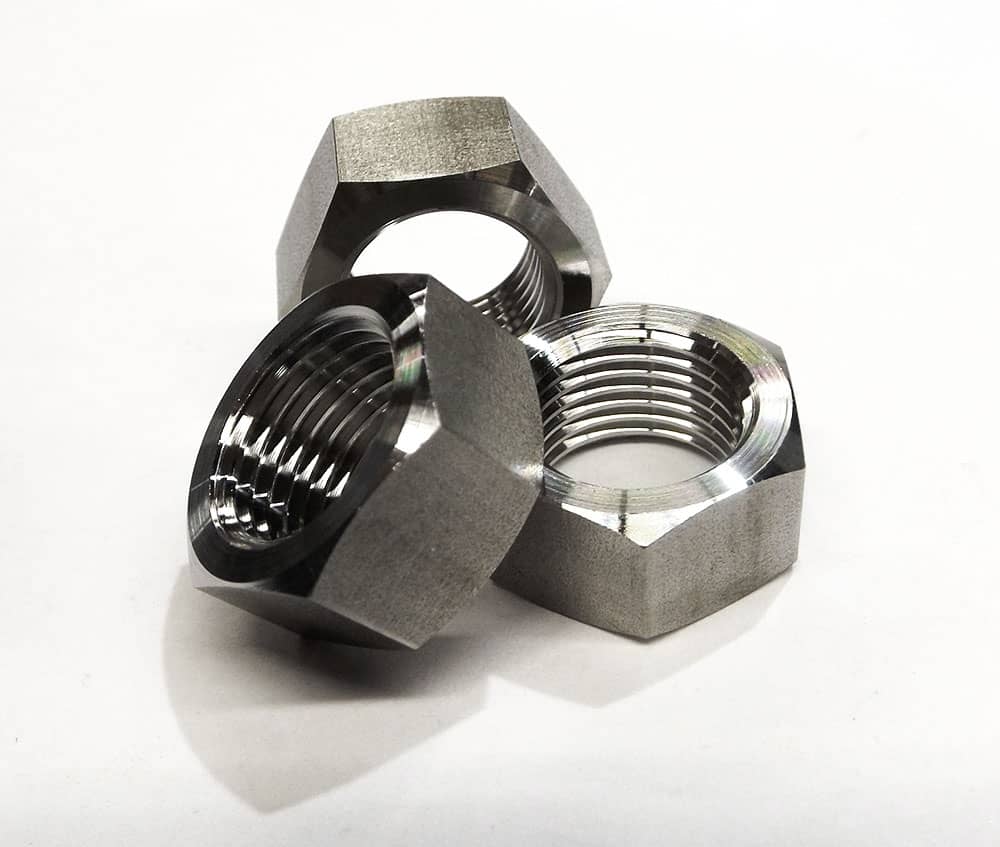
For expert insights on the machinability of 316 stainless steel and how it can be optimized for your precision components, contact Susan Leo at [email protected].
Honyo Prototype operates a state-of-the-art manufacturing facility in Shenzhen, equipped to handle complex CNC machining projects using 316 stainless steel and other high-performance materials. Our engineering team applies proven strategies to manage work hardening, tool wear, and surface finish challenges inherent in 316 stainless steel machining, ensuring tight tolerances and repeatable quality.
Reach out today to discuss material selection, design for manufacturability, or prototyping and production timelines.
Contact:
Susan Leo
Email: [email protected]
Factory Location: Shenzhen, China
🚀 Rapid Prototyping Estimator
Estimate rough cost index based on volume.