
Contents
Manufacturing Insight: 303 Stainless Steel Yield Strength
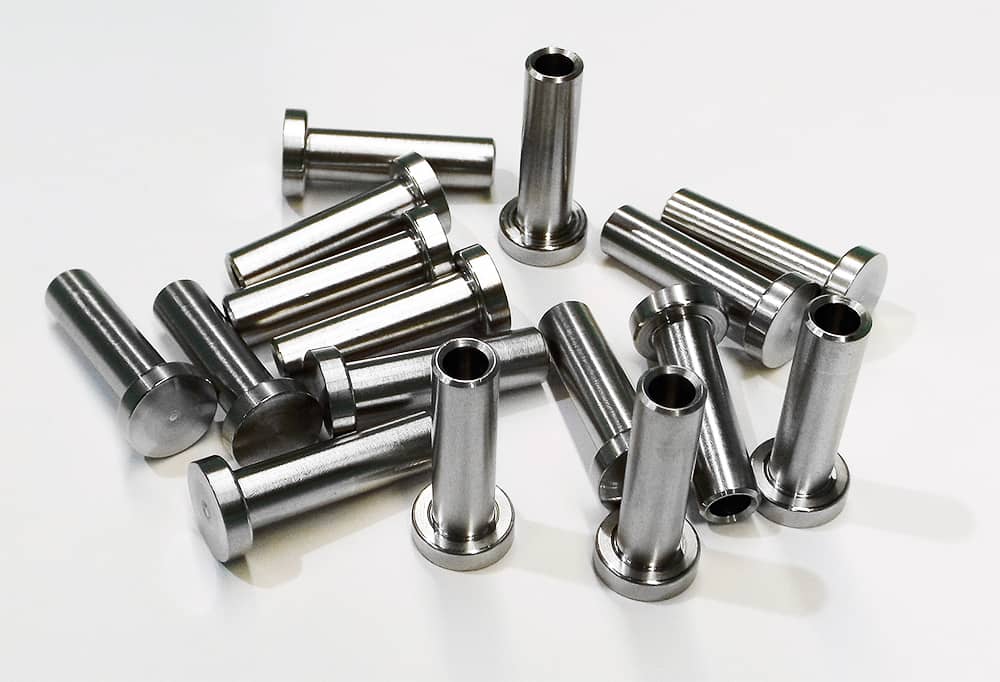
Precision Machining of 303 Stainless Steel: Understanding Yield Strength for Critical Applications
303 stainless steel, renowned for its exceptional machinability due to sulfur additions, presents unique engineering considerations for prototyping and low-volume production. Its yield strength—an essential parameter for structural integrity—typically ranges from 205 MPa (29.7 ksi) in the annealed condition to approximately 310 MPa (45 ksi) in cold-worked tempers, per ASTM A582 specifications. This relatively lower yield strength compared to 304 stainless steel directly influences part design, toolpath strategies, and tolerance control during CNC machining, particularly where resistance to plastic deformation under load is critical. Mismanagement of these properties can lead to work hardening, dimensional inaccuracies, or premature component failure in demanding environments like fluid handling systems or precision instrumentation.
At Honyo Prototype, we leverage deep material science expertise to overcome the machining challenges inherent in 303 stainless steel. Our advanced CNC milling and turning capabilities, paired with proprietary process optimization for free-machining alloys, ensure consistent yield strength performance in finished components. We implement controlled cutting parameters, specialized tool geometries, and real-time in-process inspection to mitigate stress concentrations and maintain dimensional stability—transforming the material’s machinability advantage into precision-engineered parts that meet rigorous functional requirements.
For engineers requiring rapid validation of 303 stainless steel designs, Honyo’s Online Instant Quote platform delivers precise cost and lead-time estimates within minutes. Simply upload your STEP or IGES file to receive a manufacturability analysis tailored to 303 SS properties, including yield strength considerations, before project commitment. This seamless integration of material intelligence and digital quoting accelerates your path from prototype to production-ready hardware.
Technical Capabilities
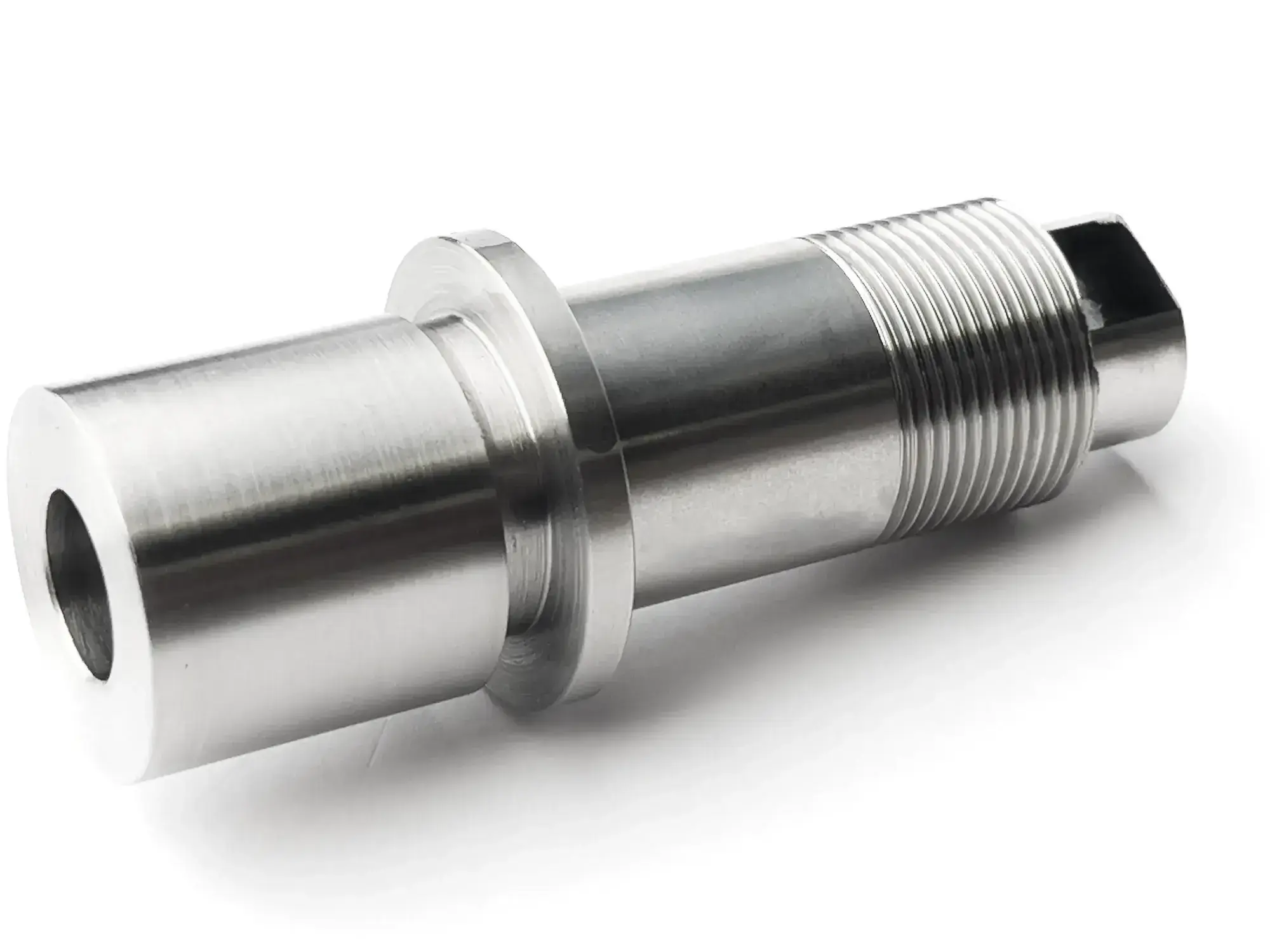
Technical Specifications for 303 Stainless Steel Yield Strength in Precision Machining Applications
303 stainless steel is an austenitic chromium-nickel alloy formulated specifically for enhanced machinability due to the addition of sulfur. It is commonly used in high-volume precision machining operations such as 3/4/5-axis milling and turning, particularly where tight tolerances are required. Its yield strength is a critical mechanical property that influences tool selection, cutting parameters, and overall machining stability.
The typical 0.2% offset yield strength of annealed 303 stainless steel is approximately 205 MPa (30,000 psi). This moderate yield strength allows for stable cutting performance but requires careful thermal and mechanical management during high-speed operations to prevent work hardening and tool wear.
When compared to other common prototype and production materials such as aluminum, carbon steel, ABS, and nylon, 303 stainless steel exhibits higher strength and hardness, necessitating robust toolpaths and rigid setups—especially in multi-axis environments where dynamic loads vary.
Below is a comparative table summarizing key mechanical properties relevant to machining:
| Material | Yield Strength (0.2% offset) | Tensile Strength | Hardness (HB) | Machinability Rating | Common Use in 3/4/5-Axis Machining |
|---|---|---|---|---|---|
| 303 Stainless Steel | 205 MPa (30,000 psi) | 515 MPa (75,000 psi) | ~140–160 | Fair (60–65% of B1112) | High-precision components, shafts, fasteners requiring corrosion resistance |
| 304 Stainless Steel | 215 MPa (31,200 psi) | 505 MPa (73,000 psi) | ~150–165 | Fair | General-purpose corrosion-resistant parts |
| 4140 Steel | 655 MPa (95,000 psi) | 745 MPa (108,000 psi) | ~190–210 | Moderate | High-strength structural and aerospace components |
| 6061-T6 Aluminum | 276 MPa (40,000 psi) | 310 MPa (45,000 psi) | ~95 | Excellent | Lightweight enclosures, aerospace frames, prototypes |
| ABS (Plastic) | 40 MPa (5,800 psi) | 48 MPa (7,000 psi) | ~100 (Rockwell R) | Very Good | Jigs, fixtures, non-structural prototypes |
| Nylon 6/6 | 45–50 MPa (6,500–7,250 psi) | 75–85 MPa (11,000 psi) | ~85–90 | Good | Wear-resistant bushings, gears, insulating components |
Implications for 3/4/5-Axis Milling and Turning:
Tooling Requirements: Due to its moderate yield strength and tendency to work-harden, 303 stainless steel requires sharp, coated carbide tools with positive rake geometry. High-pressure coolant is recommended to manage heat.
Tight Tolerance Considerations: Thermal expansion and residual stresses must be accounted for during long machining cycles. Stress-relieving prior to finish passes may be necessary for sub-±0.0005″ (12.7 µm) tolerances.
Comparative Machining Behavior: While aluminum and plastics like ABS and nylon allow for high feed rates and minimal tool wear, 303 stainless steel demands lower surface speeds (SFM ~100–150) and controlled depth of cut to maintain dimensional accuracy.
Multi-Axis Stability: The material’s strength and chip formation characteristics require optimized tool engagement angles and adaptive toolpaths to prevent chatter, especially in deep cavities or thin-wall features.
For applications requiring tight tolerances and complex geometries, 303 stainless steel remains a preferred choice when corrosion resistance and moderate strength are required—provided that machining parameters are carefully optimized.
From CAD to Part: The Process
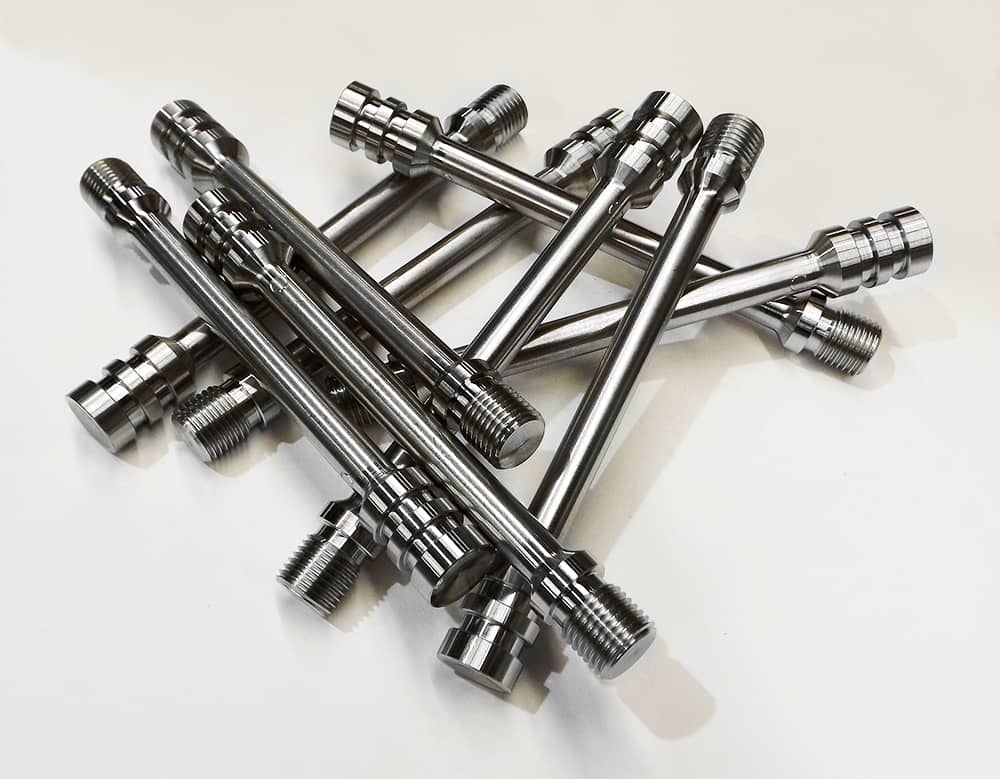
Honyo Prototype Process for 303 Stainless Steel Yield Strength Assurance
Upon CAD file upload, our system validates geometric specifications and explicitly checks material callouts against ASTM A582 standards for 303 stainless steel. This initial scan confirms whether the design specifies 303 SS and identifies critical features where yield strength directly impacts functionality, such as thin-walled sections or load-bearing interfaces. If the material is unspecified or ambiguous, our engineering team proactively contacts the client to clarify requirements before proceeding.
The AI Quote phase incorporates real-time material property databases to cross-reference 303 SS mechanical properties. For yield strength, the system defaults to the ASTM-specified minimum of 205 MPa (30 ksi) for annealed condition and flags deviations if client-supplied specs exceed this value. Crucially, the AI evaluates whether the requested tolerances or feature geometries could inadvertently reduce effective yield strength through machining-induced stresses, generating cost implications for stress-relief annealing if necessary.
During DFM analysis, our engineers conduct a dedicated yield strength risk assessment for 303 SS. We examine:
Machining parameters that may cause work hardening (e.g., excessive feed rates in drilling), potentially elevating surface hardness but reducing ductility and effective yield strength in fatigue-critical zones
Wall thickness ratios where residual stresses could compromise structural integrity below the nominal 205 MPa yield point
Heat treatment feasibility; unlike 304 SS, 303 cannot be hardened by heat treatment due to sulfur content, making stress relief annealing the only post-machining option to stabilize yield strength
Production严格执行 the DFM recommendations with material-specific protocols:
All 303 SS stock is verified via mill test reports (MTRs) confirming chemical composition (S: 0.15% min) and certified annealed condition
Machining employs reduced cutting speeds and specialized tool geometries to minimize thermal distortion and work hardening
Critical components undergo stress-relief annealing at 760–870°C followed by rapid air cooling per AMS 5640, with documented thermal profiles
The following table summarizes key yield strength controls:
| Process Stage | Yield Strength Control Action | Verification Method |
|---|---|---|
| Material Sourcing | MTR validation against ASTM A582 (min 205 MPa annealed) | Mill test report review |
| Machining | Feed/speed optimization to prevent work hardening | In-process surface hardness checks |
| Post-Processing | Stress-relief annealing for critical geometries (if required) | Thermal profile documentation |
| Final Inspection | Dimensional verification of critical load paths | CMM report + visual stress analysis |
Delivery includes comprehensive documentation: MTRs for the specific material lot, process validation records for any annealing cycles, and a yield strength compliance statement referencing ASTM A582. For applications requiring elevated yield strength beyond 205 MPa, we explicitly note in the report that 303 SS cannot be strengthened via heat treatment and recommend alternative alloys like 17-4 PH if design constraints permit. This end-to-end traceability ensures the delivered part meets the yield strength requirements inherent to properly processed 303 stainless steel.
Start Your Project
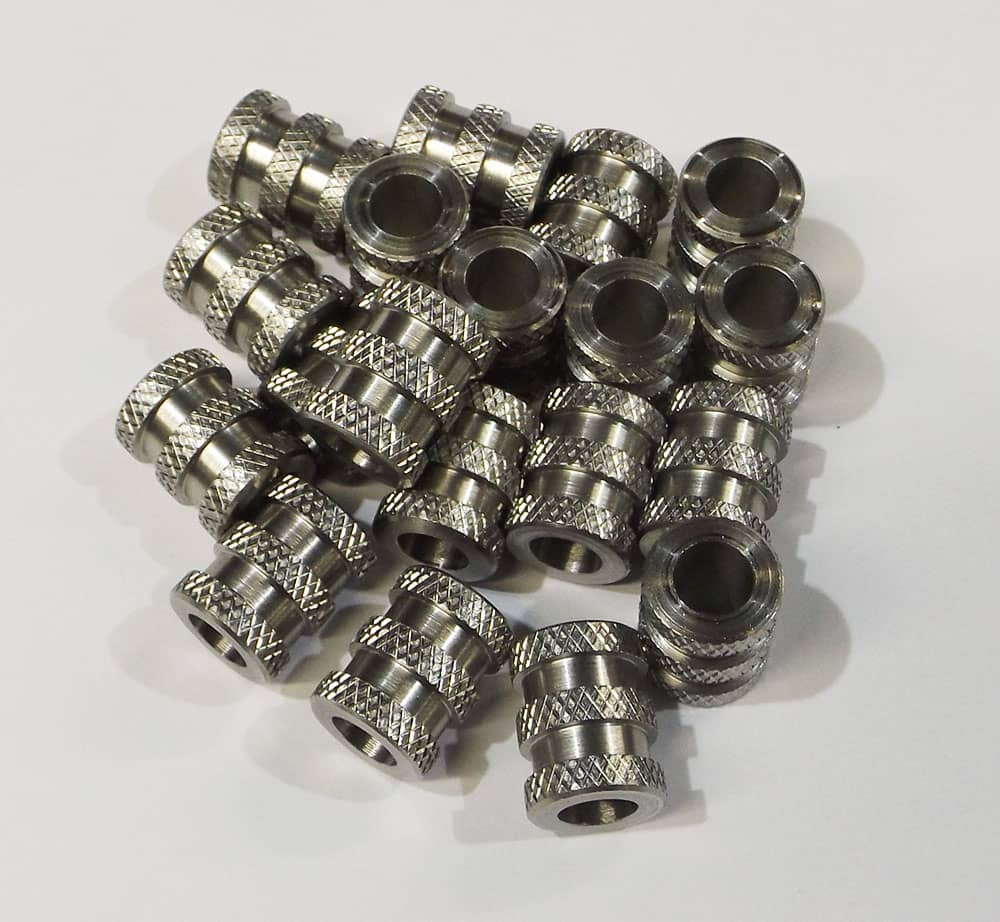
Learn more about the yield strength of 303 stainless steel and how it can impact your precision manufacturing projects. For technical specifications and material consultation, contact Susan Leo at [email protected]. Honyo Prototype operates a state-of-the-art manufacturing facility in Shenzhen, providing rapid prototyping and low-volume production with strict quality control. Reach out today to request material data or a project quote.
🚀 Rapid Prototyping Estimator
Estimate rough cost index based on volume.