
Contents
Manufacturing Insight: 17-4 Stainless Steel Vs 304
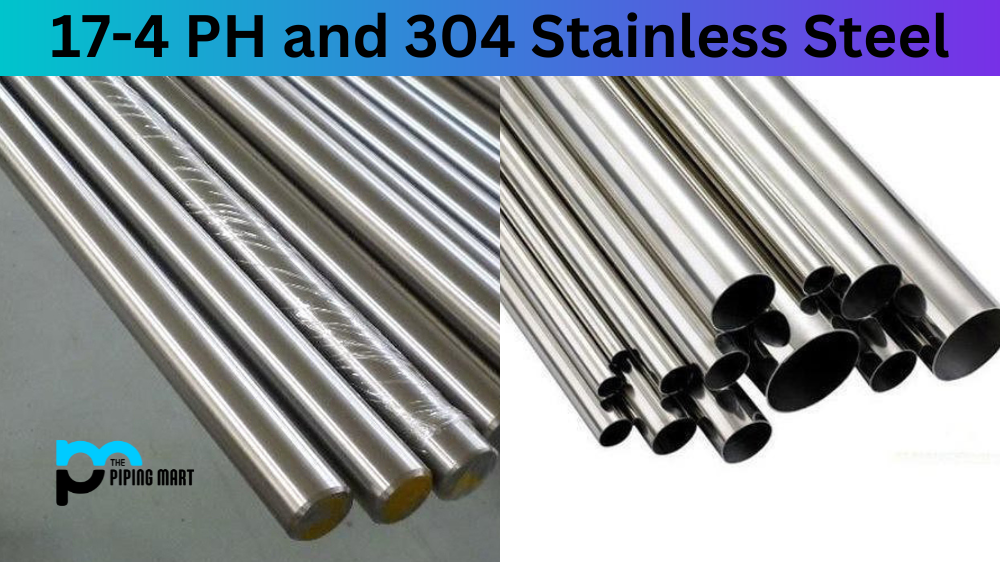
Material Selection Precision: Navigating 17-4 PH vs. 304 Stainless Steel for Critical CNC Machined Components
Selecting the optimal stainless steel alloy is a fundamental engineering decision impacting performance, longevity, and manufacturability of precision components. At Honyo Prototype, we recognize that the choice between 17-4 precipitation hardening (PH) stainless steel and the ubiquitous 304 austenitic stainless steel hinges on specific application demands, particularly when leveraging advanced CNC machining processes. 17-4 PH offers exceptional strength and hardness achievable through heat treatment, making it ideal for high-stress aerospace fittings, medical instrument components, and demanding industrial tooling where dimensional stability under load is critical. Conversely, 304 stainless steel provides superior corrosion resistance in diverse environments, excellent formability, and weldability, positioning it as the standard for food processing equipment, chemical handling components, and architectural applications requiring robust atmospheric corrosion protection. Understanding the distinct machinability characteristics of each alloy is paramount; 17-4 PH machines well in the annealed condition but requires careful process control to manage work hardening and achieve precise tolerances before final heat treatment, while 304’s tendency to work-harden rapidly during cutting demands optimized CNC parameters and tooling strategies to prevent built-up edge and ensure surface integrity.
Honyo Prototype excels in transforming these complex material properties into high-precision, mission-critical parts through our state-of-the-art CNC machining capabilities. Our engineering team possesses deep expertise in developing tailored machining processes for both 17-4 PH and 304 stainless steels, utilizing specialized tool geometries, controlled feeds and speeds, and strategic coolant application to overcome inherent challenges like work hardening and thermal sensitivity. We consistently achieve tight tolerances, superior surface finishes, and exceptional part repeatability, ensuring your components meet the most stringent functional and regulatory requirements. Whether your project demands the high strength of 17-4 PH after heat treatment or the corrosion resilience of 304, our integrated manufacturing approach, from material sourcing to finishing, guarantees optimal results.
Key comparative properties relevant to CNC machining and application performance include:
| Property | 17-4 PH Stainless Steel | 304 Stainless Steel |
|---|---|---|
| Primary Classification | Precipitation Hardening | Austenitic |
| Typical Strength (Yield) | 1000-1300 MPa (after H/T) | 215-505 MPa (annealed) |
| Corrosion Resistance | Good (less than 304 in some env) | Excellent (general purpose) |
| Machinability (Relative) | Good (annealed), Challenging (aged) | Fair (prone to work hardening) |
| Key CNC Consideration | Stress relief pre-H/T critical | Control work hardening during cut |
Resolve your material selection dilemma and accelerate your prototyping or low-volume production timeline. Honyo Prototype provides immediate clarity on manufacturability and cost through our Online Instant Quote system. Submit your 3D CAD model today at honyoprototype.com/quote to receive a precise, engineering-reviewed quotation for CNC machining your components in 17-4 PH, 304, or other advanced materials within hours, not days. Partner with us for engineering-driven precision manufacturing where material science meets machining excellence.
Technical Capabilities
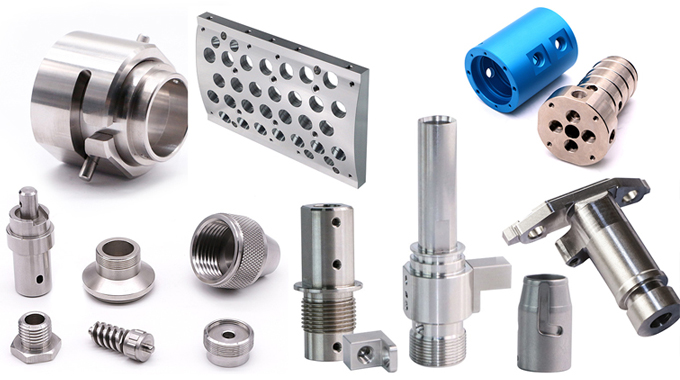
Technical Comparison: 17-4 PH Stainless Steel vs 304 Stainless Steel for Precision Machining Applications
When selecting materials for high-precision 3/4/5-axis milling and turning operations with tight tolerance requirements (±0.0005″ or better), understanding the mechanical and machinability characteristics of 17-4 PH and 304 stainless steel is critical. Below is a comparative technical analysis, including performance context relative to commonly machined materials such as aluminum, steel (general carbon steel), ABS, and nylon.
| Parameter | 17-4 PH Stainless Steel | 304 Stainless Steel | Notes for Machining Context |
|---|---|---|---|
| Material Type | Precipitation-hardening stainless steel | Austenitic stainless steel | 17-4 PH achieves higher strength via heat treatment; 304 is non-magnetic and highly corrosion resistant |
| Tensile Strength (Ultimate) | 130–185 ksi (after H900–H1150 treatment) | 75–90 ksi | 17-4 PH is significantly stronger, enabling thinner, high-stress components |
| Yield Strength | 115–170 ksi | 30–40 ksi | Higher yield improves rigidity during tight-tolerance machining |
| Hardness (HRC) | 28–44 HRC (depending on aging treatment) | 20–25 HRC (annealed) | 17-4’s higher hardness increases tool wear; requires rigid setups |
| Machinability Rating | Fair (40–50% of free-machining steel) | Poor to Fair (45% of free-machining steel) | Both are more difficult than aluminum or free-machining steels; 304 work-hardens aggressively |
| Work Hardening Tendency | Moderate | High | 304 is prone to work hardening during finishing passes, affecting dimensional accuracy |
| Thermal Conductivity | ~16 W/m·K | ~15 W/m·K | Low conductivity leads to heat buildup; requires effective cooling and sharp tooling |
| Chip Control | Moderate (brittle in aged condition) | Poor (long, stringy chips) | 304 requires chip breakers and high-pressure coolant; 17-4 produces more manageable chips |
| Tool Wear | High (especially in aged condition) | High (due to galling and work hardening) | Carbide or ceramic tools recommended; PVD coatings improve tool life |
| Dimensional Stability | Excellent (after proper stress relief) | Good (but prone to distortion under heat) | 17-4 PH allows for precision finishing post-aging; critical for ±0.0005″ tolerances |
| Typical Applications | Aerospace components, medical devices, molds | Food processing, chemical equipment, enclosures | 17-4 preferred where strength and precision are critical |
| Compatibility with 3/4/5-Axis Milling | High (with rigid setups and optimized feeds/speeds) | Moderate (requires adaptive toolpaths to minimize work hardening) | 17-4 responds better to high-speed machining strategies |
| Turning Performance | Good with proper tool geometry and cooling | Challenging due to built-up edge and chatter | 304 benefits from honed edges and consistent depth of cut |
| Tight Tolerance Suitability | Excellent (stable microstructure post-HT) | Moderate (requires careful process control) | 17-4 PH is preferred for micron-level tolerances in mission-critical parts |
Contextual Comparison with Other Materials:
Aluminum (e.g., 6061, 7075): Highly machinable, excellent chip control, and low tool wear. Allows high RPM and feed rates. Ideal for rapid prototyping and lightweight components, but lacks strength and thermal stability of stainless steels.
Carbon Steel (e.g., 1018, 4140): Easier to machine than 304, with better chip control. 4140 offers good strength and heat treatability, but lower corrosion resistance than either stainless grade.
ABS & Nylon (Thermoplastics): Very low cutting forces and heat generation. Suitable for non-structural, low-friction parts. Dimensional stability under temperature variation is poor compared to metals.
Conclusion:
For tight-tolerance, multi-axis machining in demanding environments, 17-4 PH stainless steel offers superior strength, hardness, and dimensional stability post-heat treatment, making it ideal for aerospace, defense, and medical applications. 304 stainless steel is better suited for corrosion-resistant enclosures and non-load-bearing parts where extreme precision is secondary. Both require advanced CNC strategies, but 17-4 PH provides better overall performance in high-precision metal manufacturing workflows.
From CAD to Part: The Process
Honyo Prototype executes a rigorously defined workflow for stainless steel prototyping, with critical material-specific considerations applied at each stage when comparing 17-4 PH versus 304 stainless steel. Our process ensures optimal manufacturability, cost efficiency, and performance alignment with your application requirements.
Upload CAD
Upon receiving your CAD file, our system immediately identifies the specified material grade. For 17-4 PH, the system flags requirements for heat treatment simulation due to its precipitation-hardening nature, while 304 triggers checks for work-hardening susceptibility during forming operations. Geometric features are pre-screened against material-specific limitations—for instance, thin walls below 0.5mm may be flagged for 304 due to chatter risks during machining but may be acceptable for 17-4 in its annealed condition.
AI Quote Generation
Our AI engine calculates costs using material-specific databases. 17-4 PH commands a 15-25% higher base material cost than 304 but may show lower machining costs due to its superior machinability in H900 condition. The quote explicitly breaks down: raw material premiums for 17-4 PH, additional heat treatment cycles (solution annealing + aging), and extended CNC programming time for 304 to mitigate work hardening. Real-time scrap rate projections are applied—304 typically incurs 8-12% higher scrap rates in complex geometries versus 17-4 PH.
DFM Analysis
Material-driven manufacturability feedback is delivered within 4 business hours. Key differentiators include:
17-4 PH: Recommendations for post-machining stress relief before final aging, minimum draft angles of 3° for cast/molded variants, and warnings about dimensional instability if aged in non-uniform furnace zones.
304: Critical alerts for galling risks in threaded features, mandatory slow feed rates (<0.05mm/rev) for deep cavities, and mandatory annealing cycles between aggressive stock removal stages.
DFM reports quantify tolerance stack-up risks—17-4 PH typically maintains ±0.025mm tolerances post-aging versus ±0.05mm for 304 in free-machining configurations.
Production Execution
Material-specific process parameters govern all operations:
17-4 PH: Machined in annealed condition (H900 equivalent), then solution treated at 1020°C ±10°C, quenched, and aged at 480°C for 4 hours. Coordinate-measuring machine (CMM) verification occurs pre- and post-aging to track distortion.
304: Machined with cryogenic coolant to suppress work hardening, stress-relieved at 900°C if distortion exceeds 0.1mm, and passivated using ASTM A967 Method 5. All 304 parts undergo ferroxyl testing to confirm absence of free iron contamination.
Production logs track material lot traceability to mill test reports (MTRs) for both alloys, with real-time SPC monitoring of critical dimensions.
Delivery & Documentation
Final inspection packages include material-specific certifications:
17-4 PH: AMS 5604-compliant MTRs, aging cycle documentation, and Rockwell hardness verification (typically HRC 27-31 for H900).
304: ASTM A276 MTRs, passivation validation report, and intergranular corrosion test results per ASTM A262 Practice E.
Parts ship in vapor-corrosion-inhibiting (VCI) packaging with handling instructions—17-4 PH requires humidity-controlled storage below 40% RH during transit, while 304 mandates non-chloride contact surfaces.
Material selection directly impacts lead time and cost structure. The following comparative summary illustrates typical project outcomes:
| Parameter | 17-4 PH Stainless Steel | 304 Stainless Steel |
|---|---|---|
| Avg. Lead Time | 18-22 business days | 14-18 business days |
| Base Material Cost | $22.50/kg | $18.20/kg |
| Machining Cost Premium | -8% (vs 304) | Baseline |
| Critical Process Step | Precision aging cycle control | Work hardening mitigation |
| Max Recommended Hardness | HRC 40 (H1150M condition) | HB 200 (cold worked) |
| Key Application Limitation | Avoid sustained >315°C service | Non-magnetic requirements only |
This integrated approach ensures your material choice delivers the intended mechanical performance while minimizing production risks. For mission-critical applications, we recommend initiating with our Material Application Review service to validate alloy selection against operational stressors.
Start Your Project
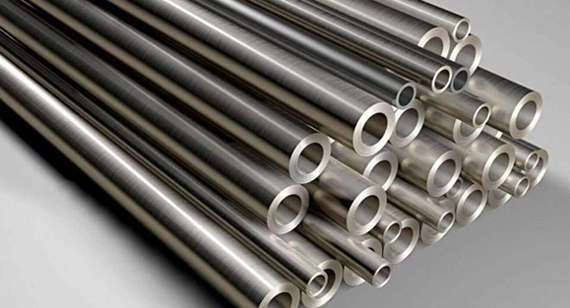
Compare the key differences between 17-4 stainless steel and 304 stainless steel to determine the best material for your precision manufacturing needs. 17-4 PH offers superior strength and hardness with good corrosion resistance, making it ideal for aerospace, medical, and high-stress mechanical components. In contrast, 304 stainless steel provides excellent corrosion resistance and formability, commonly used in food processing, chemical containers, and general-purpose applications.
For technical guidance on material selection and custom prototyping services, contact Susan Leo at [email protected]. Honyo Prototype operates a state-of-the-art manufacturing facility in Shenzhen, delivering high-precision metal and plastic parts with fast turnaround for OEMs and engineering teams worldwide.
🚀 Rapid Prototyping Estimator
Estimate rough cost index based on volume.